
Have you ever wondered if it’s safe to put plastic in your dishwasher? It’s a common question that pops up in many households.
You want to keep your kitchenware clean and convenient, but you also don’t want to ruin your favorite plastic items. Understanding what your dishwasher can handle is crucial to maintaining your kitchenware and ensuring safety. We’ll unravel the mystery behind dishwashing plastic, guiding you through what works and what doesn’t.
Stay with us to discover tips and tricks that will save you time, money, and possibly prevent those frustrating kitchen mishaps.
Types Of Dishwasher-safe Plastics
Understanding the types of dishwasher-safe plastics can save you from ruining your dishes or your dishwasher. Not all plastics are created equal when it comes to handling high heat and water pressure. Knowing which plastics can safely go in the dishwasher helps protect your kitchenware and keeps your dishwasher running smoothly.
Common Plastic Labels
Most plastic items have a recycling symbol with a number inside. This number tells you what type of plastic the item is made from and if it’s generally safe for the dishwasher.
- 1 (PET or PETE):Usually not dishwasher safe as it can warp or leach chemicals.
- 2 (HDPE):Often dishwasher safe, found in containers like milk jugs and detergent bottles.
- 3 (PVC):Avoid dishwasher use; it can release harmful chemicals and degrade.
- 4 (LDPE):Sometimes dishwasher safe but check the manufacturer’s instructions.
- 5 (PP):Polypropylene is usually dishwasher safe and common in reusable containers.
- 6 (PS):Polystyrene is not dishwasher safe; it melts easily under high heat.
- 7 (Other):This category includes various plastics; check labels carefully before washing.
Have you ever noticed these numbers on your plastic containers? They’re more important than you think for safe dishwasher use.
Materials To Avoid
Some plastics simply cannot handle the dishwasher’s heat and water pressure. Items like disposable cups, takeout containers, and thin plastics often warp or melt.
- Polystyrene (PS) – This plastic cracks or melts quickly.
- Polyvinyl Chloride (PVC) – Can release toxins and should never go in the dishwasher.
- Thin or flexible plastic wraps – These tend to lose shape or stick to racks.
- Single-use plastics – Designed for one-time use and not built for dishwasher cycles.
If you’re unsure about a plastic item, test it by washing only on the top rack or hand wash it instead. Your dishwasher and your health will thank you.
Credit: www.onesmileymonkey.com
Risks Of Dishwashing Plastic
Washing plastic items in the dishwasher might seem convenient, but it carries certain risks that can affect both the plastic’s durability and your health. Understanding these risks helps you decide which plastic items are safe to wash in your dishwasher and which ones should be handled more carefully. Let’s look at the two main concerns: warping and melting, and chemical leaching.
Warping And Melting
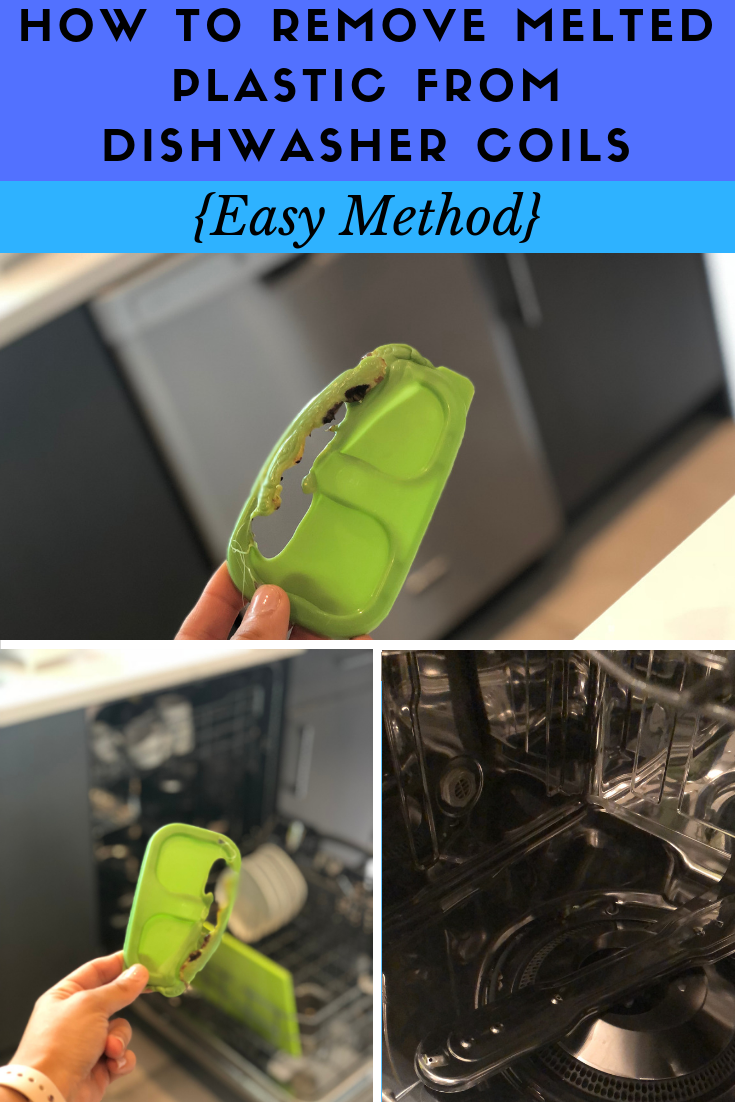
Plastic containers and utensils can easily warp or melt under the high heat of a dishwasher cycle. Many plastics are not designed to withstand the intense water temperature, especially during the drying phase. I once put a cheap plastic bowl in the dishwasher, and it came out misshapen and unusable—something you want to avoid.
To protect your items, check if they have a dishwasher-safe label. If you’re unsure, hand washing is the safer choice. Think about how often you want to replace that plastic item versus the time you save by using the dishwasher.
Chemical Leaching
Some plastics release harmful chemicals when heated. These chemicals can contaminate your dishes and pose health risks over time. Bisphenol A (BPA), found in certain plastics, is one example that may leach out during dishwashing.
Choosing BPA-free plastics or switching to materials like glass or stainless steel can reduce these risks. Have you ever wondered what exactly gets into your food from those old plastic containers? It’s worth considering for your family’s safety.
Best Practices For Washing Plastic
Washing plastic in the dishwasher requires some care to keep your items safe and clean. Not all plastics are dishwasher-safe, and even those that are can suffer damage if washed incorrectly. Knowing how to load your dishwasher and which cycle to use can make a big difference in preserving your plasticware’s shape and appearance.
Loading Tips
Place plastic items on the top rack only. The bottom rack gets hotter and can cause plastic to melt or warp.
Ensure plastic pieces don’t nest inside each other. This helps water reach all surfaces for a thorough clean.
Avoid crowding the dishwasher. Overloading blocks water flow and can leave your plastic dirty.
Choosing The Right Cycle
Use a gentle or eco-friendly cycle when washing plastic. These cycles use lower temperatures and less intense water pressure.
Skip the heated dry option. Air drying is safer to prevent warping or melting of plastic items.
Look for dishwasher settings labeled for delicate or plastic items. They are designed to protect your plasticware better.
Credit: www.onesmileymonkey.com
Alternatives To Dishwasher Cleaning
Choosing alternatives to dishwasher cleaning offers control and care for plastic items. These methods help preserve the shape and safety of plastics that may not suit dishwasher cycles. Handwashing and safe use of cleaning agents can keep your kitchenware clean without damage.
Handwashing Techniques
Use warm water and mild dish soap to clean plastic items. Avoid very hot water to prevent warping. Gently scrub with a soft sponge or cloth to remove food residue. Rinse thoroughly to remove all soap. Dry with a clean towel or air dry to avoid water spots.
Using Cleaning Agents Safely
Choose non-abrasive, plastic-safe cleaning agents for washing. Avoid bleach or harsh chemicals that can degrade plastic. Check labels for suitability on plastic surfaces. Dilute concentrated cleaners properly to reduce risk. Use gloves to protect your skin during cleaning.
Maintaining Dishwasher Hygiene
Maintaining dishwasher hygiene is crucial for clean dishes and a healthy kitchen. Dirt, food bits, and grease can build up inside the machine. This buildup can cause bad smells and reduce cleaning power. Keeping your dishwasher clean protects your dishes and your family’s health.
Cleaning The Dishwasher
Regular cleaning of your dishwasher helps remove grime and bacteria. Run an empty cycle with dishwasher cleaner or white vinegar once a month. Wipe down the door edges and gasket with a damp cloth. Check and clean the filter to avoid clogs. Clean spray arms to keep water flowing freely.
Preventing Cross-contamination
Separate heavily soiled items from lightly soiled ones. Rinse off large food pieces before loading dishes. Use separate racks for plastics and metals to avoid damage. Avoid placing raw meat containers in the dishwasher. This stops germs from spreading to other dishes.

Credit: food52.com
Frequently Asked Questions
Can All Plastic Items Go In The Dishwasher?
Not all plastic items are dishwasher-safe. Check for a dishwasher-safe label before washing. High heat can warp or melt some plastics.
How To Identify Dishwasher-safe Plastic?
Look for a dishwasher-safe symbol on the bottom of plastic items. It usually looks like a plate or glass with water droplets or waves.
Will Dishwasher Damage Plastic Containers?
Dishwasher heat can warp or degrade plastic containers not designed for dishwashers. Use the top rack to reduce heat exposure and avoid damage.
Is It Safe To Wash Plastic Lids In The Dishwasher?
Most plastic lids are dishwasher-safe but check the label. Place them on the top rack to prevent warping from heat exposure.
Conclusion
Plastic items can go in the dishwasher, but check first. Use dishwasher-safe labels as a guide. Avoid high heat to stop warping or melting. Place plastic on the top rack for safety. Hand wash delicate plastics to keep them safe.
This keeps your dishes clean and lasts longer. Small care steps help protect your plastic items. Easy to follow and saves you money too. Remember these tips for safe, simple dishwashing.