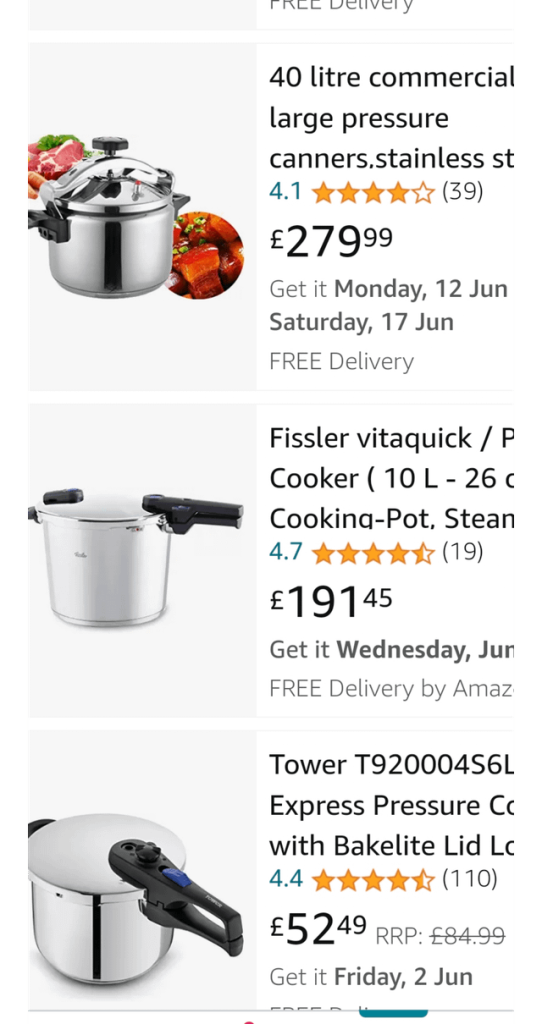
Are you wondering if your pressure cooker can double as a canning tool? Canning at home is a great way to preserve your favorite fruits, vegetables, and homemade sauces.
But using the right equipment is key to keeping your food safe and fresh. You’ll discover whether your pressure cooker is up to the task and what you need to know before you start. Keep reading to find out how to make the most of your kitchen tools and protect your family’s health with safe canning practices.
Pressure Cookers Vs Pressure Canners
Pressure cookers and pressure canners look similar but serve different purposes. Understanding their differences helps you use them safely.
This guide explains key differences in design, size, and pressure levels between the two appliances.
Design Differences
Pressure cookers are made for quick cooking of meals. Pressure canners are built for preserving food safely in jars.
- Pressure cookers have a simple lid locking system.
- Pressure canners have extra safety features for long processing times.
- Canners include a pressure gauge or weighted regulator for precise pressure control.
- Cookers often lack venting systems needed to release air from jars.
Capacity And Size
Capacity and size affect how many jars you can can at once and how much food you can cook.
| Appliance | Typical Size | Usual Capacity |
| Pressure Cooker | 4 to 8 quarts | 1 to 4 servings |
| Pressure Canner | 16 to 23 quarts | 7 to 9 quart jars |
Temperature And Pressure Levels
Pressure canners reach higher pressures and maintain steady temperatures for safe canning.
- Pressure cookers usually reach 10 to 15 psi (pounds per square inch).
- Pressure canners maintain 10 to 15 psi but for longer times.
- Canners hold steady heat to kill bacteria in sealed jars.
- Cookers are designed for shorter cooking times, not long heat exposure.
Types Of Canning Methods
Canning is a way to preserve food safely for a long time. There are different methods for canning. Each method suits certain types of food.
Choosing the right canning method helps keep food safe and tasty. The two main methods are water bath canning and pressure canning.
Water Bath Canning
Water bath canning uses boiling water to seal jars. This method works well for high-acid foods. Examples include fruits, pickles, and jams.
- Use a large pot with a rack at the bottom.
- Fill jars with food and leave headspace.
- Boil jars in water for the recommended time.
- Remove jars and let them cool slowly.
Pressure Canning
Pressure canning uses a special cooker that builds steam pressure. It reaches higher temperatures than boiling water. This kills bacteria in low-acid foods.
| Food Type | Recommended Method |
| Vegetables | Pressure Canning |
| Meat | Pressure Canning |
| Seafood | Pressure Canning |
| Fruits | Water Bath Canning |
| Pickles | Water Bath Canning |
When To Use Each Method
Use water bath canning for foods with high acid. Acid prevents harmful bacteria from growing. Use pressure canning for low-acid foods.
- Check the food acidity before canning.
- Use water bath canning for fruits, jams, and pickles.
- Use pressure canning for vegetables, meats, and seafood.
- Follow tested recipes for safe times and temperatures.
Safety Concerns With Pressure Cooker Canning
Pressure cookers can be tempting to use for canning food at home. They cook food quickly by using high pressure and steam. But not all pressure cookers are made for safe canning.
It is important to understand the safety risks before using a pressure cooker for canning. This guide explains some key safety concerns.
Risk Of Botulism
Botulism is a serious illness caused by bacteria that grow without oxygen. Low-acid foods like vegetables and meats are at risk if not canned properly.
Pressure cookers may not always reach the right temperature or pressure needed to kill these bacteria. This can make canned food unsafe to eat.
Seal And Pressure Reliability
The seal on a pressure cooker must be tight to keep steam inside. If the seal fails, the pressure will drop and the food may not be safely canned.
- Check the rubber gasket before each use for cracks or wear.
- Make sure the lid locks securely in place.
- Use a pressure gauge that reads accurately.
- Never use a cooker with a damaged vent or pressure release valve.
Equipment Limitations
Pressure cookers are not designed the same as pressure canners. They may have smaller size or lower pressure limits.
| Feature | Pressure Cooker | Pressure Canner |
|---|---|---|
| Size | Usually smaller | Larger capacity |
| Pressure Limit | Often lower | Higher pressure for safe canning |
| Pressure Gauge | May be less accurate | Calibrated for canning |
| Lid Lock | May not lock fully | Designed to lock tightly |

Credit: www.amazon.com
Essential Tips For Safe Canning
Using a pressure cooker for canning can be safe if you follow important rules. Safety is key to avoid food spoilage and illness.
These tips help keep your canned food safe. Always use the right tools and methods to protect your family.
Using Tested Recipes
Only use recipes tested for pressure cooker canning. These recipes have the right acidity and processing time.
Untested recipes can cause unsafe food. Follow instructions exactly to avoid risks.
Maintaining Proper Pressure
Keep the pressure cooker at the right pressure level during canning. Different foods need different pressures.
Use a reliable pressure gauge. Check it often and adjust heat to keep steady pressure.
- Low acid foods need 10 to 15 pounds of pressure
- High acid foods may use boiling water canning instead
- Never open the cooker before pressure drops to zero
Monitoring Processing Time
Process jars for the exact time the recipe says. Too short or too long can spoil food or ruin texture.
Use a timer and start counting when the pressure reaches the correct level. Do not guess or rush.
Checking Jar Seals
After canning, wait 12 to 24 hours before checking seals. Press the jar lids in the center.
If the lid does not pop back, the jar is sealed. If it moves, reprocess or refrigerate the food.
- Remove ring bands and test the lid seal
- Store sealed jars in a cool, dark place
- Discard jars with broken seals or bulging lids
Alternatives To Pressure Cooker Canning
Pressure cookers are popular kitchen tools, but they are not ideal for canning. Using the right equipment helps keep your food safe. There are good alternatives to pressure cooker canning to preserve your food.
These options include dedicated pressure canners, water bath methods, and buying commercially canned goods. Each choice fits different needs and food types.
Using A Dedicated Pressure Canner
A dedicated pressure canner is made for home canning. It has a large pot, a locking lid, and a pressure gauge. These features control pressure and temperature better than a regular pressure cooker.
Pressure canners safely process low-acid foods like meats and vegetables. They reach higher temperatures that kill bacteria. This prevents food spoilage and illness.
- Large size fits several jars at once
- Pressure gauge to monitor pressure
- Heavy lid locks tightly
- Meets USDA canning guidelines
Utilizing Water Bath Methods
The water bath method is best for high-acid foods like fruits, jams, and pickles. It uses boiling water to seal jars. This method is simple and uses basic kitchen equipment.
You only need a large pot with a rack to keep jars off the bottom. The boiling water heats the jars to kill molds and yeasts. This method does not work for low-acid foods.
- Safe for acidic foods only
- Uses boiling water to kill microbes
- Simple and affordable
- Requires careful timing for each recipe
Commercially Canned Options
Buying commercially canned foods is an easy way to enjoy preserved items. These foods are processed in factories with strict safety rules. They offer long shelf life and good quality.
Commercial cans come in many types and flavors. They save time and effort but may have added preservatives or salt. Always check labels for ingredients and nutrition.
- Wide variety of canned products
- Factory-processed for safety
- Convenient and ready to use
- May contain added ingredients

Credit: www.youtube.com

Credit: www.ebay.ca
Frequently Asked Questions
Can Pressure Cookers Be Used For Canning?
Pressure cookers can be used for canning, but not all models are suitable. It’s essential to use a pressure canner, which is specifically designed for safe canning. Regular pressure cookers may not reach or maintain the required pressure and temperature for safe preservation.
What’s The Difference Between Pressure Cookers And Canners?
Pressure cookers and canners differ in size and functionality. Pressure canners are larger and designed for canning, ensuring safety and effectiveness. They maintain consistent pressure and temperature required for canning. Pressure cookers are smaller, mainly for cooking, and may not meet canning safety standards.
Is Canning In Pressure Cookers Safe?
Canning in pressure cookers is not always safe. Only pressure canners meet the standards for safe food preservation. They ensure the right pressure and temperature to kill harmful bacteria. Using a regular pressure cooker for canning might not guarantee food safety, leading to risks.
How To Choose A Pressure Canner?
Choose a pressure canner by considering its capacity, material, and safety features. Ensure it meets safety standards for canning. Check for a reliable pressure gauge and sealing mechanism. Stainless steel models are durable, while aluminum ones are lightweight and affordable.
Conclusion
Pressure cookers can cook food fast but are not safe for canning. They do not keep a steady, high pressure needed to kill bacteria. True canning requires a special pressure canner made for that task. Using the wrong equipment risks food spoilage or illness.
Always follow trusted canning guides and use the right tools. Safe canning helps your food last longer and stay fresh. Keep safety as your top priority when preserving food at home.