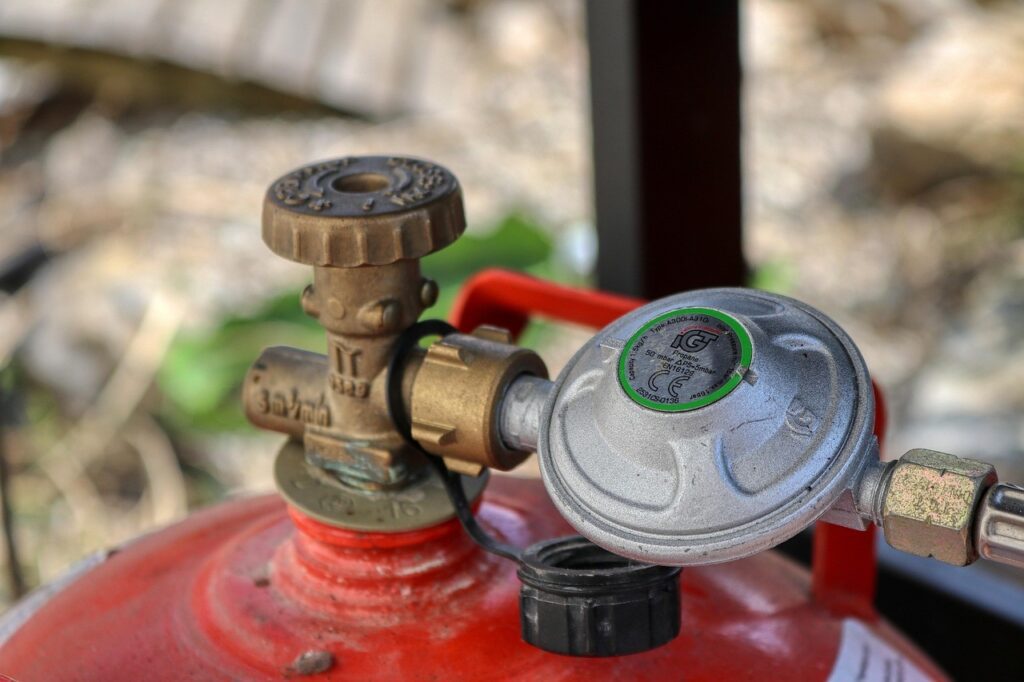
Have you ever found yourself shivering in the cold, wondering why your propane appliances aren’t working as they should? You might be dealing with a frozen propane regulator.
Understanding the ins and outs of propane systems can seem daunting, but it’s crucial for ensuring your safety and comfort. Imagine the frustration of planning a cozy evening by the fireplace or cooking a hearty meal, only to be thwarted by a seemingly invisible problem.
This article will unravel the mystery of whether propane regulators can freeze, why it happens, and most importantly, what you can do to prevent it. Stick around, and you’ll discover simple steps to keep your propane system running smoothly, even in the harshest weather. Your peace of mind is just a few scrolls away.

Credit: www.youtube.com
How Propane Regulators Work
Propane regulators control the flow of gas from the propane tank to your appliances. They keep the gas pressure at a safe, steady level. This helps your devices work properly and prevents accidents.
Understanding how these regulators work can help you spot issues like freezing. Regulators have simple parts that work together to manage gas flow and pressure.
Basic Components Of A Propane Regulator
- Inlet:Connects to the propane tank and receives gas.
- Diaphragm:A flexible membrane that senses pressure changes.
- Spring:Pushes against the diaphragm to control pressure.
- Valve:Opens or closes to regulate gas flow.
- Outlet:Sends the gas to your appliances at the right pressure.
How Pressure Is Regulated
Gas leaves the tank at high pressure. The diaphragm feels this pressure and moves accordingly. The spring balances this movement by pushing back.
If the pressure is too high, the valve closes a bit. This lowers the flow of gas and reduces pressure. If the pressure drops, the valve opens more to let more gas through.
Role Of Temperature In Regulator Function
Temperature changes affect propane pressure inside the tank. Cold weather can lower pressure and slow gas flow. The regulator adjusts to keep pressure steady.
Sometimes, moisture and cold air cause frost or ice on the regulator. This can block parts and stop it from working well.
Why Regulators Freeze
Propane regulators can freeze under certain conditions. Understanding why helps prevent issues and keep your system running smoothly. The main causes involve moisture, gas flow, and cold weather. Each factor plays a role in how ice forms on the regulator.
Moisture In The System
Water vapor can enter propane systems during refills or leaks. Inside the regulator, pressure drops cause this moisture to condense and freeze. Ice builds up and blocks the gas flow, leading to regulator freeze. Keeping the system dry reduces this risk.
High Gas Flow Rates
When gas moves quickly through the regulator, it cools rapidly. This sudden drop in temperature can cause any moisture to freeze. High gas demand, like running many appliances at once, increases this effect. Managing gas flow helps prevent freezing.
Cold Weather Conditions
Low outside temperatures make regulators more prone to freeze. Cold air combined with moisture and pressure changes creates ice on the regulator. Wind chill can make the problem worse. Insulating or shielding the regulator can protect it from cold.
Signs Of A Frozen Regulator
Knowing the signs of a frozen propane regulator can save you time and prevent safety hazards. If your propane appliance suddenly acts up during cold weather, the regulator could be the culprit. Recognizing these signs early helps you address the issue before it worsens or causes interruptions in your gas supply.
Reduced Gas Flow
You might notice your propane appliances aren’t getting enough fuel. Flames may burn weaker or fail to stay lit. This happens because ice blocks the regulator’s vent, restricting gas flow.
Have you ever tried cooking outdoors in freezing weather only to find the grill flame flickering? That’s often a sign your regulator is frozen and starving your appliance of gas.
Hissing Or Whistling Sounds
If you hear unusual sounds like hissing or whistling near your propane regulator, don’t ignore them. These noises can indicate ice buildup causing pressure imbalances inside the regulator.
Such sounds suggest the regulator is struggling to maintain proper gas pressure. It’s a warning that your regulator needs immediate attention before it stops working entirely.
Frost Or Ice Build-up
Visible frost or ice on the regulator is a clear sign of freezing. Ice forms when moisture in the air condenses and freezes around the regulator’s vent during cold, damp conditions.
Spotting ice on your regulator means gas flow is likely compromised. You should inspect and thaw it carefully to restore safe operation.

Credit: canadianforge.com
Risks Of Frozen Regulators
Frozen propane regulators bring several risks that affect your home’s safety and functionality. They can stop propane flow or cause irregular pressure. These problems lead to appliance issues and potential dangers. Understanding these risks helps in preventing damage and accidents.
Appliance Malfunction
Frozen regulators disrupt the steady flow of propane gas. Appliances may not light properly or could go out unexpectedly. This causes poor performance and increases fuel waste. Some devices may stop working until the regulator is thawed.
Safety Hazards
Ice buildup on regulators can create dangerous pressure changes. Gas leaks may occur if the regulator cracks or breaks. This raises the risk of fire or explosion. Frozen regulators also increase carbon monoxide risks from incomplete combustion.
Damage To Equipment
Freezing can cause internal parts of the regulator to crack. This leads to costly repairs or replacements. Continuous freezing damages connected pipes and appliances. Proper maintenance prevents damage and extends equipment life.
Preventing Regulator Freezing
Freezing propane regulators can cause serious disruptions and safety concerns for your propane system. Preventing this issue is essential, especially during cold weather. Taking proactive steps ensures your regulator works efficiently and safely, even in freezing conditions.
Proper Installation
How your propane regulator is installed directly affects its vulnerability to freezing. Make sure it’s mounted in a location shielded from wind and moisture, such as under a protective cover or near the house.
Positioning the regulator upright helps moisture drain away instead of pooling inside. Also, avoid tight spaces that trap cold air or limit airflow, as this can increase the risk of ice buildup.
Use Of Regulator Heaters
Regulator heaters are a simple yet effective solution to prevent freezing. These devices provide gentle warmth, keeping the regulator at a safe temperature.
Some heaters plug into standard outlets, while others are battery-operated, offering flexibility depending on your setup. Have you considered a heater if your regulator frequently freezes despite other precautions?
Regular Maintenance
Routine checks can catch potential problems before they turn into freezing issues. Inspect your regulator for signs of wear, cracks, or moisture buildup regularly.
Clean any debris around the regulator and replace worn parts promptly. This maintenance habit keeps your system reliable and reduces the chances of unexpected freezes.
Keeping Moisture Out
Moisture is the main culprit behind propane regulator freezing. Using moisture traps or filters can reduce water entering the system.
Ensure seals and connections are tight to prevent water from seeping in. Have you checked for leaks or condensation in your propane lines recently? Small leaks can cause big freezing problems.

Credit: www.amazon.com
What To Do If Your Regulator Freezes
Finding your propane regulator frozen can be frustrating and even risky. Knowing how to handle this situation quickly and safely ensures you get your system back up and running without damage or danger. Here’s what you should do if your regulator freezes.
Safe Thawing Methods
Never use open flames or extreme heat to thaw a frozen regulator. This can damage the regulator and create a fire hazard. Instead, try these safer options:
- Use warm water to gently melt the ice. Pour it slowly over the frozen parts without soaking the connections.
- Wrap the regulator with a warm, damp cloth and replace it as it cools down.
- Move the propane tank and regulator to a warmer area, if possible, to allow natural thawing.
Have you noticed your regulator icing up only during very cold nights? This is often caused by moisture in the propane system freezing. Keeping your tank and regulator dry can reduce the chance of freezing again.
When To Call A Professional
If thawing the regulator doesn’t restore proper function, or if you see damage or persistent leaks, it’s time to call a professional. Handling propane equipment requires special training and tools to ensure safety.
Also, if you’re unsure about your regulator’s condition or how to thaw it safely, don’t hesitate to get expert help. Your safety and the safety of those around you should always come first.
Frequently Asked Questions
Can Propane Regulators Freeze In Cold Weather?
Yes, propane regulators can freeze when moisture accumulates and temperatures drop. This blocks gas flow and affects appliance performance.
What Causes Propane Regulator Freezing?
Freezing occurs from moisture in propane or air mixing inside the regulator. Cold temperatures then turn this moisture into ice.
How To Prevent Propane Regulator Freezing?
Keep regulators dry, use propane with low moisture, and ensure proper ventilation to reduce freezing risks in cold conditions.
What Are Signs Of A Frozen Propane Regulator?
Signs include reduced gas flow, appliance malfunction, hissing sounds, or complete gas shutoff during cold weather.
Conclusion
Propane regulators can freeze in cold and damp conditions. This can stop your propane flow and cause problems. Keeping regulators dry helps prevent freezing. Using heat sources near the regulator can also keep it warm. Regular checks ensure your propane system works safely.
Stay aware of weather and take simple steps to protect your equipment. Avoiding frozen regulators means your propane appliances run smoothly all winter. Safe and steady propane use depends on good care and attention.