Imagine heading out for a winter camping trip, only to find your RV’s plumbing system damaged because the antifreeze froze. It’s not just a nightmare scenario; it’s an expensive one.
But can RV antifreeze actually freeze? This question might be lurking at the back of your mind, especially when temperatures plummet. Understanding the behavior of RV antifreeze in extreme cold is crucial for protecting your investment and ensuring your travel plans go off without a hitch.
You’re about to uncover the truth behind RV antifreeze and how to keep your vehicle safe during chilly adventures. Read on to find out if your antifreeze is up to the task or if there’s more you need to know.
Credit: blackhawkcreekrvpark.com
What Is Rv Antifreeze
RV antifreeze is a special liquid made to protect your recreational vehicle’s plumbing. It stops water inside pipes from freezing and causing damage. This type of antifreeze is different from car antifreeze. It is safe for plumbing systems and often non-toxic.
Using RV antifreeze is important in cold weather. It keeps the water lines from freezing and bursting. This helps avoid costly repairs and keeps your RV ready for use.
What Makes Rv Antifreeze Different?
RV antifreeze is usually made from propylene glycol. This ingredient is less harmful than the ethylene glycol found in car antifreeze. It is designed to be safe around humans and pets. This makes it ideal for RV plumbing systems.
Where Is Rv Antifreeze Used?
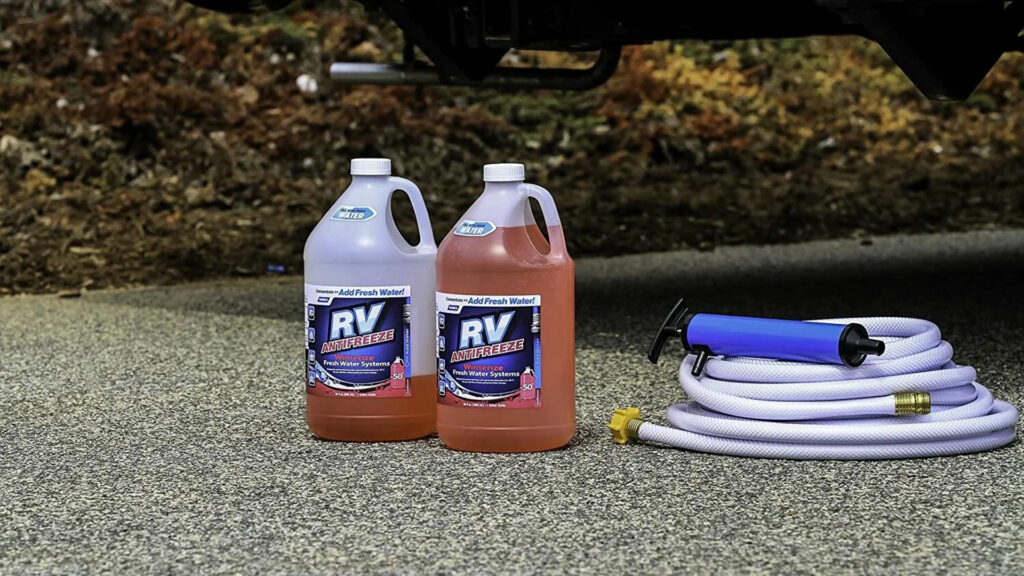
RV antifreeze is poured into the water system during winterizing. It fills the pipes, water pump, and holding tanks. This prevents any remaining water from freezing and expanding. It also protects the water heater and faucets.
Is Rv Antifreeze Harmful?
Most RV antifreeze is non-toxic and safe for the environment. It is not meant for drinking but is safer than automotive antifreeze. Still, it should be handled carefully and kept away from children and pets.
Freezing Point Of Rv Antifreeze
Understanding the freezing point of RV antifreeze is crucial for protecting your rig during cold weather. Not all antifreeze is created equal, and knowing the temperature at which it freezes can save you from costly repairs. Let’s dive into what affects the freezing point and how you can ensure your RV plumbing stays safe.
What Is The Typical Freezing Point Of Rv Antifreeze?
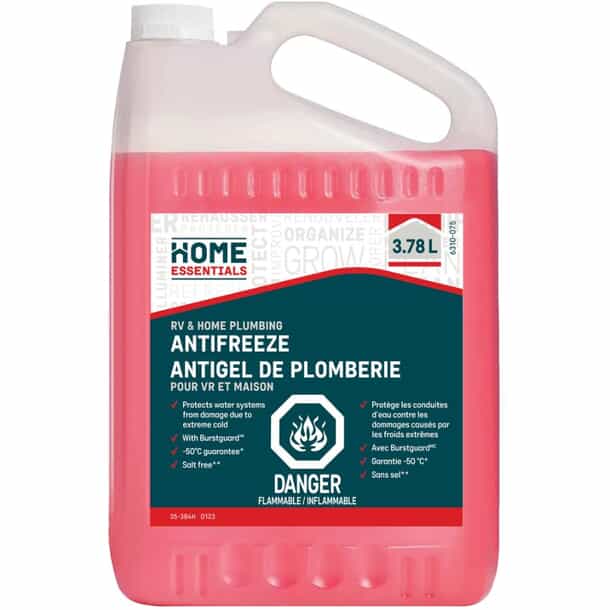
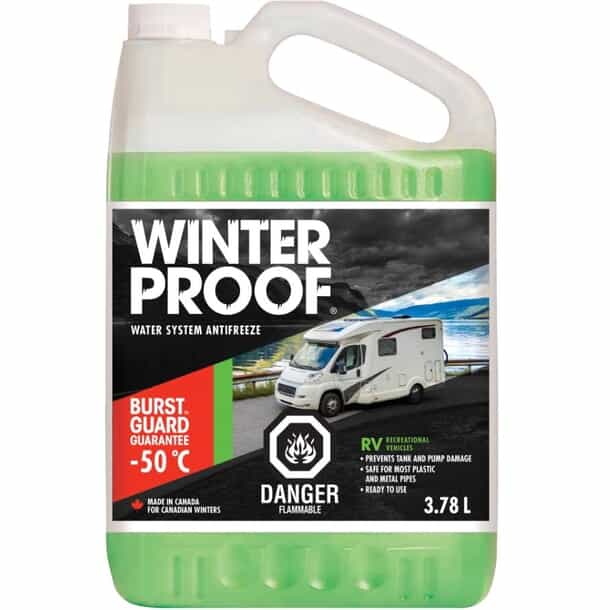
Most RV antifreeze is designed to withstand temperatures down to about -50°F (-45°C). This is much colder than the freezing point of water, which is 32°F (0°C), providing a solid safety margin. However, this freezing point can vary depending on the brand and type of antifreeze you use.
Have you ever wondered why some antifreeze bottles specify different temperature ratings? The concentration of the antifreeze solution plays a big role. A higher concentration usually means a lower freezing point, but too much can be toxic or damage your RV’s plumbing.
How Temperature Affects Rv Antifreeze Performance
Antifreeze doesn’t just prevent freezing; it also protects against corrosion and scaling inside your pipes. But if temperatures drop below the antifreeze’s rated freezing point, the fluid can start to freeze, expand, and cause cracks.
Imagine waking up to a burst pipe just because the antifreeze wasn’t strong enough. This risk highlights why you should always match your antifreeze’s freezing point to the lowest temperature you expect to encounter during storage or travel.
Signs Your Rv Antifreeze Might Freeze
You might notice the antifreeze becoming slushy or thicker if it’s nearing its freezing point. Another sign is reduced flow in your water lines or strange noises when you turn on faucets.
Have you checked your RV antifreeze consistency lately? Simple checks can alert you before serious damage happens. Regularly testing antifreeze with a hydrometer or antifreeze tester can save you headaches later on.
Types Of Rv Antifreeze
Choosing the right type of RV antifreeze is key to protecting your rig from freezing temperatures. Not all antifreeze is created equal, and understanding the main types can save you from costly damage. Let’s look at the two primary kinds you might encounter and what makes each one unique.
Propylene Glycol
Propylene glycol is the most common antifreeze for RVs. It’s non-toxic and safe for use in plumbing systems where potable water is present. This makes it a favorite among RV owners who want to avoid health risks.
It protects your pipes and tanks from freezing down to very low temperatures. Plus, it’s biodegradable, which means it’s better for the environment. Have you ever wondered why some RV antifreeze is pink? That’s usually propylene glycol with added dyes to prevent accidental ingestion.
Ethylene Glycol
Ethylene glycol is another type of antifreeze, often used in automotive applications. It’s very effective at lowering freezing points but is highly toxic. Because of this, it’s generally not recommended for RV water systems.
Using ethylene glycol in your RV can pose serious health risks if it leaks into your water supply. It’s also less environmentally friendly compared to propylene glycol. If you’re tempted to use it because it’s cheaper or easier to find, consider the potential hazards first.
Factors Affecting Freeze Protection
Freeze protection in RV antifreeze depends on several key factors. Understanding these helps keep your RV safe during cold weather. It ensures the antifreeze does not freeze and cause damage to the system. Let’s explore important elements that affect freeze protection.
Concentration Levels
The strength of antifreeze affects its freeze point. Antifreeze mixed with water lowers the freezing temperature. A higher concentration means better freeze protection. Most RV antifreeze is non-toxic and premixed for safety. Check the label for recommended mix ratios. Too little antifreeze can lead to freezing. Too much can cause overheating or damage. Proper concentration keeps the coolant flowing smoothly in cold weather.
Temperature Extremes
Extreme cold can test the limits of antifreeze protection. Temperatures well below freezing may require stronger antifreeze mixes. Sudden drops in temperature can cause stress on the RV’s plumbing. Continuous exposure to very low temperatures increases freeze risk. Antifreeze must be chosen based on expected climate conditions. Monitoring weather forecasts helps prepare your RV for harsh cold. Protecting your RV during winter prevents costly repairs later.
Signs Rv Antifreeze Has Frozen
Noticing if your RV antifreeze has frozen can save you from costly repairs and chilly nights. Frozen antifreeze loses its ability to protect your plumbing, which can lead to burst pipes and leaks. Recognizing the signs early helps you take quick action to protect your RV’s water system.
Physical Changes In The Antifreeze
If your RV antifreeze has frozen, it often becomes cloudy or slushy instead of its usual clear or brightly colored liquid state. You might also notice ice crystals forming inside the container or pipes.
Have you ever seen your antifreeze looking thicker or gel-like? That’s a clear red flag. It means the antifreeze isn’t flowing properly and can’t protect your RV’s plumbing from freezing temperatures.
Reduced Flow Or Blockages In Water Lines
When antifreeze freezes inside your RV’s water lines, it can cause blockages. You might experience little to no flow when you try to drain or flush your system.
Trying to run water and getting only a trickle—or nothing at all—could mean frozen antifreeze is blocking the pipes. This sign should prompt you to check your antifreeze before the pipes burst.
Unusual Odors Or Leaks
Frozen antifreeze can cause cracks in pipes or fittings, leading to leaks. If you smell a sweet, unusual odor inside your RV, it might be antifreeze leaking from a frozen and cracked pipe.
Noticing damp spots or puddles under your RV? That’s another sign the antifreeze has frozen, expanded, and damaged the plumbing. Ignoring these signs can turn a small issue into a major repair.
Temperature Drops Inside The Rv
If the temperature inside your RV drops significantly despite the heater running, frozen antifreeze could be the culprit. The heating system might struggle to circulate warm water through the pipes if antifreeze is frozen.
Have you ever felt cold spots near your plumbing areas? This could mean frozen antifreeze is blocking heat flow, signaling you to inspect your antifreeze levels and condition immediately.

Credit: www.amazon.ca
Risks Of Frozen Rv Antifreeze
Frozen RV antifreeze might sound unlikely, but it’s a real risk that can lead to serious problems. When antifreeze freezes inside your RV’s system, it loses its ability to protect your plumbing. This can leave you facing costly repairs and inconvenient downtime.
Damage To Plumbing
When antifreeze freezes, it expands. This expansion can crack pipes, fittings, and even water tanks inside your RV. I once ignored a warning and woke up to a burst pipe, which meant water damage and a tough repair job.
Damaged plumbing can cause leaks, reduce water pressure, and even lead to mold growth if left untreated. Don’t wait for signs of trouble—check your antifreeze regularly to avoid these headaches.
System Blockages
Frozen antifreeze can also block water flow in your RV’s plumbing system. This blockage prevents water from circulating properly, causing your faucets and toilets to stop working.
Think about the last time your sink clogged—now imagine that clog being caused by frozen antifreeze inside the pipes. It’s not just inconvenient; it’s a serious problem that can freeze your entire water system.
Have you ever considered what happens if your RV’s water system freezes during a trip? Staying ahead of this risk helps you keep everything flowing smoothly and avoid emergency fixes on the road.
Preventing Rv Antifreeze From Freezing
Preventing RV antifreeze from freezing is crucial to avoid costly damage to your plumbing system during cold weather. Antifreeze is designed to protect your RV’s pipes and fixtures, but if it freezes, it can expand and cause cracks or leaks. Understanding how to properly manage antifreeze helps keep your RV safe and functional throughout the winter months.
Proper Winterization
Winterizing your RV correctly ensures antifreeze stays effective. Start by flushing out all water from the system to prevent ice from forming inside the pipes. Then, add the recommended amount of RV antifreeze to the plumbing lines, making sure it reaches every faucet, toilet, and drain.
Don’t skip the water heater and holding tanks; antifreeze needs to protect these areas too. Using a hand pump or water pump to circulate antifreeze ensures full coverage. Have you ever thought about how missing just one valve could leave a spot vulnerable to freezing?
Storage Tips
Where and how you store your RV impacts antifreeze performance. Keep your RV in a sheltered location if possible, such as a garage or covered area, to reduce exposure to extreme cold. If indoor storage isn’t an option, use insulated skirting around the base of your RV to block cold winds.
Check antifreeze levels before storage and top off if needed. Also, avoid using automotive antifreeze, which can be harmful; always use non-toxic RV antifreeze. Have you checked the expiration date on your antifreeze lately? Old antifreeze may lose its protective qualities and freeze more easily.
Credit: www.homehardware.ca
Testing Rv Antifreeze Effectiveness
Testing your RV antifreeze is essential to ensure it can protect your plumbing system from freezing temperatures. Simply adding antifreeze isn’t enough; you need to verify its strength and freezing point to avoid costly damage. Let’s look at practical ways to test the effectiveness of your RV antifreeze.
Using A Hydrometer
A hydrometer measures the specific gravity of your antifreeze, helping you check its concentration. This tool is affordable and easy to use, giving instant feedback on whether your antifreeze is strong enough.
To test, fill a small container with antifreeze and gently lower the hydrometer into the liquid. Read the scale where the surface touches the hydrometer. If the reading is too low, it means the antifreeze is diluted and might freeze at higher temperatures.
Have you ever assumed your antifreeze was fine, only to face a frozen pipe? Using a hydrometer prevents that surprise and saves you from expensive repairs.
Temperature Testing
Temperature testing involves checking the actual freezing point of your antifreeze mixture. You can do this by placing a small sample in a freezer or using a specialized antifreeze tester.
Keep an eye on the sample as the temperature drops. If it solidifies before reaching the expected freeze point, your antifreeze isn’t offering sufficient protection. This simple test gives you peace of mind before winter hits.
Have you considered how cold your camping spots might get overnight? Testing the antifreeze temperature resistance ensures your RV plumbing stays safe no matter where you go.
Common Myths About Rv Antifreeze
RV antifreeze often gets misunderstood, leading to confusion about its capabilities and limitations. Many RV owners believe in myths that can cause improper use or even damage to their vehicles. Let’s clear up some of the most common misconceptions so you can protect your RV effectively.
Rv Antifreeze Is The Same As Car Antifreeze
This is a frequent mistake. RV antifreeze is non-toxic and designed specifically for plumbing systems. Car antifreeze contains harmful chemicals like ethylene glycol, which can poison your water system and is unsafe for consumption.
Using car antifreeze in your RV plumbing can lead to serious health risks and damage. Always check the label to ensure you’re using the right type for your RV.
Rv Antifreeze Can Prevent All Freezing
Many believe that once antifreeze is added, freezing is impossible. However, antifreeze lowers the freezing point but doesn’t make your pipes invincible. Extremely low temperatures can still cause damage if your RV is not properly winterized.
Think about your last winter trip—did you notice any cold spots or drafts? Those areas are most vulnerable despite antifreeze.
You Don’t Need To Flush Rv Antifreeze Before Use
Some owners assume that antifreeze can stay in the plumbing all season. In reality, RV antifreeze is meant for winterizing, not for drinking or regular use. You must flush it out thoroughly before using your water system again to avoid a bad taste or health issues.
Have you ever tasted antifreeze by accident? It’s unpleasant and avoidable with proper flushing.
One Type Of Rv Antifreeze Fits All Climates
Not all RV antifreeze is created equal. Some formulas are better suited for milder winters, while others protect against extreme cold. Choosing the wrong type could leave your RV vulnerable during harsh weather.
Ask yourself—how cold does it get where you usually park? Selecting antifreeze based on your climate is key to effective protection.
Antifreeze Alone Is Enough For Winter Protection
Antifreeze is just one part of winterizing your RV. Proper insulation, sealing leaks, and using heat sources are equally important. Relying solely on antifreeze might give you a false sense of security.
Have you checked for drafts or weak spots in your RV? Combining strategies offers the best defense against freezing damage.
Frequently Asked Questions
Can Rv Antifreeze Freeze In Extremely Cold Temperatures?
RV antifreeze is specially formulated to resist freezing down to very low temperatures. However, it can freeze if temperatures drop below its specified freeze point. Always check the product label for exact freezing temperature to ensure proper protection during extreme cold.
Is Non-toxic Rv Antifreeze Less Freeze-resistant?
Non-toxic RV antifreeze generally has a lower freeze point than automotive antifreeze. It is designed for safe use in potable water systems but may freeze at higher temperatures. Choose antifreeze based on your climate and freezing risk for optimal protection.
How To Prevent Rv Antifreeze From Freezing In Winter?
To prevent freezing, use the correct type and amount of RV antifreeze. Drain water lines fully before adding antifreeze. Store your RV in a heated area or use additional insulation during cold weather to maintain system temperature.
Does Rv Antifreeze Protect Plumbing From Freeze Damage?
Yes, RV antifreeze protects plumbing by lowering the freezing point of water inside pipes. This prevents ice formation and pipe bursts. Properly winterizing your RV with antifreeze is essential to avoid costly freeze damage.
Conclusion
RV antifreeze is designed to resist freezing in cold weather. It protects your pipes and tanks from damage. Still, very low temperatures may cause some types to freeze. Always choose the right antifreeze for your climate. Regularly check your RV’s winterization to stay safe.
Proper care helps you avoid costly repairs. Keep your RV ready for any cold season. Safe travels start with good preparation.