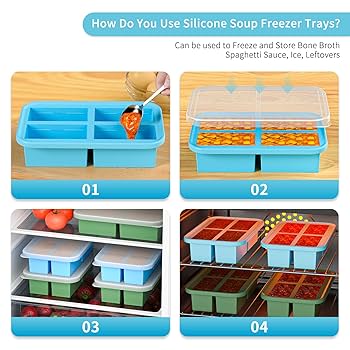
Have you ever wondered if silicone, a material you likely use daily, can actually freeze? You’re not alone.
Many people are curious about how this versatile material behaves under extreme conditions. Whether you’re thinking about storing silicone products in a cold environment or are just curious about its properties, understanding how silicone reacts to freezing temperatures can be incredibly useful.
We’ll unravel the mystery surrounding silicone and freezing temperatures, so you can make informed decisions about its use. Stick around to discover surprising facts that could change how you think about silicone forever.
What Is Silicone Made Of
Understanding what silicone is made of helps answer questions like, can silicone freeze? Silicone is a synthetic material with unique chemical components. Its structure influences how it reacts to temperature changes, including freezing conditions.
Silicone’s Basic Chemical Structure
Silicone is primarily made up of silicon, oxygen, carbon, and hydrogen atoms. The backbone consists of alternating silicon and oxygen atoms, which form a flexible chain. This chain is different from typical plastics, giving silicone its distinctive properties.
Think about how this structure makes silicone flexible and resistant to extreme temperatures. It’s why silicone can stay soft even in cold weather. Have you ever noticed how silicone kitchen tools don’t become brittle in the freezer?
Types Of Silicone Compounds
There are various types of silicone, depending on the side groups attached to the silicon-oxygen backbone. These include:
- Silicone oils – liquid form, used in lubricants and cosmetics.
- Silicone rubbers – flexible solids, common in baking molds and seals.
- Silicone resins – hard materials used in coatings and adhesives.
The type of silicone affects its freezing point and behavior in cold environments. This explains why some silicone products remain soft while others might feel firmer when chilled.
How Silicone’s Composition Affects Freezing
The flexible silicon-oxygen bonds in silicone don’t allow it to crystallize easily. This means silicone doesn’t freeze like water or metals. Instead, it gradually becomes firmer without turning into a solid ice-like state.
Have you ever stored a silicone spatula in the freezer and noticed it feels stiff but doesn’t crack? That’s because its chemical makeup prevents traditional freezing. This makes silicone perfect for applications needing durability in cold temperatures.

Credit: www.amazon.com
Freezing Point Of Silicone
Understanding the freezing point of silicone is key if you work with silicone products in cold environments. Silicone doesn’t behave like water or many other liquids when exposed to low temperatures. Knowing exactly how silicone reacts can help you avoid damage and maintain its performance.
What Is The Freezing Point Of Silicone?
Silicone materials don’t have a sharp freezing point like water. Instead, they gradually become more rigid as temperatures drop. Typically, silicone can remain flexible down to around -100°C (-148°F), depending on its formulation.
This means silicone doesn’t freeze in the traditional sense but rather transitions into a glass-like state. If you’ve ever used silicone seals or kitchen tools in the freezer, you might have noticed they get stiffer but don’t crack immediately.
Factors Affecting Silicone’s Freezing Behavior
- Type of Silicone:Different silicone rubbers or oils have varying freezing characteristics.
- Additives:Fillers or plasticizers in silicone can raise or lower its effective freezing temperature.
- Thickness:Thin silicone layers tend to cool and stiffen faster than thicker ones.
Have you considered how your silicone item’s design might affect its cold resistance? This could change how you store or use it in freezing conditions.
How Does Silicone Compare To Other Materials?
| Material | Freezing Point | Behavior at Low Temperatures |
|---|---|---|
| Water | 0°C (32°F) | Solidifies into ice, becomes brittle |
| Silicone | ~ -100°C (-148°F) or lower | Stiffens gradually, remains flexible |
| Rubber | Varies, often around -50°C (-58°F) | Becomes brittle and cracks easily |
This table shows why silicone is preferred for cold weather applications over traditional rubber. Does your current material choice meet your cold temperature needs?
How Silicone Reacts To Cold
Understanding how silicone reacts to cold helps you decide whether it’s suitable for your needs, especially in chilly environments. Silicone’s behavior under freezing conditions can surprise many, affecting its texture and overall performance.
Changes In Texture And Flexibility
Silicone doesn’t actually freeze like water does, but extreme cold makes it stiffer and less flexible. You might notice your silicone kitchen utensils becoming harder to bend or your silicone phone case feeling rigid after being in the freezer.
This happens because low temperatures slow down the movement of silicone’s polymer chains. They don’t stop moving entirely, but the material becomes less elastic. Have you ever tried flexing a silicone item straight out of the cold? It can feel almost brittle, though it usually returns to normal once warmed.
Effect On Silicone Products
Cold temperatures rarely damage silicone permanently, which is why it’s popular in outdoor gear and medical tools. However, repeated exposure to freezing and thawing cycles might cause tiny cracks or reduce lifespan over time.
Think about your silicone ice cube trays or baking mats. They handle freezing and heating well, but constant extreme cold might eventually affect their smooth surface or flexibility. If you rely on silicone products in cold climates, consider how often you expose them to such conditions and whether you need to replace them more frequently.
Silicone Vs Other Materials In Cold
Silicone performs differently in cold temperatures compared to other materials. Understanding these differences helps in choosing the right material for cold environments. Silicone remains flexible and durable even at low temperatures. Other materials may become brittle or lose their shape. This section compares silicone with rubber and plastic.
Comparison With Rubber
Rubber tends to harden and crack in freezing temperatures. Silicone stays soft and pliable without breaking. Rubber’s performance drops below freezing point, causing stiffness. Silicone can handle temperatures as low as -60°C (-76°F) without damage. Rubber has a narrower temperature range than silicone. Silicone’s resistance to cold makes it ideal for outdoor use. Rubber may lose elasticity and become brittle in the cold.
Comparison With Plastic
Plastic often becomes rigid and can snap in cold weather. Silicone maintains flexibility and resists cracking. Many plastics shrink or warp when exposed to freezing temperatures. Silicone’s structure prevents such changes even in extreme cold. Plastic can become fragile and lose strength when cold. Silicone holds its shape and function better than plastic. This makes silicone a better choice for cold storage or outdoor gear.
Common Myths About Silicone And Freezing
There’s a lot of confusion about how silicone behaves in freezing temperatures. You might have heard that silicone can crack, become brittle, or lose its flexibility when frozen. Let’s clear up these common myths and give you straightforward facts about silicone and freezing.
Does Silicone Become Brittle When Frozen?
Many believe silicone turns hard and breaks easily in the freezer. Actually, silicone remains flexible even at very low temperatures. I once froze silicone baking molds overnight, and they came out intact without any cracks or stiffness.
Silicone’s molecular structure allows it to stay soft and elastic well below freezing point. So, you don’t need to worry about brittleness when you put silicone products in the freezer.
Can Silicone Absorb Water And Freeze Inside?
Some people think silicone soaks up water, which then freezes and damages it. Silicone is naturally water-resistant and does not absorb moisture. This means there’s no water trapped inside to freeze and cause harm.
If your silicone item feels damp, it’s usually water on the surface, not inside the material. Simply drying it off will keep it safe for freezing.
Will Freezing Affect Silicone’s Longevity?
Freezing won’t shorten the lifespan of silicone products. If anything, silicone is durable against temperature changes compared to many plastics and rubbers. I’ve used frozen silicone ice cube trays for years, and they show no signs of wear from the cold.
Repeated freezing and thawing cycles don’t degrade silicone’s quality. So, you can confidently store silicone items in your freezer without worrying about damage over time.
Is Silicone Safe To Use After Being Frozen?
Yes, silicone remains safe and functional after freezing. It won’t leach chemicals or lose its food-safe properties. Many silicone kitchen tools are designed to handle freezing, cooking, and everything in between.
Have you ever frozen silicone popsicle molds or baby food containers? Those are perfect examples showing silicone’s safety and resilience in freezing conditions.

Credit: www.amazon.com
Practical Uses Of Silicone In Cold Environments
Silicone remains flexible and durable in cold environments, making it ideal for many uses. It does not freeze like water or some plastics. This unique feature allows silicone to perform well in low temperatures. Various industries use silicone products that must stay reliable even when cold. Understanding these practical uses shows why silicone is a popular material.
Medical Applications
Silicone is common in medical tools and devices. It keeps its softness and shape in cold storage or during transport. This helps protect sensitive instruments and implants. Silicone seals and gaskets in medical machines prevent leaks at low temperatures. It also works well in prosthetics, which need flexibility in all weather. Doctors trust silicone for safety and comfort in cold settings.
Kitchen And Household Uses
Silicone kitchen tools handle cold better than many materials. Ice cube trays, baking mats, and spatulas remain flexible in the freezer. They do not crack or become brittle. Silicone lids and seals keep food fresh by fitting tightly on containers. Outdoor household products, like weatherproof seals, resist freezing and cracking. Silicone’s durability in cold protects items and lasts longer.
Tips To Protect Silicone In Freezing Conditions
Protecting silicone in freezing conditions can be straightforward if you know what to watch for. Silicone is generally flexible and durable, but extreme cold can affect its performance over time. Paying attention to a few key tips will help keep your silicone items safe and functional during winter or in cold storage.
Store Silicone Items Properly
Keep your silicone products in a dry, insulated place away from direct contact with ice or snow. Avoid placing them directly on cold metal surfaces, which can cause rapid temperature changes and stress the material.
Using soft cloth bags or padded containers adds an extra layer of protection. Have you noticed how your silicone spatula feels stiffer after sitting on a cold countertop? That’s a sign it needs better storage.
Allow Silicone To Warm Gradually
Sudden temperature shifts can damage silicone. Let your silicone items come to room temperature slowly after being in the freezer.
For example, if you take a silicone baking mold from the freezer, avoid rinsing it immediately with hot water. Instead, let it sit for 20-30 minutes to warm up naturally.
Clean And Dry Thoroughly Before Freezing
Water trapped on silicone surfaces can freeze and cause stress. Always clean and dry your silicone items completely before freezing or exposing them to cold.
Think about your silicone ice cube trays; if water remains on the edges, it can create cracks when frozen solid. Drying prevents this risk effectively.
Use Silicone With Appropriate Thickness
Thicker silicone tends to handle freezing temperatures better than very thin sheets or films. Choose silicone products designed for cold use, especially if you plan to freeze or store them outdoors.
Next time you buy silicone gloves or mats, check their thickness and product specifications for cold resistance. This simple step can save you from unwanted damage.
Inspect Silicone Regularly For Signs Of Wear
Check your silicone items for cracks, brittleness, or discoloration after exposure to freezing conditions. Early detection helps you decide if an item needs replacement before it fails completely.
Have you ever found a cracked silicone lid after a cold winter? That’s why regular inspection is crucial to maintain safety and usability.

Credit: www.amazon.ca
Frequently Asked Questions
Can Silicone Freeze In Cold Temperatures?
Silicone has a very low freezing point and remains flexible even in extreme cold. It does not freeze like water. Instead, it becomes more rigid but retains its properties, making it ideal for cold environments.
Does Freezing Damage Silicone Products?
Freezing generally does not damage silicone. Its molecular structure is stable under cold conditions. Silicone products can withstand freezing without cracking or losing functionality.
How Cold Can Silicone Withstand Before Freezing?
Silicone can withstand temperatures as low as -100°C (-148°F) without freezing. This makes it suitable for various industrial and household applications in freezing conditions.
Is Silicone Safe For Freezer Use?
Yes, silicone is safe for freezer use. It resists cracking and remains flexible. Many kitchen tools and containers made of silicone are freezer-friendly.
Conclusion
Silicone stays flexible even in freezing temperatures. It does not become hard or brittle like some materials. This makes silicone ideal for cold weather use. You can trust silicone products to work well in the cold. Remember, freezing does not damage silicone’s structure or performance.
So, silicone is a reliable choice for cold environments. It handles the freeze without losing its shape or strength. This helps you use silicone safely, even in winter. Silicone’s freeze resistance adds to its many useful qualities.