Have you ever wondered if your beloved succulents can handle the cold snap outside? You might be surprised to learn that freezing temperatures can seriously harm these hardy-looking plants.
If you want to protect your succulents and keep them thriving through winter, understanding how they respond to frost is key. Keep reading to discover what happens to succulents in the cold and how you can help them survive when temperatures drop below freezing.
Your plants will thank you!
Succulent Basics
Succulents are popular plants known for their unique ability to store water. Their thick, fleshy leaves and stems help them survive in dry climates. Understanding succulent basics helps in caring for them better, especially in cold weather. Knowing what succulents are and common types can guide you in protecting them from freezing temperatures.
What Are Succulents?
Succulents are plants with thick, swollen parts. These parts store water to keep the plant alive during droughts. They have adapted to survive in harsh environments with little water. Succulents can grow indoors or outdoors. Their water storage makes them drought-resistant but sensitive to cold.
Common Types Of Succulents
- Aloe Vera – Known for its medicinal properties and thick, spiky leaves.
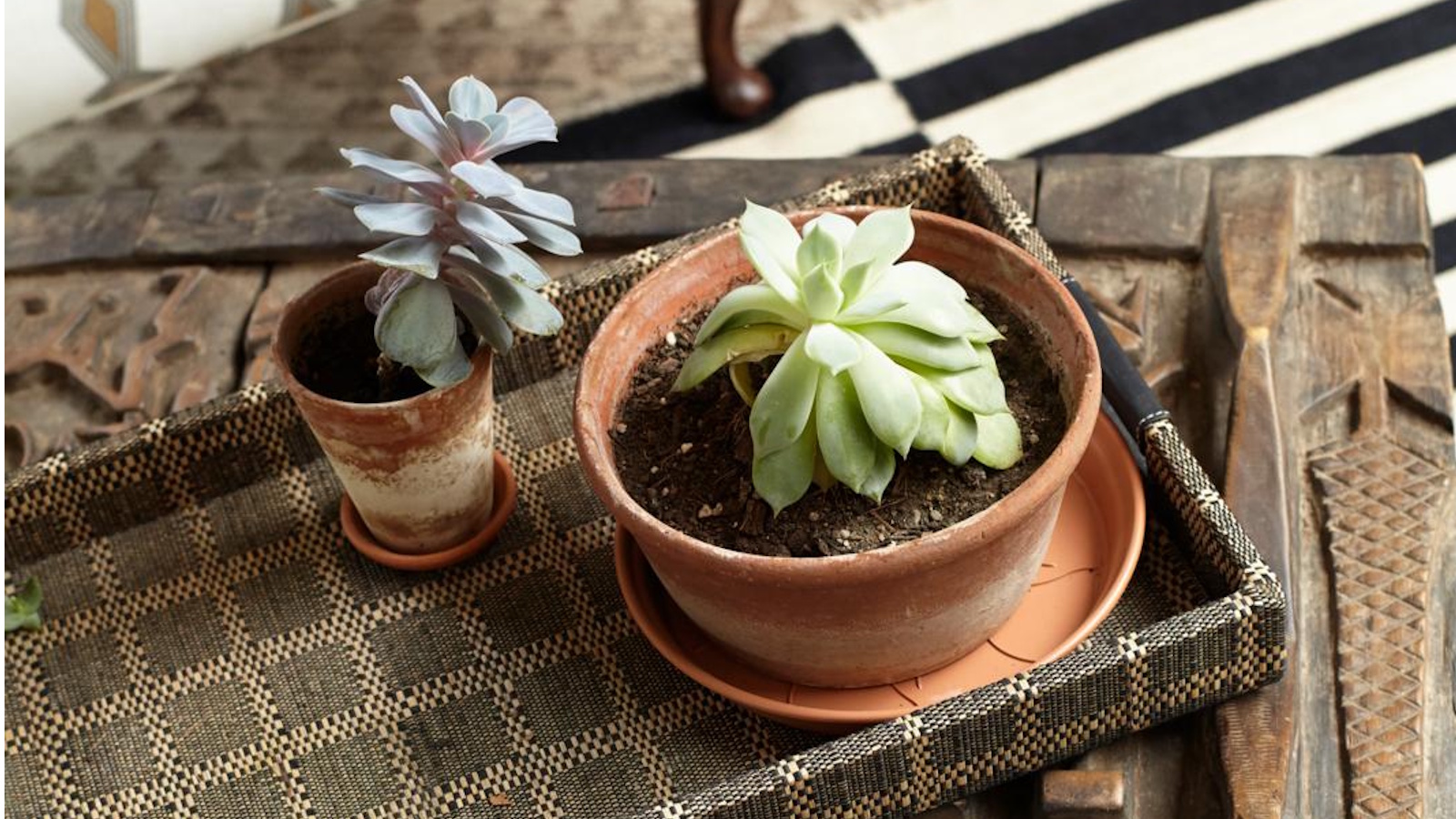
- Echeveria – Rosette-shaped leaves, often colorful and smooth.
- Jade Plant – Small tree-like with thick, oval leaves.
- Haworthia – Small rosettes with striped or spotted leaves.
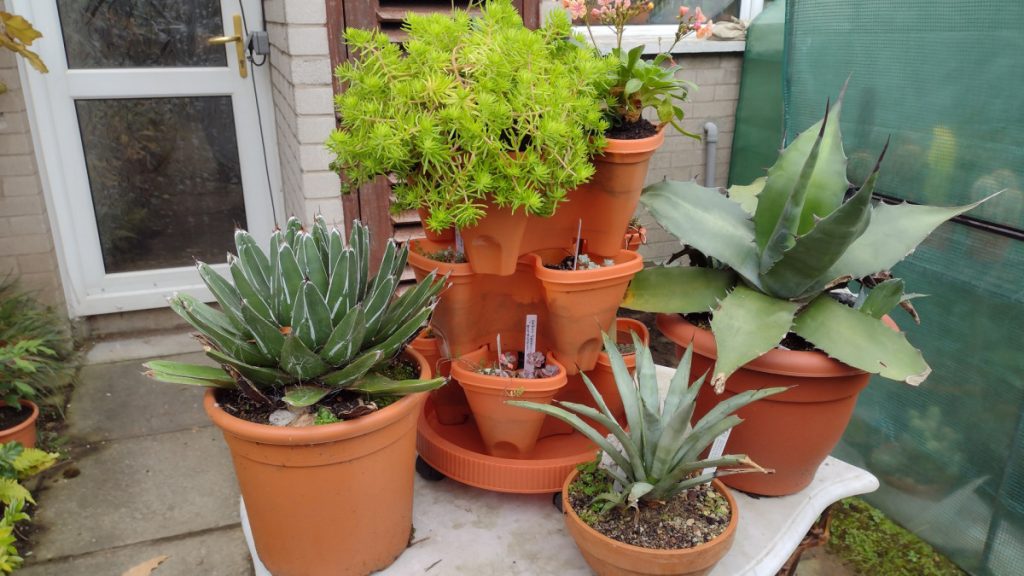
- Agave – Large, spiky leaves that form a rosette.
Credit: www.homesandgardens.com
Impact Of Freezing Temperatures
Freezing temperatures can have a serious impact on succulents, which are typically known for thriving in warm, dry environments. Understanding how cold affects these plants helps you better protect your collection. Let’s dive into what happens to succulents when the mercury drops below freezing.
How Cold Affects Succulents
Succulents store water in their thick leaves, stems, or roots. When temperatures fall below freezing, this stored water can freeze and expand, causing cells to rupture. This damage disrupts the plant’s ability to function and can lead to permanent harm.
Cold slows down the plant’s metabolism and halts growth. Some succulents enter a state of dormancy, but not all can survive extended exposure to freezing. You may notice discoloration or soft spots as the cold damages the tissue.
Have you ever left a succulent outside on a chilly night and noticed it looking “mushy” the next day? That’s a clear sign the cold has started to break down the plant’s structure.
Signs Of Frost Damage
- Blackened or translucent leaves:These indicate cell death caused by ice formation inside the plant.
- Soft, water-soaked patches:These areas feel mushy and may ooze liquid, showing tissue breakdown.
- Wrinkling or shriveling:Loss of water control due to damaged cells often causes this.
- Leaf drop:Severely affected leaves may fall off as the plant tries to conserve energy.
Recognizing these signs early can save your succulents. You might be able to prune damaged parts and improve conditions to encourage recovery. What steps will you take to protect your plants when a cold snap is forecasted?
Cold-hardy Succulent Varieties
Cold-hardy succulent varieties offer a surprising twist to what many think about succulents. Not all succulents shiver and wilt under frost. Some can actually brave freezing temperatures and still thrive, making them perfect for gardeners who want winter interest without sacrificing low maintenance.
If you’ve ever lost a succulent to an unexpected frost, you know how frustrating it can be. But choosing the right varieties changes the game entirely. These succulents have evolved or been bred to withstand cold spells, so your garden can stay colorful and textured even when temperatures drop.
Succulents That Tolerate Frost
- Sempervivum (Hens and Chicks):These rosette-forming plants are practically frost-proof. They survive down to -30°F (-34°C) and often grow better with a cold winter dormancy.
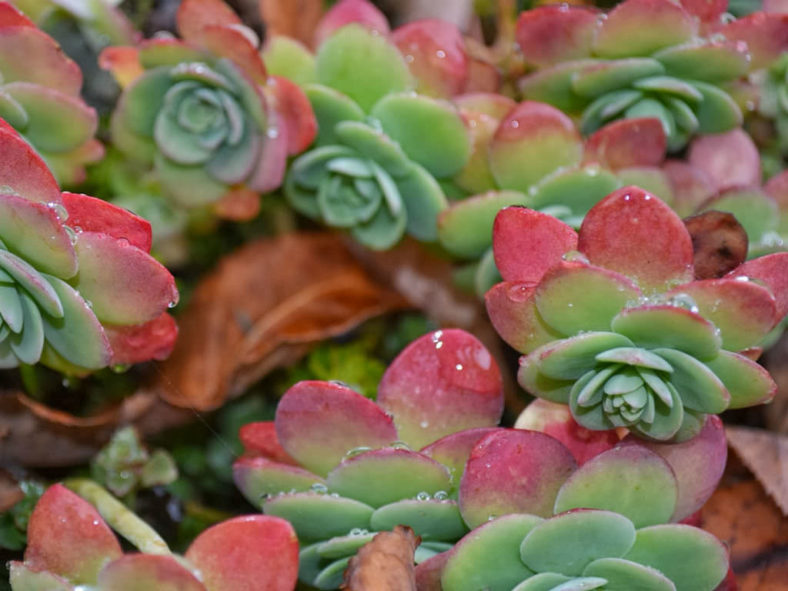
- Sedum (Stonecrop):Many Sedum varieties can handle frost well. Sedum spurium and Sedum acre are especially hardy and add vibrant greens and reds to your garden.
- Agave parryi:This compact agave tolerates cold temperatures as low as 10°F (-12°C). Its thick leaves store water and resist frost damage effectively.
- Delosperma (Ice Plant):Known for its bright flowers, some Delosperma species tolerate frost and even snow, making them great ground covers during winter.
Have you tried growing any of these in your garden? Noticing their resilience firsthand can inspire you to experiment with other cold-tolerant plants.
Best Choices For Winter Gardens
| Succulent | Cold Tolerance | Ideal Conditions | Why It’s Great for Winter |
|---|---|---|---|
| Sempervivum | Down to -30°F (-34°C) | Well-drained soil, full sun | Forms dense mats; colors intensify in cold |
| Sedum spurium | Down to -20°F (-29°C) | Sunny spots, dry soil | Spreads easily; adds ground cover with winter hues |
| Agave parryi | Down to 10°F (-12°C) | Rocky soil, full sun | Compact and sculptural; stores water to avoid freeze damage |
| Delosperma | Down to 0°F (-18°C) | Well-drained soil, sunny locations | Bright flowers bloom late into fall; tolerates cold snaps |
Choosing the right succulent for your winter garden means considering your local climate and soil type. Which of these would fit best into your outdoor space? Don’t be afraid to try a couple of varieties to see which thrive in your conditions.
Credit: worldofsucculents.com
Protecting Succulents From Frost
Succulents are tough plants but freezing temperatures can harm them. Protecting succulents from frost is essential to keep them healthy. Taking simple steps helps prevent frost damage and supports their survival.
Indoor Vs Outdoor Care
Indoor succulents stay warmer and safer from frost. Keep them near windows with sunlight. Avoid placing them close to cold drafts or heaters.
Outdoor succulents need extra care. Move potted plants to sheltered spots. Use greenhouses or cold frames for protection. If moving is impossible, focus on other frost protection methods.
Using Covers And Mulch
Covering succulents shields them from frost. Use materials like frost cloths, old sheets, or burlap. Avoid plastic directly on leaves to prevent freezing damage.
Mulch helps keep soil temperature steady. Apply a layer of straw, bark, or leaves around the base. Mulch also protects roots from cold stress.
Optimal Watering Practices
Water succulents correctly before cold nights. Moist soil holds heat better than dry soil. Water early in the day to allow absorption.
Avoid overwatering during winter. Wet soil and freezing temperatures can cause root rot. Reduce watering frequency and check soil moisture regularly.
Recovery After Freezing
After your succulent has faced freezing temperatures, recovery becomes a crucial phase. Understanding how to assess the damage and take immediate action can make the difference between saving your plant and losing it. Let’s look at how you can carefully check your plant’s condition and help it bounce back.
Assessing Damage
Start by examining the leaves and stems closely. Look for signs like blackened, mushy spots or translucent patches—these usually mean frost damage.
Gently touch the affected areas. If they feel soft or waterlogged, the cells inside have likely burst from freezing. Dry, shriveled parts are also a bad sign but might recover with care.
Don’t rush to prune immediately. Sometimes, damage becomes clearer after a few days as the plant shows how much it can heal on its own.
Reviving Frostbitten Plants
Place your succulent in a warm, bright spot, but avoid direct sunlight which can stress the plant further. Gradual warming helps cells repair without shock.
Water sparingly. Overwatering frozen or frostbitten succulents can cause root rot since their uptake is compromised. Instead, wait until the soil feels dry.
Remove only the fully dead parts after they turn brown and dry. Cutting too early can harm tissues that might still recover.
Consider using a diluted fertilizer after a couple of weeks to support new growth. Have you noticed how some succulents bounce back stronger after careful attention? Your patience can pay off.
Preventive Strategies For Cold Climates
Succulents face serious risks in cold climates due to freezing temperatures. Protecting these plants requires smart preventive strategies. Planning and care help succulents survive winter’s harsh conditions. Preparing early ensures plants stay healthy and vibrant.
Selecting Plant Locations
Choose spots that receive plenty of sunlight during winter. South-facing walls or areas near heat sources are ideal. Avoid low-lying places where cold air collects. Planting near buildings can offer extra warmth and shelter. Well-drained soil prevents water from freezing around roots.
Seasonal Maintenance Tips
- Reduce watering in cold months to prevent root rot.
- Remove dead leaves to avoid mold and pests.
- Cover plants with frost cloths or blankets at night.
- Use mulch or gravel to insulate soil and roots.
- Bring potted succulents indoors or into greenhouses.
- Check plants daily for signs of frost damage.

Credit: planterhoma.com
Frequently Asked Questions
Can Succulents Survive Freezing Temperatures Outdoors?
Most succulents cannot tolerate freezing temperatures outdoors. Frost damages their cells, causing them to wilt or die. Some hardy varieties may survive brief freezes with protection. Always check specific succulent species for cold tolerance before leaving them outside in freezing weather.
How To Protect Succulents From Freezing Cold?
Cover succulents with frost cloths or blankets during cold nights. Move potted succulents indoors or to a greenhouse. Avoid watering before frost as wet soil freezes faster. These steps help reduce freeze damage and improve succulent survival in cold climates.
Which Succulents Tolerate Freezing Temperatures Best?
Cold-hardy succulents like Sempervivum, Sedum, and some Agave species survive light freezes. These varieties have adapted to colder climates and can endure short frost periods. However, prolonged freezing still risks damage, so protection is advised even for hardy succulents.
What Are Signs Of Frost Damage On Succulents?
Frost-damaged succulents show blackened or translucent leaves, soft spots, and shriveled stems. These symptoms indicate cell rupture from ice formation. Early detection helps in pruning damaged parts and protecting the plant to encourage recovery after a freeze.
Conclusion
Succulents can face challenges in freezing temperatures. They need protection from frost. You can bring them indoors during cold spells. Use frost cloths for outdoor plants. Consider placing them in sheltered areas. This helps reduce exposure to harsh weather. Some succulents are more cold-tolerant.
Research is key to understanding their needs. Proper care ensures they thrive in colder months. Protecting them saves you time and effort. A little preparation goes a long way. By understanding their needs, you help them survive winter. Keep your succulents healthy and happy all year round.