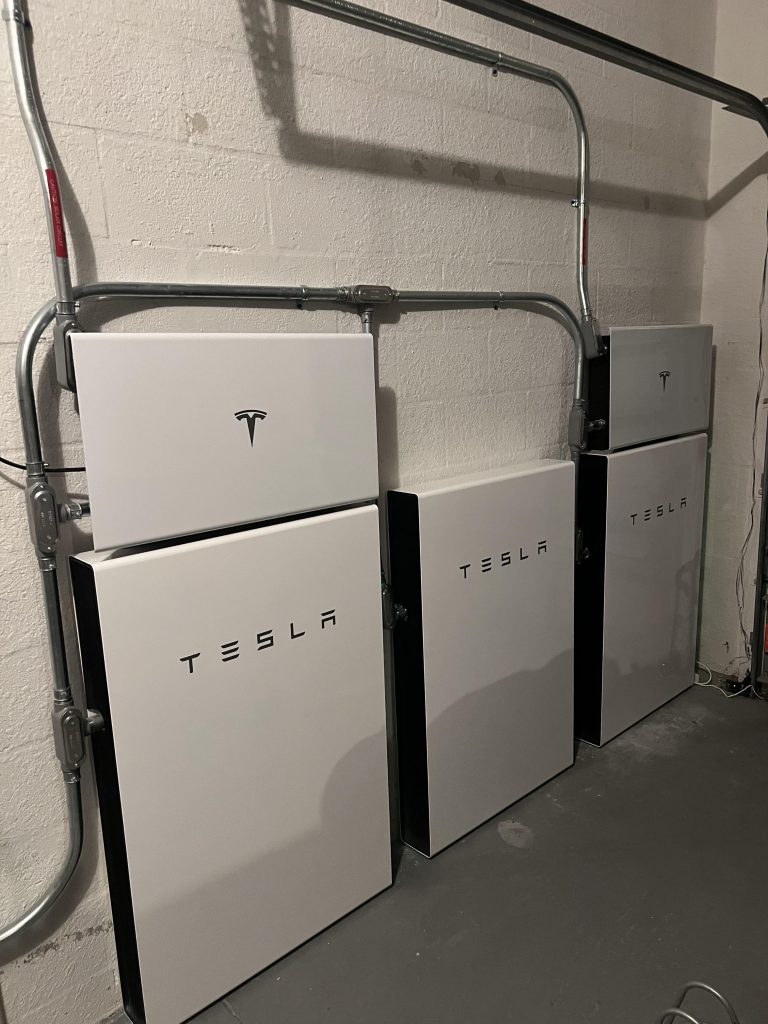
Are you thinking about adding a Tesla Powerwall to your home but wondering if it can be installed outside? You’re not alone.
Many homeowners want to know if placing this powerful battery outdoors is safe, practical, and efficient. Imagine having clean energy stored right outside your door, ready to power your home during outages or peak hours. But before you take the next step, it’s important to understand how the Powerwall handles weather, where it should be placed, and what you need to consider for a smooth installation.
Keep reading to discover everything you need to know about installing a Tesla Powerwall outside and make the best choice for your energy needs.
Credit: www.solarquotes.com.au
Tesla Powerwall Basics
The Tesla Powerwall is a popular home battery designed to store energy for backup power, self-consumption of solar energy, and load shifting. Understanding its basics helps you decide how it fits into your energy setup. Before diving into installation questions, it’s important to know what makes the Powerwall unique and how it works in different environments.
Key Features
- Capacity:Each Powerwall stores 13.5 kWh of usable energy, enough to power essential appliances during outages.
- Scalability:You can link up to 10 Powerwalls together, allowing you to expand your storage as your needs grow.
- Smart Energy Management:The Powerwall automatically manages energy flow to maximize solar use and reduce grid reliance.
- Backup Power:It switches on seamlessly during power outages, keeping your home powered without interruption.
- Compact Design:The sleek, wall-mounted unit fits into various spaces without being intrusive.
These features make the Powerwall a flexible option for many homeowners looking to increase energy independence.
Indoor Vs Outdoor Use
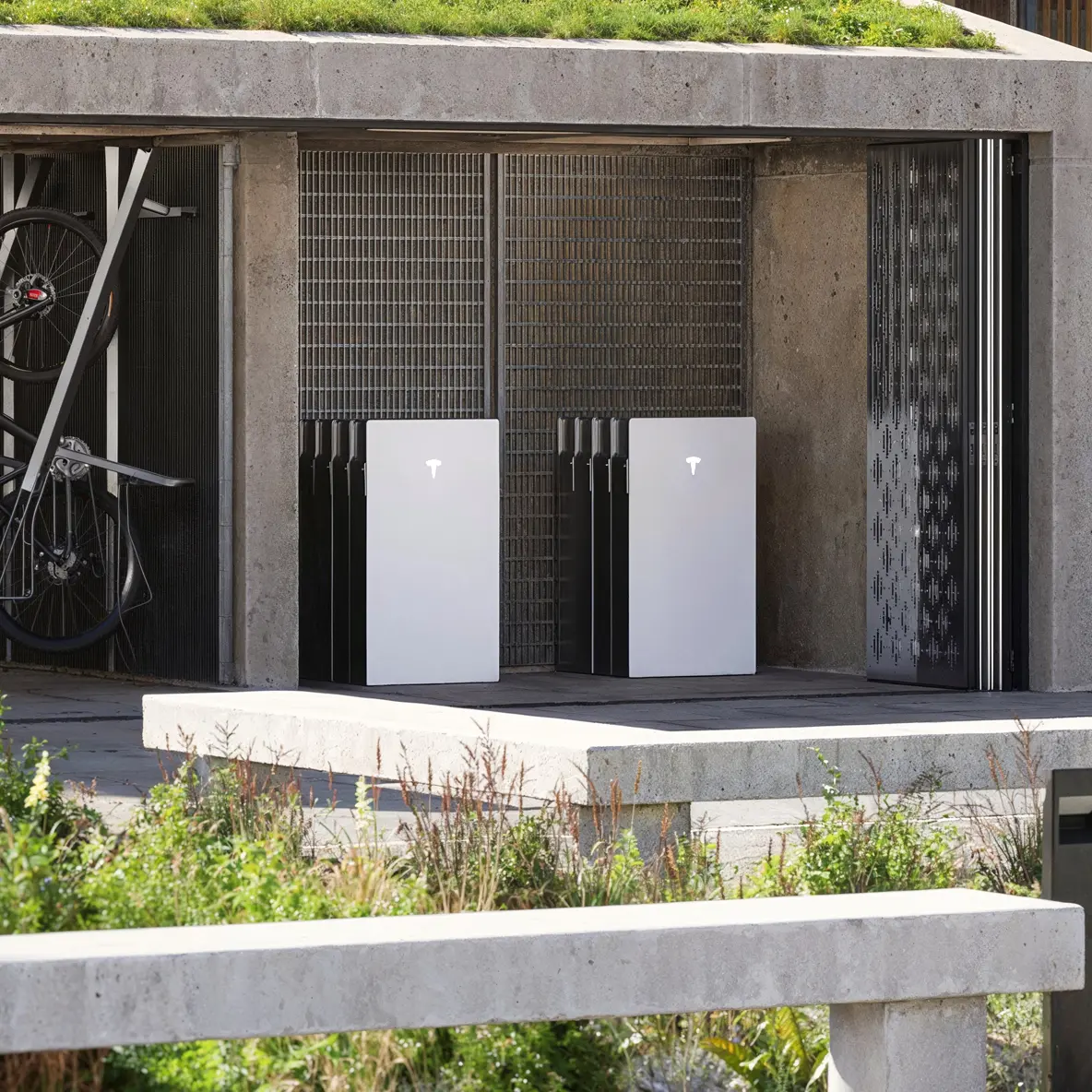
You might wonder if the Powerwall needs to be installed inside your home or if it can handle outdoor conditions. Tesla designs the Powerwall to be weather-resistant and durable enough for outdoor installation.
Outdoor installation offers practical benefits such as:
- Saving indoor space
- Reducing noise inside the home
- Allowing easier access for maintenance
However, it’s crucial to install the Powerwall in a shaded, well-ventilated spot away from direct water exposure, despite its weatherproof casing. Also, extreme temperatures—both hot and cold—can affect battery performance and lifespan.
Have you considered how your local climate might impact your Powerwall’s efficiency? Choosing the right location could improve your system’s overall reliability and safety.
Credit: www.greengenuk.com
Outdoor Installation Requirements
Installing a Tesla Powerwall outdoors is possible, but it requires careful attention to specific conditions to ensure safety and performance. Understanding the outdoor installation requirements can help you avoid costly mistakes and extend the lifespan of your system. Let’s dive into the key factors you need to consider for a successful outdoor setup.
Weather Resistance
The Tesla Powerwall is designed with a durable, weather-resistant enclosure that can handle rain, snow, and heat. However, extreme weather conditions like hailstorms or heavy dust might require additional protection. You should also check local climate patterns to decide if extra shielding, such as a protective awning, is necessary.
Keep in mind that direct exposure to UV rays over long periods can degrade the Powerwall’s outer shell. Placing it in a shaded spot can help maintain its appearance and functionality. Have you thought about how seasonal changes in your area might impact your Powerwall?
Mounting Options
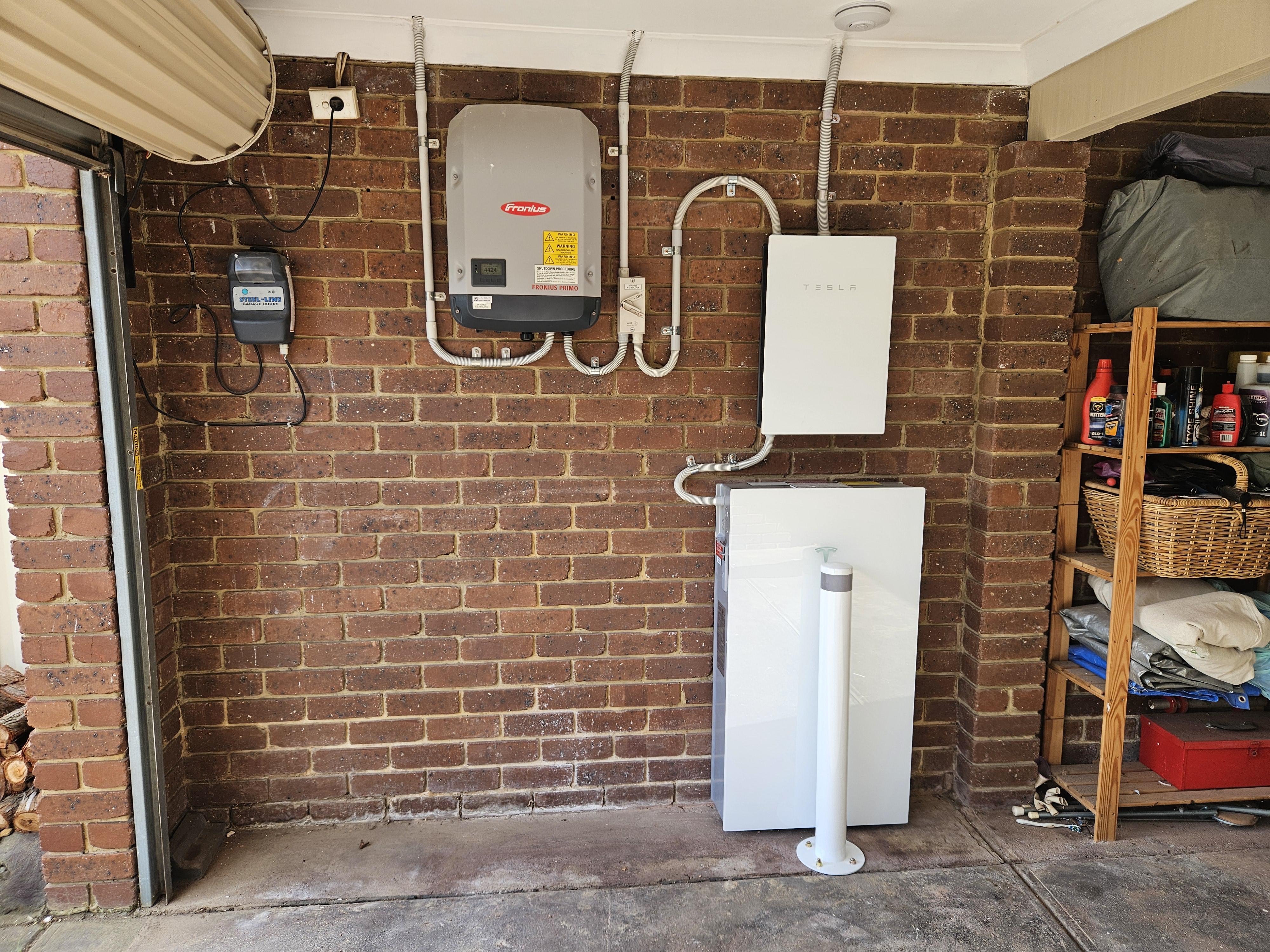
Tesla Powerwalls can be mounted on walls or placed on the ground using a special base. Outdoor wall mounting should be on a solid, flat surface like a concrete or brick wall. Using the proper mounting kit ensures the unit stays secure and level.
Ground mounting is suitable if wall space is limited, but the base must be sturdy and slightly elevated to avoid water pooling. You’ll want to avoid soft soil or uneven ground, which could cause instability or damage. Do you have a spot near your home’s main electrical panel for easier wiring?
Clearance And Accessibility
Allow enough space around the Powerwall for ventilation and maintenance access. Tesla recommends at least 6 inches of clearance on the sides and top. This space helps prevent overheating and makes it easier to inspect or service the unit.
Think about how you’ll access the Powerwall if you need to troubleshoot or clean it. Avoid placing it behind bushes or in tight corners. How easy will it be for a technician to reach your Powerwall when needed?
Site Preparation Tips
Preparing the site for your Tesla Powerwall installation outside is crucial to ensure optimal performance and longevity. Thoughtful preparation minimizes risks and maximizes efficiency. Let’s break down the essential tips to get your installation spot-ready.
Choosing The Right Location
Pick a spot that stays shaded during the hottest parts of the day. Excessive heat can reduce your Powerwall’s efficiency and shorten its lifespan. Also, consider easy access for maintenance without disrupting your daily routine.
Think about proximity to your main electrical panel. Closer placement means simpler wiring and potentially lower installation costs. Ask yourself: can you safely reach this location during bad weather?
Surface And Structural Needs
The surface beneath the Powerwall must be flat, stable, and strong enough to hold its weight—usually around 250 pounds. Concrete pads or sturdy wooden platforms work well. Uneven or weak surfaces risk damage to the unit or unsafe conditions.
Check for water drainage around the site to avoid standing water, which can harm the unit and its connections. Elevating the Powerwall slightly off the ground helps prevent moisture buildup. How does your chosen spot handle rain or snow runoff?
Safety Considerations
Ensure the location is clear of flammable materials and away from direct exposure to extreme elements like heavy wind or flooding. The Powerwall should be installed at a height that keeps it out of reach of children and pets for safety.
Local regulations may require a minimum distance from property lines or neighboring structures. Double-check these rules before finalizing your spot to avoid costly relocation later. Are you prepared to meet these safety and legal requirements?
Installation Process
Installing a Tesla Powerwall outside requires careful attention to detail and proper preparation. The installation process involves gathering the right tools, setting up the unit securely, and making precise electrical connections. Understanding these steps helps ensure your Powerwall works efficiently and safely in an outdoor setting.
Tools And Materials Needed
Before starting the installation, make sure you have the essential tools and materials ready. These include:
- Power drill and drill bits
- Socket wrench set
- Level tool to keep the Powerwall straight
- Mounting brackets and hardware provided by Tesla
- Conduit and wiring for electrical connections
- Safety gear such as gloves and safety glasses
Having everything at hand avoids interruptions and helps you stay focused on the setup.
Step-by-step Setup
Start by choosing a flat, sturdy wall or base that can support the Powerwall’s weight. Use the level tool to ensure your mounting surface is even.
Attach the mounting brackets securely to the wall using the power drill and bolts. Tesla’s installation guide provides specific measurements for accurate bracket placement.
Once brackets are mounted, carefully lift the Powerwall and hook it onto the brackets. Check again that the unit is level and firmly attached to prevent any movement.
Electrical Connections
Electrical wiring is critical and should meet local code requirements. Begin by turning off the main power supply to avoid accidents.
Connect the Powerwall to your home’s electrical system using the conduit and wiring specified by Tesla. This includes linking the battery to your inverter and breaker panel.
Double-check all connections are tight and insulated to prevent shorts or hazards. If you’re unsure about handling electrical work, consider hiring a certified electrician to ensure safety and compliance.
Permits And Regulations
Installing a Tesla Powerwall outdoors isn’t just about finding the right spot; you need to navigate permits and regulations carefully. These rules ensure your installation is safe, legal, and doesn’t cause issues down the line. Understanding the key requirements can save you time and avoid costly setbacks.
Local Code Compliance
Every area has its own building and electrical codes that you must follow when installing a Powerwall outside. These codes cover factors like mounting height, weatherproofing, and clearance from windows or doors. Checking with your local building department before installation can prevent surprises and ensure your setup meets all safety standards.
In some places, fire safety rules may require specific spacing or barriers around your Powerwall. Have you reached out to your local authorities to learn which codes apply to your property? Doing so helps you avoid fines and ensures your system is protected against environmental risks.
Inspection Requirements
After installation, many municipalities require an inspection to verify that your Powerwall complies with local codes and is safely connected. This inspection typically involves checking the electrical connections, mounting security, and overall compliance with fire and safety regulations.
Scheduling this inspection promptly is crucial to getting your system approved and operational. Think of it as a final checkpoint that guarantees your investment is safe and ready to power your home without issues.
Utility Company Coordination
Your utility company often plays a key role in the approval and connection process for your outdoor Powerwall. They may require permits or documentation showing that your installation meets grid interconnection standards. This step is vital to ensure your Powerwall can safely feed excess energy back to the grid if you have solar panels.
Have you contacted your utility provider to understand their specific requirements? Open communication with them can streamline the approval process and help you avoid delays or disconnects in service.
Maintenance And Care
Taking care of your Tesla Powerwall is crucial, especially if it’s installed outside. Proper maintenance ensures it runs smoothly and lasts longer. Neglecting simple checks can lead to unexpected issues that might cost you time and money.
Weatherproofing Checks
Even though Tesla Powerwalls are designed to withstand outdoor conditions, it’s smart to inspect the weatherproofing regularly. Check the seals and casing for any cracks or gaps that could let in moisture or dust. Small damages can let water seep in, potentially damaging the internal components.
After heavy rain or storms, look for signs of water pooling around the base. Is there any corrosion or discoloration on the unit’s surface? These could be early signs that your weatherproofing needs attention.
Cleaning And Upkeep
Keeping your Powerwall clean helps maintain its efficiency. Use a soft, damp cloth to wipe away dirt, leaves, or bird droppings that might accumulate on the surface. Avoid harsh chemicals or abrasive tools that can damage the protective layer.
Make cleaning part of your routine—perhaps once every few months. It’s surprising how much grime can build up and affect sensor performance or heat dissipation. Have you noticed how a clean device often works better?
Troubleshooting Common Issues
Sometimes, your Powerwall might show error messages or stop charging as expected. Start by checking the display panel for any alerts. Often, simple issues like a loose connection or a tripped breaker cause these problems.
If you experience frequent shutdowns or low power output, inspect the wiring and connections for any visible damage. You can also reset the system through the Tesla app, which solves many minor glitches. Don’t hesitate to contact Tesla support if the issue persists—quick action can prevent bigger problems down the line.
Benefits Of Outdoor Installation
Installing your Tesla Powerwall outside offers several advantages that can make your home energy system more efficient and user-friendly. Outdoor installation allows you to make better use of your available space, helps keep the system cooler, and can even improve safety around your home. Understanding these benefits can help you decide the best spot for your Powerwall.
Space Optimization
Placing the Powerwall outside frees up valuable indoor space, especially in smaller homes or apartments where every square foot counts. You can avoid cluttering your garage or utility room with bulky equipment.
Think about your living areas and how much more open and comfortable they’ll feel without the Powerwall taking up room. Plus, outdoor walls often provide convenient mounting options that keep the unit out of the way but still accessible.
Improved Cooling
The Tesla Powerwall generates heat during operation, and outdoor installation allows natural airflow to help keep it cool. Indoor spaces can sometimes trap heat, which may reduce the system’s efficiency over time.
Have you noticed how your devices work better when they stay cool? The same principle applies here. Cooler temperatures help maintain optimal performance and extend the lifespan of your battery system.
Enhanced Safety
Keeping the Powerwall outside reduces potential risks related to battery operation indoors, like fire hazards or gas emissions, even though these risks are minimal with Tesla’s safety standards.
Outdoor placement also keeps the unit away from children and pets, minimizing accidental tampering. It’s easier to maintain a safe distance without sacrificing accessibility for routine checks or servicing.

Credit: www.reddit.com
Potential Challenges
Installing a Tesla Powerwall outside brings several challenges. These challenges can affect performance, safety, and costs. Understanding these issues helps in making a smart decision about outdoor installation. Below are key concerns to consider.
Exposure Risks
Outdoor placement exposes the Powerwall to weather elements. Rain, snow, and extreme heat can harm its components. Direct sunlight may increase internal temperature, reducing battery life. Dust and debris can clog vents or damage the unit. Proper shielding and ventilation are essential to reduce risks.
Installation Costs
Installing the Powerwall outdoors often requires extra expenses. Protective enclosures or weatherproof cabinets add to costs. Labor for mounting and securing the unit outside is usually higher. Additional electrical work may be needed to ensure safety. These factors can make outdoor setup more expensive than indoor installation.
Warranty Considerations
Tesla’s warranty may have limits for outdoor use. Damage caused by weather or improper installation might not be covered. Following Tesla’s guidelines is critical to keep warranty valid. Using certified installers can help avoid warranty issues. Always check warranty terms before deciding on outdoor placement.
Frequently Asked Questions
Can Tesla Powerwall Be Installed Outdoors?
Yes, Tesla Powerwall can be installed outdoors. It is designed to withstand various weather conditions, including rain and snow. However, it’s recommended to place it in a shaded area to prevent direct sunlight exposure. Proper installation and local guidelines should be followed for optimal performance and safety.
What Are The Outdoor Installation Requirements?
For outdoor installation, Tesla Powerwall needs a suitable wall or ground-mount location. Ensure it’s away from direct sunlight and extreme temperatures. Proper clearance and ventilation are necessary to maintain efficiency. Follow local codes and guidelines for electrical and structural safety during installation.
How Does Weather Affect Powerwall Performance?
Tesla Powerwall is built to handle diverse weather conditions. However, extreme cold or heat can impact its efficiency. It’s best to install it in a shaded, protected area to minimize temperature effects. Regular maintenance and monitoring help ensure consistent performance regardless of weather.
Is Professional Installation Necessary For Outdoors?
Yes, professional installation is recommended for outdoor setups. Experts ensure compliance with local codes and safety standards. They also optimize the placement for performance and durability. Professional installers have the knowledge to handle electrical connections and mounting securely.
Conclusion
Tesla Powerwall can be safely installed outside with proper protection. It resists weather but needs a shaded, dry spot. Keeping it away from direct sun and rain helps it last longer. Good installation also avoids damage from extreme temperatures. Always follow Tesla’s guidelines for outdoor setup.
This ensures your Powerwall works well and stays safe. Outdoor installation can save space inside your home. It also makes maintenance easier. Think about your home’s layout and climate before choosing the location. Proper care helps your Powerwall provide reliable energy for years.