Have you ever run out of dishwasher detergent and wondered if dish soap could do the trick? You’re not alone.
It seems like a simple solution, right? Just swap one soap for another. But before you pour that dish soap into your dishwasher, let’s take a moment to explore what could happen. You might be surprised by the results. This article will guide you through the potential risks and consequences, helping you make an informed decision.
Stick around to learn how to keep your dishes clean without turning your kitchen into a bubble bath.

Credit: puracy.com
Dish Soap Vs Dishwasher Detergent
Many people wonder about the difference between dish soap and dishwasher detergent. Both clean dishes but serve very different purposes. Using the wrong product can cause issues like excess suds or poor cleaning. Understanding these differences helps keep your dishwasher safe and your dishes spotless.
Chemical Differences
Dish soap contains strong foaming agents to create bubbles. It is designed for hand washing dishes with water and scrubbing. The formula is gentle on skin but creates lots of suds.
Dishwasher detergent has enzymes and chemicals that break down food and grease. It produces little to no foam to avoid suds buildup. This detergent is made to work in hot water and high pressure inside the dishwasher.
How Each Works
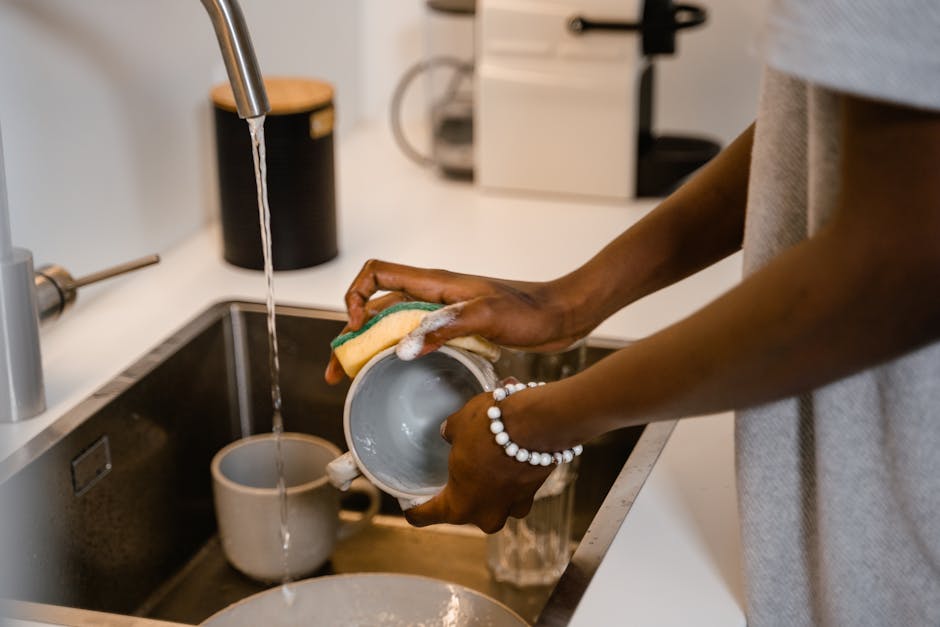
Dish soap cleans by lifting grease and dirt off dishes. You rinse the soap away by hand. The suds help remove stuck-on food and grease.
Dishwasher detergent works by breaking down food particles during the wash cycle. It dissolves grease and food without creating suds. The dishwasher sprays water to rinse dishes clean.
Risks Of Using Dish Soap In Dishwasher
Using regular dish soap in your dishwasher might seem like a quick fix, but it comes with several risks that can cause more harm than good. Understanding these risks helps you avoid costly repairs and disappointing cleaning results. Let’s look closely at what can go wrong when you use dish soap meant for handwashing in your dishwasher.
Excessive Sudsing
Dish soap creates a lot of suds because it’s designed for handwashing dishes with plenty of water and rinsing. In a dishwasher, these suds don’t drain properly and can overflow from the machine. This overflow can flood your kitchen floor and create a slippery mess that’s both annoying and hazardous.
I once tried using dish soap in my dishwasher out of curiosity, and the kitchen quickly turned into a foam party. It was a frustrating cleanup that took hours and made me realize how important it is to use the right detergent.
Potential Damage To Dishwasher
Too many suds can interfere with the dishwasher’s internal components, like sensors and pumps. Over time, this may lead to mechanical failures or clogs that require expensive repairs. Using the wrong soap can even void your dishwasher’s warranty, leaving you fully responsible for fixing the damage.
Ask yourself: Is risking damage to an expensive appliance worth saving a few cents on detergent?
Poor Cleaning Results
Dish soaps are not formulated for dishwashers, so they may not dissolve properly or clean effectively in the dishwasher’s cycle. This often leaves dishes with soap residue or still dirty spots. You might find yourself re-washing dishes by hand, which defeats the purpose of using a dishwasher in the first place.
Choosing the correct dishwasher detergent means your dishes come out sparkling clean without extra effort. Isn’t that the convenience you expected when you bought a dishwasher?
When Dish Soap Might Be Used
Using dish soap in your dishwasher is generally not advised, but there are moments when you might consider it. Understanding when dish soap might be used helps you handle unexpected cleaning challenges without damaging your appliance. Let’s look at situations that might push you to reach for dish soap and the precautions you should keep in mind.
Emergency Situations
Imagine running out of dishwasher detergent right before hosting guests. In these rare moments, you might be tempted to use regular dish soap as a quick fix. While it’s not designed for dishwashers, a small amount can sometimes help clean lightly soiled dishes.
Another emergency could be a sudden need to clean heavily greasy pans when no dishwasher detergent is available. Dish soap’s grease-cutting power can be tempting to use here, but remember, even a small excess can cause excessive suds and leaks.
Have you ever faced a time when your dishwasher’s detergent compartment was broken? Using a tiny bit of dish soap might seem like the only option to keep your dishes clean in the meantime. Just be very careful to limit the quantity to avoid foam overflow.
Recommended Precautions
If you decide to use dish soap in your dishwasher, proceed with caution. Start with just a drop or two—more will create too many suds, risking damage or flooding. Always skip the pre-wash cycle to reduce foam buildup.
After using dish soap, run an empty rinse cycle to clear out any leftover suds. Avoid using any high-foam soaps like those made for handwashing dishes. Instead, opt for ultra-mild, low-foam options if absolutely necessary.
Ask yourself: is it worth the risk of potential damage to your dishwasher for a quick clean? Often, it’s better to hand wash than to risk harming your machine. Keep a backup supply of dishwasher detergent to prevent emergencies that push you to use dish soap.

Credit: www.reddit.com
Safe Alternatives To Dish Soap
Using dish soap in a dishwasher can cause suds and damage. Safe alternatives protect your machine and clean your dishes well. These choices fit the dishwasher’s needs and keep your kitchen running smoothly.
Dishwasher-specific Detergents
Detergents made for dishwashers clean effectively without creating foam. They break down grease and food residue safely. These products come in powder, gel, and tablet forms. Each formula is designed to protect your dishwasher’s parts. Using these detergents helps avoid leaks and clogs.
Natural Cleaning Options
Natural cleaners offer a gentle but strong way to wash dishes. Baking soda removes stains and odors without harsh chemicals. White vinegar cuts grease and adds shine to glassware. Combining these with water can boost cleaning power. Natural options reduce environmental impact and keep your dishwasher safe.
How To Clean Up After Dish Soap Mishaps
Accidentally putting dish soap instead of dishwasher detergent can cause a bubbly mess. Knowing how to clean up after such mishaps can save you time and frustration. Here’s what you can do to manage the suds and remove leftover soap effectively.
Stopping The Suds Overflow
If you notice suds spilling out of your dishwasher, act quickly to prevent water damage. First, turn off the dishwasher immediately to stop the cycle. This halts more suds from forming and spreading.
Next, scoop out as many suds as you can with a small container or towel. Using cold water instead of hot helps reduce suds buildup since hot water encourages more foam. Avoid running the dishwasher again until all soap residue is cleared.
Have you tried using vinegar to break down suds? Pour about a cup of white vinegar into the bottom of the dishwasher and let it sit for 10-15 minutes. Vinegar helps cut through the foam and calms the bubbles.
Removing Residual Soap
After controlling the suds, it’s important to get rid of any leftover soap inside the dishwasher. Wipe down the interior walls, racks, and door seals with a damp cloth to catch soap remnants.
Run a rinse cycle with just plain water to flush out hidden soap. If soap residue persists, add a cup of baking soda to the bottom of the dishwasher before running another rinse cycle. Baking soda neutralizes soap and odors effectively.
Don’t forget to check the drain and filter for any soap buildup that could cause clogs. Cleaning these parts regularly improves your dishwasher’s performance and prevents future mishaps.

Credit: smol.com
Frequently Asked Questions
Can You Use Dish Soap In A Dishwasher?
No, dish soap creates excessive suds that can overflow and damage your dishwasher. Use dishwasher detergent instead.
What Happens If You Put Dish Soap In Dishwasher?
Dish soap causes heavy sudsing that leaks from the machine. It can harm the dishwasher’s motor and plumbing.
Is Dishwasher Detergent Different From Dish Soap?
Yes, dishwasher detergent is designed to clean without producing suds, unlike dish soap which creates foam unsuitable for dishwashers.
Can Dish Soap Damage My Dishwasher?
Yes, using dish soap can cause leaks, clogs, and damage to the dishwasher’s components due to excess foam.
Conclusion
Using dish soap in a dishwasher can cause big problems. It creates too many suds and may damage your machine. Dish soap is made for hand washing, not dishwashers. Always use detergent designed for dishwashers. This keeps your dishes clean and your appliance safe.
Remember, small choices protect your kitchen tools. Keep your dishwasher working well by choosing the right soap. Avoid messes and extra work by using proper detergent. Clean dishes, happy kitchen. Simple and smart.