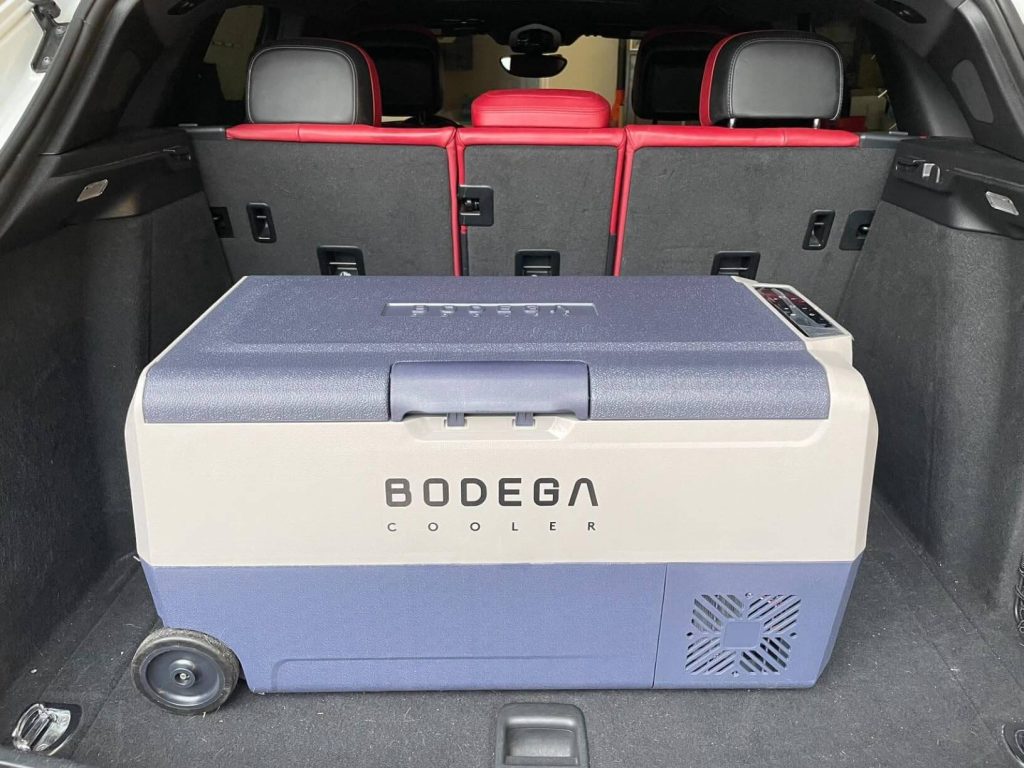
Have you ever wondered if your bottle of wine can freeze when left in your car? Whether you’re running errands on a chilly day or heading out on a winter trip, knowing what happens to wine in freezing temperatures is important.
You might think that wine is safe in your car, but could the cold actually ruin your favorite bottle? Keep reading to find out how cold it has to be, what really happens when wine freezes, and how to protect your wine from unexpected damage.
This simple knowledge could save you from a costly and disappointing surprise.
How Wine Freezes
Understanding how wine freezes helps you protect your favorite bottles, especially if you ever leave them in a car during cold weather. Wine doesn’t freeze like water; its freezing process depends on several factors you might not expect. Knowing these can save you from a disappointing thaw and preserve your wine’s flavor and texture.
Freezing Point Of Wine
Wine freezes at a lower temperature than water because of its alcohol content. Most wines freeze between -5°C to -9°C (23°F to 16°F), but this varies based on how much alcohol is in the bottle.
For example, a bottle with higher alcohol content, like fortified wine, freezes at a lower temperature than regular table wine. This means your regular red or white wine might freeze sooner if exposed to freezing temperatures.
Have you ever noticed how some wines feel colder longer when chilled? That’s partly because their freezing points are different due to alcohol levels.
Factors Affecting Freezing
- Alcohol Content:The more alcohol in the wine, the lower its freezing point. A 12% alcohol wine freezes faster than a 17% alcohol fortified wine.
- Sugar Levels:Sweeter wines freeze at higher temperatures compared to dry wines because sugar raises the freezing point.
- Storage Conditions:The temperature inside a car can fluctuate drastically, especially overnight. Even if outside temperatures are below freezing, the car’s interior might stay warmer or colder depending on sunlight and insulation.
- Wine Composition:Different grape varieties and additives can slightly change freezing behavior. This is why not all wines freeze the same way.
Think about your last road trip with wine in the car. Did you notice the bottle felt colder or even seemed frozen in the morning? That’s your wine reacting to the car’s temperature and its own unique makeup.

Credit: www.amazon.ca
Wine In Cold Cars
Storing wine in a cold car might seem harmless, but the reality is more complex. Your wine’s quality depends heavily on the environment it’s in, and cars can be surprisingly unpredictable when it comes to temperature. Understanding what happens to wine inside a cold vehicle helps you avoid ruining your favorite bottle.
Temperature Fluctuations Inside Cars
Cars don’t maintain a steady temperature, especially during cold weather. During the day, sunlight can warm the interior quickly, and at night, the temperature can plunge drastically. These rapid changes cause the wine to expand and contract inside the bottle, which can push the cork out or let air in.
Have you noticed your car heating up fast on a cold morning? That sudden warmth followed by freezing night air creates stress on the wine’s seal. This can lead to oxidation or spoilage, affecting the taste and aroma.
Impact Of Car Insulation
The level of insulation in your car plays a big role in how much your wine is affected by the cold. Well-insulated vehicles protect against extreme temperature swings better than older models or cars with thin windows. Still, even good insulation can’t completely stop freezing in very low temperatures.
If you often leave wine in your car, consider where you place the bottle. Storing it away from windows or vents can reduce exposure to cold drafts. Think about using insulated bags or coolers designed to maintain stable temperatures for sensitive items like wine.
Signs Wine Has Frozen
Wondering if your wine has frozen after leaving it in a cold car? Knowing the signs can save you from a disappointing sip. Frozen wine doesn’t always look or taste the same, but clues are often right in front of you.
Visual Changes
One of the first things you’ll notice is the bottle’s appearance. The liquid inside may look cloudy or have ice crystals floating or settled at the bottom. Sometimes, the cork might push out slightly due to expansion, creating a bulging effect on the bottle neck.
Have you ever seen a split or cracked bottle? That’s a clear sign the wine froze and expanded beyond the glass’s limits. Even without cracks, bubbles or separation in the liquid can indicate freezing damage.
Taste And Texture Alterations
Frozen wine often loses its smooth texture. You might find it feels watery or oddly thin on your palate. The rich flavors you expect may taste dull or flat, lacking the usual depth.
Sometimes, the wine can develop off-flavors—sharp or sour notes that weren’t there before. If your wine tastes different in a way you can’t quite place, freezing could be the culprit. Have you ever tasted a wine and wondered why it seemed off? Freezing might be the answer.
Credit: www.bodegacooler.com
Risks Of Freezing Wine
Freezing wine in a car might seem harmless, especially on a cold winter night, but it carries some real risks. You might think a frozen bottle is just a temporary issue, but it can lead to damage that affects both the bottle and the wine inside. Understanding these risks helps you protect your wine investments and enjoy your bottle as intended.
Bottle Breakage
Wine bottles are made of glass, which is vulnerable to expanding liquids. When wine freezes, it expands by about 9%, putting intense pressure on the bottle. This often causes cracks or even a complete break.
Imagine leaving a bottle in your car overnight during freezing weather. The next morning, you could find shattered glass instead of a lovely vintage. This is not only a loss of wine but also a safety hazard with broken glass inside your vehicle.
Wine Quality Degradation
Freezing affects more than just the bottle; it changes the wine itself. The cold can alter the wine’s flavor, aroma, and texture. You might notice a dull taste or a strange, muted aroma after the wine thaws.
Have you ever tasted wine that seemed flat or off? That could be the result of freezing. The delicate balance of acids, sugars, and alcohol breaks down, ruining the experience you expected.
Preventing Wine From Freezing
Preventing wine from freezing in your car is crucial if you want to preserve its flavor and texture. Wine freezes at around 15°F (-9°C), which is warmer than water, so a cold night can easily damage your bottle. Taking simple precautions can keep your wine safe even in chilly weather.
Safe Storage Tips In Cold Weather
Keep your wine inside the car’s cabin rather than the trunk, as the cabin stays warmer due to the heater. Avoid leaving bottles on the floor where cold air settles.
Use soft materials like blankets or towels to cushion the wine. These act as barriers against the cold and help maintain a steady temperature.
Consider parking your car in a garage or covered area when possible. This reduces exposure to the elements and can prevent drastic temperature drops.
Using Insulation And Warmers
Insulation wraps designed for bottles are a smart investment. They trap heat and prevent cold air from freezing the wine.
Electric wine warmers or heated bags can keep your bottle at a safe temperature during extreme cold. They’re especially handy if you’re transporting wine for a party or event.
Have you ever tried using a simple thermal lunch bag? It’s an easy trick that often works better than you’d think.
Remember, the goal is to avoid rapid temperature changes. Insulation and warmers help create a stable environment that protects your wine’s quality.
What To Do If Wine Freezes
Discovering your wine has frozen after leaving it in a car can be frustrating. But don’t panic—there are ways to handle the situation without ruining your bottle. Knowing how to thaw it safely and check its quality afterward is key to enjoying your wine even after a chilly mishap.
Thawing Wine Safely
Start by moving the frozen wine to a cool room temperature environment. Avoid using direct heat sources like microwaves or hot water, as rapid temperature changes can damage the wine’s flavor and aroma.
Let the bottle thaw gradually by placing it upright in a bowl at room temperature. This can take several hours, so patience is important. If you’re in a hurry, wrapping the bottle in a towel soaked in lukewarm water helps speed up the process gently.
Assessing Wine Quality Post-freezing
Once thawed, check the wine’s appearance first. Look for unusual cloudiness, sediment, or a change in color, which might indicate damage.
Next, give it a cautious sniff. If the aroma smells off or significantly different from before, the wine may have lost some of its character. Taste a small sip to see if the flavor is still enjoyable or if it tastes flat or sour.
Have you ever found yourself guessing if frozen wine is still drinkable? Trust your senses—they are the best guide to decide if your bottle is worth saving or better off replaced.
Credit: www.nbcmiami.com
Frequently Asked Questions
Can Wine Freeze Inside A Parked Car?
Yes, wine can freeze inside a car if temperatures drop below 20°F (-6°C). Freezing alters wine’s flavor and texture.
What Happens If Wine Freezes In A Bottle?
Freezing expands the liquid, which can crack the bottle or push out the cork, spoiling the wine.
Does Freezing Affect Wine Taste And Quality?
Yes, freezing disrupts the wine’s balance, often causing dull flavors and a less pleasant mouthfeel.
How Long Does It Take For Wine To Freeze In A Car?
Freezing time depends on temperature but can occur within a few hours if it’s very cold.
Conclusion
Wine can freeze in a car if it’s cold enough. It’s vital to understand this to prevent spoilage. Protect your wine by storing it properly, away from freezing temperatures. Cold can alter its taste and quality. Always check the weather before leaving wine in your car.
A little caution ensures your wine stays perfect for enjoyment. Remember, warm storage is better than freezing conditions. Stay informed to keep your wine safe and delightful. Your wine deserves the best care, so store it wisely. Enjoy your wine at its finest!