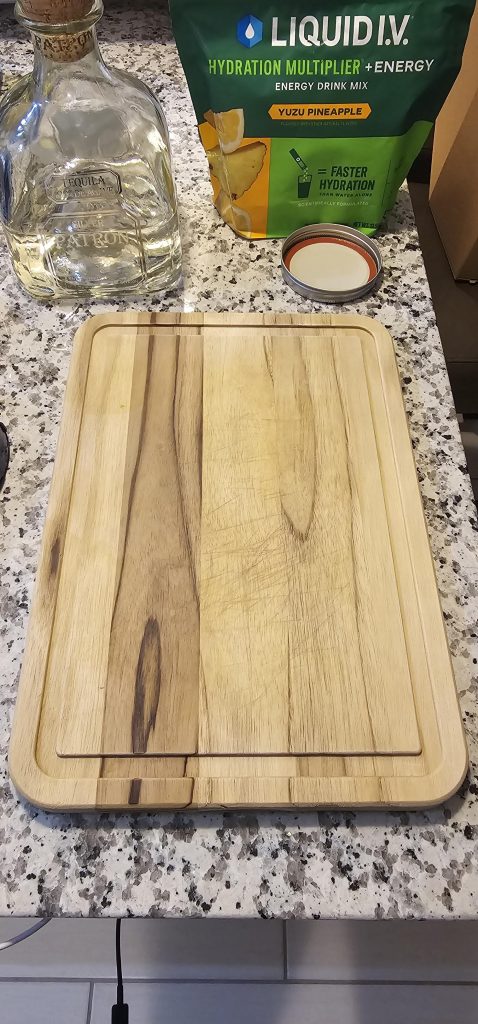
Are you wondering if your wooden cutting board can survive a spin in the dishwasher? You’re not alone.
Many people face this question because wood is a natural material that needs special care. If you want to keep your cutting board looking fresh and lasting longer, it’s important to know the right way to clean it. Keep reading to discover what really happens when wood meets your dishwasher and how you can protect your kitchen tool for years to come.

Credit: www.amazon.com
Wood Cutting Boards And Dishwashers
Wood cutting boards are popular in many kitchens. They are strong, natural, and look nice. Many people wonder if they can clean these boards in dishwashers.
Dishwashers use hot water and strong soap to clean dishes. This method is easy but may not be safe for wood cutting boards. Let’s learn more about this topic.
How Dishwashers Affect Wood
Dishwashers expose wood boards to high heat and lots of water. This can cause the wood to swell and crack. The heat can also dry out the wood, making it weaker.
Strong dishwasher soap can remove the natural oils in the wood. These oils protect the board and keep it smooth. Without them, the board can become rough and damaged.
- Wood may warp or bend after dishwasher cleaning
- Wood can crack due to heat and moisture changes
- Natural oils get washed away, causing dryness
- Surface may become rough and less safe for cutting
Common Misconceptions
Many people believe wood cutting boards are dishwasher safe. They think the dishwasher cleans better and kills germs well. But wood is not like plastic or metal.
Another myth is that wood boards do not need special care. Actually, wood needs gentle cleaning and drying to last long. Using a dishwasher shortens the life of the board.
- Wood boards are not dishwasher safe
- Dishwasher does not improve cleanliness for wood
- Hand washing keeps wood boards in good shape
- Drying wood boards properly stops damage and germs
Risks Of Dishwasher Use
Wood cutting boards look great and work well in the kitchen. Many wonder if they can clean these boards in a dishwasher. Using a dishwasher may seem easy but can cause problems for wood boards.
Wood is a natural material that reacts to water and heat. The dishwasher uses strong water jets and high heat. These forces can harm the wood cutting board over time.
Warping And Cracking
Dishwashers expose wood cutting boards to hot water and steam. This can make the wood swell and then dry too fast. The uneven drying causes the board to warp or bend.
Repeated exposure to heat can also cause cracks. These cracks weaken the board and make it unsafe to use. Warped boards do not lie flat and can be hard to chop on.
Loss Of Finish And Natural Oils
Wood cutting boards often have a finish or natural oils to protect them. The dishwasher can wash away these oils and finishes. Without protection, the wood dries out and becomes rough.
Dry wood can absorb stains and smells. It may also become dull and lose its natural shine. Keeping the finish helps the board last longer and look better.
Bacterial Growth Concerns
Many believe dishwashers kill all bacteria on cutting boards. But the damage from heat and water can create cracks. Cracks can trap food and bacteria inside the wood.
Trapped bacteria are hard to remove and can grow over time. This makes the board less safe for food preparation. Proper hand washing is better for cleaning wood boards safely.
Safe Cleaning Alternatives
Wood cutting boards need careful cleaning to last long. Dishwashers can damage wood. Using safe cleaning methods keeps boards clean and strong.
This guide shares easy ways to clean wood boards without harming them. Learn hand washing, natural cleaners, and drying tips.
Hand Washing Techniques
Always wash wood boards by hand to avoid warping or cracking. Use warm water and mild soap. Scrub gently with a soft sponge or cloth.
- Rinse the board with warm water before washing.
- Apply mild dish soap to a sponge or cloth.
- Scrub both sides and edges carefully.
- Rinse well to remove all soap.
- Never soak wood boards in water.
Using Natural Cleaners
Natural cleaners remove stains and odors safely. Avoid harsh chemicals that can damage wood or leave residues.
| Natural Cleaner | Use | How to Apply |
| Lemon Juice | Remove stains and odors | Rub lemon over board, let sit 5 mins, rinse |
| Baking Soda | Scrub and deodorize | Sprinkle on board, scrub with damp cloth, rinse |
| White Vinegar | Disinfect and clean | Spray diluted vinegar, wipe with cloth, air dry |
Proper Drying Methods
Drying wood boards well stops cracks and mold. Use these tips to dry your board safely.
- Pat dry with a clean towel immediately after washing.
- Stand the board upright to air dry fully on all sides.
- Avoid laying the board flat while wet to prevent moisture buildup.
- Do not dry in direct sunlight or near heat sources.
Credit: www.amazon.com
Maintaining Wood Cutting Boards
Wood cutting boards need special care to last long. They can warp or crack without proper maintenance.
Keeping them clean and well-oiled protects the wood and keeps the board safe for food use.
Regular Oiling
Oiling your wood cutting board keeps it from drying out and cracking. Use food-safe mineral oil or beeswax.
- Apply oil evenly using a clean cloth
- Let the oil soak in for several hours or overnight
- Wipe off any extra oil before use
- Repeat oiling every few weeks or when the board looks dry
Sanding And Repairing
Sanding removes scratches and stains on your board. It also smooths out rough spots that can trap bacteria.
Use fine-grit sandpaper and sand in the direction of the wood grain. After sanding, clean the surface well and oil the board.
| Damage Type | Fix Method | Tools Needed |
| Shallow scratches | Light sanding | Fine-grit sandpaper |
| Deep cuts | Heavy sanding | Coarse and fine sandpaper |
| Stains | Sanding and oiling | Sandpaper, mineral oil |
Storage Tips
Store your wood cutting board in a dry place. Avoid areas with high humidity or direct sunlight.
- Stand the board upright to air dry after cleaning
- Keep away from dishwasher or soaking water
- Use a rack or shelf with good airflow
- Do not stack heavy items on top to prevent warping
When Dishwasher Use Might Be Possible
Wood cutting boards usually do not handle dishwashers well. The heat and water can cause damage. Still, some situations allow dishwasher use for wood boards.
It depends on the wood type, maker instructions, and dishwasher settings. Knowing these helps protect your board while cleaning.
Types Of Wood Boards That Tolerate Heat
Not all wood boards are the same. Some woods handle heat and moisture better. These boards may survive dishwasher cycles if used carefully.
- Hardwoods like maple and teak resist water and heat damage better.
- Bamboo boards are dense and less likely to crack quickly.
- Composite wood boards made with resin can tolerate dishwasher heat.
- Softwoods such as pine are not suitable for dishwasher use.
Manufacturer Guidelines
Always check the manufacturer’s care instructions. Some brands design boards for dishwasher use. Others warn against it to keep the wood safe.
| Manufacturer | Dishwasher Safe | Special Notes |
| Brand A | Yes | Use low heat cycle only |
| Brand B | No | Hand wash recommended |
| Brand C | Yes | Only top rack placement |
Short Cycle And Low Heat Options
Using short wash cycles and low heat can reduce damage risk. This setting limits wood swelling and cracking.
Tips for dishwasher use on wood boards:
- Choose the shortest cycle available.
- Set the dishwasher to a low heat or eco mode.
- Place the board on the top rack only.
- Remove the board immediately after the cycle ends.
- Dry the board by hand if needed.

Credit: www.reddit.com
Expert Recommendations
Wood cutting boards are popular for their durability and natural look. Many people wonder if these boards can go in the dishwasher.
Experts strongly advise against putting wood cutting boards in the dishwasher. The heat and water can damage the wood quickly.
Best Practices For Longevity
To keep your wood cutting board in good shape, follow these simple tips.
- Hand wash with mild soap and warm water after use.
- Dry the board immediately with a clean towel.
- Apply mineral oil regularly to prevent cracking.
- Store the board upright to allow air circulation.
- Avoid soaking the board in water for long periods.
Avoiding Common Mistakes
Some habits can shorten your board’s life. Avoid these common errors.
| Common Mistake | Effect on Wood Board |
| Dishwasher washing | Warping and splitting |
| Leaving wet | Mold growth and warping |
| Using harsh cleaners | Surface damage |
| Cutting raw meat without cleaning | Cross-contamination risk |
Frequently Asked Questions
Can Wood Cutting Boards Be Safely Washed In A Dishwasher?
Wood cutting boards should not be washed in a dishwasher. The high heat and water exposure can cause warping, cracking, and splitting of the wood. Hand washing with mild soap and warm water is the safest cleaning method for wood boards.
What Damages Can Dishwashers Cause To Wood Boards?
Dishwashers expose wood boards to extreme heat and prolonged moisture. This leads to wood swelling, cracking, and weakening of the board’s structure. Over time, it can also cause the finish to peel and harbor bacteria in damaged areas.
How Should I Clean A Wood Cutting Board Properly?
Clean wood cutting boards by hand using warm water and mild dish soap. Avoid soaking or submerging the board. After washing, dry it immediately with a towel and let it air dry standing up to prevent moisture buildup.
Can Dishwashers Cause Bacteria Buildup On Wood Boards?
Yes, dishwashers can cause wood boards to crack and develop grooves. These grooves trap bacteria, making the board unhygienic. Proper hand washing and regular oiling help maintain a bacteria-free surface.
Conclusion
Wood cutting boards do not belong in dishwashers. The heat and water can warp and crack the wood. Cleaning by hand with mild soap keeps boards safe and strong. Dry boards quickly to stop bacteria growth. Regular oiling helps maintain wood’s health.
Caring this way extends your board’s life. Choose hand washing to keep wood cutting boards useful and clean. Simple steps protect your kitchen tools well.