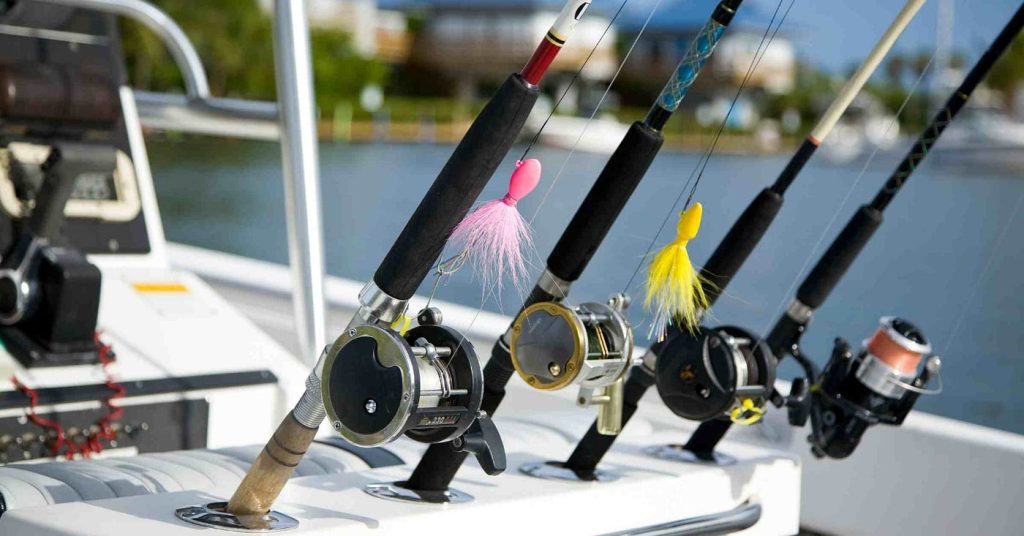
Are you planning your next fishing adventure in a far-off location and wondering if you can bring your trusty fishing rods on a plane? You’re not alone.
Many fishing enthusiasts like you are curious about traveling with their gear without any hassle. We’ll unravel the mystery behind flying with fishing rods, providing you with essential tips and insights to ensure a smooth journey. Whether you’re a seasoned angler or a beginner, understanding airline policies can save you from unexpected headaches.
Read on to discover how to keep your fishing rods safe and sound during your travels, so you can focus on what you love most—casting that line and catching the big one!
Credit: veronicahanson.medium.com
Airline Policies On Fishing Rods
Many people wonder if they can bring fishing rods on planes. Airlines have specific rules about fishing gear.
It is important to check these rules before you travel. Different airlines may have different policies.
Carry-on Vs Checked Baggage Rules
Most airlines do not allow fishing rods in carry-on bags. This is because rods can be long and may not fit in overhead bins.
Fishing rods are usually accepted as checked baggage. They must be packed securely to avoid damage during handling.
- Carry-on fishing rods are often prohibited due to size limits.
- Checked baggage allows fishing rods if packed in a hard case.
- Some airlines charge extra fees for oversized checked bags.
- Always confirm the size and weight limits with your airline.
Common Restrictions And Allowances
Airlines may have restrictions on the type of fishing rods allowed. Sharp hooks or reels with sharp parts might be banned.
Some airlines require fishing rods to be disassembled or stored in special cases. This helps protect the rod and other luggage.
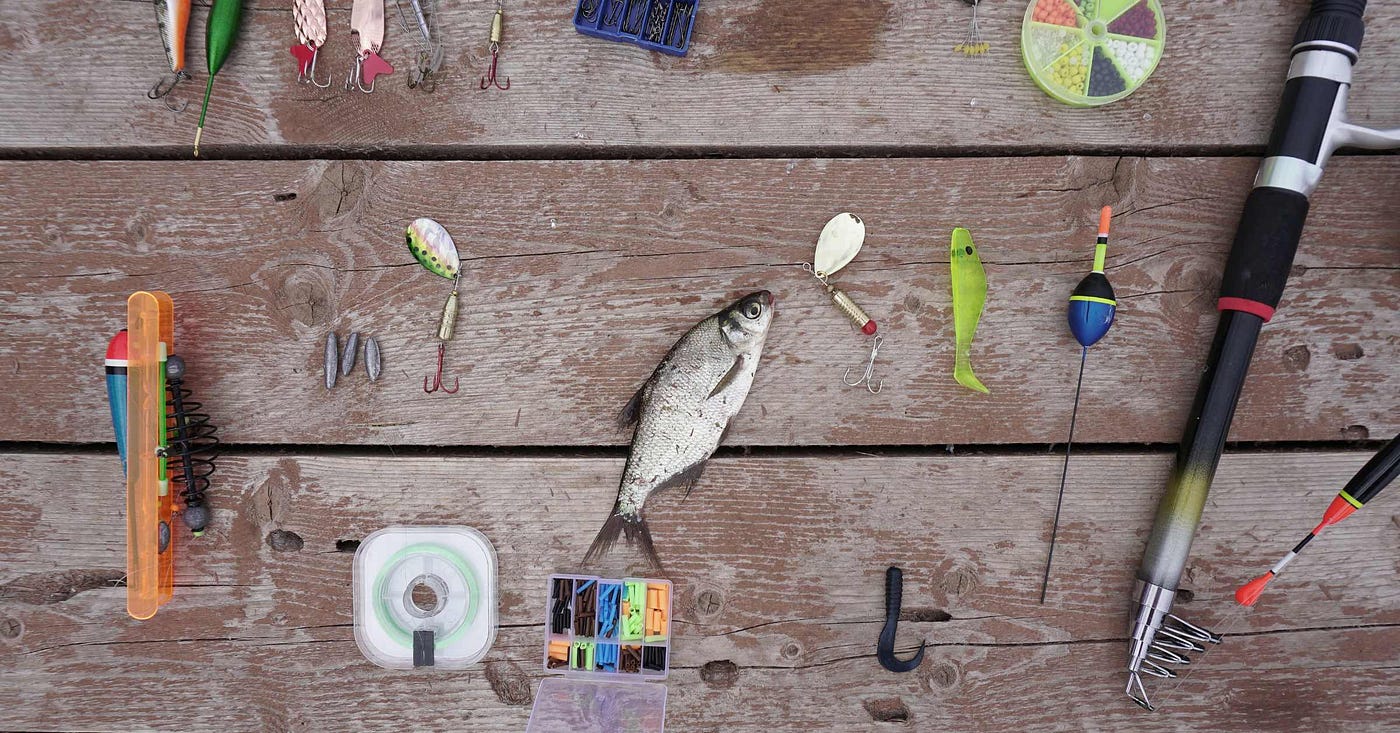
- Remove hooks and sharp accessories before packing.
- Use a hard or padded case for protection.
- Check if your airline has size or weight limits.
- Declare your fishing equipment at check-in if asked.
Packing Fishing Rods For Air Travel
Taking fishing rods on a plane needs good packing. Proper packing keeps rods safe during travel.
Knowing how to pack your fishing rods helps avoid damage and delays at the airport.
Choosing The Right Case
Select a case made for fishing rods to protect them well. Hard cases give the best protection.
Soft cases are lighter but need extra padding inside. Look for a case that fits your rods exactly.
- Hard cases shield rods from heavy impacts
- Soft cases are easier to carry but less protective
- Make sure the case closes tightly and securely
Disassembling And Protecting Your Rod
Take apart your fishing rods before packing. This reduces the chance of breaks during travel.
Wrap each rod section with cloth or bubble wrap. Protect the guides and tips carefully.
- Remove reel and pack separately
- Wrap rod sections individually
- Cover guides with foam or soft material
Using Padding And Supports
Add padding inside the case to stop rods from moving. Use foam, bubble wrap, or soft cloth.
Place supports around the rods to keep them steady. This reduces pressure on fragile parts.
- Use foam inserts or pipe insulation for cushioning
- Fill empty spaces to prevent shifting
- Secure padding with tape or ties if needed
Security Checkpoint Considerations
Traveling with fishing rods requires attention at airport security. Knowing rules helps avoid delays. Security officers check all carry-on and checked items closely.
Understanding what to expect at the checkpoint makes the process smoother. Follow TSA guidelines to keep your fishing rods safe and compliant.
Tsa Regulations And Inspections
TSA allows fishing rods in checked or carry-on bags. Rods must fit size and weight limits. Sharp hooks are not allowed in carry-on bags and must be packed in checked luggage.
- Fishing rods should be disassembled or collapsed.
- Remove all fishing hooks from carry-on bags.
- Place rods in a protective case to avoid damage.
- Declare your fishing gear if asked by TSA officers.
- Expect additional screening if your rods trigger alarms.
Tips For Smooth Security Screening
| Tip | Description |
| Pack rods carefully | Use a hard case to protect your fishing rods. |
| Separate hooks | Keep hooks only in checked bags to avoid confiscation. |
| Arrive early | Extra time helps with possible inspections. |
| Follow officer instructions | Cooperate to speed up the screening. |
| Check airline rules | Some airlines have size limits for fishing gear. |
Credit: veronicahanson.medium.com
Handling Fishing Gear Beyond Rods
Bringing fishing gear on a plane needs careful packing. Airlines have rules for items beyond fishing rods.
Knowing how to handle reels, tackle boxes, and sharp items keeps your gear safe and lets you pass security.
Fishing Reels And Tackle Boxes
Fishing reels can usually go in your checked luggage. Make sure they are clean and dry to avoid damage.
Tackle boxes may contain small tools and lures. Pack them carefully to meet airline rules and avoid spills.
- Place reels inside padded cases or wrapped in clothes
- Use sturdy tackle boxes that close tightly
- Check if the box has any liquids or gels that may be restricted
Transporting Hooks And Other Sharp Items
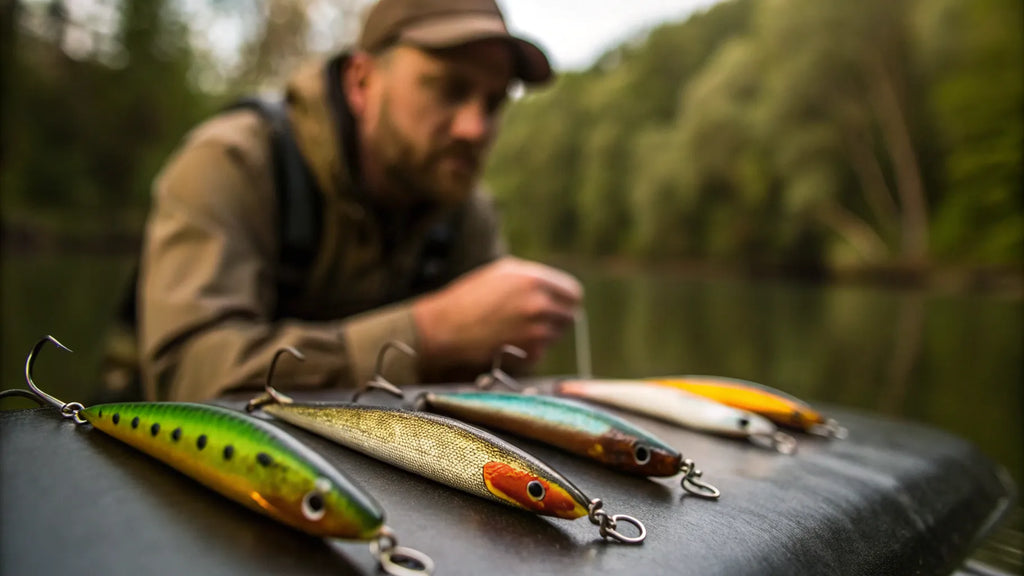
Hooks and sharp fishing tools are often not allowed in carry-on bags. Pack them in checked luggage only.
Secure hooks in a hard container to prevent injury and keep them from damaging other gear.
- Use a plastic or metal box with a secure lid
- Cover sharp points with protective caps or tape
- Label your container if needed for security checks
Tips For International Flights
Bringing fishing rods on a plane requires good planning. This is very true for international flights.
You must follow rules about luggage, customs, and local fishing gear laws. These tips help you avoid problems.
Customs Declarations
When entering a new country, you must declare your fishing rods. Some countries ask for special permits or taxes.
Failing to declare fishing gear can cause delays or fines. Always check the customs rules of your destination.
- Declare fishing rods at customs if asked
- Carry receipts or proof of ownership
- Keep permits ready if required
- Check if your gear needs inspection
Country-specific Fishing Gear Rules
Each country sets its own rules for fishing gear. Some limit the type or size of rods you can bring.
Some countries ban certain materials or types of fishing equipment. It is important to research before you travel.
- Check if your fishing rod type is allowed
- Verify if there are size or material restrictions
- Learn about protected species rules in that country
- Follow local fishing laws and seasons
Alternative Shipping Options
Bringing fishing rods on a plane can be tricky. Many travelers look for other ways to send their gear safely.
Shipping fishing rods separately can save time and avoid airline restrictions. Let’s explore some options.
Using Freight Services
Freight services offer a way to send fishing rods without carrying them on the plane. These services handle large or fragile items well.
- Choose a reputable freight company
- Pack your fishing rods securely
- Label the package clearly
- Check delivery times and costs
- Track your shipment online
Freight can be door-to-door or airport-to-airport. It is ideal for long trips or bulky gear.
Pros And Cons Of Shipping Gear
| Pros | Cons |
| Protects gear from airline damage | Can be costly depending on size and weight |
| Saves space during travel | Delivery may take several days |
| Reduces hassle at airport security | Requires good packaging skills |
| Allows shipping of multiple or heavy rods | Risk of lost or delayed shipments |
Common Mistakes To Avoid
Bringing fishing rods on a plane can be tricky. Many travelers make simple mistakes that cause problems at the airport.
Understanding common errors helps you avoid delays and extra fees. It also keeps your gear safe during travel.
Overpacking And Weight Limits
People often pack too many fishing rods or heavy cases. Airlines have strict weight limits for checked and carry-on bags.
Exceeding these limits can cause extra charges or force you to leave some gear behind. Keep your fishing rods within the allowed weight.
- Check the airline’s weight rules before packing
- Use lightweight rod cases to lower weight
- Pack only the rods you really need
- Distribute weight evenly in your luggage
Ignoring Airline Notifications
Many travelers ignore airline rules about fishing rods. Airlines sometimes update their policies without clear notice.
Not reading these updates can lead to denied boarding or confiscated equipment. Always check your airline’s website before flying.
- Review baggage rules on the airline’s website
- Look for special instructions about fishing gear
- Contact customer service if unsure about policies
- Notify the airline if carrying unusual equipment
Credit: www.battlbox.com
Frequently Asked Questions
Can I Carry Fishing Rods In Checked Luggage?
Yes, fishing rods are allowed in checked luggage. Make sure to pack them securely to avoid damage during transit.
Are Fishing Rods Allowed In Carry-on Bags?
Most airlines do not allow fishing rods as carry-on items. Check your airline’s specific policy before traveling.
Do Fishing Rods Require Special Packing For Flights?
It’s best to use a hard case or protective tube to prevent damage when flying with fishing rods.
Are There Airline Restrictions On Fishing Rod Length?
Some airlines have size limits for sports equipment. Verify length restrictions with your airline before packing fishing rods.
Conclusion
Bringing fishing rods on a plane is usually allowed with rules. Pack rods carefully to avoid damage and follow airline guidelines. Carry-on or checked baggage rules may differ, so check before flying. Declaring your fishing gear can help avoid problems at security.
Planning ahead makes your trip smooth and stress-free. Enjoy your fishing adventure without unexpected issues at the airport. Safe travels and tight lines!