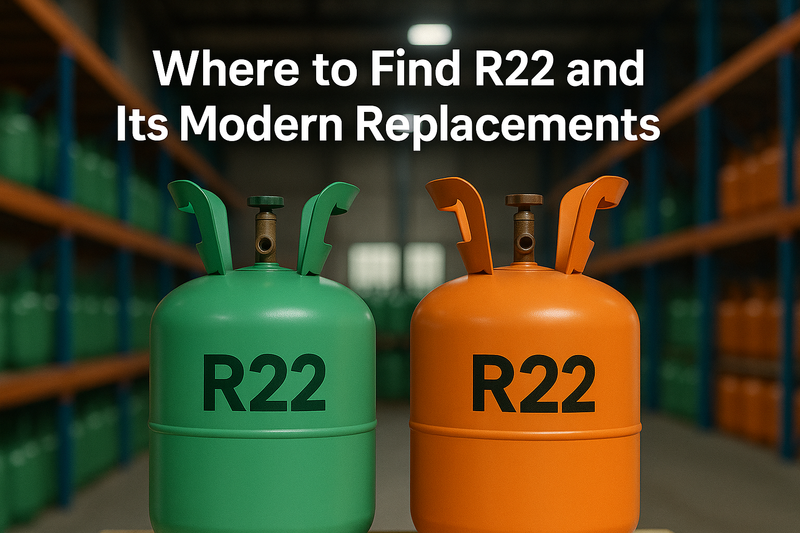
Are you wondering if you can still buy R22 refrigerant for your air conditioning system? You’re not alone.
As the demand for efficient cooling solutions rises, many homeowners and business owners like you are seeking answers about R22. But before you make any decisions, it’s crucial to understand the implications of buying this refrigerant. The rules have changed, and what you don’t know might cost you.
We’ll uncover the key facts and guide you through what you need to know. Stick around to discover if purchasing R22 is still an option for you, and what alternatives might be worth considering.
R22 Refrigerant Basics
Understanding the basics of R22 refrigerant helps clarify its role in cooling systems. This knowledge also explains why its availability is changing. R22 has been a popular choice for many years in air conditioning and refrigeration.
What Is R22 Refrigerant
R22, also known as HCFC-22, is a chemical used to cool air in systems. It belongs to the family of hydrochlorofluorocarbons. It has been effective in transferring heat from inside to outside spaces. R22 is a colorless gas with a mild odor. It works by absorbing heat and releasing it outside.
Common Uses Of R22
R22 refrigerant is used in many cooling applications. These include:
- Residential air conditioners
- Commercial refrigeration units
- Heat pumps
- Industrial cooling systems
Its wide use comes from good cooling performance and availability for decades.
Why R22 Is Being Phased Out
R22 harms the ozone layer. It contains chlorine, which damages ozone molecules. This leads to more harmful UV rays reaching Earth. Many countries agreed to reduce R22 use under global rules. Production and import of R22 are being stopped. This phase-out encourages using safer refrigerants with less environmental impact.
Current Regulations On R22
Understanding the current regulations on R22 refrigerant is crucial if you’re considering purchasing or using it. These rules directly affect availability, handling, and legal responsibilities. They are designed to protect the environment while guiding businesses and individuals on the safe use of this chemical.
Production And Import Restrictions
R22 production and import have faced strict limitations for years. Most countries have phased out manufacturing new R22 due to its ozone-depleting properties. This means you cannot simply buy fresh R22 from regular suppliers anymore.
Instead, only recycled or reclaimed R22 is allowed on the market. If you need it for servicing older equipment, you must rely on these sources. Have you checked if your supplier follows these rules before making a purchase?
Environmental Impact Rules
R22 is known to harm the ozone layer and contribute to global warming. Governments enforce regulations to minimize these impacts by restricting its use and encouraging alternatives. Handling R22 requires certified technicians who follow strict protocols to avoid leaks and emissions.
These rules also mean you need proper documentation when buying or using R22. Are you prepared to meet these environmental standards to avoid penalties?
Legal Consequences Of Non-compliance
Ignoring R22 regulations can lead to significant fines and legal trouble. Authorities regularly inspect and audit businesses handling refrigerants. Using or selling R22 illegally can damage your reputation and result in costly penalties.
It’s not just about fines—improper use can cause environmental damage that affects communities. Are you aware of the risks involved if you bypass these regulations?
Availability Of R22 Today
R22 refrigerant, once the go-to choice for air conditioning systems, has become harder to find due to environmental regulations. Its phase-out has led to significant changes in availability. If you still rely on equipment using R22, knowing where and how to get it is crucial.
Where To Find R22 Refrigerant
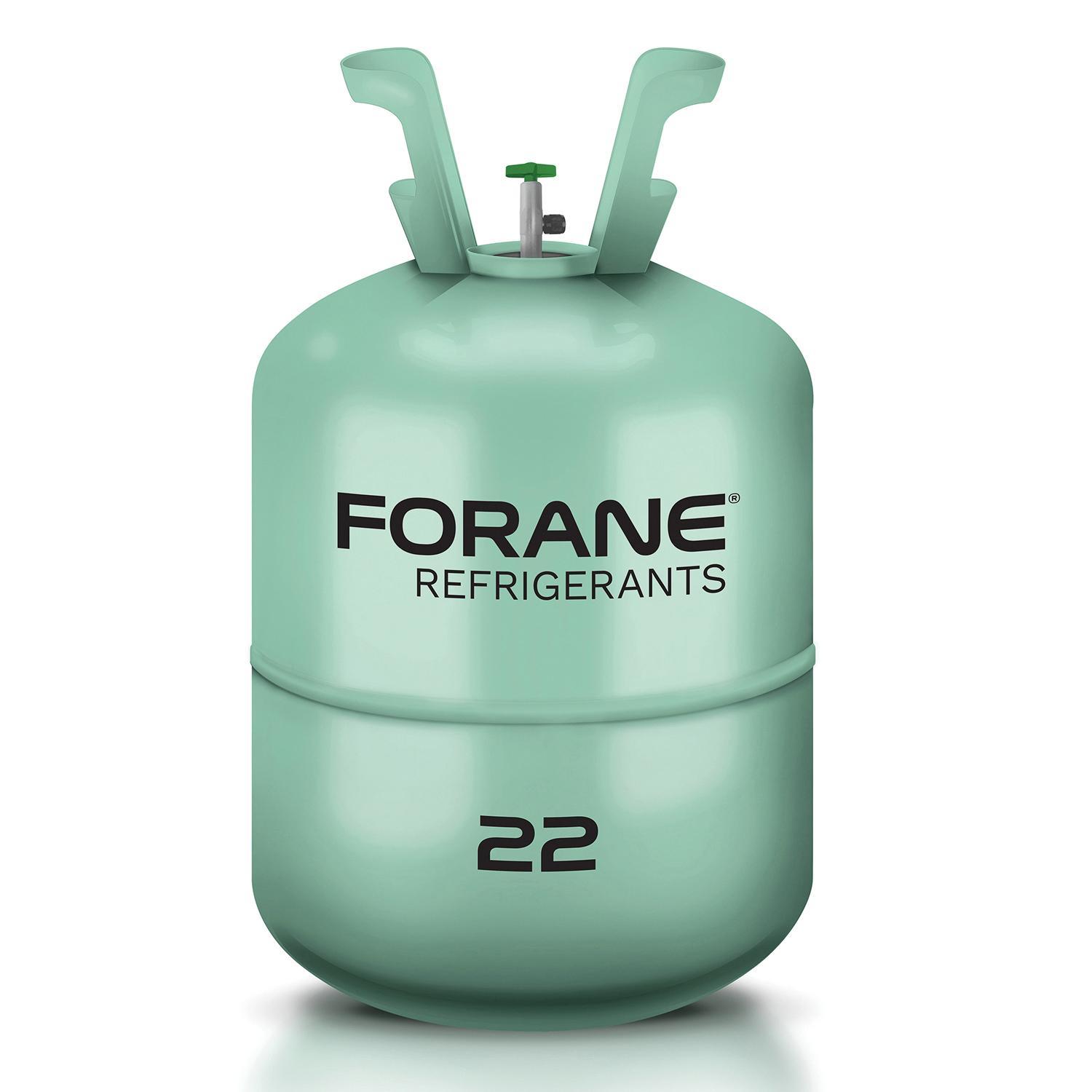
R22 is no longer produced in many countries, but you can still find reclaimed or recycled R22 from specialty suppliers. HVAC contractors often have limited stock reserved for servicing older units. Some online stores list R22, but be cautious about the source.
Have you checked with local refrigerant wholesalers or licensed HVAC service providers? They might have stock left or access to recycled R22, which is a safer and legal option compared to new production.
Prices And Market Trends
The price of R22 has skyrocketed in recent years due to its scarcity. You might notice prices are now several times higher than a few years ago. This trend is likely to continue as supplies dwindle.
Expect to pay a premium if you find R22 in stock. Sometimes, prices fluctuate dramatically based on regional demand and supply constraints. Are you prepared for the cost impact on maintaining your older system?
Risks Of Buying From Unverified Sources
Purchasing R22 from unverified sellers poses serious risks. You could receive counterfeit, contaminated, or mislabeled refrigerant that damages your system. Worse, it might be illegal, leading to fines or other penalties.
Always verify the credibility of the seller and ask for certification or proof of proper handling. Using unverified sources might seem cheaper upfront but can cost you more in repairs and legal issues later.
Credit: www.gearypacific.com
Alternatives To R22 Refrigerant
Finding alternatives to R22 refrigerant is essential because it is being phased out due to its environmental impact. Many HVAC systems that once relied on R22 now need safer and more efficient options. Let’s look at some popular replacements, how they fit with your current setup, and why making the switch could benefit you.
Popular Replacement Refrigerants
Several refrigerants have gained popularity as replacements for R22. These include:
- R410A:A common choice that offers better energy efficiency and no ozone depletion potential.
- R407C:Often used in retrofitting existing R22 systems with minimal hardware changes.
- R134a:Suitable for certain commercial refrigeration applications, with lower environmental impact.
- R32:Known for high efficiency and lower global warming potential compared to R410A.
Choosing the right replacement depends on your specific system and needs.
Compatibility With Existing Systems
Not all refrigerants work seamlessly with your current HVAC equipment. Some replacements like R407C are designed to be compatible with older R22 systems, requiring fewer modifications. Others, such as R410A, often need new components and a complete system overhaul.
Have you checked whether your system can handle a retrofitting refrigerant or if it needs a full upgrade? Consulting a professional technician can save you from costly mistakes.
Benefits Of Switching To New Refrigerants
Switching from R22 to newer refrigerants can lower your energy bills due to improved efficiency. These alternatives also reduce your carbon footprint and comply with current environmental regulations. Plus, newer refrigerants are more readily available and often cost less than reclaimed R22, which has become scarce.
Think about the long-term savings and environmental impact when deciding whether to switch your refrigerant. What would it mean for your home or business to operate more sustainably?
Safe Handling And Disposal
Handling and disposing of R22 refrigerant requires careful attention to safety and environmental rules. This refrigerant, once common in air conditioning systems, is now regulated due to its ozone-depleting properties. Understanding how to store, use, and dispose of it properly protects both your health and the planet.
Proper Storage Guidelines
Store R22 refrigerant cylinders in a cool, dry place away from direct sunlight and heat sources. Ensure the storage area is well-ventilated to prevent gas buildup if a leak occurs. Always keep cylinders upright and secure them to prevent tipping or falling.
Check cylinder valves and seals regularly for any signs of damage or leaks. Label the storage area clearly with hazard warnings so everyone knows what’s inside. Avoid storing R22 near flammable materials or incompatible chemicals.
Disposal Methods For R22
Disposing of R22 refrigerant is not as simple as throwing it away. You must follow local regulations, which often require certified technicians to recover and recycle the gas. Never release R22 into the atmosphere, as it contributes to ozone layer damage.
Look for licensed waste disposal services that specialize in refrigerant recovery. They have the equipment and expertise to handle R22 safely and ensure it is recycled or destroyed properly. Have you checked if your local HVAC provider offers refrigerant take-back programs?
Health And Safety Precautions
R22 refrigerant can cause frostbite if it comes into direct contact with your skin due to its extremely low temperature when released. Always wear protective gloves and goggles when handling it. Avoid inhaling the gas, as it can cause dizziness, headaches, or more serious respiratory issues.
In case of a leak, evacuate the area immediately and ventilate the space thoroughly before re-entry. Keep fire extinguishers nearby since R22 can become flammable under certain conditions. Your safety depends on strict adherence to these precautions.

Credit: refrigerantscenter.com
Future Of Refrigerants
The future of refrigerants is shifting quickly due to environmental concerns and new laws. R22 refrigerant, once popular, is being phased out. New types of refrigerants are emerging to meet safety and eco standards. These changes affect industries and homeowners alike.
Upcoming Regulations
Governments worldwide tighten rules on refrigerants. Many have banned R22 production and use. New laws focus on reducing greenhouse gas emissions. Companies must switch to safer, low-impact refrigerants. Compliance deadlines push faster adoption of alternatives.
Technological Innovations
Technology advances help develop better refrigerants. New blends offer lower global warming potential. Equipment designs evolve to use these efficiently. Smart controls improve energy use and system life. Innovation supports smooth transition from old refrigerants.
Sustainability Trends In Hvac
Green building practices favor eco-friendly refrigerants. HVAC systems aim for energy efficiency and low emissions. Recycling and reclaiming refrigerants gain importance. Consumers prefer sustainable and cost-effective cooling options. The industry moves toward a cleaner, safer future.

Credit: binja.ae
Frequently Asked Questions
Can You Legally Buy R22 Refrigerant Today?
Yes, you can buy R22 refrigerant only if you have certified equipment. New production is banned, but recycled R22 is available for servicing existing systems.
Why Is R22 Refrigerant Being Phased Out?
R22 damages the ozone layer and contributes to global warming. It is being phased out under international agreements like the Montreal Protocol.
Where Can I Purchase Recycled R22 Refrigerant?
Recycled R22 is sold by certified HVAC suppliers and distributors. Ensure the product meets purity standards for safe and effective use.
Can I Use R22 In New Air Conditioning Units?
No, new units use alternative refrigerants like R410A. R22 is banned in new equipment manufacturing due to environmental regulations.
Conclusion
R22 refrigerant is harder to find now due to regulations. Many stores no longer sell it to protect the environment. Using newer refrigerants can save energy and money. Always check local laws before buying R22 refrigerant. Consider professional help for safe handling and installation.
Staying informed helps you make smart choices. Keep your cooling systems updated for better performance. Safety and rules matter most when dealing with refrigerants.