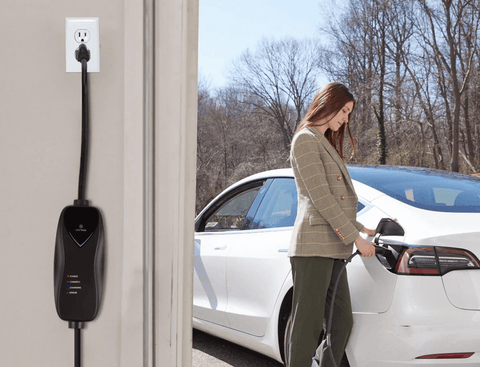
Are you wondering if you can charge an electric car right at home? Imagine pulling into your garage after a long day and simply plugging in your car to wake up fully charged the next morning.
It sounds convenient, but is it really that easy? Understanding how home charging works can save you time, money, and stress. Keep reading to discover everything you need to know about charging your electric car at home and how it can fit seamlessly into your daily routine.
Credit: jmhpower.com
Home Charging Basics
Charging an electric car at home offers comfort and convenience. It means plugging in your vehicle overnight and waking up to a full battery. Understanding the basics helps set up the right system. This section breaks down key points about home charging.
Types Of Home Chargers
There are mainly two types of chargers for home use:
- Level 1 Charger:Uses a standard 120-volt outlet. Slow charging speed. Suitable for short daily drives.
- Level 2 Charger:Requires a 240-volt outlet. Charges much faster than Level 1. Often installed in garages.
Choosing between them depends on your driving needs and budget.
Charging Speeds Explained
Charging speed depends on the charger type and power supply. Level 1 chargers add about 3-5 miles of range per hour. Level 2 chargers can add 15-30 miles per hour. Faster charging means less wait time before driving again. Your car’s battery size also affects charging time.
Power Requirements
Level 1 chargers work with any household outlet. Level 2 chargers need a dedicated 240-volt circuit. This may require professional installation. Check your home’s electrical capacity before installing. Proper wiring ensures safe and efficient charging. A licensed electrician can help with setup and permits.
Installation Process
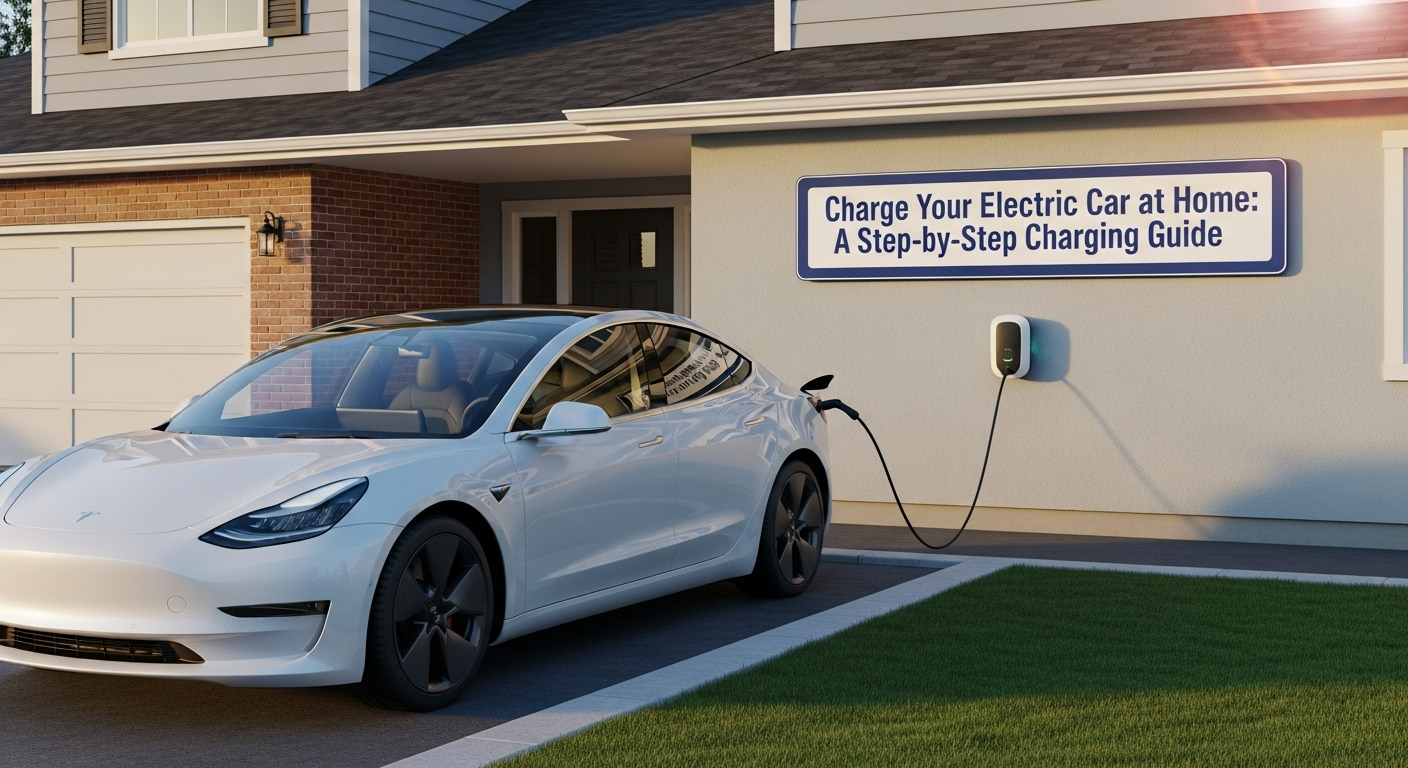
Installing an electric car charger at home is a straightforward process. It involves careful planning to ensure safety and efficiency. The right setup helps charge your vehicle quickly and reliably. Several steps must be followed to complete the installation properly.
Choosing A Location
Select a spot near your parking area for the charger. The location should allow easy access to your car’s charging port. Ensure the place is dry and sheltered from harsh weather. It must have a nearby power source to connect the charger. Consider convenience and safety for daily use.
Hiring A Professional
Electric car charger installation requires electrical knowledge. A licensed electrician can handle the wiring and setup. They ensure the system meets safety standards. Professionals can also recommend the best charger type for your home. Avoid DIY installation to prevent risks and damage.
Permits And Regulations
Check local laws about installing electric vehicle chargers. Some areas need permits before starting the work. Your electrician can help apply for these permits. Inspections may be required to confirm compliance with rules. Following regulations protects your home and ensures legal installation.
Safety Tips
Charging your electric car at home is convenient, but it comes with responsibilities to keep you and your household safe. Paying attention to safety tips can prevent accidents and ensure your charging setup works smoothly. Let’s break down key practices you should adopt to avoid risks and protect your investment.
Avoiding Electrical Hazards
Electricity can be dangerous if not handled correctly. Always use a charging station or cable that meets safety standards and is compatible with your vehicle. Never use damaged cords or outlets as these increase the risk of short circuits or fires.
Have a qualified electrician install your home charger to guarantee proper wiring and grounding. Do you know where your circuit breakers are? Make sure they are easily accessible in case you need to cut power quickly.
Proper Cable Management
Leaving charging cables strewn across your driveway or garage floor invites tripping hazards and cable damage. Use hooks or dedicated cable holders to keep the cords off the ground and organized.
Inspect your cables regularly for any signs of wear, such as cracks or fraying. Proper storage not only prevents accidents but also extends the lifespan of your charging equipment.
Regular Maintenance
Routine checks can help you spot potential issues before they become serious problems. Clean your charging port and cable connectors gently to remove dust and debris that might interfere with charging.
Schedule a professional inspection of your home charging system at least once a year. This small effort can save you from costly repairs or dangerous malfunctions down the line.
Cost Factors
Charging an electric car at home involves several cost factors. Understanding these helps plan your budget better. Costs vary based on equipment choice, installation complexity, and electricity rates. Each factor impacts your overall expenses differently.
Equipment Expenses
Home charging requires a charging station, also called an EV charger. Prices differ by brand, power level, and features. Basic models cost less but charge slower. Faster chargers cost more but reduce charging time. Some chargers include smart features like app control. Choosing the right equipment depends on your car and charging needs.
Installation Costs
Installing a home charger often needs a certified electrician. Costs depend on your home’s electrical system and charger location. Simple installations may cost less. Complex setups, like new wiring or panel upgrades, increase costs. Getting a professional estimate helps avoid surprises. Some local programs offer rebates or discounts on installation.
Running Costs
Electricity cost affects how much you pay to charge your car. Rates vary by region and provider. Charging overnight usually costs less due to lower electricity rates. Monitoring your usage can save money. Compared to gasoline, electric charging is often cheaper per mile. Regularly checking your energy bills keeps costs under control.
Charging Best Practices
Charging an electric car at home is simple but following best practices ensures safety and extends battery life. Proper charging habits help save money and reduce energy waste. Understanding when and how to charge your vehicle makes a big difference.
Optimal Charging Times
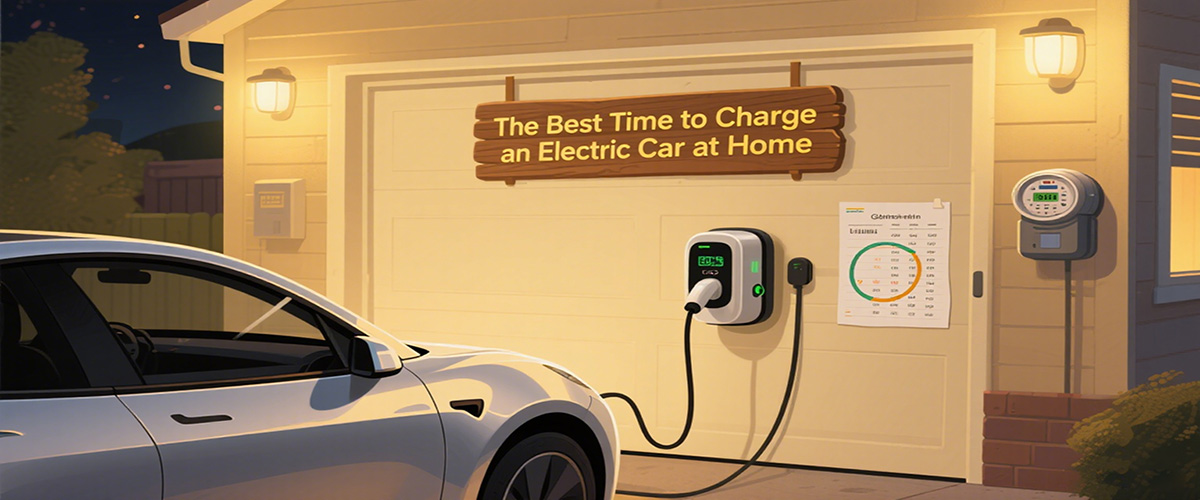
Charge your car during off-peak hours. Electricity costs less at night or early morning. This lowers your energy bills. Avoid charging during peak demand times to prevent grid strain. Some utilities offer special rates for nighttime charging. Use a timer on your charger to automate this process.
Battery Care Tips
Keep your battery charge between 20% and 80%. Avoid letting it drop to zero or stay at 100% for long. This protects battery health and extends its lifespan. Do not charge too fast regularly; slow charging is gentler on the battery. Check your car’s manual for recommended charging speeds.
Energy Efficiency
Use a dedicated home charger for better energy control. Regular outlets may charge slower and waste energy. Keep charging equipment clean and dry to prevent losses. Monitor your home’s energy use to avoid overloads. Combining solar panels with your charger can cut costs and reduce carbon footprint.
Credit: www.olympicautoga.com
Troubleshooting Common Issues
Charging an electric car at home usually works smoothly. Still, some issues can occur. Understanding common problems helps solve them fast. This section covers frequent charging troubles and simple fixes.
Charger Not Starting
Sometimes the charger does not begin charging. Check if the power supply is on. Look for loose connections between the charger and the car. Ensure the charger plug is fully inserted. Resetting the charger by unplugging it for a few seconds can help. Also, inspect the charger for any visible damage.
Slow Charging Problems
Slow charging can be frustrating. Confirm the charger’s power level matches your car’s needs. Using a lower power outlet can slow charging. Cold weather may reduce charging speed. Make sure the charging cable is not damaged or tangled. Close apps or settings on the car that limit charging speed.
Error Codes
Many chargers and cars show error codes during issues. These codes help identify the problem quickly. Check your car’s manual or charger guide for code meanings. Common codes may point to connection errors or battery problems. Write down any error code and search for solutions based on it. Contact support if the code does not clear after troubleshooting.

Credit: m.youtube.com
Frequently Asked Questions
Can I Charge My Electric Car At Home?
Yes, you can charge your electric car at home. Using a standard outlet or a home charging station makes it convenient. Installing a Level 2 charger can speed up the process. It requires a professional installation. Always ensure your electrical system can handle the load.
How Long Does Home Charging Take?
Home charging time varies by charger type and car model. A standard outlet might take 12-24 hours for a full charge. A Level 2 charger significantly reduces this time, often charging within 4-8 hours. Consult your car’s manual for specific details.
Is Home Charging Cost-effective?
Charging an electric car at home is generally cost-effective. It can be cheaper than public charging stations. Electricity rates vary, but home charging often saves money. Consider off-peak rates for additional savings. It’s important to compare your local electricity rates.
What Equipment Do I Need For Home Charging?
For home charging, you’ll need a compatible charging cable. A Level 2 home charging station is recommended for faster charging. Professional installation ensures safety and efficiency. Check your car’s requirements and consult an electrician for the best setup.
Conclusion
Charging an electric car at home is simple and convenient. Many people have access to standard outlets or can install a home charger. This saves time and money compared to public stations. It also lets you charge overnight, so your car is ready each day.
Always check your home’s electrical system first. With basic planning, home charging fits daily life easily. It makes owning an electric car practical and stress-free. Why not give it a try?