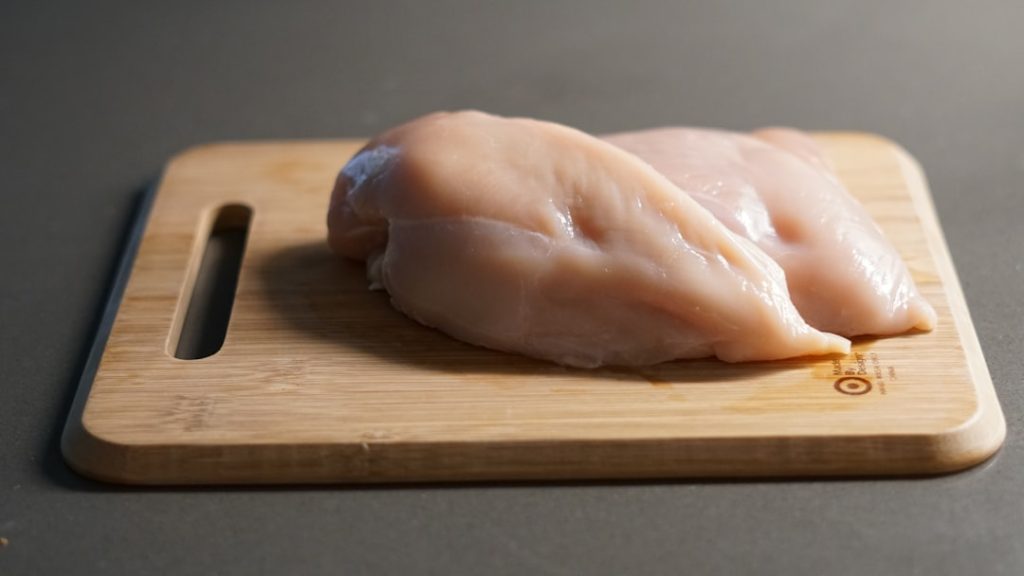
Are you wondering if it’s safe to cut chicken on a wood cutting board? You’re not alone.
Many people love the look and feel of wooden boards but worry about germs and cross-contamination. What if you’re risking your health without even knowing it? You’ll discover the truth about using wood boards for raw chicken, how to keep your kitchen safe, and tips that can save you from foodborne illnesses.
Keep reading—you don’t want to miss this essential kitchen advice.

Credit: www.virtual-table.com
Wood Cutting Boards And Food Safety
Many people wonder if it is safe to cut chicken on a wood cutting board. Wood boards are popular in kitchens. They can be safe if cleaned properly.
Food safety is important to avoid germs. Cutting raw chicken needs careful handling. This helps stop bacteria from spreading.
Natural Antibacterial Properties
Wood has natural properties that can fight bacteria. Some types of wood release substances that kill germs. This helps keep the board cleaner.
Wood can absorb moisture and dry out fast. Dry boards reduce bacteria growth. This makes wood safer than some plastic boards.
- Wood kills some bacteria naturally
- Wood absorbs and dries moisture quickly
- Dry surfaces lower bacteria growth
Common Wood Types Used
Different woods are used for cutting boards. Some are harder and last longer. Others have better antibacterial effects.
- Maple: Hard and durable, common for boards
- Walnut: Dark wood, gentle on knives
- Cherry: Smooth surface, resists bacteria
- Bamboo: Fast-growing, eco-friendly option
Choose a hardwood for safety and long use. Soft woods can get cut marks and trap bacteria. Clean boards well to keep food safe.
Risks Of Cutting Chicken On Wood
Cutting raw chicken on a wooden board can cause health problems. Wood is porous and can trap bacteria.
Knowing the risks helps keep your kitchen safe and clean from harmful germs.
Bacterial Contamination Concerns
Raw chicken often carries bacteria like salmonella and campylobacter. These germs can hide in the tiny cracks of wood boards.
- Bacteria soak into wood fibers and multiply.
- Cleaning wood boards fully is hard.
- Leftover germs can spread to other foods.
- Wood boards dry slowly, keeping bacteria alive.
Cross-contamination Risks
Using the same wood board for chicken and other foods can spread bacteria. This causes cross-contamination.
| Risk | Effect |
| Using one board for raw chicken and vegetables | Vegetables get contaminated |
| Not cleaning board well after chicken | Bacteria stay and infect next food |
| Wood board cracks trap germs | Hard to remove bacteria fully |
Proper Cleaning Techniques
Cutting chicken on a wood cutting board is common, but it needs careful cleaning. Wood can absorb juices from raw chicken. This can cause germs to grow if not cleaned well.
Good cleaning stops bacteria and keeps your kitchen safe. You must wash and dry the board correctly after use.
Washing And Sanitizing Methods
Start by rinsing the board with hot water to remove bits of chicken. Use mild dish soap and a scrub brush or sponge to clean the surface well.
After washing, sanitize the board to kill any leftover germs. Use a solution of one tablespoon of bleach in one gallon of water. Apply it to the board and let it sit for a few minutes. Then rinse with clean water.
- Rinse board with hot water before washing
- Use mild soap and scrub well
- Sanitize with bleach solution
- Rinse thoroughly after sanitizing
Drying And Maintenance Tips
Dry the wood board completely after cleaning. Use a clean towel or air dry it standing up. This stops moisture from being trapped inside the wood.
Keep your board in a dry place. Occasionally treat it with food-safe mineral oil to stop cracking. Avoid soaking the board in water or putting it in the dishwasher.
- Dry the board fully after washing
- Store in a dry, well-ventilated area
- Apply mineral oil monthly to maintain wood
- Do not soak or use dishwasher
Credit: www.tasteofhome.com
Comparing Wood To Other Materials
Choosing the right cutting board is important for food safety and knife care. Wood and plastic are common choices in kitchens.
This article looks at how wood compares to other materials for cutting raw chicken. It covers safety and durability.
Plastic Vs. Wood For Raw Meat
Plastic boards are popular for raw meat because they are easy to clean. They can go in the dishwasher for thorough washing.
Wood boards may absorb juices from raw chicken. But some woods have natural properties that reduce bacteria growth.
- Plastic is non-porous and dishwasher safe
- Wood can be porous but some types resist bacteria
- Plastic may get deep knife cuts that hold bacteria
- Wood heals small cuts better over time
Durability And Knife Impact
Wood cutting boards last long if cared for. They resist deep cuts and scratches better than plastic.
Plastic boards can get damaged quickly. Deep cuts can trap bacteria and dull knives faster.
- Wood is gentle on knife edges
- Plastic can dull knives more quickly
- Wood repairs small cuts naturally
- Plastic may crack or warp over time
Expert Recommendations
Cutting chicken on a wooden board needs care to keep food safe. Wood can absorb juices that carry bacteria. Using the right board helps avoid illness.
Here are expert tips about when to use separate boards and when to replace your wooden cutting board.
When To Use Separate Boards
Using separate cutting boards stops cross-contamination. Raw chicken has germs that can spread to other foods. Experts say use one board for raw meat and another for fruits and vegetables.
- Use a dedicated wooden board only for chicken if you prefer wood.
- Use plastic or color-coded boards to separate raw meat and other foods.
- Never cut cooked and raw chicken on the same board without washing it well.
- Wash boards with hot soapy water after every use.
Signs To Replace Your Board
Wooden boards wear down over time. Deep cuts and cracks can hold bacteria. Watch for these signs to know when to get a new board.
| Sign | Reason to Replace |
| Deep grooves or cracks | Can trap bacteria and are hard to clean |
| Foul smell | Indicates bacteria build-up or mold |
| Warping or splitting | Board becomes uneven and unsafe to use |
| Stains that do not wash off | Could mean contamination and old food residue |

Credit: food52.com
Best Practices For Safe Chicken Preparation
Cutting chicken safely is important to stop germs from spreading. Using the right tools and cleaning well keeps food safe.
Wood cutting boards can be used for chicken if handled carefully. Follow these tips to keep your kitchen clean.
Preventing Cross-contamination
Always use a separate cutting board for raw chicken to avoid mixing germs with other foods. Wood boards can absorb juices, so clean them well.
Wash your hands, knives, and boards with hot soapy water after cutting chicken. This stops bacteria from spreading to other foods.
- Use a separate board for raw meat
- Clean boards with hot water and soap
- Sanitize boards regularly with vinegar or bleach solution
- Dry boards completely before using again
- Replace wooden boards that have deep cuts
Safe Storage And Handling
Store raw chicken in the fridge at 40°F or below. Keep it in a sealed container to stop juices from leaking onto other foods.
Handle chicken carefully to avoid touching other surfaces. Cook chicken to an internal temperature of 165°F to kill bacteria.
- Keep raw chicken separate from other foods
- Store chicken on the bottom shelf of the fridge
- Use chicken within 1-2 days or freeze it
- Thaw frozen chicken in the fridge, not on the counter
- Cook chicken fully to 165°F internal temperature
Frequently Asked Questions
Is It Safe To Cut Chicken On Wood?
Yes, it is safe if you follow proper hygiene. Clean the board thoroughly with hot, soapy water. Disinfect with a vinegar or bleach solution. Ensure the board is dry before storing. Regular maintenance, like oiling the board, helps prevent bacteria buildup.
Always use separate boards for raw meat and other foods.
How Do I Sanitize A Wood Cutting Board?
To sanitize a wood cutting board, wash it with hot, soapy water after each use. Disinfect using a vinegar or diluted bleach solution. Dry the board completely to prevent bacteria growth. Regularly oil the board to maintain its condition. Ensure you store it in a dry place.
Can Wood Boards Cause Salmonella?
Wood boards can harbor salmonella if not cleaned properly. Regular cleaning and sanitizing reduce this risk. Use hot, soapy water for washing. Disinfect the board with a vinegar or bleach solution. Keep it dry and well-maintained. Always separate raw meat from other foods to prevent cross-contamination.
What Wood Types Are Best For Chicken?
Hardwoods like maple, walnut, and cherry are ideal for chicken cutting. They are dense and less porous, reducing bacteria absorption. These woods are also durable and easy to clean. Ensure regular oiling to maintain the board’s surface. Avoid softwoods as they can harbor bacteria more easily.
Conclusion
Wood cutting boards can be safe for cutting chicken if cleaned well. Always wash the board with hot, soapy water after use. Dry it completely to stop germs from growing. Using separate boards for raw meat and vegetables is smart.
This keeps your food safe and tasty. Choose a good quality wood board that resists deep cuts. Taking these simple steps helps protect your family’s health. Safe cooking does not have to be hard. Just stay careful and keep your kitchen clean.