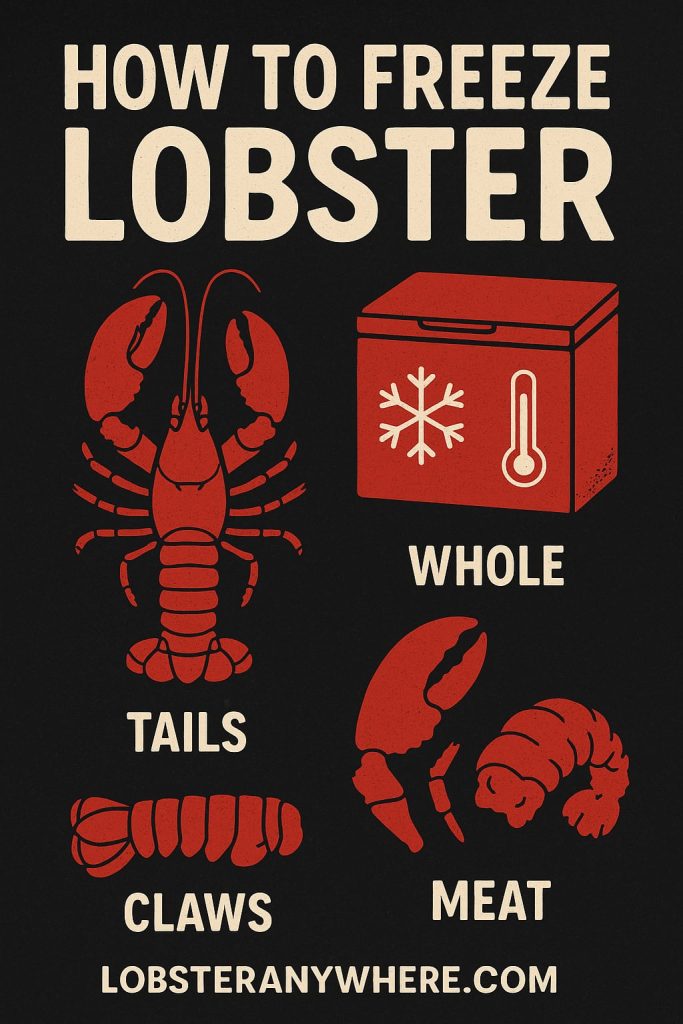
Ever found yourself with leftover lobster and wondered what to do with it? You’re not alone.
Cooked lobster is a delicacy, and wasting it would be a shame. But can you freeze a cooked lobster without losing its flavor and texture? This is a question many seafood lovers ask. The idea of savoring that delicious lobster taste again might seem too good to be true.
However, what if you could preserve every juicy bite for later? Imagine opening your freezer to find a perfectly preserved lobster, ready to enjoy whenever you want. Intrigued? Stay with us as we dive into the secrets of freezing cooked lobster, ensuring you never have to say goodbye to your favorite seafood treat too soon.
Freezing Cooked Lobster
Freezing cooked lobster is a smart way to extend its shelf life and enjoy its rich flavors later. But not all parts freeze equally well, and how you freeze them makes a big difference in taste and texture. Let’s look at what you should freeze, how to freeze it properly, and how to keep your lobster fresh in the freezer.
Best Lobster Parts To Freeze
The lobster tail and claws hold the most meat and freeze best. These parts retain their texture and flavor better than the body or legs, which have less meat and can dry out.
If you’re like me, saving the lobster knuckles and knobby joints is tempting, but they don’t freeze well and can become rubbery. Focus on the meaty sections to get the best results.
Ideal Freezing Methods
Flash freezing cooked lobster helps preserve its delicate texture. Lay the lobster pieces flat on a baking sheet and freeze them uncovered for a couple of hours before packaging.
This prevents clumping and makes it easier to take out only what you need. Avoid freezing lobster in water or heavy sauces, as the texture can suffer when thawed.
Packaging For Freshness
Use airtight packaging to protect lobster from freezer burn. Vacuum sealing is ideal, but if you don’t have a vacuum sealer, wrap the lobster tightly in plastic wrap and then place it in a heavy-duty freezer bag.
- Remove as much air as possible from the bag
- Label with the freezing date
- Store at a consistent freezing temperature
Have you ever pulled out frozen lobster only to find it dry or tasteless? Proper packaging can prevent that disappointment and keep your lobster tasting fresh for up to 3 months.
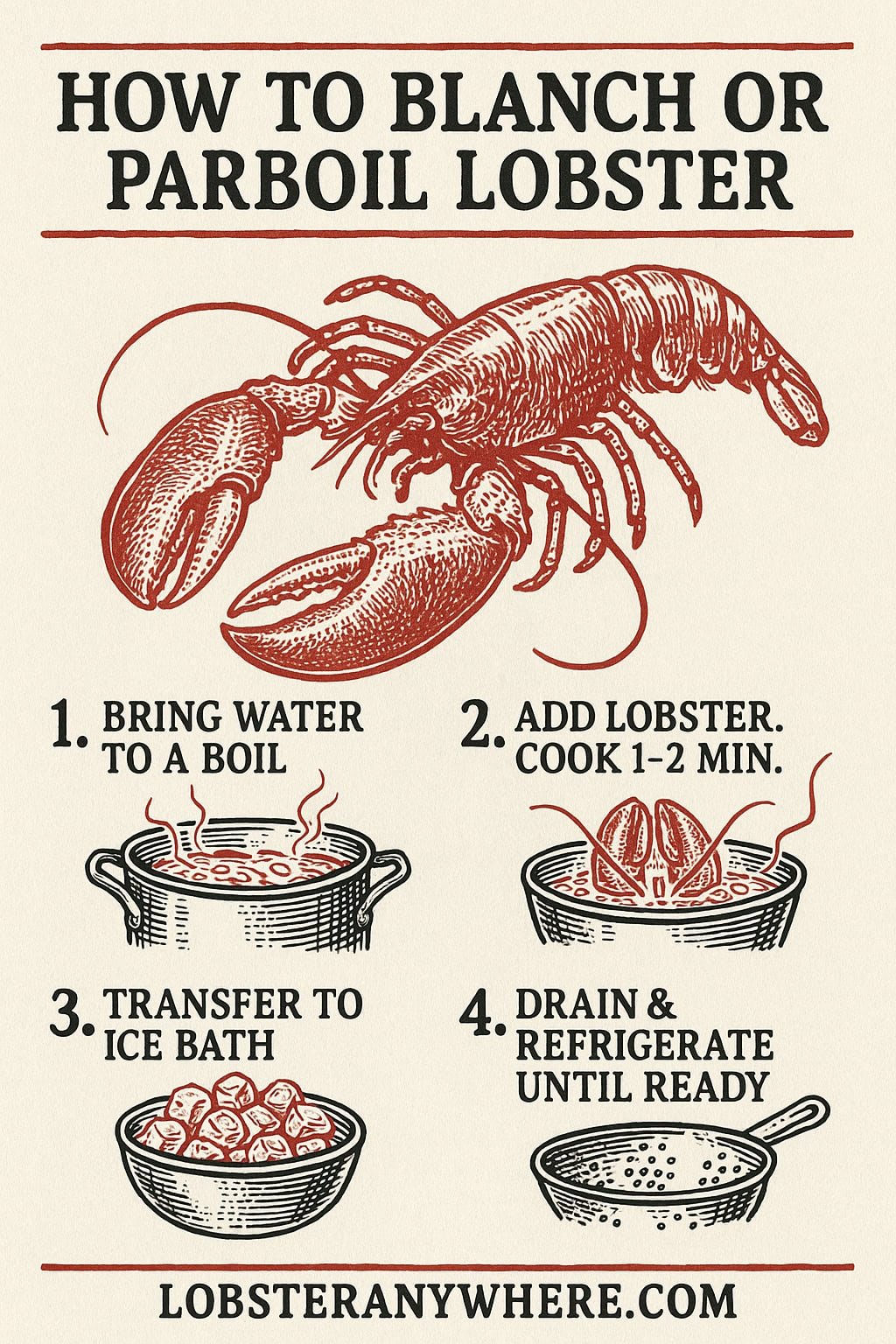
Credit: lobsteranywhere.com
Timing And Storage
Knowing the right timing and storage for freezing cooked lobster can make a huge difference in taste and texture. If you freeze it too late or store it improperly, you risk losing that fresh, sweet flavor you love. Let’s dive into how long your lobster stays fresh and the best freezer practices to keep it delicious.
How Long Lobster Stays Fresh
Cooked lobster is best enjoyed fresh, but you can freeze it to save leftovers without sacrificing quality. Ideally, you should freeze cooked lobster within 2 days of cooking to keep it at its best. After that, the flavor and texture start to decline, even if refrigerated.
Frozen cooked lobster can maintain good quality for up to 3 months. Beyond this, it might still be safe to eat, but the taste and texture will likely suffer. Have you ever noticed your frozen seafood tasting rubbery? That’s usually a sign of improper timing or storage.
Freezer Temperature Tips
Maintaining the right freezer temperature is crucial for preserving your cooked lobster’s quality. Keep your freezer at or below 0°F (-18°C) to ensure the lobster freezes quickly and stays safe.
Slow freezing causes ice crystals to form inside the meat, damaging its texture. Quick freezing locks in moisture and flavor. If your freezer doesn’t have a quick-freeze option, try placing the lobster in the coldest part of the freezer.
- Use airtight containers or heavy-duty freezer bags to prevent freezer burn.
- Remove as much air as possible before sealing to protect flavor.
- Label your packages with the date to keep track of storage time.
Would you rather sacrifice a little convenience for lobster that tastes like it just came from the pot? Then paying attention to these timing and storage details is worth every second.
Thawing Techniques
Thawing cooked lobster properly is key to preserving its delicate flavor and texture. How you thaw it can make a big difference between a delicious meal and a disappointing one. Let’s look at effective thawing techniques that keep your lobster tasting fresh and satisfying.
Safe Thawing Methods
Always prioritize safety to avoid any risk of foodborne illness. The safest way to thaw cooked lobster is in the refrigerator. Place the lobster in a sealed container or plastic bag and allow it to thaw slowly over 12 to 24 hours.
If you’re short on time, you can thaw the lobster using cold water. Keep the lobster in a waterproof bag and submerge it in cold water, changing the water every 30 minutes. This method usually takes about 1 to 2 hours, depending on the size of the lobster.
Avoid thawing cooked lobster at room temperature, as this encourages bacterial growth. Patience pays off when it comes to safety and taste.
Avoiding Texture Loss
Texture is everything with lobster, and improper thawing can make it rubbery or mushy. To keep the meat tender, don’t rush the thawing process by using hot water or microwaving, as these methods can overcook it.
After thawing, gently pat the lobster dry with paper towels before reheating. This simple step helps maintain the natural firmness and prevents the meat from becoming watery.
Have you noticed how quickly lobster can turn tough after improper thawing? Keeping these gentle methods in mind lets you enjoy lobster with the same richness as when it was freshly cooked.

Credit: lobsteranywhere.com
Reheating Cooked Lobster
Reheating cooked lobster can be tricky if you want to enjoy it as fresh and flavorful as the first time. Overheating can easily dry out the tender meat and dull its delicate taste. Knowing the right techniques can help you preserve both moisture and flavor for a satisfying meal.
Gentle Reheating Options
To avoid tough, rubbery lobster meat, choose low and slow reheating methods. Steaming is a great option—it warms the lobster evenly without drying it out. Simply place the lobster in a steaming basket over simmering water for a few minutes until heated through.
Another effective method is reheating in the oven at a low temperature, around 250°F (120°C). Wrap the lobster in foil with a little butter or water to keep it moist during warming. This technique keeps the meat tender and prevents it from overcooking.
Maintaining Flavor And Moisture
Adding a small amount of butter or broth while reheating helps maintain the lobster’s natural juices. This step can make a huge difference in taste and texture. Have you noticed how plain reheated lobster can become bland? A touch of seasoning or a squeeze of fresh lemon juice right before serving can brighten the flavors instantly.
Using a microwave is tempting for speed, but it often heats unevenly and can dry out parts of the lobster. If you must use it, try covering the lobster with a damp paper towel and heat it in short bursts to protect moisture. Keeping these small details in mind can turn your leftover lobster into a delicious treat rather than a disappointment.
Common Mistakes To Avoid
Freezing cooked lobster might seem straightforward, but many slip up in ways that can ruin its texture and flavor. Avoiding common mistakes helps keep your lobster tasting fresh and delicious even after freezing. Let’s look at key pitfalls you should be aware of before you pop your lobster into the freezer.
Freezing Lobster Whole Vs. Meat Only
Freezing a whole cooked lobster sounds convenient, but it often leads to uneven freezing and loss of flavor. The shell can protect the meat somewhat, but it also traps moisture that can form ice crystals, damaging the texture.
On the other hand, freezing just the lobster meat gives you better control. Remove the meat carefully, wrap it tightly in plastic wrap or vacuum seal it, then freeze. This prevents freezer burn and keeps the meat tender.
Think about how you’ll use the lobster later. Are you planning to use it in salads or pasta? Meat-only freezing makes thawing and portioning easier and faster.
Refreezing Risks
One of the biggest mistakes is refreezing lobster once it’s been thawed. Every freeze-thaw cycle breaks down the protein structure, resulting in a mushy, rubbery texture.
If you thaw lobster and don’t use it all, avoid putting it back in the freezer. Instead, keep leftovers in the fridge and consume within a day or two for best quality.
Have you ever noticed how refrozen seafood tastes off or smells fishy? That’s a clear sign of protein breakdown and bacterial growth. Protect your investment and enjoy your lobster at its best by freezing only what you plan to eat.
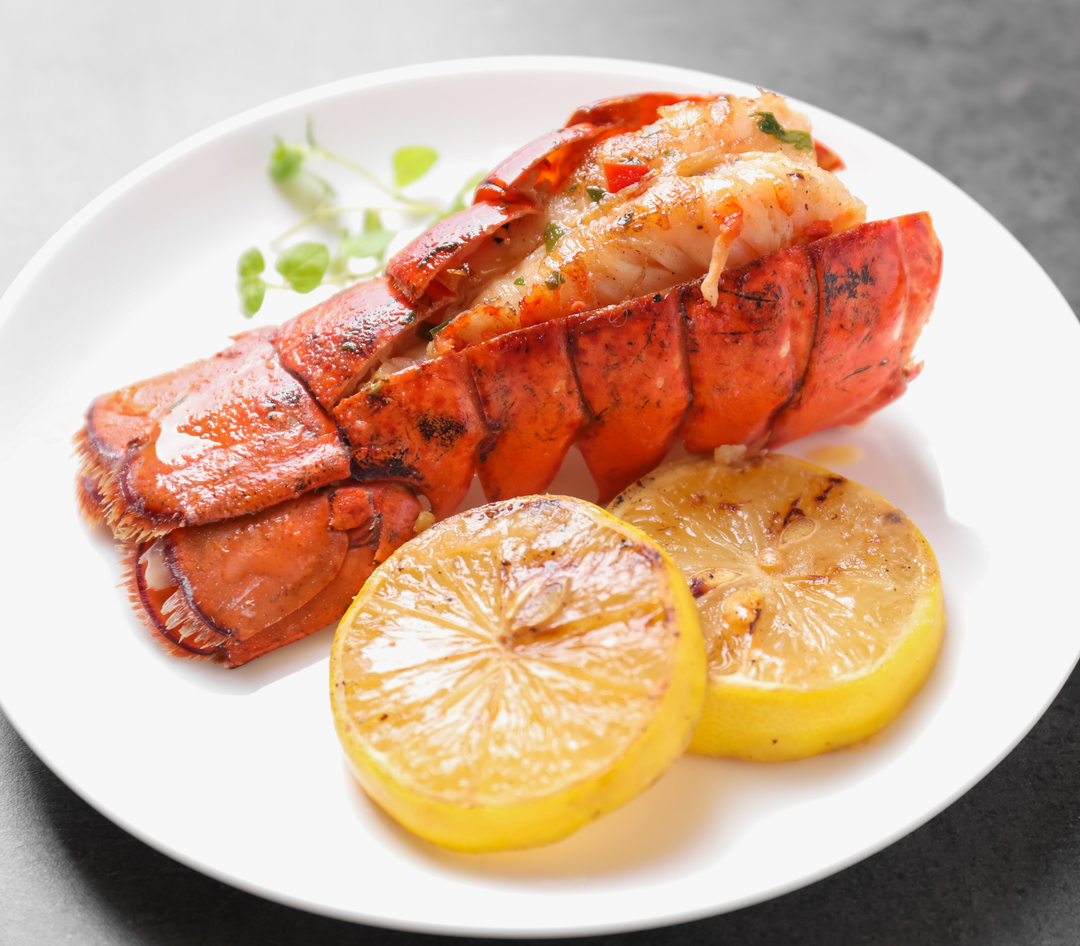
Credit: maineshelledlobster.com
Frequently Asked Questions
Can Cooked Lobster Be Frozen Safely?
Yes, cooked lobster can be frozen safely. Wrap it tightly in plastic wrap and place it in an airtight container. Freeze within two hours of cooking to maintain freshness and flavor. Proper freezing preserves the texture and taste for up to three months.
How Long Does Cooked Lobster Last In The Freezer?
Cooked lobster lasts up to three months in the freezer. Beyond this, the quality and flavor may decline. Always label the container with the freezing date. Use within this period for the best taste and texture.
What Is The Best Way To Freeze Cooked Lobster?
The best way to freeze cooked lobster is to cool it quickly. Wrap the lobster meat tightly in plastic wrap, then place it inside a freezer bag or airtight container. Remove excess air to prevent freezer burn and preserve freshness.
Can Freezing Cooked Lobster Affect Its Texture?
Yes, freezing cooked lobster can slightly affect its texture. The meat may become a bit softer or watery after thawing. However, proper wrapping and quick freezing minimize these changes, keeping the lobster tasty and enjoyable.
Conclusion
Freezing cooked lobster works well to keep it fresh. Wrap it tightly to avoid freezer burn. Use it within two months for best taste. Thaw slowly in the fridge for juicier meat. Cooked lobster can lose some texture but stays tasty.
A simple way to save leftovers and enjoy later. Just remember to store it properly every time. That’s the key to good frozen lobster dishes.