
Have you ever found yourself with an abundance of bok choy and wondered what to do with it all? Perhaps you’ve considered freezing it but aren’t quite sure if that’s the right move.
You’re not alone. Many people love the fresh, crisp taste of bok choy but struggle with keeping it fresh for longer periods. You might be asking yourself, “Can you freeze bok choy raw? ” This question isn’t just about preserving a vegetable—it’s about making your life easier and more efficient in the kitchen.
Imagine having a stash of bok choy ready whenever you need it, without any waste. The answer could transform how you manage your groceries and plan your meals. Curious? Let’s explore the possibilities and find out the best way to keep your bok choy fresh for whenever you crave its delicious crunch. Stay with us, and you might just discover a kitchen hack that saves you time and money.
Freezing Bok Choy Raw
Freezing bok choy raw is a simple way to keep it fresh longer. This method saves time for busy cooks. It also helps reduce food waste by preserving leftovers. You can freeze bok choy to use in soups, stir-fries, or smoothies later.
Knowing how freezing affects bok choy is important. Some textures and flavors may change after freezing. Preparing bok choy properly before freezing keeps quality as good as possible.
Is It Safe To Freeze Raw Bok Choy?
Freezing raw bok choy is safe for storage and eating. The cold stops bacteria growth and keeps the vegetable fresh. Make sure to wash bok choy well before freezing. Remove dirt and any damaged leaves. Dry it completely to prevent ice crystals.
Use airtight bags or containers to freeze bok choy. This prevents freezer burn and keeps flavor locked in. Label the package with the date of freezing. Use frozen bok choy within 8 to 12 months for best quality.
How Freezing Affects Texture And Flavor
Freezing raw bok choy changes its texture slightly. Water inside the leaves expands and forms ice crystals. This can make leaves softer or a bit mushy when thawed. The crunchy texture is less crisp than fresh bok choy.
The flavor of bok choy stays mostly the same after freezing. Some mild loss of freshness may happen. Cooking frozen bok choy directly without thawing helps keep flavor. It works well in cooked dishes where texture is less important.

Credit: mycuratedtastes.com
Preparing Bok Choy For Freezing
Preparing bok choy for freezing is more than just a quick rinse and toss in the freezer. Taking the time to clean, trim, and cut it properly ensures you keep its fresh flavor and crisp texture after thawing. Let’s dive into how you can get your bok choy ready so it stays delicious and ready to use whenever you need it.
Cleaning And Trimming
Bok choy often carries dirt and grit between its leaves, so thorough cleaning is a must. Start by separating the leaves and rinsing each one under cold running water. Don’t rush this step; rubbing gently between your fingers can help remove hidden dirt.
Next, trim off the tough base of the stalks where they connect. Also, check for any yellow or wilted leaves and remove them to keep your frozen bok choy fresh. Clean and trimmed bok choy freezes better and cooks more evenly later.
Cutting And Portioning
How you cut bok choy before freezing affects how you’ll use it later. If you plan to add it to stir-fries or soups, slicing the leaves and stalks into bite-sized pieces works best. Larger chunks might freeze well but can be tricky to cook evenly.
Consider portioning the bok choy based on your typical recipe needs. Freeze it in small bags or containers so you can grab just the right amount without thawing the whole batch. This saves time and reduces waste in the kitchen.
Freezing Methods
Freezing bok choy helps preserve its freshness and nutrients. Choosing the right freezing method keeps its texture and flavor intact. There are different ways to freeze bok choy, each with benefits and drawbacks. Understanding these methods makes your cooking easier and reduces food waste.
Blanching Vs. Freezing Raw
Blanching bok choy before freezing stops enzyme activity. It keeps color, texture, and nutrients better than freezing raw. To blanch, boil water and cook bok choy for 1-2 minutes. Then, cool it quickly in ice water. Drain well before freezing.
Freezing raw bok choy is quicker but may cause a softer texture. Ice crystals form and can make leaves limp after thawing. Blanching is best for long storage and cooking quality.
Packaging Tips
Use airtight containers or freezer bags to prevent freezer burn. Remove as much air as possible before sealing. Label packages with the date to track freshness. Divide bok choy into portions to avoid thawing too much at once.
- Pat bok choy dry before packing
- Use heavy-duty freezer bags or containers
- Press out air gently
- Seal tightly to keep moisture out
Freezer Storage Duration
Bok choy lasts best for 8 to 12 months in the freezer. Blanched bok choy maintains quality longer than raw frozen. Use frozen bok choy within this period for the best taste and texture. Beyond this, flavor and nutrients may decline.
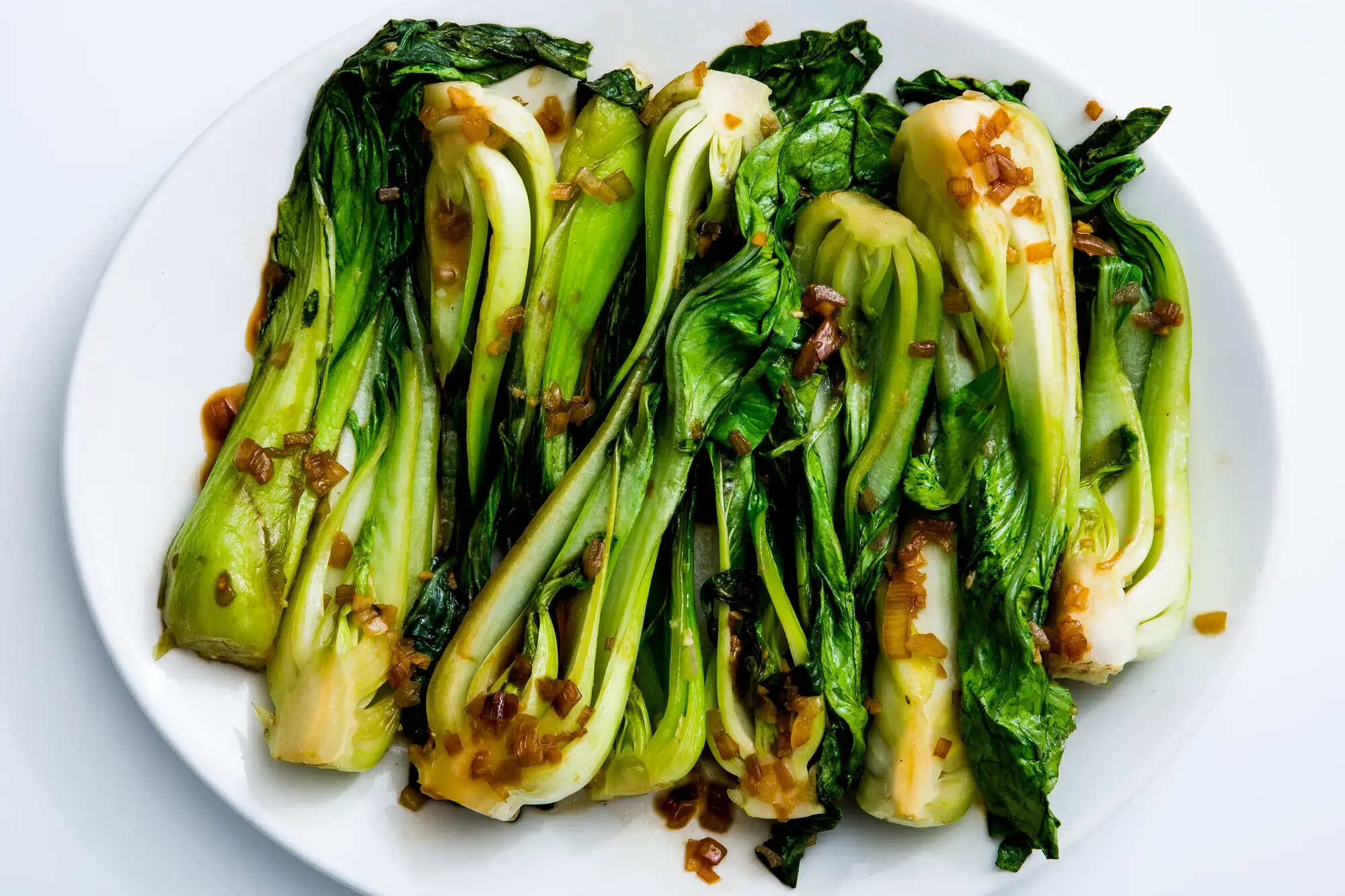
Credit: yujinizakaya.com.sg
Thawing And Using Frozen Bok Choy
Thawing and using frozen bok choy requires simple steps to keep its texture and flavor. Proper thawing helps prevent sogginess and preserves nutrients. Using frozen bok choy in the right way makes your dishes fresh and tasty.
Best Thawing Techniques
Thaw bok choy slowly for best results. Place it in the refrigerator overnight. This gentle thaw keeps leaves firm and crisp.
For quicker thawing, put frozen bok choy in a bowl of cold water. Change the water every 30 minutes until thawed. Avoid warm water, as it can make bok choy mushy.
Microwaving is an option. Use the defrost setting and check often. Stop as soon as the bok choy is soft but not cooked.
Cooking Ideas For Frozen Bok Choy
Frozen bok choy works well in soups and stews. Add it near the end of cooking to keep some crunch.
Stir-frying frozen bok choy is easy. Cook it straight from frozen in a hot pan. Add garlic and soy sauce for a simple dish.
Use frozen bok choy in casseroles or baked dishes. Mix it with other vegetables and proteins for a healthy meal.
Common Mistakes To Avoid
Freezing bok choy raw might seem simple, but several common mistakes can ruin its texture and flavor. Avoiding these pitfalls will help you keep your bok choy fresh and tasty for future meals. Let’s look at what to watch out for so you don’t end up with soggy or bitter greens.
Not Washing Thoroughly Before Freezing
Skipping a proper wash leaves dirt and grit trapped in the leaves, which becomes unpleasant when thawed. Always rinse each leaf carefully under cold water to remove any soil or debris.
Dry your bok choy completely before freezing. Excess moisture turns into ice crystals, damaging the texture.
Freezing Bok Choy Without Blanching
Freezing raw bok choy without blanching can lead to a bitter taste and limp texture. Blanching briefly in boiling water stops enzyme activity that causes spoilage.
I once froze bok choy raw, and after thawing, it tasted harsh and looked wilted. Blanching first prevents this problem.
Using Improper Packaging
Air exposure causes freezer burn and loss of flavor. Use airtight freezer bags or vacuum-sealed packs to protect your bok choy.
Don’t just toss it in any container; squeeze out as much air as possible to keep it fresh longer.
Freezing Large Or Whole Leaves
Freezing bok choy in large chunks takes longer to freeze and thaw unevenly. Cut it into smaller, uniform pieces before freezing.
This also helps you grab just the right amount for cooking without thawing the entire batch.
Ignoring Freezing Time Limits
Bok choy doesn’t last forever in the freezer. Keep it for no more than 3 months for the best taste and texture.
Mark the date on your packaging to avoid forgetting how long it’s been stored.
Maintaining Freshness After Freezing
Freezing bok choy helps preserve it for future meals. Maintaining freshness after freezing ensures the best taste and texture. Proper storage and handling reduce quality loss and keep bok choy enjoyable. Understanding how to spot freezer damage and store bok choy well extends its shelf life.
Signs Of Freezer Burn
Freezer burn happens when frozen food loses moisture. It affects bok choy’s texture and flavor negatively. Look for these signs:
- Dry, leathery spots on leaves or stems
- Color changes to brown, gray, or white patches
- Brittle or crumbly texture when thawed
- Unpleasant off-flavors or odors
Freezer-burned bok choy is safe but may taste bad. Using airtight packaging helps prevent freezer burn.
Tips For Long-term Storage
- Wash bok choy thoroughly and dry well before freezing
- Cut into pieces for easier use after thawing
- Use airtight freezer bags or vacuum-sealed containers
- Remove as much air as possible from packaging
- Label with date to track storage time
- Freeze bok choy quickly to reduce ice crystal formation
- Store at consistent freezing temperature, ideally below 0°F (-18°C)
Follow these tips to keep bok choy fresh and tasty for months.

Credit: mycuratedtastes.com
Frequently Asked Questions
Can You Freeze Bok Choy Raw Safely?
Yes, you can freeze bok choy raw, but it may lose texture. Blanching before freezing preserves flavor and nutrients better.
How To Freeze Bok Choy For Best Results?
Blanch bok choy in boiling water for 2 minutes, cool in ice water, drain, then freeze in airtight bags.
Does Freezing Raw Bok Choy Affect Its Taste?
Freezing raw bok choy can slightly soften its texture, but the taste remains mostly fresh and mild.
How Long Can You Store Frozen Bok Choy?
Frozen bok choy lasts up to 10-12 months in the freezer when properly sealed and stored.
Conclusion
Freezing bok choy raw is possible but needs care. Wash and dry it well before freezing. Cutting into pieces helps it freeze evenly. Use airtight bags to keep it fresh longer. Frozen bok choy works best in cooked dishes. Texture may change after freezing but flavor stays.
Keep frozen bok choy for up to six months. Enjoy your veggies anytime with simple freezing steps. Save money and reduce waste by freezing bok choy. It’s easy and practical for busy kitchens.