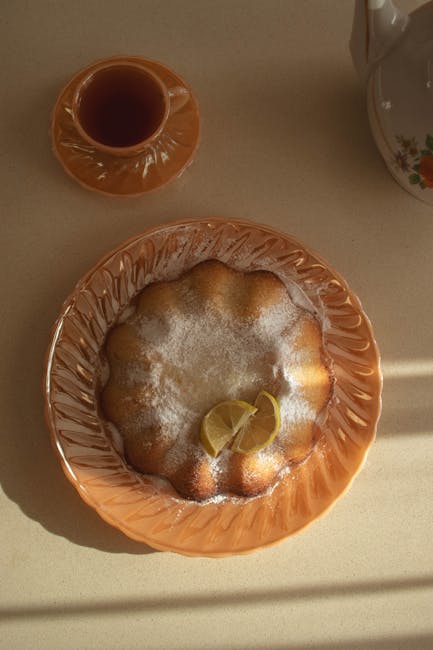
Have you ever found yourself with leftover cake and wondered how to keep it fresh for longer? Or maybe you’ve baked a cake in advance for a special occasion and are curious if freezing it in Tupperware is a viable option.
You’re not alone! Many cake lovers, just like you, face the dilemma of how to preserve that delicious, moist texture without sacrificing flavor. Imagine opening your freezer and finding a perfectly preserved cake, ready to enjoy at a moment’s notice.
That’s the power of smart storage solutions. We’ll unravel the secrets of freezing cake in Tupperware, ensuring you never waste a crumb again. Stick with us as we explore the dos and don’ts, so you can savor every last bite!

Credit: sallysbakingaddiction.com
Benefits Of Freezing Cake
Freezing cake in Tupperware offers several advantages that make it a smart choice for anyone who enjoys baking or simply wants to avoid food waste. Whether you bake a large cake for a special occasion or buy one to share, freezing helps you keep it delicious for longer.
Extending Shelf Life
Freezing cake significantly extends its shelf life beyond what refrigeration can offer. Instead of worrying about your cake going stale in a few days, you can preserve it for weeks or even months.
This means you can bake or buy in bulk and store your cake safely, saving money and reducing trips to the store. Have you ever had leftover cake that you didn’t want to throw away but also didn’t want to eat immediately? Freezing solves that problem perfectly.
Maintaining Freshness
When you freeze cake properly in airtight Tupperware, you lock in moisture and flavor. This prevents the cake from drying out or absorbing unwanted odors from the freezer.
Many people assume freezing ruins texture, but if done right, the cake stays just as soft and tasty when thawed. You can enjoy your cake as if it were freshly baked, making it a great option for special treats.
Convenience For Future Use
Freezing cake in Tupperware gives you the freedom to enjoy dessert whenever you want without extra prep time. You can thaw a slice quickly for a last-minute snack or thaw the whole cake for a party.
This method also helps with meal planning and portion control. Imagine having ready-to-eat cake slices stocked in your freezer—no need to rush eating it all at once or feel guilty about indulgence.
Choosing The Right Tupperware
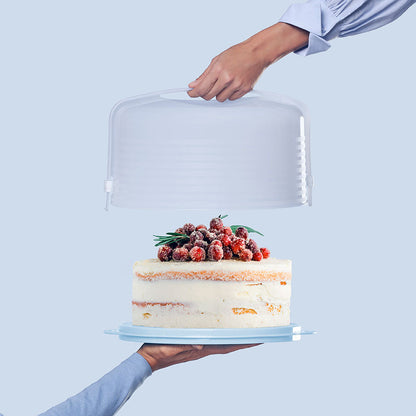
Choosing the right Tupperware is key to freezing cake successfully. The container must protect the cake and keep it fresh. The wrong choice can lead to freezer burn or soggy textures. Focus on size, shape, material, and sealing ability. These factors help maintain the cake’s flavor and texture during freezing.
Size And Shape Considerations
Select Tupperware that fits the cake snugly without squishing it. Avoid containers that are too large, as extra air causes freezer burn. Round cakes need round containers for even coverage. Square or rectangular cakes fit best in matching containers. Make sure there is enough room for wrapping the cake inside the container.
Material Quality And Seal
Choose Tupperware made from durable, food-safe plastic. The material should resist cracking at low temperatures. A tight-fitting lid is essential to prevent air and moisture from entering. Look for containers with silicone seals or locking clips. These features keep the cake fresh and free from odors.
Avoiding Freezer Burn
Freezer burn dries out cake and changes its taste. Use Tupperware with an airtight seal to block air exposure. Wrap the cake in plastic wrap or foil before placing it inside. This double layer protects the cake’s moisture. Label the container with the freezing date for best freshness management.
Preparing Cake For Freezing
Preparing cake for freezing is an important step to keep its taste and texture intact. Proper preparation stops the cake from drying out or absorbing freezer odors. Using Tupperware to freeze cake works well if the cake is ready to be stored safely.
Cooling The Cake Completely
Always cool the cake fully before freezing. Warm cake traps moisture inside the container. This causes sogginess and ice crystals. Leave the cake on a wire rack for a few hours. Ensure no heat remains before wrapping or placing it in Tupperware.
Wrapping Techniques
Wrap the cake tightly to protect it from freezer burn. Use plastic wrap first, covering every part of the cake. Then, wrap it again with aluminum foil for extra protection. This double layer keeps air out and moisture in. Make sure the wrap is snug without squashing the cake.
Portioning For Easy Access
Cut the cake into slices or smaller pieces before freezing. Portioning helps to thaw only what you need. Place each portion in separate airtight containers or wrap them individually. This method saves time and keeps the rest of the cake fresh in the freezer.

Credit: sallysbakingaddiction.com
Freezing Process Tips
Freezing cake in Tupperware is a smart way to keep your baked goods fresh longer. However, the freezing process needs a bit of attention to make sure the cake stays moist and delicious. Here are some practical tips to help you freeze your cake properly and enjoy it later without any loss in quality.
Optimal Freezer Temperature
Set your freezer temperature to 0°F (-18°C) or lower. This temperature slows down the growth of ice crystals that can damage the cake’s texture.
If your freezer fluctuates above this, the cake might develop freezer burn or become dry. Double-check your freezer settings before storing your cake to maintain consistent cold.
Stacking And Storage
Use airtight Tupperware containers that fit your cake snugly. Avoid overcrowding the freezer; too many containers stacked can restrict airflow and cause uneven freezing.
If you have multiple cakes or layers, separate them with parchment paper to prevent sticking. This way, you can easily remove just one piece without thawing the entire batch.
Labeling And Dating
Always label your Tupperware with the cake type and freezing date. This helps you keep track and use the oldest cake first, reducing waste.
Consider using waterproof markers or adhesive labels to ensure the information stays legible even in cold, moist conditions.
Thawing Cake Properly
Thawing cake properly preserves its taste and texture after freezing. Cakes frozen in Tupperware need careful thawing. This ensures the cake stays moist and soft, not dry or crumbly. Understanding the best thawing methods helps enjoy your cake just like fresh.
Room Temperature Thawing
Remove the cake from the freezer. Keep it inside the Tupperware to avoid exposure to air. Let the cake sit at room temperature for several hours. Usually, 3 to 4 hours works well for most cakes. This slow thawing keeps the cake moist and soft. Avoid opening the container too often to keep the humidity inside. Room temperature thawing is gentle and best for delicate cakes.
Microwave Thawing Tips
Microwave thawing is faster but needs care. Use a low power setting to prevent overheating. Heat the cake in short bursts of 10 to 15 seconds. Check the cake between intervals to avoid melting or drying out. Keep the cake covered with a microwave-safe lid or wrap. This traps moisture and prevents the cake from becoming hard. Microwave thawing works well for small cake pieces or slices.
Avoiding Moisture Loss
Moisture loss is the main cause of dry cake after thawing. Keep the cake tightly sealed in Tupperware during freezing and thawing. Use plastic wrap around the cake before placing it in the container. Avoid exposing the cake to air during thawing. If the cake seems dry, add a slice of bread inside the container. The bread helps keep the cake moist. Proper sealing and gentle thawing protect the cake’s texture.
Credit: www.tupperware.com
Common Mistakes To Avoid
Freezing cake in Tupperware seems simple, but many overlook key details that affect the cake’s taste and texture after thawing. Avoiding common mistakes can save you from disappointing results. Here’s what you need to watch out for to keep your cake fresh and delicious.
Freezing Warm Cake
Placing warm cake directly into Tupperware before freezing traps steam inside, which turns into ice crystals. These crystals damage the cake’s texture, making it soggy and crumbly once thawed.
Always let your cake cool completely on a wire rack before sealing it in Tupperware. This prevents moisture buildup and keeps your cake moist but not wet. Have you ever bitten into a frozen cake that felt like a soggy sponge? That’s exactly what happens when you freeze it warm.
Using Poor Quality Containers
Not all Tupperware is created equal. Thin or cheap containers can crack or let in air, which dries out your cake and leads to freezer burn.
Invest in sturdy, airtight containers designed for freezing. If your Tupperware isn’t airtight, wrap the cake tightly in plastic wrap before placing it inside. Do you think your containers provide a proper seal? If not, your cake might be losing flavor and moisture.
Ignoring Air Exposure
Air is the enemy of frozen cake. When air reaches your cake, it causes freezer burn, leading to dry, flavorless slices.
To avoid this, wrap your cake layers in plastic wrap or aluminum foil before putting them in Tupperware. Press out as much air as possible. This extra step locks in freshness and keeps your cake tasting just-baked. How much care do you take to protect your cake from air exposure during freezing?
Alternative Storage Options
Finding the right way to store your cake can make all the difference in preserving its freshness and flavor. While Tupperware is a popular choice, there are other storage options that might work better depending on your cake type and freezing duration. Let’s look at some alternatives that can keep your cake tasting just as good as the day it was baked.
Freezer Bags Vs Tupperware
Freezer bags offer a flexible and space-saving option. They can be squeezed tightly around cake pieces, reducing air exposure which helps prevent freezer burn.
However, Tupperware provides a rigid barrier that protects delicate cake layers from getting squished. If you’re freezing a whole cake or large slices, Tupperware might be a safer bet.
Which matters more to you: saving space or protecting shape? Your answer can guide your choice between these two.
Using Parchment Paper
Parchment paper is a simple but effective tool when storing cake in the freezer. Wrapping each cake layer or slice individually in parchment prevents them from sticking together.
This method also helps maintain moisture balance by creating a breathable barrier. Have you ever tried wrapping your cake in parchment before freezing? It might surprise you how much fresher it stays.
Vacuum Sealing Benefits
Vacuum sealing removes air completely, which significantly extends your cake’s freezer life. This method locks in moisture and stops odors from other foods from affecting your cake’s taste.
It’s especially useful if you want to freeze cake for weeks or months. Do you have a vacuum sealer? Using one could be a game changer for your baking storage routine.
Frequently Asked Questions
Can You Freeze Cake Directly In Tupperware?
Yes, you can freeze cake in Tupperware. Use an airtight container to keep the cake fresh. Wrap the cake in plastic wrap before placing it in Tupperware for extra protection. This prevents freezer burn and maintains moisture.
How Long Can Cake Stay Frozen In Tupperware?
Cake can stay frozen in Tupperware for up to 3 months. Beyond that, the texture and flavor may degrade. Always label the container with the freezing date to ensure you consume it while fresh.
Should You Slice Cake Before Freezing In Tupperware?
It’s best to slice cake before freezing in Tupperware. Slicing makes it easier to thaw and serve only the needed portion. Wrap each slice tightly to preserve freshness and prevent freezer odors.
Can Frosting Affect Freezing Cake In Tupperware?
Yes, frosting can affect freezing. Buttercream freezes well, but whipped cream or cream cheese frosting may separate. For best results, freeze the cake and frost it after thawing.
Conclusion
Freezing cake in Tupperware works well to keep it fresh. Make sure the cake cools completely before placing it in the container. Seal the Tupperware tightly to stop air and moisture from entering. Store the cake in the freezer for up to three months.
Thaw it slowly in the fridge for best taste and texture. This method saves your cake and reduces waste. Enjoy your cake whenever you want, without rushing to eat it. Simple, easy, and effective.