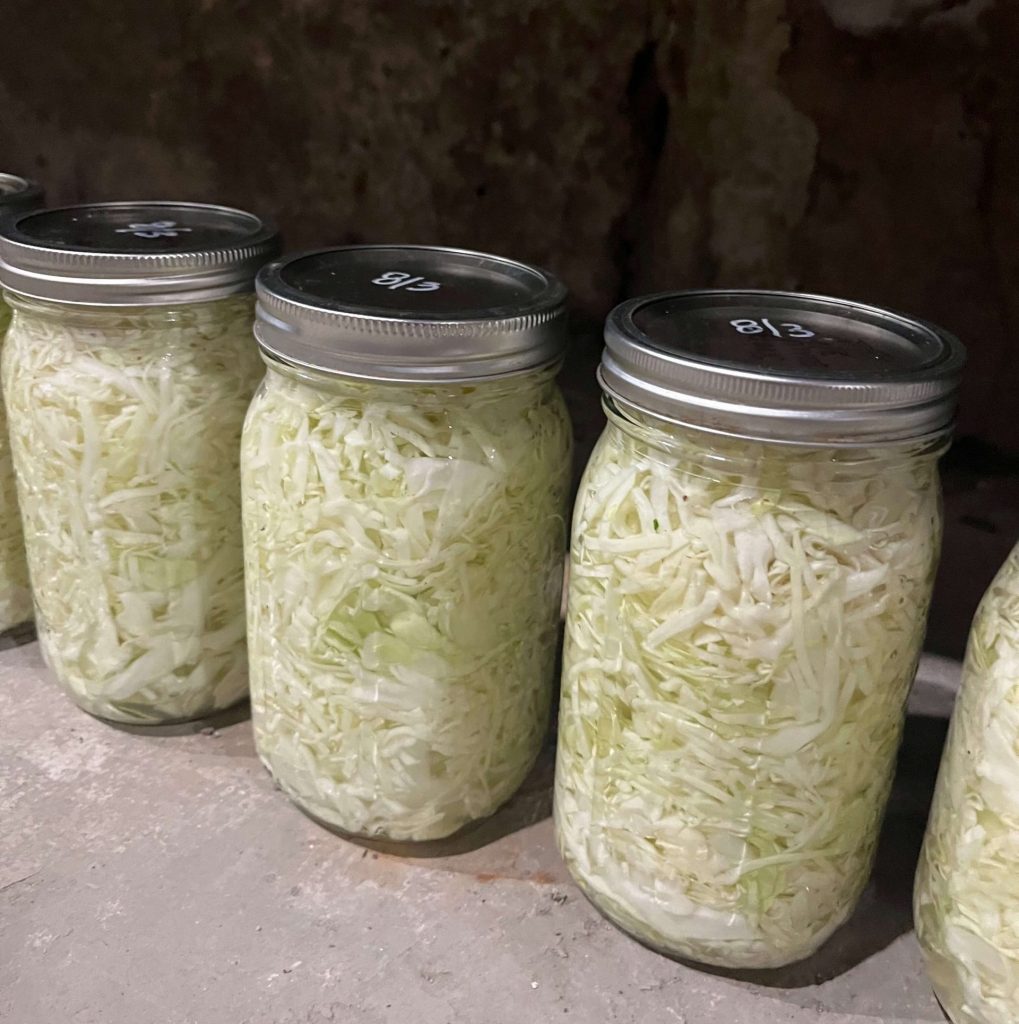
Have you ever found yourself with an extra can of sauerkraut and wondered if you could just pop it into the freezer? You’re not alone.
Many people face the same dilemma. Sauerkraut is a tangy delight, perfect for adding a burst of flavor to your meals, but sometimes you just can’t finish the whole can. The idea of wasting food can be troubling, especially when it comes to such a versatile ingredient.
Imagine being able to extend its shelf life and enjoy it whenever you like, without worrying about it going bad. Sounds ideal, right? We’ll dive into whether you can freeze canned sauerkraut, ensuring you never have to waste a single bite. Stick around, and discover how you can make the most of your sauerkraut stash.
Freezing Basics For Canned Sauerkraut
Freezing canned sauerkraut is a handy way to extend its shelf life and reduce waste. But before you pop that sauerkraut into the freezer, it helps to understand how freezing changes its texture and flavor. Knowing the best containers to use will also ensure your sauerkraut stays fresh and tasty when thawed.
How Freezing Affects Texture And Flavor
Freezing sauerkraut can alter its crunchiness. The water inside the cabbage expands as it freezes, which can make the sauerkraut softer once thawed. You might notice a less crisp texture than fresh sauerkraut, but the tangy flavor usually remains strong.
Have you ever frozen sauerkraut and been surprised by how mushy it became? This happens because of ice crystal formation breaking down the cabbage’s cell walls. To keep the flavor intact, avoid freezing for too long—ideally, use it within 2 to 3 months.
Ideal Containers For Freezing Sauerkraut
Choosing the right container is key to preventing freezer burn and preserving flavor. Airtight containers or heavy-duty freezer bags work best. Make sure to squeeze out as much air as possible before sealing to protect the sauerkraut from moisture loss.
- Use glass jars with tight-fitting lids if you prefer reusable containers.
- Plastic freezer-safe containers also keep out air effectively.
- Label your containers with the date to keep track of freshness.
Have you tried freezing sauerkraut in its original can? It’s not recommended, as cans are not designed for freezing and can warp or leak. Transferring to a suitable container will save you hassle and keep your sauerkraut tasting its best.
Step-by-step Freezing Process
Freezing canned sauerkraut extends its shelf life and keeps its flavor intact. The process is simple and requires minimal preparation. Follow clear steps to ensure the best results. Proper freezing preserves texture and taste well.
Preparing Sauerkraut For Freezing
Drain the sauerkraut to remove excess liquid. This prevents icy crystals from forming. Spread it out on a clean paper towel to absorb moisture. Pat it gently to dry without crushing. Divide sauerkraut into portions you will use later. Smaller portions thaw faster and reduce waste.
Sealing And Labeling Tips
Use airtight containers or heavy-duty freezer bags for storage. Press out air to prevent freezer burn. Seal containers tightly to keep freshness. Label each package with the date of freezing. Use a permanent marker on the container or bag. This helps track storage time easily. Proper labeling avoids confusion during thawing.
Storage Duration And Safety
Proper storage of canned sauerkraut after freezing ensures its quality and safety. Freezing can extend the shelf life but only for a limited time. Knowing the right duration helps avoid waste and health risks. Safety is vital to keep the food edible and tasty.
Recommended Freezing Time
Frozen canned sauerkraut stays good for about 6 to 8 months. Beyond this time, texture and flavor can decline. Store sauerkraut in airtight containers or freezer bags. Remove excess air to prevent freezer burn. Label the container with the freezing date for easy tracking.
Signs Of Spoilage After Freezing
Check frozen sauerkraut carefully before use. Look for unusual colors like dark spots or fading. A bad smell means it is spoiled. Texture may become mushy or slimy. If you see ice crystals inside the container, it may lose quality. When in doubt, throw it out to stay safe.
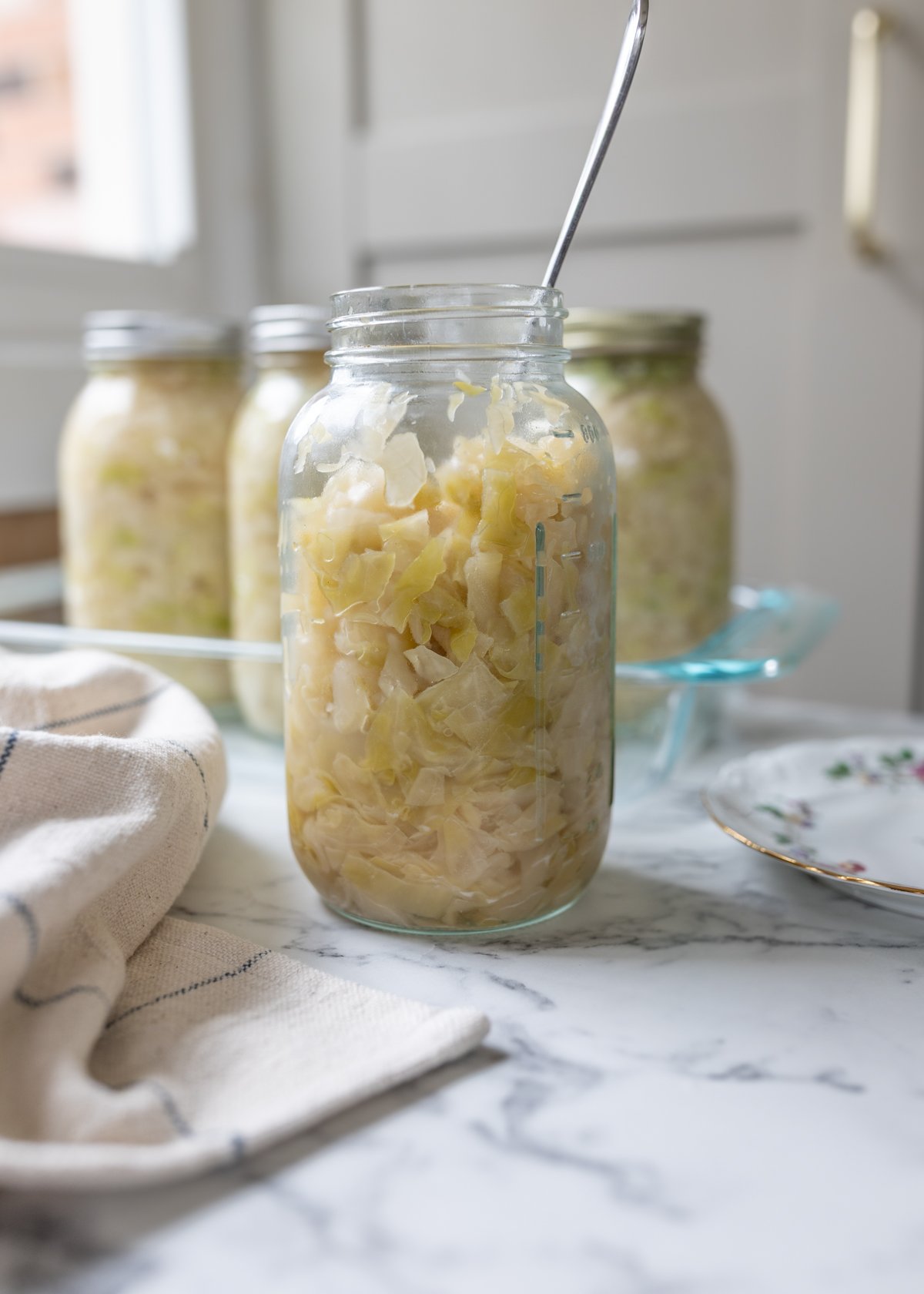
Credit: www.alyonascooking.com
Thawing And Using Frozen Sauerkraut
Thawing and using frozen sauerkraut can be a straightforward process, but it requires some care to maintain its texture and flavor. How you thaw it impacts the final taste and how well it holds up in your recipes. Let’s look at the best ways to thaw your sauerkraut and how to handle it in cooking after it’s been frozen.
Best Thawing Methods
Thaw sauerkraut slowly for the best texture. The easiest way is to leave it in the refrigerator overnight. This gentle thaw keeps the sauerkraut fresh and prevents it from becoming mushy.
If you’re in a hurry, you can use the microwave’s defrost setting. Just be careful not to heat it too much, or the sauerkraut can lose its crunch and develop a cooked flavor.
Some people try thawing sauerkraut at room temperature. While this works, it’s less safe because it can encourage bacterial growth. Stick to the fridge or microwave to keep your food safe.
Cooking Tips Post-thaw
Frozen sauerkraut tends to soften a bit after thawing, so adjust your recipes accordingly. If you like it crunchy, add fresh sauerkraut or use the frozen one in cooked dishes like soups or stews.
Heat thawed sauerkraut gently. Overcooking can make it too soft and lose its tangy flavor. Adding a splash of vinegar or some caraway seeds can brighten up the taste after freezing.
Have you noticed how frozen sauerkraut changes in texture? Using it in casseroles or with sausages can mask these changes and still deliver great flavor. Try experimenting to find what works best for you.
Alternatives To Freezing Sauerkraut
Freezing canned sauerkraut is not always the best choice. It can change the texture and taste. Luckily, there are other ways to keep sauerkraut fresh and tasty. These alternatives help keep its crunch and flavor for longer.
Refrigeration Guidelines
Store opened canned sauerkraut in a sealed glass or plastic container. Keep it in the refrigerator at or below 40°F (4°C). Use it within 1 to 2 weeks for the best taste and safety. Avoid leaving sauerkraut out at room temperature. Always use clean utensils to prevent contamination.
Canning And Preserving Options
Home canning sauerkraut allows longer storage without freezing. Use sterilized jars and follow safe canning procedures. Pressure canning is best to prevent spoilage. Another option is fermenting fresh cabbage again to maintain flavor and crunch. You can also preserve sauerkraut in vinegar or brine for different tastes. Proper sealing and storage in a cool, dark place extend shelf life.

Credit: redfeatherfarmohio.com
Common Mistakes To Avoid
Freezing canned sauerkraut can extend its shelf life but mistakes can spoil the taste and texture. Many people make simple errors that ruin their saved sauerkraut. Avoiding these errors keeps your sauerkraut fresh and tasty after freezing.
Freezing Sauerkraut In Original Can
Freezing sauerkraut inside the original can is a bad idea. Cans are not designed for freezing temperatures. When sauerkraut freezes, it expands and can cause the can to bulge or leak. This damages the seal and invites bacteria. Always transfer the sauerkraut to a freezer-safe container. Use airtight plastic containers or heavy-duty freezer bags. Label the container with the date to track freshness.
Refreezing Sauerkraut
Refreezing sauerkraut after thawing harms its quality. Each freeze-thaw cycle breaks down the texture and flavor. Thawed sauerkraut may become soggy and bland. Only freeze the amount you plan to use. Store leftovers in the refrigerator and consume quickly. Avoid leaving sauerkraut at room temperature too long before freezing. This prevents bacterial growth and food spoilage.

Credit: www.homemademastery.com
Frequently Asked Questions
Can You Freeze Canned Sauerkraut Safely?
Yes, you can freeze canned sauerkraut safely. Freezing preserves its flavor and texture well. Use airtight containers to avoid freezer burn. Thaw it in the fridge for best results. Avoid refreezing to maintain quality and taste.
Does Freezing Affect Sauerkraut’s Taste Or Texture?
Freezing may slightly soften sauerkraut’s texture but won’t affect its taste much. The fermentation flavors remain intact. Proper packaging helps maintain freshness. Thaw it slowly in the refrigerator for the best texture.
How Long Can Frozen Canned Sauerkraut Last?
Frozen canned sauerkraut can last up to 6 months. Store it in airtight containers or freezer bags. Label with the freezing date for easy tracking. Consume within this period for optimal flavor and quality.
Should You Thaw Canned Sauerkraut Before Cooking?
Yes, it’s best to thaw canned sauerkraut in the refrigerator before cooking. This ensures even heating and preserves texture. Avoid thawing at room temperature to reduce bacterial risks. Once thawed, cook or consume promptly for safety.
Conclusion
Freezing canned sauerkraut can keep it fresh longer. It stays safe and tasty if stored properly. Use airtight containers or freezer bags to avoid freezer burn. Remember, texture may change slightly after thawing. Still great for cooking and adding flavor.
Always thaw in the fridge for best results. Now you can enjoy sauerkraut even after its best-by date. Simple steps help reduce food waste and save money. Try freezing and see how it works for you.