Have you ever found yourself with a leftover batch of cheese sauce and wondered what to do with it? Cheese sauce is a delicious addition to many dishes, but sometimes you end up with more than you can use at once.
The big question is: can you freeze cheese sauce to enjoy later? Before you toss it out or let it sit forgotten in the fridge, let’s explore how freezing might be the perfect solution. Dive into this article to discover the secrets of preserving that rich, creamy texture and flavor, so you can savor every last drop whenever you please.
Your kitchen adventures are about to get much easier and tastier!
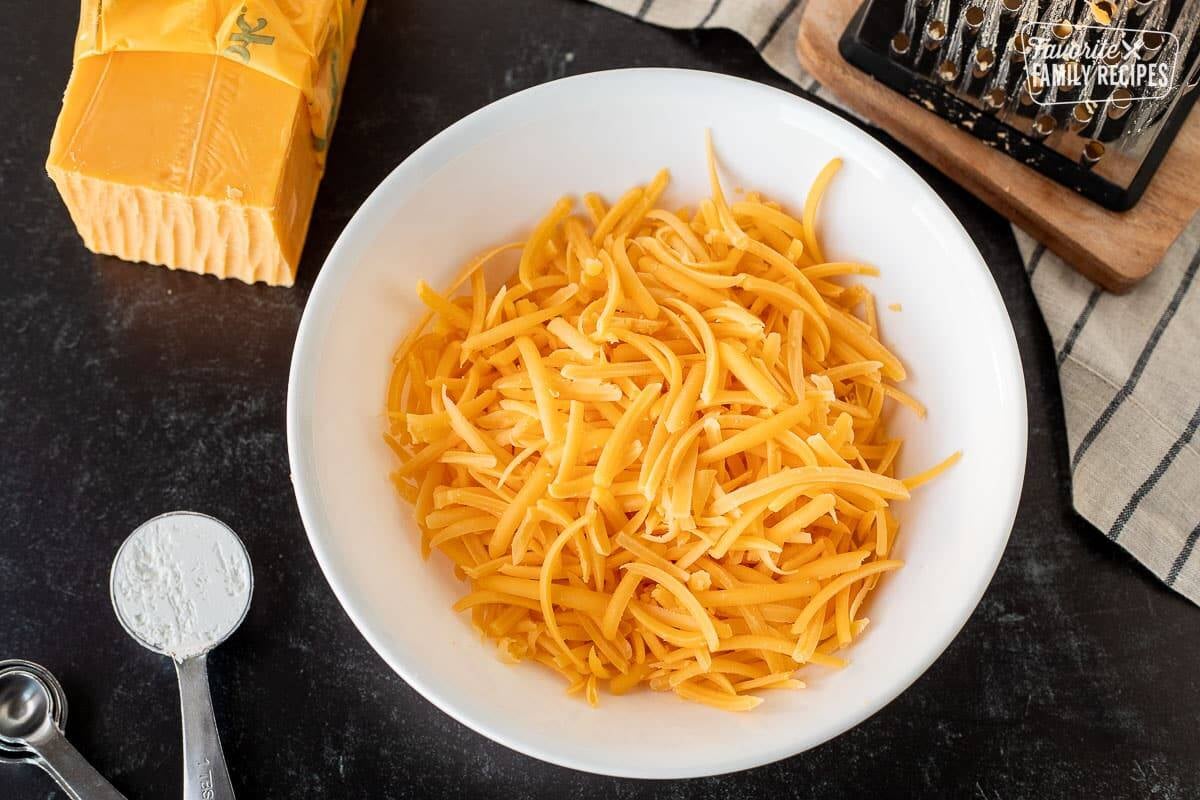
Credit: www.favfamilyrecipes.com
Cheese Sauce Basics
Cheese sauce is a beloved addition to many dishes, from nachos to pasta. Understanding its basics helps you decide if freezing it is a good idea for your kitchen. Let’s break down what makes cheese sauce what it is, so you know exactly how its ingredients and texture will react to freezing and reheating.
Common Ingredients
Most cheese sauces start with a few simple ingredients:
- Cheese:Usually cheddar, but sometimes mozzarella, Parmesan, or a mix.
- Milk or cream:Adds creaminess and smoothness.
- Butter:Helps create a rich base and improves mouthfeel.
- Flour:Used as a thickener in a roux to give the sauce body.
- Seasonings:Salt, pepper, and sometimes mustard or garlic for flavor.
These ingredients work together to create a sauce that is creamy and flavorful. Have you ever noticed how skipping the roux makes the sauce too runny? That’s why each component plays a critical role.
Texture And Consistency
The texture of cheese sauce is key to its appeal. It should be smooth and velvety, thick enough to coat a spoon but not so thick that it clumps.
Freezing can change this texture. Cheese fat tends to separate, and sauces made with milk or cream might become grainy or watery after thawing.
Think about the last time you reheated cheese sauce—did it stay creamy or turn lumpy? This happens because the emulsion breaks down. Knowing this can help you decide whether to freeze your sauce or use it fresh.
Freezing Cheese Sauce
Freezing cheese sauce can save time and reduce food waste. It allows you to keep extra sauce for later meals. But not all cheese sauces freeze well. Knowing which cheeses hold up better helps maintain taste and texture. Proper preparation before freezing also ensures the sauce stays smooth and creamy after thawing.
Which Cheeses Freeze Well
Hard and aged cheeses usually freeze better than soft cheeses. Cheeses like cheddar, parmesan, and gouda keep their flavor after freezing. These cheeses have less moisture, which helps prevent texture changes.
- Cheddar
- Parmesan
- Gouda
- Swiss
Soft cheeses like cream cheese and ricotta may separate or become grainy after freezing. Avoid freezing sauces made mainly from these cheeses.
Preparing Sauce For Freezing
Cool the cheese sauce completely before freezing. Hot sauce can cause ice crystals and spoil texture. Use airtight containers or freezer bags for storage.
- Leave some space for expansion
- Label with date and contents
- Divide into small portions for easy thawing
Stir the sauce well before freezing. This helps keep the cheese evenly mixed. Avoid adding thickening agents like flour or cornstarch before freezing. Add them fresh after thawing if needed.
Storage Tips
Storing cheese sauce properly is key to keeping its flavor and texture intact after freezing. If you don’t handle it right, the sauce can separate or become grainy when thawed. Paying attention to how you store it will save you from unpleasant surprises later.
Best Containers To Use
Choose airtight containers to prevent freezer burn and keep the sauce fresh. Small plastic containers with tight-fitting lids work well because they minimize the amount of air inside. Mason jars are another great option, but leave some space at the top since the sauce will expand as it freezes.
Consider using freezer-safe silicone bags if you want to save space. Lay the bags flat in the freezer to freeze the sauce evenly and make stacking easier. Avoid using thin plastic wrap or containers that aren’t designed for freezing, as they can let in moisture and affect taste.
Labeling And Dating
Always label your containers with the date you froze the cheese sauce. This helps you keep track of how long it’s been stored and ensures you use it while it’s still good. Use a permanent marker or freezer tape for clear, long-lasting labels.
Adding the type of sauce or any special ingredients on the label can also be helpful. It’s easy to forget what you froze, especially if you make different flavors or recipes. Would you rather waste time guessing or have the info ready at a glance?
Thawing Methods
Thawing cheese sauce properly keeps its creamy texture and rich flavor. Choosing the right thawing method avoids clumps and separation. Patience and care help maintain the sauce’s smooth consistency. Use gentle warming techniques for the best results.
Refrigerator Thawing
Place frozen cheese sauce in the fridge for slow thawing. This method takes several hours or overnight. It preserves taste and texture well. Keep the sauce in a sealed container to avoid odors. Stir the sauce gently once thawed to mix any separated parts.
Quick Thaw Options
For faster thawing, use a microwave or stovetop. Heat the sauce in short bursts on low power. Stir often to prevent overheating and curdling. On the stove, warm the sauce in a pan over low heat. Stir constantly to maintain smoothness. Avoid high heat to stop the sauce from breaking.
Reheating Cheese Sauce
Reheating cheese sauce needs care to keep its smooth texture. The sauce can separate or become grainy if heated too fast. Warm it gently for best results. Slow reheating helps keep the sauce creamy and tasty. Use low heat on the stove or microwave in short bursts. Stir often to spread heat evenly and avoid burning.
Avoiding Separation
Heat cheese sauce slowly to stop the fat from separating. Use low heat and stir constantly. Avoid boiling the sauce, which can cause curdling. Adding a small splash of milk or cream before heating helps keep the sauce smooth. Use a double boiler for gentle heat control. If using a microwave, heat in short intervals and stir well.
Restoring Creaminess
If the sauce looks grainy or thick, fix it by adding liquid. Warm milk or cream works best for thinning the sauce. Add a little at a time and stir until smooth. Using a whisk can help mix the sauce better. Heating the sauce slowly while stirring brings back its creamy texture. Avoid overheating to keep the sauce silky and rich.
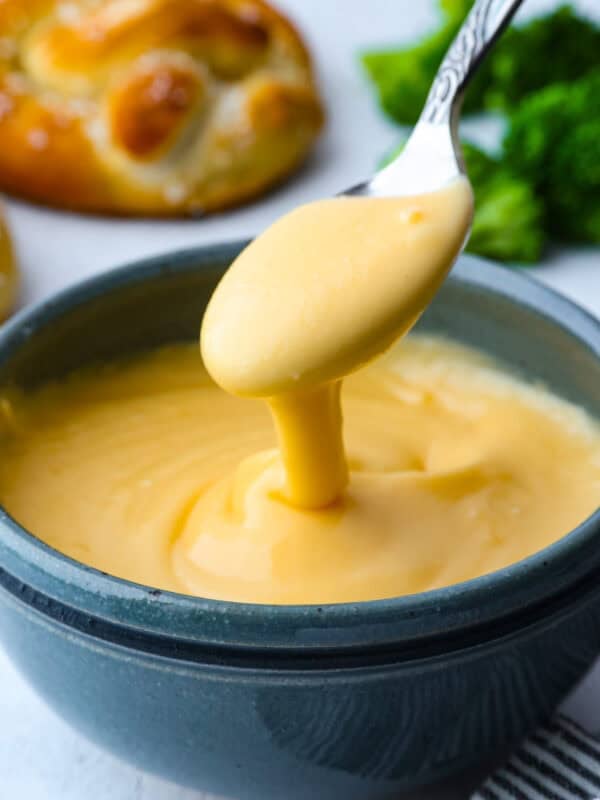
Credit: therecipecritic.com
Flavor Preservation
Preserving the flavor of cheese sauce during freezing can be tricky. Cheese sauces often lose their original taste and texture if not handled properly. Understanding how to maintain that creamy, rich flavor will help you enjoy your sauce just like it was freshly made.
Additives To Enhance Taste
You can add certain ingredients before freezing to keep the flavor strong. A small amount of cream or butter can help the sauce stay smooth and rich after thawing. Adding a pinch of garlic powder or mustard powder can also boost the sauce’s depth without overpowering it.
Some people add a bit of grated Parmesan or sharp cheddar to intensify the taste. These cheeses hold up well in the freezer and can restore some lost flavor. Have you tried tweaking your recipe with extra cheese before freezing? It might surprise you how much difference it makes.
Avoiding Flavor Loss
To keep your cheese sauce tasting fresh, avoid freezing it for too long. The longer it stays frozen, the more the flavors fade. Try to use it within 1 to 2 months for the best results.
Seal the sauce tightly in an airtight container or freezer bag to prevent air from dulling the taste. Label your container with the date to keep track of freshness. When reheating, do it gently on low heat, stirring often to bring back that creamy texture without burning the sauce.
Common Mistakes
Freezing cheese sauce might seem straightforward, but several common mistakes can ruin its texture and flavor. These errors often lead to a grainy or watery sauce that’s far from the creamy delight you expect. Knowing what to avoid can save you from wasting good ingredients and effort.
Freezing Without Cooling
One of the biggest mistakes is freezing cheese sauce while it’s still warm. Placing hot sauce directly into the freezer can cause uneven freezing and ice crystals to form, which wreck the smooth texture.
I once froze a batch of warm cheese sauce and ended up with a clumpy mess. Cooling it completely before freezing allows the sauce to set properly and prevents separation.
To get the best result, let your sauce cool to room temperature, then transfer it into an airtight container. This simple step makes a huge difference in texture after thawing.
Overcooking After Thawing
After thawing, reheating your cheese sauce requires care. Heating it too long or at too high a temperature can cause the cheese to break down and become grainy.
Try reheating gently over low heat and stir frequently. Adding a splash of milk or cream can help restore creaminess if the sauce looks dry.
Have you ever noticed your reheated sauce turning lumpy? That’s a sign of overcooking. Slow and steady reheating keeps the sauce silky and smooth.
Alternative Preservation Methods
Cheese sauce can be tricky to store for a long time. Freezing might change its texture and taste. Using other ways to keep it fresh works better for many. These methods help maintain the sauce’s flavor and smoothness.
Refrigeration Lifespan
Cheese sauce stays good in the fridge for 3 to 5 days. Keep it in a clean, airtight container. Cold slows down bacteria growth, keeping the sauce safe to eat. Stir the sauce before using to mix any separated parts. Always smell and look for changes before eating.
Using Vacuum Sealing
Vacuum sealing removes air and helps keep cheese sauce fresh longer. It lowers the chance of mold and spoilage. Store the sealed sauce in the fridge for up to 2 weeks. For best taste, gently warm the sauce after opening. Avoid reheating the sauce multiple times to keep quality high.
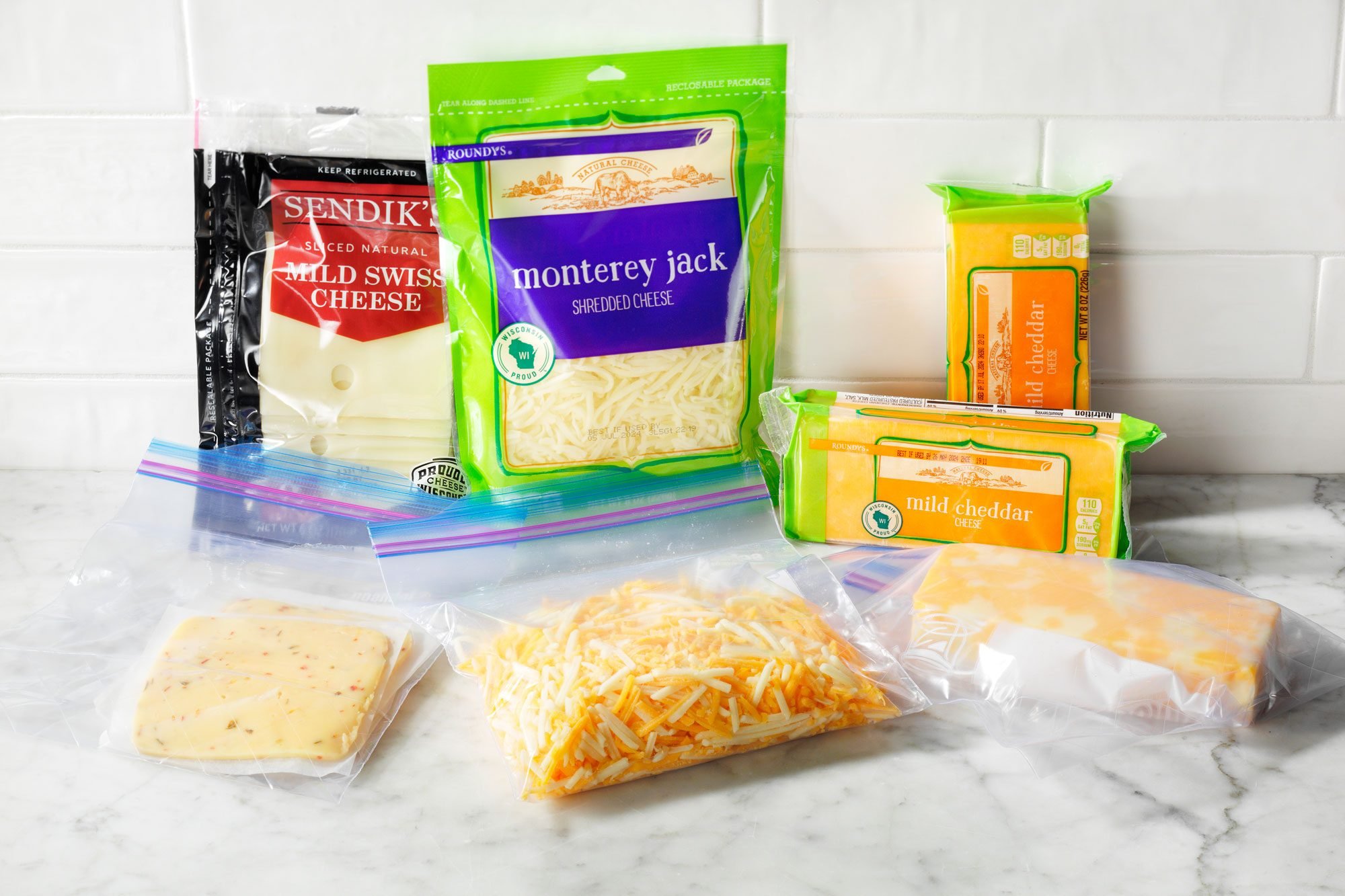
Credit: www.tasteofhome.com
Frequently Asked Questions
Can You Freeze Cheese Sauce Safely At Home?
Yes, you can freeze cheese sauce safely. Use airtight containers or freezer bags to prevent freezer burn. Thaw it slowly in the fridge before reheating for best texture and flavor.
How Does Freezing Affect Cheese Sauce Texture?
Freezing may cause cheese sauce to separate or become grainy. Stir well after thawing and gently reheat to restore smoothness. Adding a bit of milk can improve texture.
What Is The Best Way To Reheat Frozen Cheese Sauce?
Reheat frozen cheese sauce slowly on low heat. Stir frequently to prevent burning and regain creaminess. Avoid microwave overheating, which can cause separation and toughness.
How Long Can Cheese Sauce Stay Frozen?
Cheese sauce can be frozen for up to 2 months. Beyond this, quality and flavor may decline. Label and date your containers for proper storage.
Conclusion
Cheese sauce can be frozen, but texture may change slightly. Stir well after thawing to regain smoothness. Use airtight containers to keep it fresh longer. Avoid refreezing to maintain good taste. Frozen cheese sauce works best in cooked dishes. Keep portions small for easy thawing and use.
Freezing saves time and reduces food waste. Try freezing small amounts to see what suits you. Simple steps help keep your cheese sauce tasty. Enjoy your meals with convenient, homemade cheese sauce anytime.