
Have you ever found yourself with more cooked crab than you can handle? Whether you’ve hosted a seafood feast or stumbled upon a great deal at the market, you might wonder if you can freeze cooked crab in the shell.
The good news is, you’re not alone in this culinary conundrum. Freezing cooked crab can be a fantastic way to preserve its flavor and extend its shelf life, but the process is riddled with questions. Will it taste the same?
Is it safe? How do you ensure it doesn’t lose its delicate texture? In this blog post, you’ll discover the secrets to successfully freezing cooked crab in the shell. We’ll walk you through the steps you need to know to keep that delicious taste locked in and make sure your crab is ready to enjoy whenever you crave it. Stick around, and you’ll learn how to turn potential food waste into a future feast, saving both money and time. Don’t let your crab go to waste—let’s make sure you’re ready to savor every bite!
Freezing Crab Basics
Freezing cooked crab in the shell is a convenient way to enjoy this seafood later without wasting leftovers. However, understanding the basics of freezing crab helps you maintain its delicious flavor and texture. Let’s look at how freezing impacts crab and which types freeze best.
How Freezing Affects Crab Quality
Freezing slows down spoilage but can change the crab’s texture. Ice crystals form inside the meat, which might make it a bit softer after thawing. This doesn’t mean the crab is bad, but the firmness you enjoyed fresh may be reduced.
Flavor can also weaken if the crab isn’t wrapped tightly. Air exposure causes freezer burn, leading to dry and less tasty meat. You want to seal your crab well to keep its natural sweetness.
Have you noticed how some frozen seafood tastes bland? That’s often due to improper freezing or storage. Using airtight containers or vacuum sealing helps preserve the crab’s freshness for months.
Best Crab Types For Freezing
Not all crab species freeze equally well. Blue crab and snow crab hold up better because their meat is firmer and less watery. King crab also freezes nicely, maintaining good texture after thawing.
Soft-shell crabs, on the other hand, are tricky to freeze because their delicate shells and tender meat can become mushy. If you want to freeze soft-shell crab, cook it thoroughly first and wrap it carefully.
Which crab do you usually buy? Choosing the right type for freezing can save you disappointment later. Consider your favorite variety and how you plan to use it after thawing before freezing.
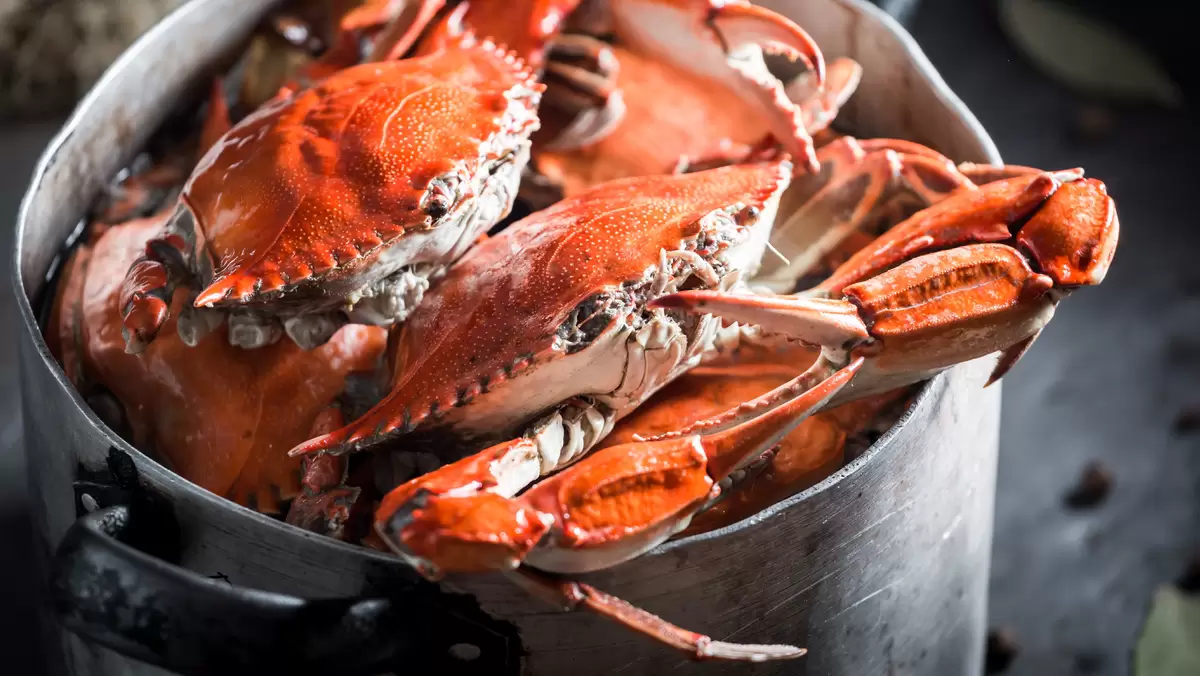
Credit: healthecooks.com
Preparing Crab For Freezing
Preparing crab for freezing requires careful handling to keep its freshness and flavor. Proper preparation helps avoid freezer burn and preserves the crab’s texture. Follow these simple steps to get your crab ready for freezing.
Cleaning And Cooking Before Freezing
Start by cleaning the crab thoroughly under cold running water. Remove any dirt, debris, and gills inside the shell. Cooking the crab before freezing is essential. Boil or steam the crab until it turns bright orange. Cooking stops enzymes that cause spoilage. Let the crab cool completely before freezing.
Drying And Wrapping Techniques
Dry the crab well using paper towels. Removing moisture prevents ice crystals from forming. Wrap the crab tightly in plastic wrap or aluminum foil. Use airtight freezer bags for extra protection. Remove as much air as possible from the bags. Label the packages with the date for easy tracking.
Freezing Crab In The Shell
Freezing crab in the shell is a common way to store leftover crab or prepare seafood for later meals. The shell helps protect the meat from freezer burn and keeps it fresher longer. It also locks in moisture and flavor during freezing. This method works well for cooked crab, preserving taste and texture.
Knowing the pros and cons of freezing crab in the shell helps decide if this method suits your needs. The right freezing process ensures the crab stays safe and tasty for weeks.
Pros And Cons Of Freezing In Shell
- Pros:
- Shell protects the crab meat from freezer burn.
- Helps retain moisture and natural flavor.
- Prevents crab meat from drying out.
- Easy to store whole crab without extra prep.
- Cons:
- Shell can crack during freezing and thawing.
- Slower freezing and thawing times.
- Requires more freezer space.
- Shell may trap ice crystals affecting texture.
Step-by-step Freezing Process
- Cool the cooked crab completely before freezing.
- Rinse the crab under cold water to remove dirt.
- Pat dry the crab with paper towels to remove moisture.
- Wrap the crab tightly in plastic wrap or foil.
- Place wrapped crab inside an airtight freezer bag or container.
- Remove as much air as possible from the bag.
- Label the package with the date of freezing.
- Store crab in the coldest part of the freezer.
- Use frozen crab within 2 to 3 months for best quality.
- Thaw crab slowly in the refrigerator before reheating.
Storage Tips For Frozen Crab
Proper storage is key to keeping frozen crab fresh and tasty. Follow simple tips to maintain its flavor and texture. Good storage helps prevent freezer burn and loss of quality.
Optimal Freezer Conditions
Keep the freezer at or below 0°F (-18°C). Use airtight containers or heavy-duty freezer bags. Remove as much air as possible to avoid freezer burn. Wrap crab tightly in plastic wrap before placing in bags. Store crab away from strong-smelling foods. This stops crab from absorbing unwanted odors.
Recommended Storage Duration
Frozen cooked crab stays best for up to 3 months. Beyond this, flavor and texture start to decline. Label packages with the freezing date to track storage time. Use crab within this period for best taste and safety.
Thawing And Reheating
Thawing and reheating cooked crab in the shell requires care to keep the meat tender and flavorful. Improper techniques can make your crab rubbery or bland. Knowing the right methods helps you enjoy your seafood just like fresh from the ocean.
Safe Thawing Methods
Thaw cooked crab slowly to prevent bacteria growth. The best way is to leave it in the refrigerator overnight. This keeps the crab at a safe temperature while it defrosts evenly.
If you’re short on time, place the crab in a sealed plastic bag and submerge it in cold water. Change the water every 30 minutes until thawed. Avoid using warm or hot water because it can start cooking the crab and ruin the texture.
Never thaw crab at room temperature. This can cause harmful bacteria to grow, risking food safety. Have you ever noticed a strange smell after thawing seafood too quickly? That’s a warning sign you should not ignore.
Best Practices For Reheating
Reheat crab gently to keep the meat juicy. Steaming works best because it warms the crab without drying it out. Place the crab in a steamer basket over simmering water and cover it for about 5 to 7 minutes.
If you prefer the oven, wrap the crab in foil and heat at 350°F (175°C) for 10 to 15 minutes. This locks in moisture and prevents the shell from becoming too hard. Avoid microwaving unless you’re in a hurry; it can make the crab rubbery and unevenly heated.
Have you tried seasoning your crab before reheating? A sprinkle of lemon juice or garlic butter can enhance flavors beautifully. Small touches like these make reheated crab taste like it was freshly cooked.
Common Mistakes To Avoid
Freezing cooked crab in the shell can save you time and reduce food waste. Mistakes during freezing and thawing can affect the crab’s taste and texture. Knowing what to avoid helps keep your crab fresh and delicious. Here are common mistakes to watch out for.
Freezing Without Proper Preparation
Freezing crab without cleaning or drying it first causes ice crystals to form. These crystals damage the meat’s texture. Leaving moisture on the shell leads to freezer burn. Freezer burn makes crab dry and tough.
Wrap the crab tightly in plastic wrap or foil. Place it in a sealed freezer bag to block air. Label the package with the date to track freshness. Proper preparation keeps the crab’s flavor locked in.
Incorrect Thawing Techniques
Thawing crab too fast or at room temperature spoils the meat. Bacteria grow quickly when crab warms too fast. Avoid microwaving or leaving crab on the counter.
Thaw crab slowly in the refrigerator. This keeps it safe and preserves texture. If you need crab faster, place it in a sealed bag and submerge in cold water. Change the water every 30 minutes until thawed.
Expert Tips For Best Results
Freezing cooked crab in the shell can keep it fresh for later meals. Follow expert tips to keep the best flavor and texture. Proper handling helps you enjoy crab just like fresh.
Maintaining Flavor And Texture
Cool the crab completely before freezing to avoid sogginess. Wrap each crab tightly in plastic wrap or foil. Place wrapped crab in airtight freezer bags to block air.
Freeze crab quickly by placing it in the coldest part of the freezer. Slow freezing can cause ice crystals that ruin texture. Store crab for up to three months to keep flavor strong.
Using Crab After Freezing
Thaw crab slowly in the fridge for 12 to 24 hours. Avoid thawing at room temperature to prevent bacteria growth. Use crab within two days after thawing for best taste.
Heat crab gently by steaming or warming in a covered pan. Avoid overcooking to keep meat tender. Use frozen crab in salads, soups, or pasta dishes for great meals.
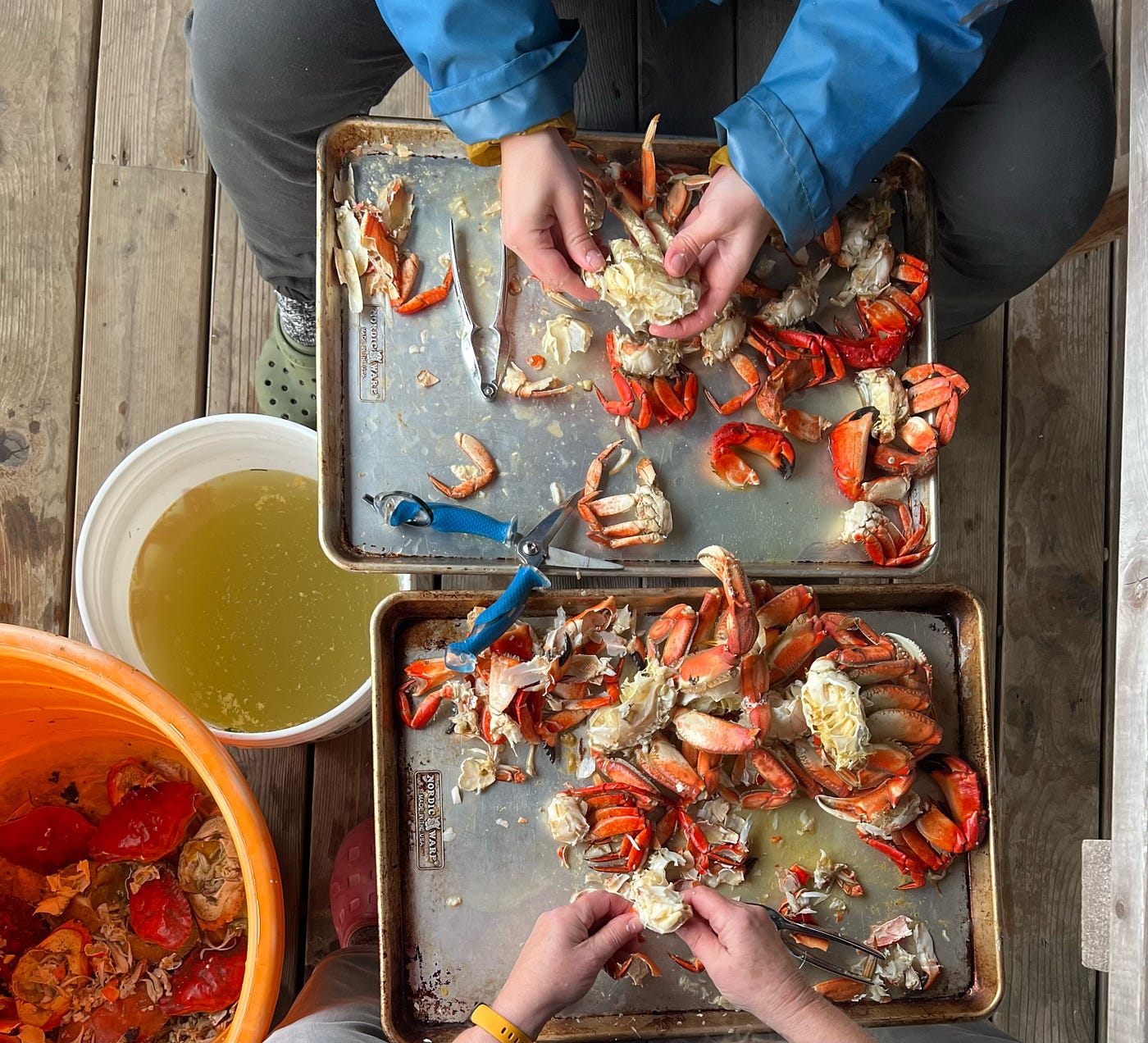
Credit: wdfw.medium.com

Credit: wdfw.medium.com
Frequently Asked Questions
Can You Freeze Cooked Crab In The Shell Safely?
Yes, you can freeze cooked crab in the shell safely. Wrap it tightly in plastic wrap and place it in an airtight container. Freeze within two hours of cooking to maintain freshness and flavor.
How Long Can Cooked Crab Stay Frozen?
Cooked crab can stay frozen for up to 3 months. Beyond this, its texture and taste may degrade. Always label the package with the freezing date for best quality.
Should You Remove The Shell Before Freezing Cooked Crab?
It’s best to freeze cooked crab in the shell. The shell protects the meat and helps retain moisture and flavor during freezing.
How Do You Thaw Frozen Cooked Crab In The Shell?
Thaw frozen cooked crab in the refrigerator overnight. Avoid room temperature thawing to prevent bacterial growth. You can also thaw it under cold running water if needed quickly.
Conclusion
Freezing cooked crab in the shell keeps it fresh longer. Wrap the crab tightly to avoid freezer burn. Thaw it slowly in the fridge for best taste. Do not refreeze once thawed to keep quality. Enjoy your crab within a few months for the best flavor.
This method helps you save crab without losing taste. Simple steps make freezing easy and effective. Your crab stays delicious and ready for future meals.