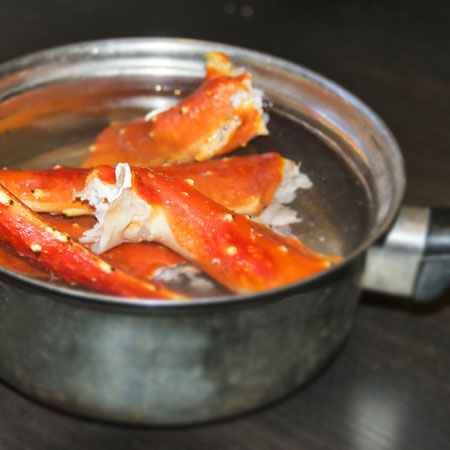
Imagine savoring the succulent taste of perfectly cooked crab legs long after your delightful seafood feast has ended. But wait, is it really possible to preserve that fresh, ocean-kissed flavor by freezing them?
If you’ve ever found yourself wondering, “Can you freeze cooked crab legs? ” You’re not alone. Many seafood lovers are curious about extending the shelf life of their favorite crustacean delicacy without losing its exquisite taste and texture. In this guide, we’ll dive into the secrets of freezing cooked crab legs effectively, ensuring that you can enjoy a delicious seafood experience any time you crave it.
Stick around to discover expert tips and tricks that will transform your leftover crab legs into a future culinary delight.

Credit: wdfw.medium.com
Freezing Basics For Crab Legs
Freezing cooked crab legs is a smart way to enjoy this seafood treat later without losing much of its flavor or texture. Understanding the basics of freezing can help you keep crab legs tasting fresh and delicious. Let’s dive into what makes crab legs suitable for freezing and how to prepare them properly before storing.
Ideal Crab Legs For Freezing
Not all crab legs freeze equally well. Choose crab legs that are freshly cooked or have been kept chilled properly after cooking. Legs with intact shells and firm meat freeze best and retain their texture when thawed.
Avoid crab legs that have been sitting out too long or show signs of freezer burn. These can develop off-flavors and a mushy texture after freezing. If you want the best experience, pick crab legs that you would happily eat fresh.
Preparing Crab Legs Before Freezing
Preparation is key to keeping your crab legs tasty after freezing. Start by patting the legs dry with paper towels to remove excess moisture, which can cause ice crystals and affect texture.
Wrap each crab leg tightly in plastic wrap or aluminum foil to create a barrier against air. Then place the wrapped legs in an airtight freezer bag or container to prevent freezer burn and unwanted odors.
Label your packages with the date so you know how long they’ve been stored. Try to freeze crab legs within 2 hours of cooking for best results. Have you ever noticed how small details like moisture can make or break frozen seafood?
Freezing Methods
Freezing cooked crab legs is a great way to keep them fresh for longer. Choosing the right freezing method helps maintain taste and texture. Proper storage reduces moisture loss and prevents freezer burn. Here are some effective ways to freeze cooked crab legs.
Using Airtight Containers And Bags
Airtight containers or heavy-duty freezer bags work well for freezing crab legs. Remove excess air before sealing to limit ice crystals. Containers protect crab legs from external odors and moisture. Label containers with date to track storage time. This method is simple and widely used at home.
Vacuum Sealing For Freshness
Vacuum sealing removes nearly all air from packaging. This slows down spoilage and keeps crab legs moist. Vacuum-sealed crab legs stay fresh longer than in regular bags. It also prevents freezer burn and maintains texture. Use a vacuum sealer with strong, food-safe bags for best results.
Avoiding Freezer Burn
Freezer burn happens when crab legs lose moisture in cold air. It causes tough texture and off flavors. To avoid freezer burn:
- Wrap crab legs tightly in plastic wrap first.
- Use airtight containers or vacuum seal bags next.
- Keep freezer temperature steady at 0°F (-18°C).
- Avoid opening the freezer often to maintain cold air.
These steps help preserve crab legs’ quality during freezing.
Storage Duration And Quality
Proper storage is key to keeping cooked crab legs fresh and tasty. Freezing preserves their flavor and texture for future meals. Knowing how long crab legs last in the freezer helps prevent waste and ensures safe eating.
How Long Can Crab Legs Stay Frozen?
Cooked crab legs can stay frozen for up to 3 to 6 months. Beyond this, quality starts to decline. Storing them properly in airtight containers or heavy freezer bags slows freezer burn. Labeling with the freezing date helps track freshness. For best taste, use crab legs within 3 months.
Signs Of Spoiled Frozen Crab Legs
Check crab legs carefully after thawing. Spoiled crab legs may have:
- A strong, sour smell
- Discoloration or dark spots
- A slimy or sticky texture
- An off or bitter taste
Discard any crab legs showing these signs. Eating spoiled seafood can cause illness. Proper freezing and thawing reduce the risk of spoilage.
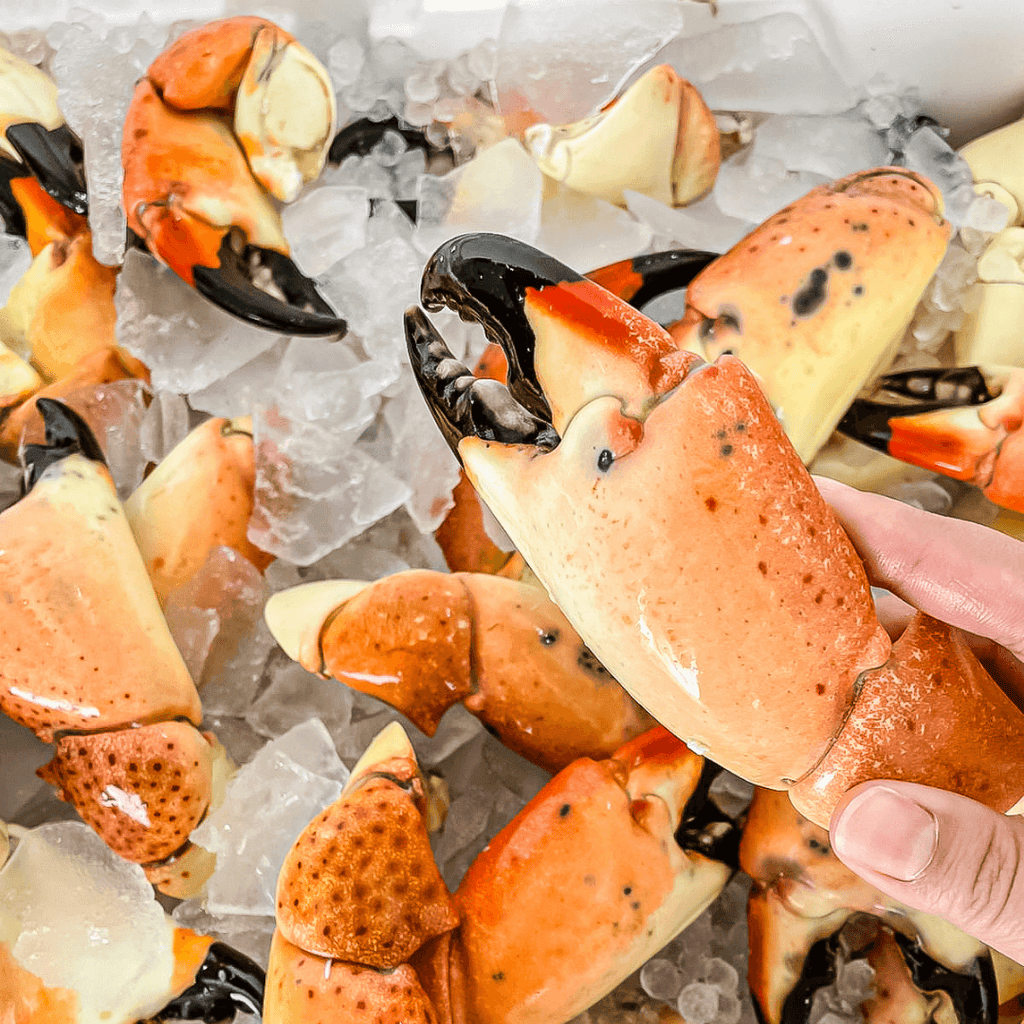
Credit: captainstonecrab.com
Thawing Cooked Crab Legs
Thawing cooked crab legs properly is key to preserving their delicate texture and natural sweetness. Rushing this process can lead to tough meat or a loss of flavor. Let’s look at some safe and effective ways to bring your crab legs back to life after freezing.
Refrigerator Thawing
This is the safest way to thaw cooked crab legs. Place them in a covered container or sealed plastic bag and let them thaw slowly in the refrigerator for 8 to 12 hours.
The gradual temperature change keeps the meat tender and prevents bacterial growth. Have you ever noticed how crab legs thawed this way taste almost as fresh as when first cooked?
Cold Water Thawing
If you’re short on time, cold water thawing is a quick alternative. Put the crab legs in a sealed plastic bag and submerge them in cold water.
Change the water every 30 minutes until fully thawed, which usually takes 1 to 2 hours. This method speeds up thawing without cooking the crab legs prematurely.
Avoiding Microwave Thawing
Microwaving cooked crab legs to thaw them is not recommended. The uneven heat can make some parts rubbery while leaving others cold.
Have you ever ended up with crab meat that’s partly cooked and partly icy? That’s why microwave thawing often ruins the delicate texture and flavor you want to enjoy.
Reheating Tips
Reheating cooked crab legs can be tricky if you want to keep their natural sweetness and tender texture. Using the right techniques ensures your crab legs taste fresh and juicy, even after freezing. Let’s dive into some practical tips to get your crab legs just right every time.
Best Reheating Techniques
Steaming crab legs is one of the best ways to reheat them. It gently warms the meat without drying it out or making it rubbery. Simply place the crab legs in a steamer basket over boiling water for about 5-7 minutes.
If you don’t have a steamer, wrapping crab legs in aluminum foil and heating them in the oven at 350°F (175°C) works well. Add a splash of water or melted butter inside the foil to create steam and keep the meat moist.
Microwaving is fast but risky; use it only if you’re in a hurry. Wrap the crab legs in a damp paper towel and microwave on medium power for short bursts of 1-2 minutes. Check often to avoid overcooking.
Maintaining Flavor And Texture
Crab meat is delicate, so avoid overheating as it turns tough and chewy. Adding a little butter or lemon juice during reheating can enhance flavor and keep the crab juicy.
Have you ever reheated crab legs only to find the meat dry and bland? That usually means the heat was too high or the cooking time too long. Keeping heat moderate and adding moisture makes a big difference.
Try reheating crab legs in small batches to maintain consistent warmth and flavor. Also, serve them immediately after reheating for the best taste and texture.
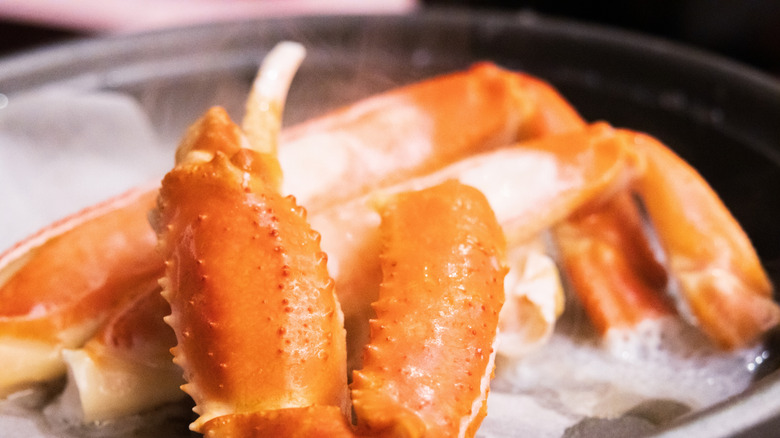
Credit: www.thedailymeal.com
Common Mistakes To Avoid
Freezing crab legs can keep them fresh longer. Still, many make mistakes that reduce quality. Avoiding these errors helps keep crab legs tasty and safe. Knowing the right way to freeze ensures you enjoy crab later without losing flavor or texture.
Freezing Raw Vs. Cooked Crab Legs
Freezing raw crab legs is different from freezing cooked ones. Raw crab legs hold moisture better in the freezer. Cooked crab legs may dry out if not wrapped well. Always cool cooked crab legs before freezing. Use airtight bags or containers to stop freezer burn. Label packages with dates for easy tracking.
Repeated Freezing And Thawing
Freezing and thawing crab legs multiple times harms their taste. Each thaw causes moisture loss and texture changes. This leads to tough, rubbery crab meat. Freeze crab legs once and thaw only before eating. Plan portions to avoid refreezing leftovers. Safe thawing methods include refrigerator thawing or cold water baths.
Frequently Asked Questions
Can You Freeze Cooked Crab Legs Safely?
Yes, you can safely freeze cooked crab legs. Wrap them tightly in plastic wrap or foil. Place them in an airtight container or freezer bag. Freeze for up to 3 months for best quality and flavor.
How Long Can Cooked Crab Legs Stay Frozen?
Cooked crab legs can stay frozen for up to 3 months. Beyond this, quality and taste may decline. Always store in airtight packaging to prevent freezer burn and maintain freshness.
What Is The Best Way To Thaw Frozen Crab Legs?
Thaw frozen crab legs overnight in the refrigerator. For quicker thawing, place them in a sealed bag under cold running water. Avoid using warm water to prevent texture loss.
Does Freezing Cooked Crab Legs Affect Their Texture?
Freezing cooked crab legs may slightly change their texture. However, proper packaging and quick freezing minimize this effect. When reheated gently, the crab legs remain tender and flavorful.
Conclusion
Cooked crab legs freeze well if stored properly. Wrap them tight to keep freshness. Use airtight containers or freezer bags. Freeze crab legs within two hours after cooking. Thaw slowly in the fridge for best taste. Avoid refreezing thawed crab legs.
This keeps the meat tender and delicious. Freezing helps reduce waste and saves money. Enjoy crab legs anytime by freezing leftovers. Simple steps make freezing easy and safe. Keep crab legs fresh for months this way.