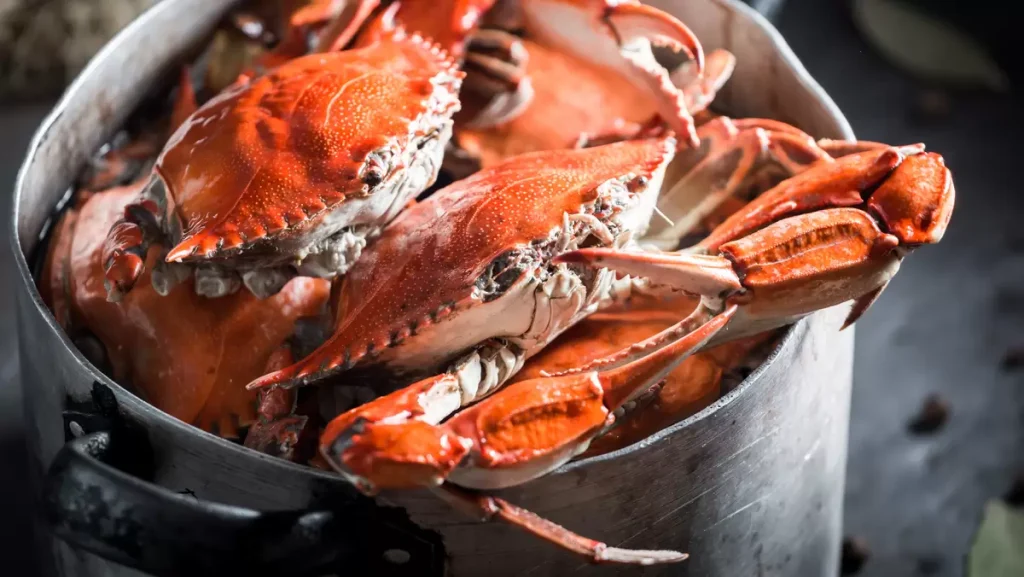
Are you staring at a pile of delicious leftover crabs and wondering, “Can you freeze cooked crabs in the shell?” You’re not alone.
Many seafood lovers find themselves in this pinch, wanting to savor every last bit of their oceanic feast. But, before you pop those crabs into the freezer, there are a few things you need to know. Ensuring your seafood stays tasty and safe for later is crucial, and this guide will walk you through the process with ease.
Stick around to discover tips that could save you time, money, and a lot of flavor. Let’s dive in and make sure your next crab dish is as delightful as the first.
Freezing Cooked Crabs Safely
Freezing cooked crabs can be a great way to enjoy their sweet, delicate flavor long after your seafood feast. However, freezing them safely is key to preserving their taste and texture. If not done correctly, your crabs may lose their freshness and become rubbery or bland.
Choosing Fresh Cooked Crabs
Start with crabs that were cooked fresh, ideally on the same day you plan to freeze them. The fresher the crab, the better it will taste after thawing. Avoid crabs that have been sitting out too long or have an off smell, as freezing won’t fix spoilage.
Look for crabs with a firm shell and meat that feels moist but not slimy. If you bought pre-cooked crabs from a market, check the packaging date and any signs of freezer burn. Your goal is to freeze crabs that are at their peak quality.
Preparation Before Freezing
Before freezing, rinse your cooked crabs under cold water to remove any sand or debris. Then pat them dry with paper towels to prevent ice crystals from forming on the shell. Excess moisture can cause freezer burn and affect the crab’s texture.
Consider cracking the claws and legs slightly to help the cold air reach the meat faster and make thawing easier. Wrap each crab tightly in plastic wrap or place them in airtight freezer bags. Removing as much air as possible slows down freezer burn and keeps the flavor intact.
Label the packages with the freezing date so you can keep track. Ideally, consume frozen cooked crabs within 3 months for the best taste. Have you ever noticed a difference in flavor after freezing seafood? Proper preparation before freezing really makes a difference.
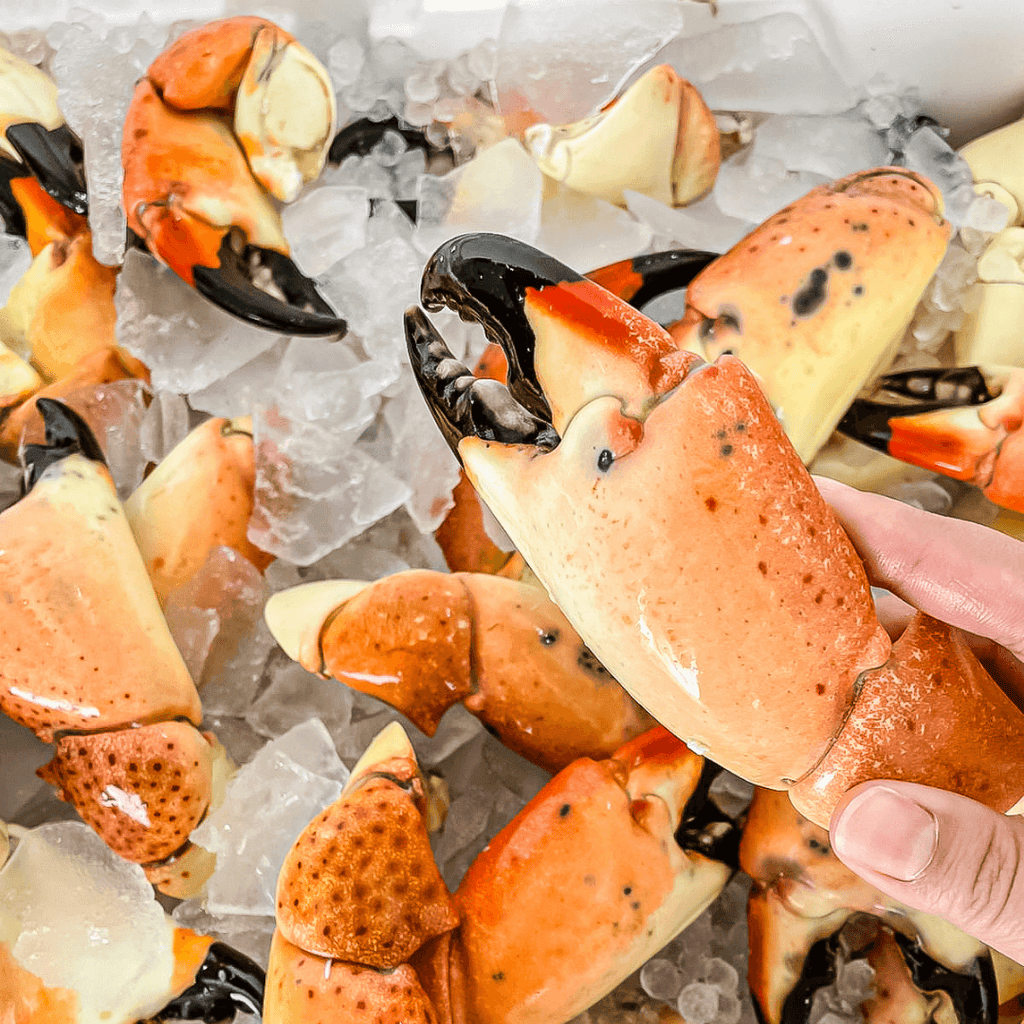
Credit: captainstonecrab.com
Best Methods To Freeze Crabs
Knowing the best ways to freeze crabs can save you time and reduce waste. Whether you prefer freezing whole crabs or just the meat, each method has its benefits. The key is to maintain freshness and flavor so your crab tastes just as good when thawed.
Freezing Crabs In The Shell
Freezing cooked crabs in the shell keeps them intact and helps lock in moisture. Before freezing, rinse the crabs under cold water to remove any sand or debris.
Wrap each crab tightly in plastic wrap or aluminum foil to prevent freezer burn. Then, place them in a sealed freezer bag or airtight container for extra protection.
Did you know that freezing crabs whole can make them easier to thaw and cook later? Just thaw in the refrigerator overnight and steam or boil them as you normally would.
Freezing Crab Meat Only
Freezing just the crab meat saves space and makes it easier to use in recipes. After cooking, carefully extract the meat from the shells, avoiding any shell fragments.
Place the meat in a shallow airtight container or freezer bag. Press out as much air as possible to keep the meat fresh.
You might want to portion the meat into meal-sized amounts before freezing. This way, you can thaw only what you need without refreezing leftovers.
Packaging Tips For Frozen Crabs
Freezing cooked crabs in the shell is a great way to enjoy seafood later without losing flavor or texture. But how you package them matters a lot. Proper packaging prevents freezer burn and keeps your crabs fresh and tasty.
Using Airtight Containers
Airtight containers are one of the simplest ways to store cooked crabs. They stop air from reaching the crab meat, which helps keep moisture locked in.
Choose containers that fit the crabs snugly to avoid extra space where ice crystals can form. Adding a layer of plastic wrap before sealing the container gives extra protection.
Have you noticed how some frozen seafood gets dry and tough? That’s usually because air sneaks in. Using airtight containers can save you from this common mistake.
Vacuum Sealing Benefits
Vacuum sealing removes almost all the air around your cooked crabs, creating the best environment for freezing. This method extends shelf life and maintains the crab’s natural flavor and texture.
Vacuum sealing also prevents freezer burn much better than regular plastic bags or containers. If you have a vacuum sealer, it’s worth using it for your crab storage.
Think about the last time you froze seafood in a bag without sealing it tightly. Did you notice any off smells or dry patches after thawing? Vacuum sealing helps avoid those issues completely.
Storage Duration And Quality
Freezing cooked crabs in the shell helps keep them safe to eat for longer. But storage duration affects their taste and texture. Knowing how long crabs last frozen ensures the best eating experience. Quality can drop if crabs stay too long in the freezer. Proper storage protects flavor and freshness.
How Long Can Crabs Last Frozen?
Cooked crabs in the shell can last in the freezer for up to 3 months. Beyond this, the meat may lose its texture and taste. Store crabs in airtight containers or heavy-duty freezer bags. Label the package with the freezing date to track storage time. For best quality, consume frozen crabs within 1 to 2 months.
Signs Of Freezer Burn
Freezer burn happens when crabs are exposed to air inside the freezer. It causes dry spots and discoloration on the crab shell and meat. Freezer-burned crab may taste bland or have an off-flavor. Look for:
- White or grayish patches on the shell
- Dry, leathery texture on the crab meat
- Unpleasant or stale smell
Freezer burn does not make crab unsafe but lowers quality. Wrap crabs tightly to prevent freezer burn and keep them fresh.
Thawing And Reheating Frozen Crabs
Thawing and reheating frozen crabs can be a bit tricky if you want to keep their natural sweetness and texture intact. Handling them properly ensures you enjoy your seafood just like it was freshly cooked. Let’s dive into the best ways to thaw and reheat your frozen crabs without compromising quality.
Safe Thawing Techniques
Thawing crabs too quickly can make them rubbery or even unsafe to eat. The safest way is to let them thaw slowly in the refrigerator. Place your frozen crabs in a bowl or on a tray to catch any drips and leave them in the fridge overnight.
If you’re in a hurry, submerge the crab in cold water while still sealed in a waterproof bag. Change the water every 30 minutes to keep it cold. Avoid using warm or hot water since it can cause uneven thawing and promote bacterial growth.
Never thaw crabs at room temperature. It might seem convenient, but it raises the risk of foodborne illness. Have you ever noticed a slimy texture after thawing seafood on the counter? That’s a sign of unsafe handling.
Reheating Without Losing Flavor
Reheating crabs requires gentle heat to preserve their delicate flavor. Steaming is one of the best ways to warm them up evenly without drying them out. Simply add water to a pot, bring it to a boil, then place the crabs in a steamer basket for about 5-7 minutes.
If you prefer using the oven, wrap the crabs in foil with a little bit of butter or lemon juice to keep them moist. Heat at 350°F (175°C) for 10-15 minutes. Avoid microwaving since it often leads to tough, unevenly heated crab meat.
Here’s a quick tip I learned after ruining a batch of crab: always check the internal temperature. The crab is perfectly reheated once it hits 145°F (63°C). This helps you avoid overcooking and losing that sweet, tender bite you crave.
Common Mistakes To Avoid
Freezing cooked crabs in the shell is a great way to save leftovers. Many people make simple mistakes that reduce crab quality. Avoiding these errors helps keep crab fresh and tasty.
Refreezing Thawed Crabs
Refreezing crabs damages texture and flavor. Once crab thaws, bacteria can grow quickly. Refreezing does not kill bacteria and can cause spoilage.
Always thaw crabs in the fridge, not at room temperature. Eat or cook crab soon after thawing to avoid refreezing.
Ignoring Proper Cooling Before Freezing
Freezing hot or warm crabs traps moisture and causes ice crystals. This harms crab meat texture and taste.
Let cooked crabs cool completely before freezing. Use shallow containers to speed cooling. This step keeps crab fresh longer.
Expert Tips For Best Results
Freezing cooked crabs in the shell can be a great way to enjoy seafood later without losing much of the original taste and texture. However, to get the best results, you need some expert tips that go beyond just tossing them in the freezer. These insights will help you keep your crabs fresh, flavorful, and ready to enhance your favorite dishes.
Maintaining Texture And Flavor
Freezing can easily change the texture of crab meat, making it rubbery or mushy if not done right. To avoid this, cool your cooked crabs quickly after cooking and wrap them tightly in plastic wrap or freezer bags to prevent air exposure. Leaving as little air as possible helps maintain moisture and flavor.
Adding a layer of aluminum foil over the plastic wrap adds extra protection against freezer burn. Label your packages with the date so you use the oldest first—crabs are best consumed within 2-3 months of freezing. Have you noticed how some frozen seafood loses its snap? That’s usually due to improper packaging.
Using Crabs In Recipes After Freezing
Thaw frozen crabs slowly in the refrigerator overnight for the best texture. Avoid microwaving them to thaw, as this can cook the meat unevenly and affect flavor. Once thawed, you can use the crabs in a variety of recipes like crab cakes, soups, or pasta dishes.
If you find the texture slightly different, try recipes that mix the crab meat with other ingredients. For example, crab salads or dips can hide minor texture changes while still delivering great taste. Have you tried blending frozen crab into a creamy bisque? It’s a delicious way to enjoy your seafood without worrying about texture.

Credit: urbanblisslife.com

Credit: wdfw.medium.com
Frequently Asked Questions
Can You Freeze Cooked Crabs In The Shell?
Yes, you can freeze cooked crabs in the shell. Wrap them tightly in plastic wrap or foil to prevent freezer burn. Store in an airtight container or freezer bag. Proper freezing maintains flavor and texture for up to 3 months.
How Should You Prepare Cooked Crabs Before Freezing?
Cool cooked crabs completely before freezing. Remove any dirt or debris. Wrap each crab individually to preserve freshness. Label with the date to track storage time. This ensures better taste and quality when thawed.
How Long Can Cooked Crabs Stay Frozen?
Cooked crabs can stay frozen for up to 3 months. Beyond that, texture and flavor may decline. For best quality, consume within this period. Always check for signs of freezer burn before use.
What Is The Best Way To Thaw Frozen Cooked Crabs?
Thaw frozen cooked crabs overnight in the refrigerator. Avoid thawing at room temperature to prevent bacteria growth. For quicker thawing, place sealed crabs in cold water. Always reheat thoroughly before eating.
Conclusion
Freezing cooked crabs in the shell keeps them fresh longer. Wrap them tightly to avoid freezer burn and preserve flavor. Thaw crabs slowly in the fridge for best taste. Avoid refreezing to maintain texture and safety. Enjoy your crab meals anytime with simple freezing steps.
This method saves time and reduces waste in your kitchen. Try it for easy seafood storage that works well.