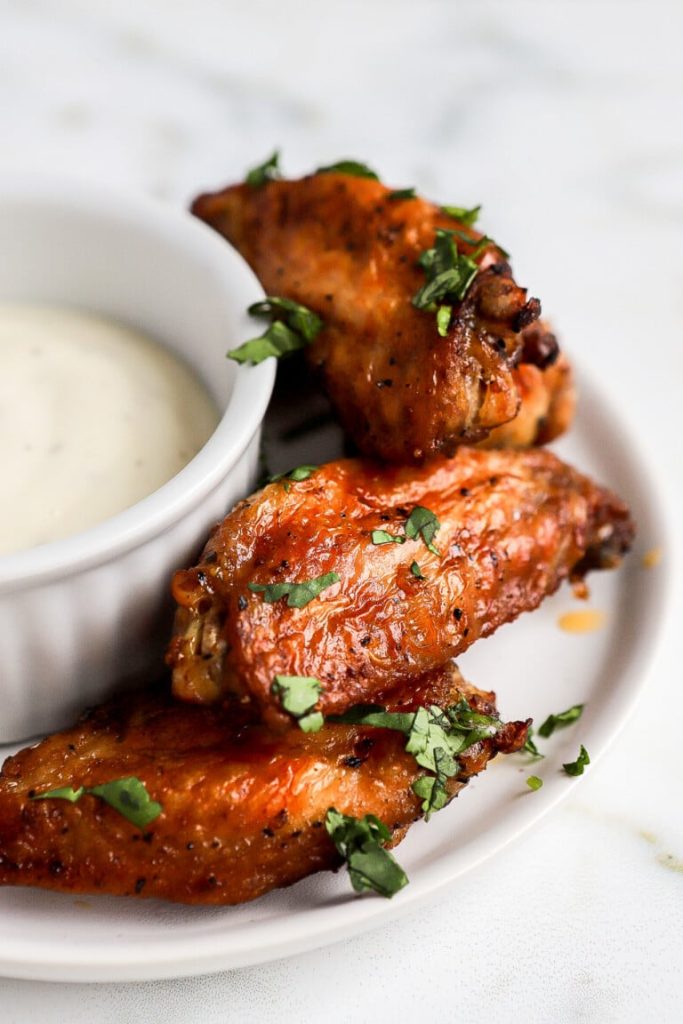
Have you ever found yourself with a plate full of leftover wings after a big game night or family gathering? You might wonder, can you freeze cooked wings and still enjoy that finger-licking flavor later on?
The answer is yes, and we’re here to guide you through the simple steps to preserve their taste and texture. Imagine the convenience of having a stash of delicious wings ready for your next craving without losing their original zest.
In this blog post, we’ll reveal the secrets to freezing cooked wings effectively. Stick around to discover how you can make the most out of your leftovers and ensure that every bite is as satisfying as the first.

Credit: basicswithbails.com
Freezing Cooked Wings
Freezing cooked wings is a smart way to save leftovers and enjoy them later. Wings freeze well and keep their flavor if stored correctly. Knowing how to freeze wings properly helps keep them tasty and safe to eat.
Best Wings For Freezing
Choose wings that are fully cooked before freezing. Plain or lightly seasoned wings freeze best. Avoid wings with heavy sauces or coatings, as they can change texture after freezing. Bone-in wings hold moisture better than boneless ones. This keeps them juicy after thawing.
Cooling Before Freezing
Cool cooked wings to room temperature before freezing. Hot wings can raise freezer temperature and cause ice crystals. Spread wings on a tray for faster cooling. Leave space between pieces to cool evenly. Avoid leaving wings out for more than two hours to prevent bacteria growth.
Packaging Tips
- Use airtight containers or heavy-duty freezer bags.
- Remove as much air as possible to prevent freezer burn.
- Wrap wings in aluminum foil or plastic wrap for extra protection.
- Label packages with date and type of wings.
- Freeze wings in small portions for easy thawing.

Credit: www.chickdishes.com
Maintaining Flavor
Keeping the flavor of cooked wings after freezing takes some care. Wings can lose their taste and texture if not stored properly. Small steps help keep them juicy and tasty for later. Flavor depends on how wings are prepared before freezing and how they are protected during storage.
Seasoning Before Freezing
Season wings well before freezing to keep their taste strong. Use salt, pepper, and favorite spices. Seasoning helps the flavor stay inside the meat. Avoid adding fresh herbs that may turn bitter after freezing. Dry rubs work best as they stick to the wings and last longer. Season wings evenly for consistent flavor in every bite.
Avoiding Freezer Burn
Freezer burn makes wings dry and tasteless. Protect wings by wrapping them tightly in plastic wrap or foil. Use airtight containers or freezer bags to keep air out. Remove as much air as possible before sealing. Label packages with dates to use the oldest wings first. Proper wrapping stops ice crystals from forming on the wings.
Using Marinades
Marinating wings before freezing adds extra flavor and moisture. Choose marinades with acid like lemon juice or vinegar to tenderize meat. Avoid marinades with dairy as they may change texture after freezing. Let wings soak in marinade for a few hours before freezing. The marinade helps keep wings juicy and tasty even after thawing.
Storage Duration
Knowing how long cooked wings stay good in the freezer helps avoid waste. Proper storage keeps wings tasty and safe to eat. Freezing stops bacteria growth but does not kill them. Wings kept too long may lose flavor and texture. Freeze wings soon after cooking to keep freshness.
Optimal Freezing Time
Cooked wings stay best in the freezer for up to 4 months. Beyond this, taste and quality start to drop. Wrap wings tightly in foil or use airtight containers. Label packages with the freezing date to track storage time. Freeze wings quickly after cooling to keep moisture and flavor.
Signs Of Spoiled Wings
Look for changes before eating frozen wings. Spoiled wings may have:
- An off smell that is sour or rotten
- A slimy or sticky texture on the surface
- Discoloration, such as gray or green spots
- Freezer burn, which appears as dry, white patches
Throw away wings showing these signs. Eating spoiled wings can cause illness.
Thawing Methods
Thawing cooked wings properly is key to keeping their taste and texture just right. How you thaw them affects not only flavor but also food safety. Choosing the right method can save you time and keep your wings juicy and delicious.
Refrigerator Thawing
Refrigerator thawing is the safest way to defrost cooked wings. Place your wings in a container or on a plate to catch any drips and leave them in the fridge overnight or for about 8-12 hours.
This slow thawing keeps the wings at a safe temperature, preventing bacteria growth. It also helps maintain moisture, so your wings won’t dry out. Have you noticed wings thawed this way taste fresher and more tender?
Quick Thawing Techniques
If you’re short on time, quick thawing can save the day. One popular method is sealing the wings in a watertight bag and submerging it in cold water, changing the water every 30 minutes until thawed.
Microwaving is another option, but it requires caution. Use the defrost setting and check frequently to avoid partially cooking the wings. Ever tried quick thawing and ended up with dry or rubbery wings? Adjusting the time and method can prevent that.
Reheating Tips
Reheating cooked wings can be tricky if you want to keep them crispy on the outside and juicy on the inside. The right reheating method can make a huge difference in taste and texture. Here are some practical tips to help you enjoy your wings just like they were freshly cooked.
Oven Reheating
The oven is a great way to bring your wings back to life without losing their crunch. Preheat your oven to 350°F (175°C) and spread the wings out on a baking sheet lined with foil or parchment paper.
Heat the wings for about 10-15 minutes, flipping them halfway through to ensure even warming. This method helps keep the skin crispy while warming the meat thoroughly.
Air Fryer Method
If you have an air fryer, it’s perfect for reheating wings quickly and crispily. Set the air fryer to 360°F (182°C) and place the wings in a single layer inside the basket.
Reheat for 5-7 minutes, shaking the basket halfway through to prevent sticking. This method preserves the wings’ crunch and heats them evenly without drying them out.
Microwave Cautions
Microwaving is the fastest option, but it can make wings soggy or rubbery if you’re not careful. To avoid this, place the wings on a microwave-safe plate and cover them with a damp paper towel.
Heat in short bursts of 30 seconds, checking between each to prevent overheating. Microwaving works best for when you’re in a hurry, but it won’t give you that crispy texture you get with an oven or air fryer.
Common Mistakes
Freezing cooked wings can save time and reduce food waste. Many people make simple mistakes that affect taste and texture. Avoiding these errors helps keep wings fresh and delicious after freezing.
Freezing Hot Wings
Putting hot wings directly into the freezer causes ice crystals to form. These crystals damage the meat’s texture. Always let wings cool completely before freezing. Cool wings keep their flavor and texture better.
Improper Packaging
Using the wrong packaging lets air enter and causes freezer burn. Avoid storing wings in thin plastic bags or containers without seals. Use airtight containers or heavy-duty freezer bags. Removing as much air as possible prevents moisture loss and freezer burn.
Repeated Refreezing
Refreezing wings multiple times harms their quality. Each freeze-thaw cycle breaks down the meat fibers. Wings become dry and tough over time. Freeze wings only once for the best taste and texture.

Credit: www.yahoo.com
Frequently Asked Questions
Can You Freeze Cooked Chicken Wings Safely?
Yes, you can freeze cooked chicken wings safely. Cool them completely, then store in airtight containers or freezer bags. Freeze within two hours after cooking to maintain quality and safety.
How Long Can Cooked Wings Stay Frozen?
Cooked wings can stay frozen for up to 4 months. Beyond this, taste and texture may decline. Always label with date to track freshness.
What Is The Best Way To Reheat Frozen Wings?
To reheat frozen wings, thaw in the fridge overnight. Then, bake at 350°F (175°C) until heated through for crispy results. Avoid microwaving to keep texture intact.
Can Freezing Affect The Texture Of Cooked Wings?
Freezing can slightly change wing texture, making skin less crispy. Proper wrapping and quick freezing help maintain moisture and flavor. Reheating methods also impact texture quality.
Conclusion
Freezing cooked wings keeps them fresh for later meals. Wrap wings tightly to avoid freezer burn. Use within three months for best taste and safety. Thaw wings in the fridge before reheating. Reheat wings until hot to enjoy their flavor.
This method saves time and reduces food waste. Now, you can enjoy wings anytime without cooking again. Simple, easy, and practical for busy days.