Have you ever found yourself staring at leftover crab in the shell, wondering if you can safely preserve it for later? You’re not alone.
Many seafood lovers face this dilemma, unsure if freezing crab in its shell is a viable option. The good news? There’s a way to extend the life of your delicious catch without sacrificing its flavor or texture. Before you toss those extra crab legs, discover how freezing could be your secret weapon to savoring seafood goodness anytime you crave it.
Stick around, and we’ll dive into the best practices and must-know tips that will help you master the art of freezing crab in the shell. Let’s ensure every bite is as delightful as the first.
Credit: healthecooks.com
Benefits Of Freezing Crab In The Shell
Freezing crab in the shell offers several advantages that make it a smart choice for preserving its freshness and flavor. Keeping the shell on helps lock in moisture and taste, which means your crab will stay juicy and delicious even after freezing. You might be surprised at how much better the texture holds up compared to freezing crab meat alone.
Have you ever wondered why some frozen seafood tastes just as fresh as when you bought it? The shell acts as a natural barrier against freezer burn and dehydration, protecting the delicate meat inside. This makes freezing crab in the shell a practical option if you want to enjoy quality seafood later without frequent trips to the market.
Preserves Natural Flavor And Juiciness
The shell keeps the crab meat sealed from air exposure, which helps preserve its original flavor. When you freeze crab in the shell, you trap the natural juices inside, preventing the meat from drying out. This means when you thaw and cook your crab, it tastes closer to fresh-caught than frozen.
Protects Against Freezer Burn
Freezer burn can ruin seafood by causing dry spots and off-flavors. The hard shell acts like a shield, reducing the risk of freezer burn on the crab meat. This protection means you can store crab longer without sacrificing quality.
Extends Shelf Life Safely
Freezing crab in the shell slows down bacteria growth and enzymatic changes that spoil seafood. This extends the crab’s shelf life significantly compared to keeping it fresh in the fridge. You can stock up on crab during sales or special occasions and enjoy it weeks or even months later.
Convenient For Cooking Later
Leaving the shell on until you’re ready to cook makes handling the crab easier and less messy. It also allows you to cook the crab using traditional methods like boiling or steaming, which enhances the taste. Plus, the shell adds a nice presentation if you’re serving guests.
Cost-effective And Reduces Waste
Buying whole crab and freezing it in the shell can save you money compared to pre-packaged crab meat. It also reduces waste since you use the entire crab, including shells that can be used for homemade broth. This approach benefits your wallet and your kitchen creativity.
Selecting Fresh Crab For Freezing
Selecting fresh crab for freezing is essential for preserving its flavor and texture. Fresh crab keeps well in the freezer and tastes better after thawing. Start by choosing crabs that look and smell fresh to ensure quality.
Signs Of Freshness
- Firm shell with no cracks or damage
- Bright, moist eyes that are clear and shiny
- No strong fishy or ammonia smell
- Crab meat feels firm, not slimy or mushy
- Fresh crabs often have a slight sea scent
Types Of Crab Suitable For Freezing
- Blue crab: popular and freezes well with shell on
- Snow crab: good for freezing due to firm meat
- Dungeness crab: holds flavor and texture after freezing
- King crab: large size, freezes well if fresh
Preparing Crab For Freezing
Preparing crab for freezing is a key step to ensure you keep its fresh flavor and texture intact. It’s not just about popping the crab into the freezer. Proper preparation makes a big difference in how well your crab will taste when you thaw and cook it later.
Cleaning Techniques
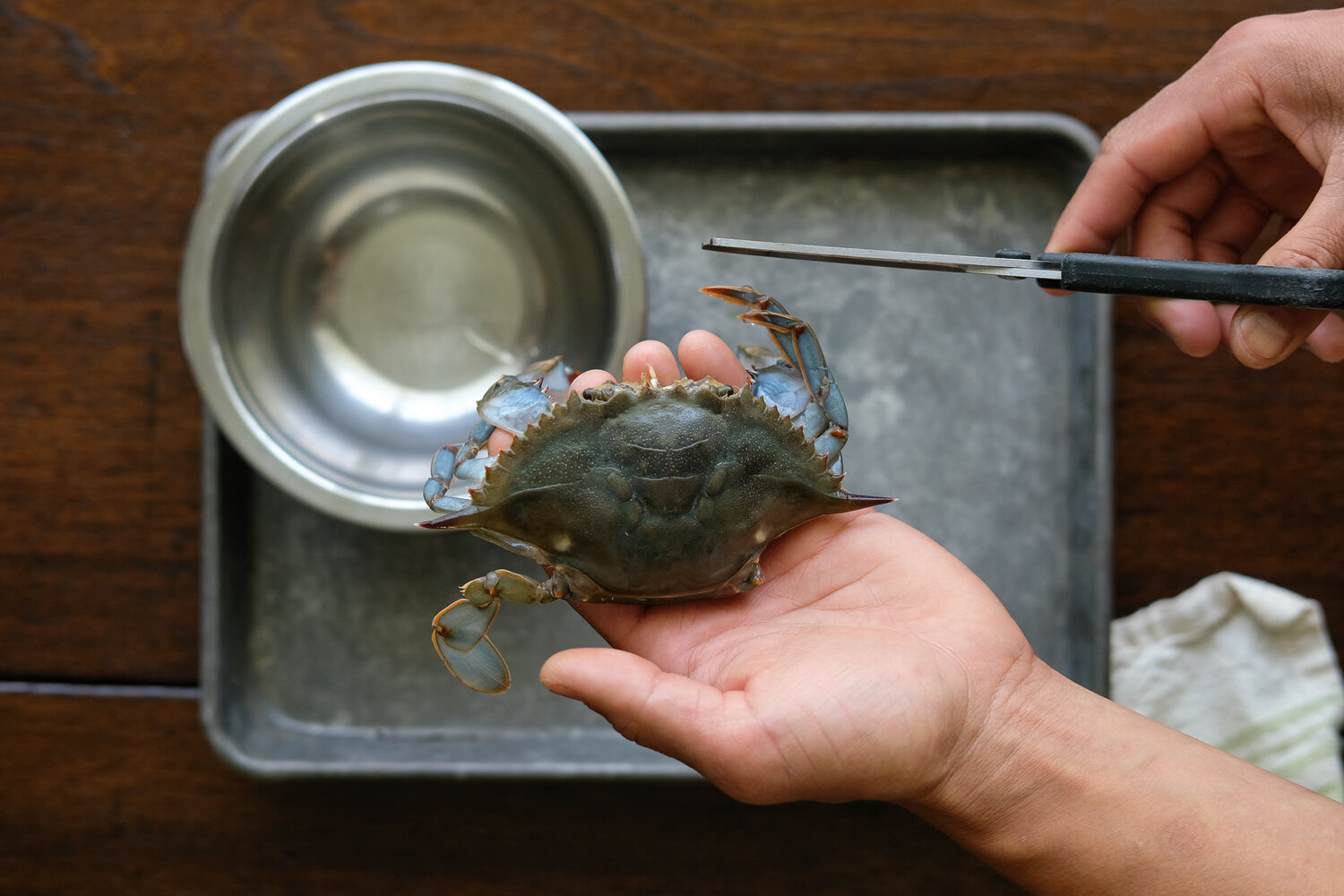
Start by rinsing the crab under cold running water to remove dirt and debris. Use a brush to gently scrub the shell if needed, especially around the claws and legs. Avoid soaking the crab in water, as it can affect the meat’s texture.
Remove the gills and any internal organs that might cause off-flavors during freezing. These parts can spoil quickly, even in the freezer. You can do this by lifting the apron on the underside of the crab and pulling out the inedible bits.
Handling Precautions
Handle the crab carefully to avoid damaging the shell or meat. Cracks can lead to freezer burn, which dries out the crab and ruins the taste. If you’re freezing live crab, make sure to chill them first to reduce stress and improve quality.
Use airtight containers or heavy-duty freezer bags to protect the crab from air exposure. Press out as much air as possible before sealing to prevent ice crystals. Label your packages with the date so you can track how long the crab has been stored.
Credit: elevatedwild.com
Freezing Methods For Crab In The Shell
Freezing crab in the shell is a smart way to preserve its fresh flavor and texture. However, the way you freeze it can make a big difference in how well it holds up over time. Choosing the right method ensures your crab stays tasty and ready for your next seafood feast.
Using Freezer Bags
Freezer bags are a simple and accessible option for freezing crab in the shell. Make sure to remove as much air as possible before sealing to prevent freezer burn. You can gently pat the crab dry and place it inside, squeezing out the air by pressing the bag flat.
It’s a good idea to double-bag the crab if you plan to store it for more than a month. Label the bag with the date to keep track of freshness. Have you tried freezing seafood this way and noticed a difference in taste?
Vacuum Sealing
Vacuum sealing is the best way to lock in freshness and prevent ice crystals. This method removes all air around the crab, which preserves its texture and flavor longer. If you have a vacuum sealer, use it for crab in the shell to get restaurant-quality frozen seafood at home.
Vacuum-sealed crab can last up to 6 months in the freezer without losing quality. This method might require some initial investment, but it’s worth it if you freeze seafood regularly. What’s your go-to method for keeping seafood fresh?
Wrapping Tips
Before freezing, wrap the crab tightly in plastic wrap or aluminum foil to add an extra layer of protection. This helps prevent moisture loss and keeps the shell from drying out. Wrapping also reduces the chance of the crab absorbing other freezer odors.
Combine wrapping with freezer bags or vacuum sealing for the best results. Always avoid loosely wrapping crab, as this can lead to freezer burn and affect the taste. How do you usually prepare your seafood before freezing to keep it fresh?
Storage Duration And Temperature
Proper storage is key when freezing crab in the shell. The right temperature and time frame can make a big difference in how fresh and tasty your crab remains. Knowing how long and at what temperature to store it helps you avoid waste and enjoy the best flavor.
Optimal Freezing Temperatures
Freezing crab at the correct temperature is essential to preserve its texture and taste. The ideal temperature for freezing crab in the shell is at or below -18°C (0°F). This temperature slows down bacterial growth and prevents freezer burn.
Keeping your freezer consistently cold is just as important as setting the right temperature. Frequent temperature changes can cause ice crystals to form, which damages the crab’s delicate meat. Do you check your freezer temperature regularly to ensure it stays steady?
Recommended Storage Times
How long can you keep crab in the shell frozen without losing quality? Typically, it’s best to use frozen crab within 3 to 6 months. Beyond this period, the meat might become dry and lose its natural sweetness.
If you freeze crab for longer than six months, you risk texture and flavor degradation. Label your packages with the freezing date to keep track easily. Have you ever found a forgotten bag of seafood in your freezer? Avoiding this can save you from unpleasant surprises.
Credit: wdfw.medium.com
Thawing Crab Safely
Thawing crab safely is essential to keep its taste and texture perfect. Proper thawing also prevents harmful bacteria from growing. Take your time to thaw crab in a way that keeps it fresh and safe to eat.
Thawing In Refrigerator
Place the crab in a bowl or tray to catch any drips. Keep it in the refrigerator for 12 to 24 hours. This slow thaw keeps the crab at a safe temperature. It also helps the meat stay firm and tasty. Avoid leaving crab out at room temperature to prevent bacteria.
Quick Thawing Techniques
Fill a large bowl with cold water. Put the crab in a sealed plastic bag to avoid water contact. Submerge the bag in the cold water. Change the water every 30 minutes to keep it cold. The crab should thaw in 1 to 2 hours. Do not use warm water, as it can spoil the crab’s flavor and texture.
Maintaining Crab Quality After Freezing
Freezing crab in the shell is a convenient way to enjoy this seafood later, but maintaining its quality after freezing can be tricky. The key lies in how you handle the crab before and after freezing to keep its flavor and texture intact. If you want your crab to taste just as fresh as the day you bought it, paying attention to these details is essential.
Avoiding Freezer Burn
Freezer burn happens when air reaches the crab, drying it out and affecting its taste. To prevent this, wrap your crab tightly with plastic wrap or aluminum foil. Then, place it in a heavy-duty freezer bag, squeezing out as much air as possible.
Vacuum sealing works best if you have the equipment—it seals out air completely and protects the crab for longer periods. Remember to label the package with the date, so you use it within a safe time frame, usually within 3 months for best quality.
Preserving Flavor And Texture
The crab’s delicate flavor and firm texture can suffer if frozen improperly. Before freezing, rinse the crab under cold water and pat dry to remove any surface moisture that can form ice crystals. These crystals might rupture the meat fibers, leading to a mushy texture once thawed.
Freeze crab as soon as possible after purchasing or cooking. The fresher the crab at freezing, the better the taste later. When thawing, do it slowly in the refrigerator rather than using warm water or microwave, which can cause uneven texture and loss of flavor.
Common Mistakes To Avoid
Freezing crab in the shell can save you time and money. Yet, many make simple mistakes that ruin the crab’s taste and texture. Avoiding these errors keeps your crab fresh and delicious after freezing.
Freezing Crab Without Cleaning It
Leaving dirt and debris on the crab can cause bad flavors. Always rinse the crab under cold water before freezing. Clean crab freezes better and tastes fresher when cooked later.
Freezing Crab When It Is Not Fresh
Freezing old crab does not fix spoilage. Always freeze crab as soon as possible after purchase. Fresh crab keeps its texture and flavor better after freezing.
Freezing Crab Without Proper Packaging
Air exposure causes freezer burn and dry crab meat. Use airtight bags or containers for freezing crab. Remove as much air as possible before sealing to protect crab quality.
Not Cooling Crab Before Freezing
Placing warm crab directly in the freezer raises the freezer temperature. This affects other foods and crab texture. Cool crab completely in the fridge before freezing.
Freezing Crab For Too Long
Freezer time affects crab taste and texture. Use frozen crab within 2 to 3 months for best results. Long freezing times cause dry, tough crab meat.
Frequently Asked Questions
Can You Freeze Crab In The Shell Safely?
Yes, you can freeze crab in the shell safely. Wrap it tightly in plastic wrap and place it in an airtight bag. This prevents freezer burn and preserves flavor. Freeze crab within two days of purchase for best quality and freshness.
How Long Can Crab In Shell Stay Frozen?
Crab in the shell can stay frozen for up to 3 months. Beyond this, texture and flavor may deteriorate. Store it properly in airtight packaging to maintain quality. Always thaw crab slowly in the refrigerator before cooking.
Does Freezing Crab In Shell Affect Taste?
Freezing crab in the shell preserves most of its natural taste. Proper packaging prevents freezer burn and moisture loss. However, extended freezing might slightly affect texture. For best flavor, consume frozen crab within three months.
Should Crab Be Cooked Before Freezing In Shell?
It is best to cook crab before freezing in the shell. Cooking first locks in flavor and kills bacteria. After cooking, cool crab completely, then wrap and freeze properly. This method helps maintain freshness and taste during storage.
Conclusion
Freezing crab in the shell keeps it fresh for weeks. Make sure to wrap it tightly to avoid freezer burn. Thaw crab slowly in the fridge for best taste. Avoid refreezing crab once it has thawed. This method helps keep the crab’s flavor and texture.
Enjoy your crab dishes anytime with proper freezing. Simple steps make freezing crab easy and effective. Try this to save crab for later meals.