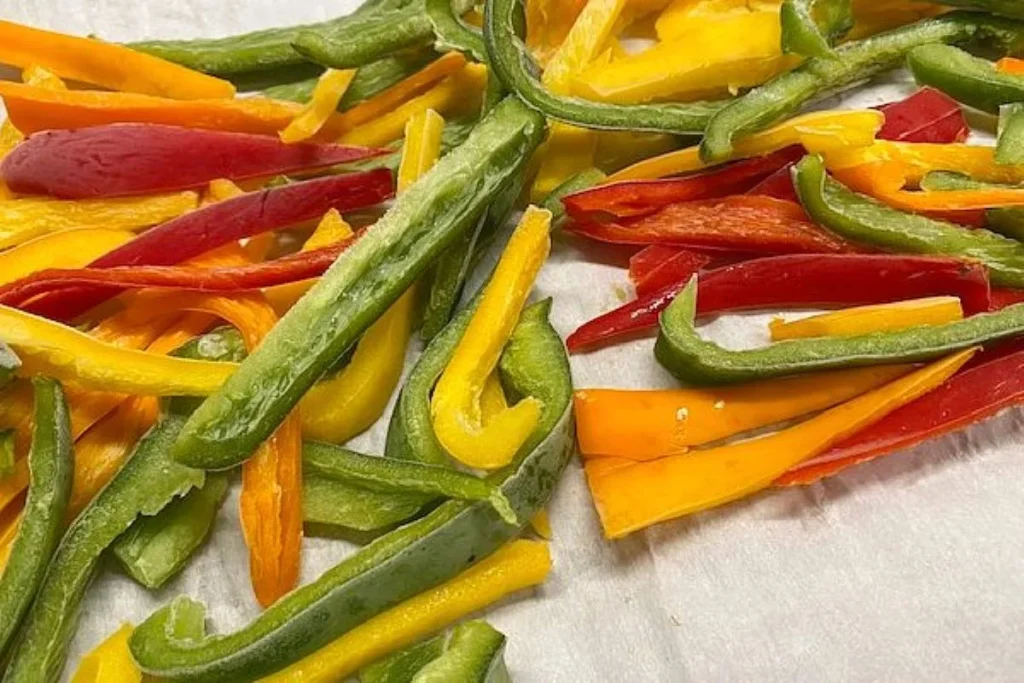
Have you ever found yourself staring at a bunch of green peppers and onions in your kitchen, wondering if you can preserve their freshness for later use? You’re not alone.
Many home cooks face this dilemma, especially when they want to avoid food waste or stock up during a sale. The good news is that freezing can be a fantastic solution. But how do you do it without losing flavor and texture?
You’ll uncover the secrets to freezing green peppers and onions effectively, ensuring they taste just as fresh when you’re ready to use them. Keep reading to discover simple tips that could change the way you manage your kitchen staples forever.
Credit: almostretiredlife.com
Freezing Basics For Vegetables
Freezing vegetables is a smart way to keep your kitchen stocked with fresh flavors all year round. It slows down the natural decay process and preserves nutrients, so you can enjoy green peppers and onions well beyond their typical shelf life. But freezing isn’t just about tossing veggies in a bag; it requires a bit of care to maintain texture and taste.
Knowing the basics of freezing helps you avoid soggy or flavorless veggies later. You’ll want to blanch some vegetables before freezing to stop enzyme action, but peppers and onions often don’t need it. Understanding how to prepare and store these veggies can make your meals tastier and your cooking more efficient.
Why Freeze Green Peppers And Onions
Have you ever bought a bunch of green peppers or onions only to have some go bad before you use them? Freezing solves this problem by extending their usability for months. It’s a great way to reduce food waste and save money.
Frozen peppers and onions are ready to toss directly into your dishes, which cuts down prep time. Imagine grabbing a handful of frozen diced onions straight from your freezer for your stir-fry or chili. It’s convenient and keeps your meal prep quick and easy.
Best Varieties For Freezing
Not all green peppers and onions freeze equally well. Choose firm, fresh peppers without soft spots or wrinkles. Bell peppers in green, red, yellow, or orange varieties freeze nicely, but green peppers tend to be a bit firmer and hold up well.
For onions, sweet and yellow onions are commonly frozen, but you can also freeze white or red onions if you prefer. Avoid freezing onions that are already starting to sprout or feel mushy, as freezing won’t improve their quality.
- Green Peppers:Choose crisp, thick-walled peppers with bright skin.
- Onions:Select firm onions with dry, papery skins.
Have you noticed how some frozen veggies become watery after thawing? Picking the right variety and prepping properly prevents that frustration. What’s your experience with freezing peppers or onions? Share your tips or challenges!
Credit: www.food.com
Preparation Steps
Freezing green peppers and onions keeps them fresh for longer. Proper preparation is key to preserving their taste and texture. Follow these simple steps to prepare these vegetables before freezing.
Cleaning And Peeling
Start by washing green peppers and onions under cold running water. Remove dirt and any pesticides. Peel the outer skin from onions carefully. For green peppers, remove the stem and seeds. Clean vegetables freeze better and last longer.
Cutting Techniques
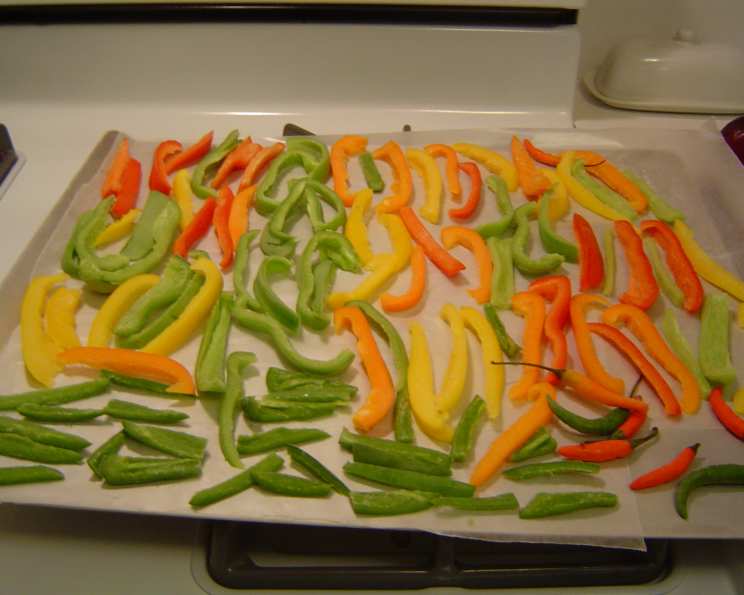
Cut green peppers into strips or small cubes. Slice onions into rings or chop them finely. Choose the size based on how you plan to use them later. Uniform pieces freeze evenly and thaw quickly. Use a sharp knife for clean cuts.
Blanching Necessity
Blanching green peppers and onions is optional but helpful. It stops enzyme activity that causes spoilage. Boil water and drop the vegetables in for 2 minutes. Then, cool them quickly in ice water. Blanching preserves color, flavor, and texture during freezing.
Freezing Methods
Freezing green peppers and onions preserves their flavor and texture for later use. Different freezing methods affect how well they keep their taste and quality. Choosing the right technique helps keep your vegetables fresh and tasty after freezing.
Freezing Raw
Cut green peppers and onions into pieces. Spread them on a baking sheet in a single layer. Freeze for a few hours until firm. Transfer to freezer bags or containers. This method keeps the vegetables ready for cooking without thawing first.
Blanched Freezing
Boil water and prepare an ice bath. Put chopped peppers and onions in boiling water for 2 minutes. Quickly move them to ice water to stop cooking. Drain and dry well. Freeze in containers or bags. Blanching helps keep color and texture better over time.
Using Airtight Containers
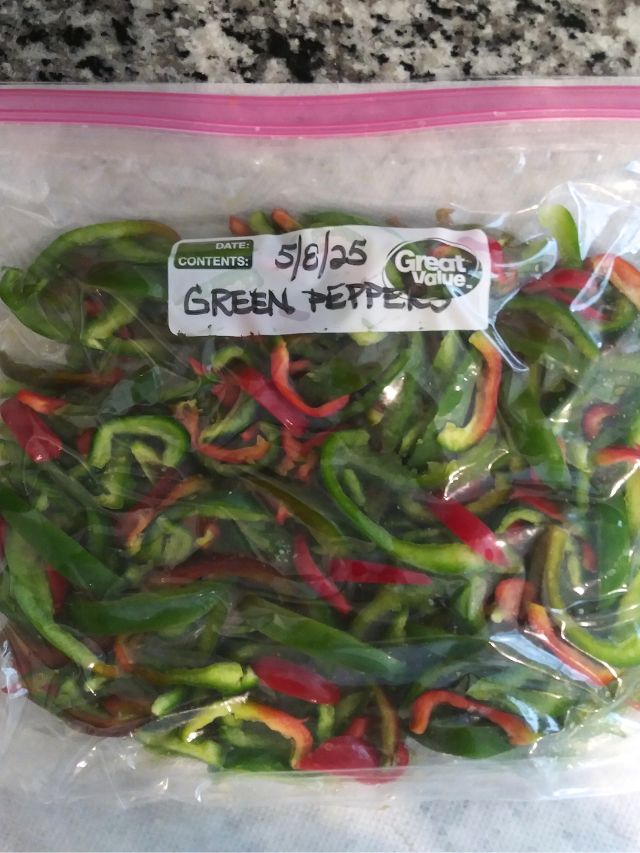
Choose airtight containers or freezer bags for storage. Remove as much air as possible to prevent freezer burn. Label containers with the date of freezing. Store in the coldest part of the freezer. Airtight storage keeps vegetables fresh and flavorful longer.
Storage Tips
Storing green peppers and onions correctly before freezing can make a big difference in how fresh and tasty they stay. Proper storage helps maintain their texture, color, and flavor so you can enjoy them even months later. Knowing a few simple tips can save you time and reduce food waste.
Labeling And Dating
Always label your bags or containers with the contents and the date you froze them. This small step helps you keep track of how long your veggies have been in the freezer. It’s easy to forget what’s inside or when you froze it, and labeled packages prevent that confusion.
I once found a bag of frozen peppers without a label and had to guess its age. It didn’t taste fresh at all, which was disappointing. You don’t want to waste food or risk bad flavors by skipping this.
Optimal Freezing Duration
Green peppers and onions taste best when used within 8 to 12 months of freezing. After this period, they start to lose flavor and their texture can degrade. Keeping track of freezing time ensures you use them while they’re still good.
Try to plan your meals so you use frozen veggies in time. If you freeze peppers and onions in large batches, portion them out into smaller bags to avoid thawing more than you need.
Avoiding Freezer Burn
Freezer burn happens when air reaches your veggies, drying them out and causing off flavors. To prevent this, remove as much air as possible from your storage bags before sealing. Vacuum sealing is the best option, but squeezing the air out manually works too.
Using airtight containers or heavy-duty freezer bags can also help maintain moisture. If you notice frost or ice crystals inside, it’s a sign the packaging isn’t tight enough. Would you want to eat dry, flavorless peppers? Taking a few extra seconds to seal properly preserves your food’s quality.
Thawing And Using Frozen Peppers And Onions
Thawing frozen green peppers and onions properly helps keep their flavor and texture. Using these vegetables after freezing can save time in cooking. Knowing how to thaw and use them well makes meals easier and tastier.
Safe Thawing Practices
Thaw frozen peppers and onions in the fridge for several hours or overnight. This keeps them at a safe temperature and prevents bacteria growth. For quick thawing, place them in a sealed bag and submerge in cold water. Avoid thawing at room temperature to reduce health risks.
Cooking With Frozen Vegetables
Use frozen peppers and onions directly in hot dishes like soups, stews, or stir-fries. This saves time and keeps nutrients. If cooking raw or lightly cooked dishes, thaw first to avoid excess water. Pat them dry with a paper towel to improve cooking results.
Texture And Flavor Changes
Freezing can soften the texture of peppers and onions. They may become less crunchy but still taste good. Cooking frozen vegetables longer helps improve texture. Flavor may be slightly milder, but seasoning can boost taste back.
Common Mistakes To Avoid
Freezing green peppers and onions saves time and reduces food waste. Yet, many make mistakes that affect taste and texture. Avoiding these errors keeps your frozen veggies fresh and flavorful.
Understanding common mistakes helps you freeze peppers and onions properly. Small changes in preparation and storage make a big difference.
Not Blanching Before Freezing
Skipping blanching causes loss of color and flavor. Blanching stops enzyme action that spoils vegetables. A quick dip in boiling water for 2-3 minutes is enough. Cool immediately in ice water to stop cooking.
Freezing Whole Instead Of Chopped
Whole peppers and onions freeze unevenly and take longer to thaw. Chopping into pieces before freezing saves space. It also makes cooking faster later.
Using Improper Packaging
Using regular plastic bags lets air in, causing freezer burn. Use airtight containers or freezer bags. Remove as much air as possible before sealing.
Not Labeling And Dating Packages
Not marking frozen veggies leads to confusion and waste. Label each package with the date and contents. Use older bags first to keep freshness.
Freezing Without Drying
Moisture on peppers and onions forms ice crystals. This damages texture and flavor. Pat dry with a towel before freezing to avoid this issue.
Freezing Large Batches At Once
Large batches freeze slowly, causing uneven freezing and quality loss. Freeze in small portions for faster and better freezing.
Credit: healthyideasplace.com
Frequently Asked Questions
Can You Freeze Green Peppers Raw Or Cooked?
You can freeze green peppers both raw and cooked. Raw peppers should be chopped and blanched briefly. Cooked peppers freeze well after cooling. Freezing preserves flavor and texture for later use in recipes.
How Long Do Frozen Green Peppers And Onions Last?
Frozen green peppers and onions last up to 10-12 months. Store them in airtight freezer bags or containers. Proper sealing prevents freezer burn and maintains quality. Label with the date for best freshness.
Do Frozen Onions Lose Flavor Or Texture?
Frozen onions may soften but retain most flavor when cooked. Raw frozen onions are best used in cooked dishes. Freezing preserves their taste but changes texture slightly. They are ideal for soups, stews, and sautés.
Should You Blanch Green Peppers Before Freezing?
Blanching green peppers before freezing is recommended. It stops enzyme activity that causes spoilage and flavor loss. Blanch for 2-3 minutes, then cool quickly. This step helps maintain color, texture, and nutrition during freezing.
Conclusion
Freezing green peppers and onions saves time and reduces waste. Cut them into pieces before freezing for best results. Use airtight containers or bags to keep freshness. Frozen peppers and onions work well in cooked dishes. Texture may change slightly, but flavor stays good.
Keep track of storage time to enjoy quality taste. Try freezing to make meal prep easier and faster. Simple, smart, and practical for any kitchen.