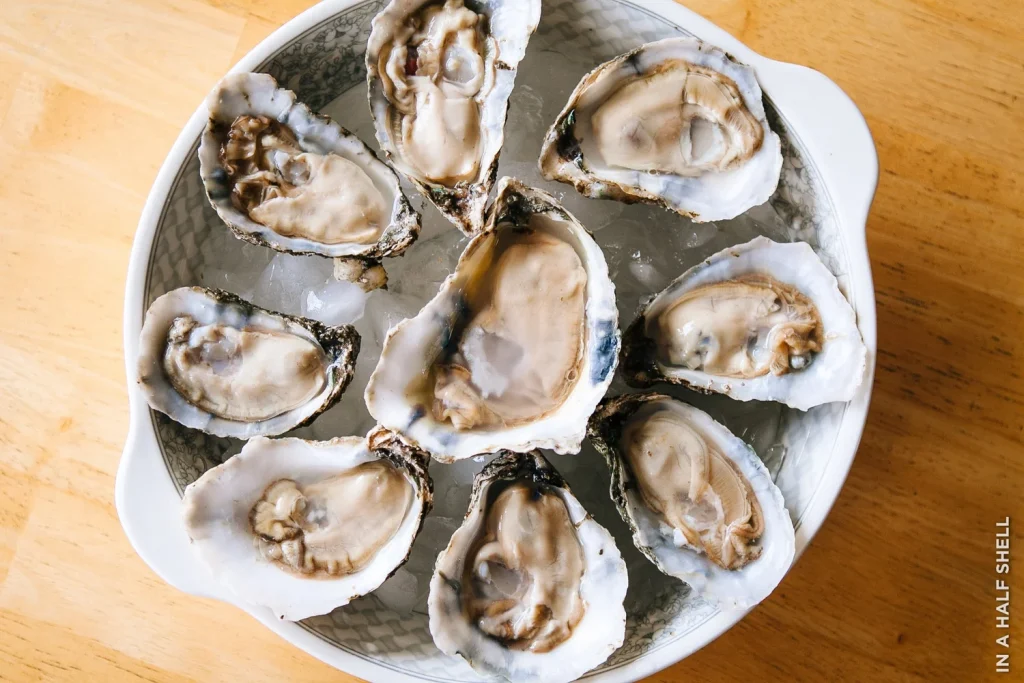
Have you ever found yourself with a bounty of fresh oysters and wondered if you could preserve their deliciousness for later? Freezing oysters in the shell might just be the answer you’re looking for.
Whether you’ve got a dozen oysters left over from a seafood feast or you’re planning ahead for a special occasion, knowing how to properly store them can make all the difference. Imagine savoring the briny taste of the ocean even weeks after your purchase.
But is it really possible to freeze oysters without losing their unique texture and flavor? We’ll reveal everything you need to know about freezing oysters in the shell, ensuring you can enjoy this delicacy anytime you crave it. Keep reading to discover the secrets to keeping your oysters fresh and tasty.
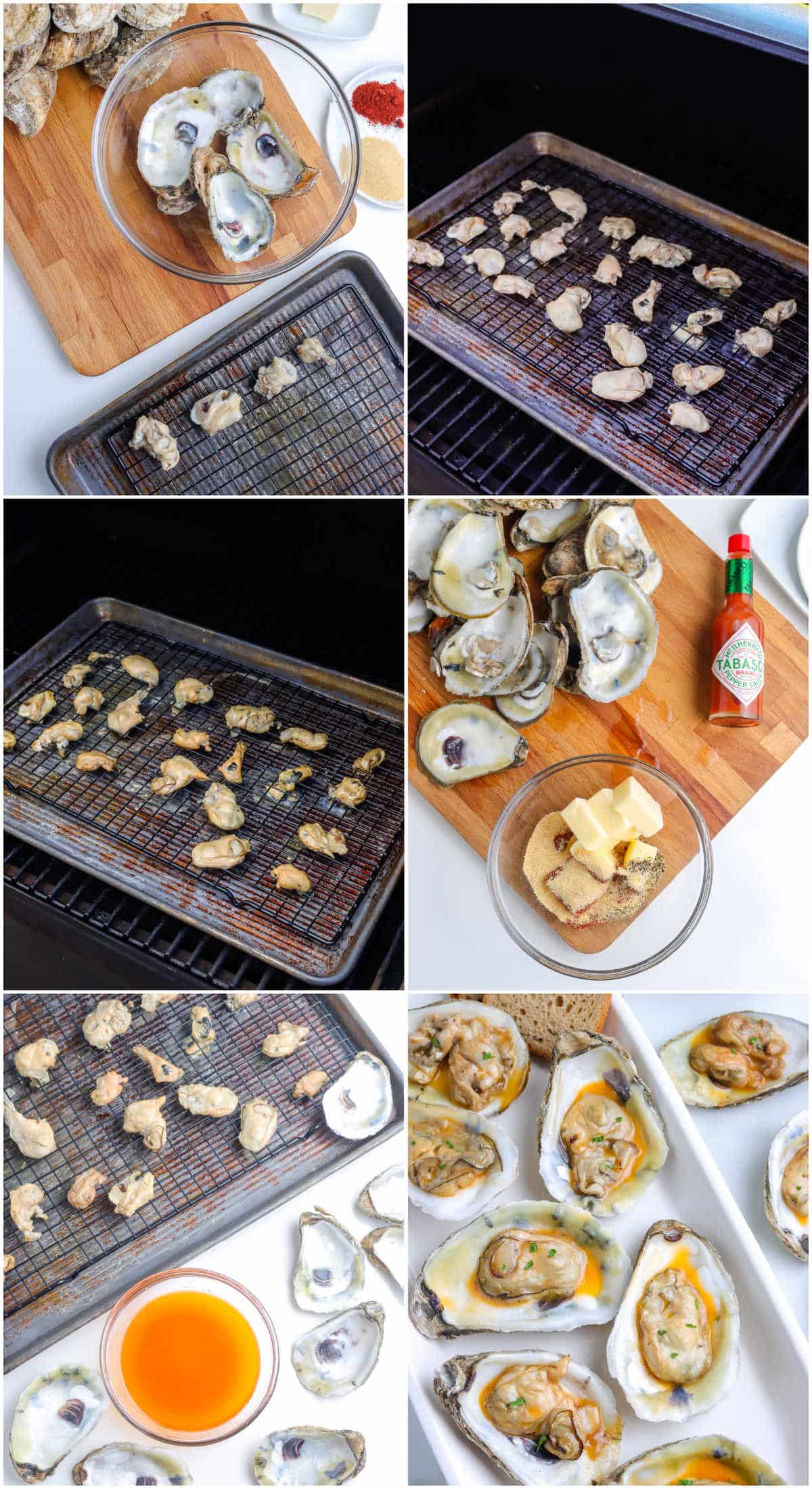
Credit: foodfolksandfun.net
Freezing Oysters Basics
Freezing oysters can be tricky but useful for extending their shelf life. Knowing the basics helps keep the oysters fresh and tasty after freezing. Proper freezing methods protect the flavor and texture. Let’s explore the key points about freezing oysters in the shell.
Fresh Vs Frozen Oysters
Fresh oysters taste sweeter and have a better texture than frozen ones. Freezing can change their texture, making them slightly softer. Fresh oysters should be eaten within a day or two for best taste. Frozen oysters last longer but may lose some flavor. Use frozen oysters mainly for cooking, not raw eating.
Oysters In Shells: What To Know
Oysters freeze better out of the shell. Shells can crack or break during freezing. Ice crystals form and can damage the oyster inside the shell. If freezing in shells, keep them tightly closed. Wrap in a damp cloth or paper towel to prevent drying. Store in an airtight container to avoid freezer burn.
Preparing Oysters For Freezing
Preparing oysters for freezing ensures they keep their flavor and texture. Proper preparation helps avoid food waste and preserves quality. Follow these steps carefully to prepare oysters before freezing.
Cleaning And Inspecting
Rinse oysters under cold running water to remove dirt and debris. Use a stiff brush to scrub the shells gently. Check each oyster for cracks or damage. Discard any with broken or open shells that do not close when tapped. Clean oysters freeze better and stay fresh longer.
Choosing The Right Shells
Select oysters with tightly closed shells. These indicate freshness and good quality. Avoid shells that are open or cracked. Choose medium to large oysters for better freezing results. Smaller oysters may lose texture after freezing. Proper shell choice helps keep oysters safe to eat after thawing.
Freezing Methods
Freezing oysters can be a great way to extend their shelf life, but choosing the right method makes all the difference in maintaining their flavor and texture. You have options depending on whether you want to freeze them in the shell or prepare them first. Understanding each method helps you decide what suits your needs and kitchen setup best.
Freezing In Shells
Freezing oysters in their shells is possible but requires careful preparation. Start by rinsing the oysters to remove dirt and debris, then place them in an airtight container or a freezer bag. Keep in mind that freezing in shells can cause the oysters to lose some texture, making them better suited for cooking rather than eating raw later.
Do you have space in your freezer? Make sure to arrange them in a single layer to prevent crushing. Also, label the container with the freezing date to keep track of freshness.
Shucking Before Freezing
Shucking oysters before freezing lets you save space and makes it easier to use them later. After shucking, keep the oysters in their liquor to retain moisture and flavor. Place them in a freezer-safe container or bag, making sure to leave some headspace for expansion.
This method works well if you plan to cook the oysters directly from frozen. Have you tried adding a splash of lemon juice or a pinch of salt before freezing? It can help preserve their natural taste.
Using Vacuum Sealing
Vacuum sealing is one of the best ways to freeze oysters, whether in the shell or shucked. Removing air prevents freezer burn and keeps the oysters fresher for longer. If you don’t have a vacuum sealer, double wrapping in plastic wrap and placing in a freezer bag is a good alternative.
Vacuum sealing also simplifies thawing because the oysters stay in a compact, sealed package. Are you ready to invest in a vacuum sealer? It’s a small tool that can save you money and reduce food waste over time.
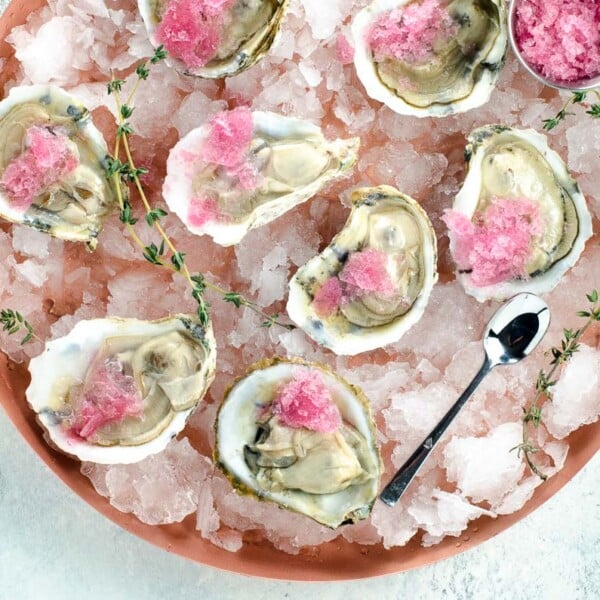
Credit: umamigirl.com
Storage Tips
Proper storage is key when freezing oysters in the shell to maintain their freshness and flavor. You want to protect their texture and prevent any unpleasant odors from developing. Knowing the right freezer temperature and how long you can freeze them will help you enjoy oysters that taste just as good as fresh ones.
Optimal Freezer Temperature
Keep your freezer at a steady temperature of 0°F (-18°C) or lower. This temperature halts bacterial growth and keeps the oysters safe to eat for longer periods. Avoid temperature fluctuations by not opening your freezer too often, as this can cause ice crystals to form and damage the oysters’ texture.
Before freezing, rinse the oysters gently to remove any dirt or debris. Then, place them in a sealed, airtight container or wrap them tightly in plastic wrap to prevent freezer burn. You might want to add a damp cloth or paper towel inside the container to maintain moisture, which helps preserve their natural juices.
How Long To Freeze
You can freeze oysters in the shell for up to 3 months without a significant loss in quality. Beyond that, the texture may become rubbery and the flavor dull. To avoid wasting your oysters, label the package with the freezing date so you know when to use them.
Remember, freezing doesn’t improve oysters—it just preserves them. If you’re unsure about their freshness after thawing, smell them. A clean, ocean-like scent means they’re still good; any strong or sour odor means it’s best to discard them.
Thawing Oysters Safely
Thawing oysters safely is key to keeping their flavor and texture fresh. Proper thawing stops bacteria from growing. It also helps oysters taste just like fresh ones. The way you thaw affects their quality and safety.
Slow Vs Quick Thawing
Slow thawing means letting oysters warm in the fridge. This takes about 12 to 24 hours. It keeps oysters cold and safe. Quick thawing uses cold water to speed up the process. It takes about 20 to 30 minutes.
Slow thawing is best for taste and safety. Quick thawing works if you need oysters fast. Avoid using warm or hot water. This can harm the oysters and cause bacteria growth.
Avoiding Texture Changes
Oysters can become rubbery or mushy if thawed wrong. Keep oysters in their shell during thawing to keep juices inside. Do not freeze and thaw oysters multiple times. This damages their texture and taste.
After thawing, use oysters within 24 hours. Store them cold until ready to eat. This keeps them fresh and tasty. Treat oysters gently to avoid breaking their shells or meat.
Cooking Frozen Oysters
Cooking frozen oysters requires care to keep their texture and flavor intact. Thaw oysters gently in the fridge before cooking. Avoid rushing this step to prevent toughness. Frozen oysters work well in many dishes that use cooked seafood. Their taste blends nicely with herbs, spices, and sauces.
Best Recipes For Frozen Oysters
- Oyster stew with cream and mild spices
- Oysters baked with garlic butter and parsley
- Fried oysters coated in seasoned breadcrumbs
- Grilled oysters topped with lemon and herbs
- Oyster pasta with light white wine sauce
These recipes highlight the fresh flavor of oysters. Frozen oysters add convenience without losing much taste. Use fresh ingredients to enhance each dish’s natural richness.
Avoiding Overcooking
Oysters cook quickly. Overcooking makes them rubbery and dry. Watch cooking times carefully. Remove oysters from heat as soon as they curl at the edges. Use low to medium heat for better control.
Check oysters often during cooking. They should be tender and juicy. Proper cooking keeps their delicate flavor bright and enjoyable.
Common Mistakes To Avoid
Freezing oysters in the shell might seem straightforward, but certain mistakes can ruin their texture and safety. Knowing what to avoid helps you keep your oysters fresh and tasty. Let’s look at common pitfalls that many people face.
Freezing Dead Oysters
Never freeze oysters that are already dead. Dead oysters spoil quickly and can cause food poisoning. Before freezing, tap the shell; if it doesn’t close, the oyster is likely dead and unsafe to eat.
Freezing dead oysters won’t revive them or make them safe. Instead, it locks in bacteria that can multiply once thawed. Always choose live, tightly closed oysters to freeze.
Refreezing Risks
Refreezing oysters after thawing is risky. Each freeze-thaw cycle damages the oyster’s texture and flavor. Worse, it increases the chance of bacterial growth and foodborne illness.
If you thaw oysters and don’t use them all, avoid putting them back in the freezer. Plan how many you’ll need beforehand to prevent waste and keep your seafood safe.
Health And Safety Considerations
Freezing oysters in the shell might seem like a convenient way to preserve their freshness, but it raises important health and safety questions. Understanding the risks and proper handling methods can help you avoid foodborne illnesses and enjoy oysters safely. Let’s look at the key points you should keep in mind before freezing oysters.
Food Safety Guidelines
Oysters are highly perishable and can carry harmful bacteria if not handled properly. Always ensure oysters are alive before freezing by checking if their shells are tightly closed or close when tapped. Dead oysters can cause food poisoning and should never be frozen or eaten.
When freezing, keep oysters in their shells and place them in an airtight container or freezer bag to prevent freezer burn. Freeze them as quickly as possible at 0°F (-18°C) or lower. Remember, freezing slows bacterial growth but does not kill all pathogens.
After freezing, thaw oysters in the refrigerator, not at room temperature, to reduce bacteria growth. Consume thawed oysters within 24 hours for best safety and quality. Are you willing to take the risk if oysters show any signs of damage or unusual smell?
Signs Of Spoilage
Before freezing or consuming oysters, inspect them carefully. Spoiled oysters often emit a strong, unpleasant odor that resembles rotten eggs or sewage. Fresh oysters should smell like the sea—briny and clean.
Look for cracked, chipped, or open shells that don’t close when tapped. These are red flags that the oyster inside may be dead or contaminated. The texture should be firm and moist; slimy or dry flesh indicates spoilage.
If you notice any discoloration or excessive liquid inside the shell, discard the oyster immediately. Eating spoiled oysters can cause severe stomach issues, so trust your senses and never take chances with shellfish safety.

Credit: www.accio.com
Frequently Asked Questions
Can You Freeze Live Oysters In The Shell?
Yes, you can freeze live oysters in the shell. Clean them well and place in an airtight container. Freezing preserves freshness but may alter texture slightly.
How Long Can Oysters Stay Frozen In The Shell?
Oysters can be frozen in the shell for up to 3 months. Beyond this, quality and taste may decline.
Should You Shuck Oysters Before Freezing?
It is better to freeze oysters in the shell. This helps retain their natural juices and flavor.
How To Thaw Frozen Oysters Safely?
Thaw oysters slowly in the refrigerator for 24 hours. Avoid thawing at room temperature to prevent bacterial growth.
Conclusion
Freezing oysters in the shell can keep them fresh for weeks. Make sure to clean and seal them tightly before freezing. Thaw them slowly in the fridge to keep taste and texture. Avoid freezing oysters for too long to prevent quality loss.
Enjoy frozen oysters cooked, not raw, for safety. This method helps reduce waste and saves money. Now, you know how to store oysters safely at home. Give it a try and enjoy fresh flavors anytime.