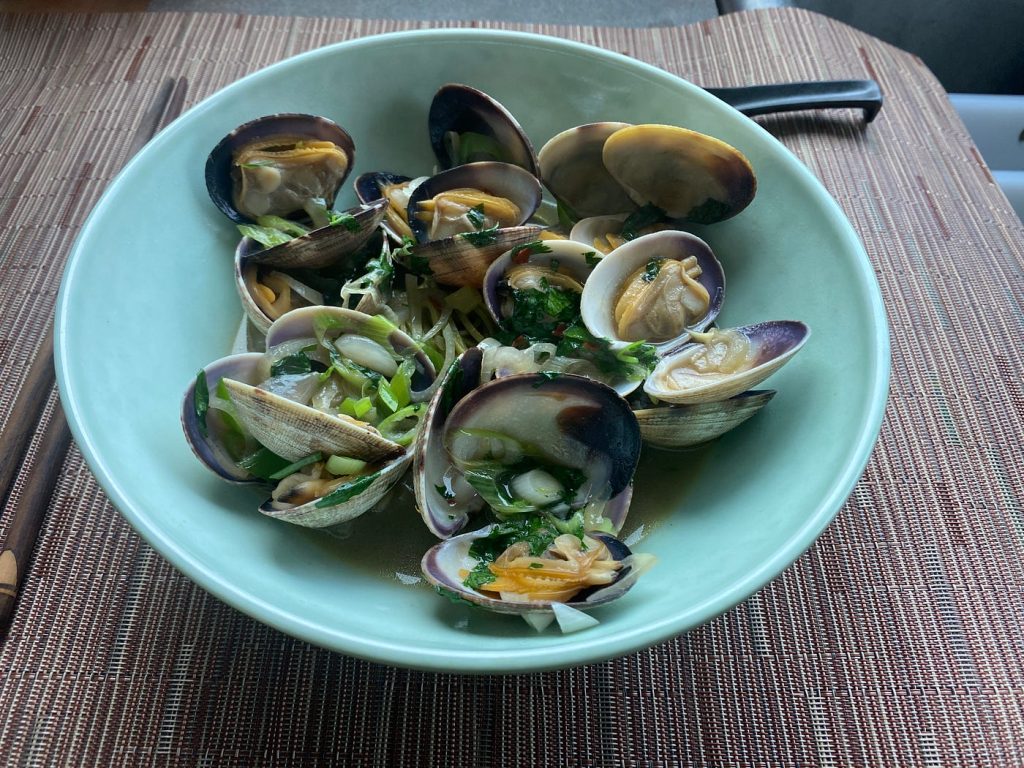
Have you ever found yourself with a surplus of fresh clams and wondered if you could save them for later? Freezing raw clams might seem like a convenient solution, but is it really the best way to preserve their delicate flavor and texture?
You’ll discover the ins and outs of freezing raw clams, so you can make informed decisions for your seafood storage. You’ll learn the potential benefits and pitfalls, as well as expert tips on how to ensure your clams taste just as fresh as the day you bought them.
Stay with us as we uncover the secrets to keeping your clams at their best, so you can enjoy their ocean-fresh goodness whenever you crave it.
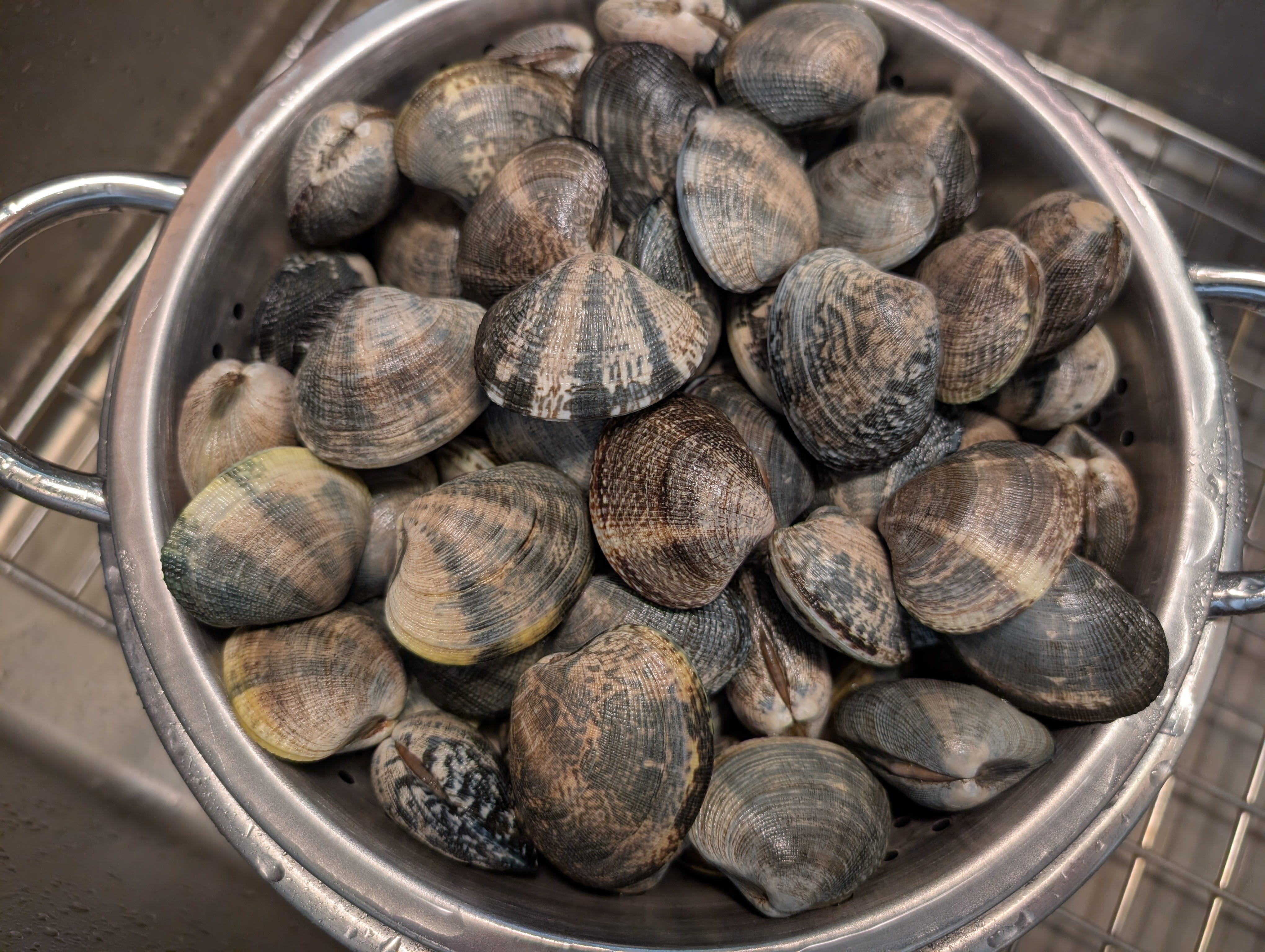
Credit: seafoodsavvy.substack.com
Freezing Raw Clams Safely
Freezing raw clams is a great way to keep their fresh taste for later use. Doing it right helps keep their texture and flavor intact. It also stops harmful bacteria from growing. This section explains how to freeze raw clams safely and keep them tasty.
Choosing Fresh Clams
Pick clams that are tightly closed or close when tapped. Avoid clams with broken shells or a bad smell. Fresh clams should feel heavy and moist. Do not use clams that are dry or open and do not close.
Check the date if buying packaged clams. Always buy from a trusted store or market. Freshness is key to safe freezing and good taste later.
Preparing Clams For Freezing
Start by rinsing clams under cold water to remove dirt and sand. Use a brush to clean the shells gently. Do not open the clams before freezing.
Place clams in a bowl with cold water and add a little salt. Let them sit for about 20 minutes. This helps clams release sand inside their shells.
Drain the water and pat clams dry with paper towels. Pack clams in an airtight container or freezer bag. Remove as much air as possible to avoid freezer burn.
Label the container with the date. Freeze clams at 0°F (-18°C) or lower. Use frozen clams within three months for best quality.
Credit: commischefchris.medium.com
Best Freezing Methods
Freezing raw clams is a smart way to enjoy their fresh taste long after purchase. Choosing the best freezing method helps maintain their texture and flavor. Let’s explore two effective ways to freeze clams so you can keep them delicious and safe to eat.
Freezing In Shell
Freezing clams in their shells keeps them protected and helps preserve their natural juices. Start by rinsing the clams thoroughly under cold water to remove sand or grit.
Place the clams in a single layer on a baking sheet. Freeze them until solid, then transfer to a freezer-safe bag or container. Removing as much air as possible prevents freezer burn.
This method works well if you plan to steam or cook the clams directly from frozen. Have you noticed how clams stay juicier this way? It’s a simple trick that keeps their texture firm.
Freezing Without Shell
If you prefer convenience, freezing clams without their shells is a great option. First, shuck the clams and collect the meat.
Rinse the clam meat gently and pat dry. To retain flavor, place the meat in an airtight container or vacuum-sealed bag.
Adding a small amount of clam juice or water can help prevent the meat from drying out. Do you like to use frozen clams in soups or pasta? This method saves you time and works perfectly for recipes where the shell isn’t needed.
Storage Tips For Longevity
Keeping raw clams fresh for as long as possible requires smart storage techniques. How you package and freeze them greatly affects their texture and flavor after thawing. Let’s look at key tips that can help you enjoy clams well beyond their purchase date.
Packaging Techniques
Proper packaging is essential to prevent freezer burn and maintain freshness. Start by rinsing the clams under cold water to remove sand and debris. Pat them dry gently with a paper towel to reduce excess moisture.
Use airtight containers or heavy-duty freezer bags to store the clams. Squeeze out as much air as possible before sealing to protect the clams from exposure to air. If you want an extra layer of protection, wrap the clams in plastic wrap or aluminum foil before placing them in bags.
Label your packages with the date you froze them. This simple step helps you keep track and avoid holding clams too long in the freezer.
Ideal Freezer Temperature
Setting your freezer to the right temperature is crucial for preserving clams. Aim for 0°F (-18°C) or lower to keep clams in prime condition. Temperatures above this can cause partial thawing and refreezing, which damages texture and taste.
Have you checked your freezer’s thermometer lately? Many freezers don’t maintain a consistent temperature, which can harm seafood quality. Adjust settings if needed and avoid frequently opening the freezer door to keep the cold steady.
Remember, clams frozen at the correct temperature can last up to three months without major loss in quality. Beyond that, you may notice a decline in flavor and texture, so plan your meals accordingly.
Thawing Raw Clams
Thawing raw clams requires care to keep them safe and tasty. Improper thawing can cause bacteria growth or spoil the clams. It is important to thaw clams slowly and at the right temperature. This helps keep their texture firm and flavor fresh. Follow these tips to thaw clams properly for the best results.
Safe Thawing Practices
Thaw clams in the refrigerator to keep them cold. Place them in a bowl or on a plate to catch any liquid. Allow 12 to 24 hours for clams to thaw fully. Avoid thawing clams at room temperature to prevent bacteria growth. Never use hot water or microwave thawing, as it can cook the clams unevenly. Keep clams in their shells while thawing to protect them.
Avoiding Quality Loss
Drain any liquid from thawed clams before cooking. Do not refreeze clams after thawing, as it harms texture. Use thawed clams within one to two days for best taste. Handle clams gently to avoid breaking their shells. Cook clams soon after thawing to keep them fresh and flavorful.
Using Frozen Clams
Using frozen clams is a great way to enjoy seafood anytime. They keep well and save time on busy days. Frozen clams maintain their flavor and texture when cooked properly. Knowing how to handle frozen clams ensures a tasty meal every time.
Cooking Tips
- Thaw clams gently in the refrigerator overnight.
- Avoid soaking clams in water to keep flavor intact.
- Cook clams quickly to prevent them from becoming rubbery.
- Steam or sauté frozen clams for best texture.
- Discard any clams that do not open after cooking.
Recipe Ideas
- Clam chowder: Use frozen clams for a rich, creamy soup.
- Garlic butter clams: Sauté clams with garlic and butter.
- Clam pasta: Toss thawed clams with olive oil and herbs.
- Seafood stew: Add frozen clams for extra flavor.
- Clam pizza: Spread clams over pizza for a unique twist.

Credit: www.hermitcrabassociation.com
Signs Of Spoiled Clams
Knowing the signs of spoiled clams helps avoid food poisoning. Clams spoil quickly if not stored properly. Check them carefully before cooking or freezing. Spotting bad clams keeps meals safe and tasty.
Visual Indicators
- Shells should be tightly closed. Open shells may mean dead clams.
- Discard clams with cracked or broken shells.
- Fresh clams have moist, shiny shells. Dry or dull shells indicate spoilage.
- A slimy coating on shells is a bad sign.
- Inside the shell, clam meat should be plump and moist, not dry or shriveled.
- Look for discoloration like dark spots or unusual colors.
Smell And Texture Changes
- Fresh clams smell like the ocean or saltwater.
- A strong fishy or sour odor means the clam is spoiled.
- Bad clams may have a rotten or ammonia-like smell.
- The texture of fresh clam meat is firm and slightly springy.
- Soft, mushy, or slimy meat shows spoilage.
- Sticky or tacky clam meat should be avoided.
Frequently Asked Questions
Can You Freeze Raw Clams Safely?
Yes, you can freeze raw clams safely. Clean them well, then store in an airtight container or freezer bag. Use within three months for best freshness and taste.
How Should You Prepare Clams Before Freezing?
Before freezing, rinse clams under cold water to remove sand. Remove any open or damaged shells. Pat dry and pack tightly in a freezer-safe container.
Will Freezing Affect Clam Texture Or Flavor?
Freezing may slightly change clam texture, making it a bit softer. Flavor remains largely intact if clams are frozen and thawed properly.
How Long Can Raw Clams Stay Frozen?
Raw clams can stay frozen up to three months without losing quality. Beyond that, texture and flavor may deteriorate, reducing taste and freshness.
Conclusion
Freezing raw clams can keep them fresh for weeks. Make sure to clean them well before freezing. Use airtight bags or containers to avoid freezer burn. Thaw clams slowly in the fridge for best results. Freshness and safety matter most when handling shellfish.
Enjoy your clams in soups, pasta, or seafood dishes. Proper freezing helps reduce waste and saves money. Try it and see how easy clam storage can be.