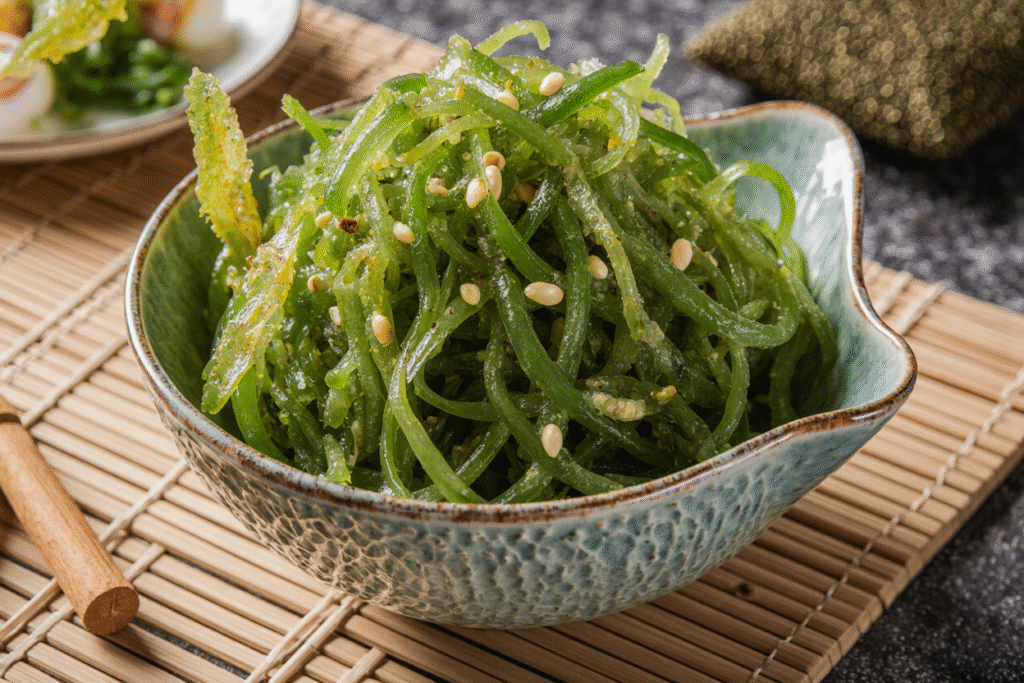
Have you ever found yourself staring at the vibrant greens of your leftover seaweed salad, pondering whether you can freeze it for later enjoyment? You’re not alone.
Many seaweed salad enthusiasts like you wonder about the best way to preserve its fresh and unique flavor. What if freezing could be the solution, allowing you to savor its taste any time you wish? We’ll explore whether freezing seaweed salad is a viable option and how you can do it without sacrificing quality.
Stay with us, and you’ll discover the secrets to making your seaweed salad last longer while keeping it as delicious as the first time you tried it.
Seaweed Salad Basics
Seaweed salad is a vibrant and refreshing dish that many enjoy for its unique texture and flavor. Before you think about freezing it, understanding the basics of seaweed salad can help you decide if freezing is a good option for you. Let’s break down what makes this salad special and why it might behave differently than other salads when frozen.
Types Of Seaweed Used
Seaweed salad usually features a mix of seaweed types, each adding its own texture and taste. The most common seaweed is wakame, which is soft and slightly sweet. You might also find hijiki, arame, or kombu, which have firmer textures and earthier flavors.
Each type reacts differently when frozen. Wakame tends to become mushy, while the firmer seaweeds might hold up better. Knowing this can guide you in choosing the right seaweed salad to freeze.
Common Ingredients In Seaweed Salad
Besides seaweed, the salad often includes ingredients like sesame seeds, sliced cucumber, and sometimes shredded carrots. The dressing is typically a mix of soy sauce, rice vinegar, sesame oil, and a bit of sugar or mirin.
These ingredients add flavor but can also affect how the salad freezes. For example, the dressing’s oil and vinegar might separate or change texture when frozen and thawed. This matters if you want your salad to taste fresh after freezing.
Nutritional Benefits
Seaweed salad is packed with vitamins and minerals, such as iodine, calcium, and vitamins A and C. It also provides antioxidants and fiber, making it a healthy addition to your meals.
Freezing doesn’t significantly reduce these benefits, but the texture changes might make it less enjoyable to eat. Have you noticed how some healthy foods lose their appeal after freezing? That’s often the texture, not the nutrition.

Credit: www.justonecookbook.com
Freezing Seaweed Salad
Freezing seaweed salad might seem like a good way to extend its shelf life, especially if you have leftovers or want to prepare in advance. But before you pack it into the freezer, it’s important to understand what happens to its texture and flavor. Knowing the best way to freeze seaweed salad can help you keep it as tasty and fresh as possible.
How Freezing Affects Texture
Freezing seaweed salad often changes its texture significantly. The water content inside the seaweed crystals expands when frozen, which can make the salad feel mushy or slimy once thawed.
If you enjoy the crispness and bite of fresh seaweed salad, freezing might disappoint you. However, if texture isn’t your top priority, freezing still keeps the salad edible.
Impact On Flavor
The vibrant, slightly salty flavor of seaweed salad can dull after freezing. Some of the fresh, oceanic notes may weaken or blend into a more muted taste.
Flavor changes vary depending on the dressing used. Dressings with strong vinegar or sesame oil sometimes help preserve the taste better than lighter ones.
Best Practices For Freezing
If you decide to freeze seaweed salad, start by draining any excess liquid. Too much moisture increases ice crystals, which worsen texture changes.
- Use airtight containers or heavy-duty freezer bags to prevent freezer burn.
- Freeze in small portions so you only thaw what you need.
- Label the container with the date; try to use it within one month for best quality.
Thaw the salad slowly in the refrigerator rather than at room temperature. This helps maintain flavor and reduces sogginess.
Have you ever frozen seaweed salad and noticed how different it tastes or feels? Share your experience and see if these tips can improve your next batch.
Preparing Seaweed Salad For Freezing
Freezing seaweed salad helps keep it fresh for longer periods. Proper preparation is key to preserving taste and texture. Follow simple steps to prepare your seaweed salad before freezing.
Draining Excess Moisture
Remove extra water to prevent sogginess after freezing. Place the seaweed salad in a fine mesh strainer. Let it sit for a few minutes to drain fully. You can also gently press with paper towels. This step keeps the salad from becoming watery.
Portioning For Convenience
Divide the salad into small, usable portions. This makes thawing easier and reduces waste. Use freezer-safe containers or bags for portioning. Label each portion with the date before freezing. Smaller portions thaw faster and keep quality intact.
Packaging Tips
Choose airtight packaging to avoid freezer burn. Use vacuum-sealed bags or containers with tight lids. Remove as much air as possible from bags. Wrap containers in plastic wrap for extra protection. Proper packaging maintains flavor and texture during freezing.
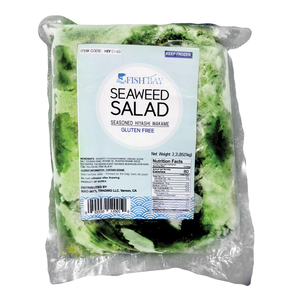
Credit: trueworldfoodsdc.com
Thawing And Serving
Thawing and serving frozen seaweed salad need care to keep its taste and texture. Proper thawing prevents sogginess and maintains freshness. Serving ideas can help enjoy seaweed salad even after freezing.
Safe Thawing Methods
- Place seaweed salad in the fridge overnight.
- Use a sealed container to avoid contamination.
- Avoid thawing at room temperature to prevent bacteria.
- For quick thawing, use cold water in a sealed bag.
Restoring Texture And Flavor
Frozen seaweed salad can lose some crunch after thawing. Drain excess water carefully to reduce sogginess. Toss gently with fresh lemon juice or a light dressing. Chill before serving to refresh flavors.
Re-serving Ideas
- Add thawed seaweed salad to sushi bowls or rice dishes.
- Mix with fresh vegetables for a crunchy salad.
- Use as a topping for grilled fish or seafood.
- Combine with sesame seeds and a splash of soy sauce.
Alternatives To Freezing
Freezing seaweed salad is not always the best option. It can change the texture and flavor. Luckily, there are other ways to keep your seaweed salad fresh. These methods help preserve taste and quality without freezing.
Refrigeration Tips
Store seaweed salad in an airtight container. This prevents moisture loss and keeps it fresh longer. Keep it in the fridge at about 4°C (39°F). Avoid placing it near strong-smelling foods. Seaweed absorbs odors easily. Use it within 2-3 days for best taste.
Using Preservatives
Natural preservatives can extend shelf life. Adding a little vinegar or lemon juice helps prevent spoilage. These ingredients also keep the seaweed crisp. Salt acts as a preservative too. Be careful not to add too much. It may change the flavor and texture.
Short-term Storage Solutions
For short storage, wrap the salad tightly in plastic wrap. Place it in a shallow container to avoid crushing. Keep it cold and away from light. Consume within a day or two for best freshness. Avoid leaving it out at room temperature.
Common Mistakes To Avoid
Freezing seaweed salad can seem easy, but some mistakes reduce its quality. Avoiding these common errors keeps the salad fresh and tasty. Knowing what to skip helps you enjoy seaweed salad even after freezing.
Freezing With Dressing
Freezing seaweed salad with dressing changes its texture. The dressing separates and becomes watery when thawed. This makes the salad soggy and less appealing. Always freeze seaweed salad without any dressing. Add the dressing only after thawing for the best flavor.
Ignoring Moisture Control
Seaweed holds water, which can cause ice crystals during freezing. Excess moisture leads to a mushy texture after thawing. Pat the seaweed dry with paper towels before freezing. Use airtight containers or freezer bags to limit moisture exposure. Proper moisture control keeps the salad fresh and firm.
Overfreezing Duration
Freezing seaweed salad too long harms its taste and texture. The salad loses flavor and becomes rubbery over time. Store seaweed salad in the freezer for no more than one month. Label containers with the freezing date to track freshness. Enjoy the salad within the right time for best results.

Credit: hh-hm.com
Frequently Asked Questions
Can You Freeze Seaweed Salad Safely?
Freezing seaweed salad is not recommended. It can alter the texture, making it mushy and less appealing. Fresh seaweed salad tastes best when consumed immediately or stored in the refrigerator for a short time.
How Long Does Seaweed Salad Last In The Freezer?
Seaweed salad can last up to 1 month in the freezer. However, freezing affects its texture and flavor, so quality may decline. For the best taste, eat it fresh or refrigerated within 2-3 days.
Will Freezing Change Seaweed Salad Texture?
Yes, freezing changes seaweed salad texture. Ice crystals damage the seaweed’s delicate structure, causing it to become soggy and slimy after thawing. This affects the overall eating experience negatively.
Can Frozen Seaweed Salad Be Safely Thawed?
Frozen seaweed salad should be thawed slowly in the refrigerator. Avoid thawing at room temperature to prevent bacterial growth. However, expect texture and flavor loss after thawing.
Conclusion
Freezing seaweed salad can change its texture and taste. It may become soft or watery after thawing. Keep it in an airtight container to reduce freezer burn. Use it within a month for the best quality. Fresh seaweed salad usually tastes better and stays crisp.
Use freezing only if you need to store it longer. Always thaw it slowly in the fridge. This keeps the salad safer to eat. Try small portions first to check if you like the frozen version. Seaweed salad is best enjoyed fresh but freezing is an option.