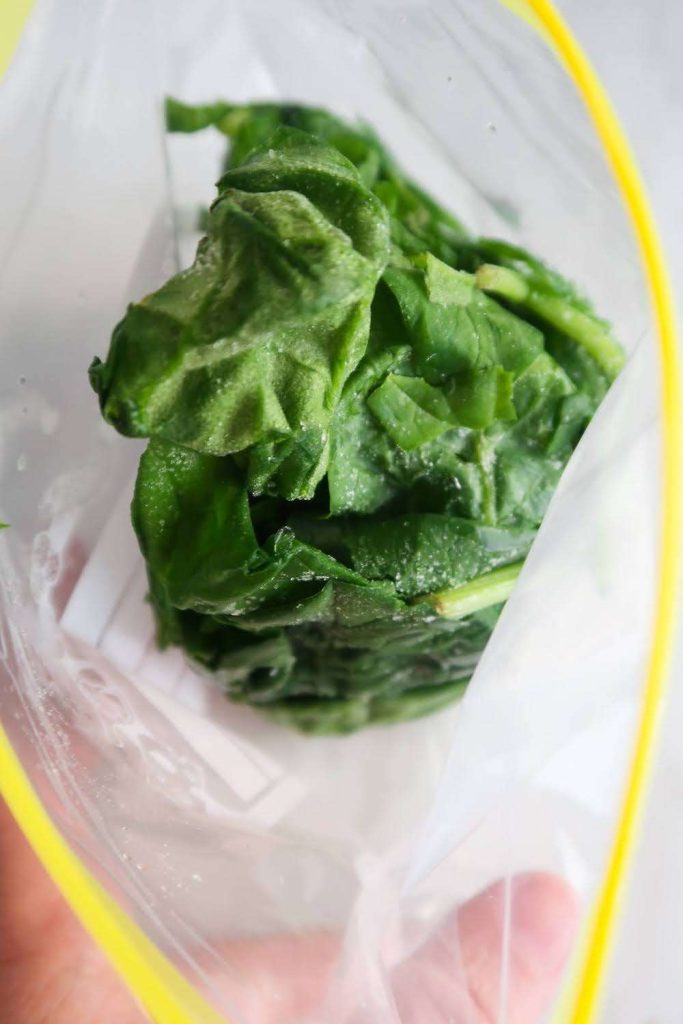
Ever found yourself staring at a bag of fresh spinach, wondering if you can freeze it before it wilts away? You’re not alone.
Spinach is a versatile, nutrient-packed green that many of us love to have on hand. But sometimes, we buy more than we can use. Here’s where the question arises: can you freeze spinach without losing its flavor and nutrients? Imagine not having to rush to use up your spinach before it goes bad.
Instead, you could have a stash ready whenever you need it, for smoothies, soups, or quick side dishes. We’ll explore the ins and outs of freezing spinach. You’ll discover effective methods to keep it fresh, vibrant, and ready to use whenever inspiration strikes. Stick with us, and by the end, you’ll be equipped with all the knowledge you need to make your spinach last longer and work harder for you.
Credit: www.gettystewart.com
Why Freeze Spinach
Freezing spinach is a smart way to keep it fresh for longer. It helps save money and reduces waste. Fresh spinach spoils quickly, but freezing locks in its nutrients and flavor. This makes it easy to use in meals later without rushing to eat it.
Benefits Of Freezing
- Preserves vitamins and minerals
- Extends shelf life by months
- Prevents spoilage and waste
- Makes meal prep faster and easier
- Maintains flavor and texture well
When To Freeze Spinach
Freeze spinach when it is fresh and green. Avoid freezing wilted or yellow leaves. It’s best to freeze spinach right after buying or harvesting. Wash and dry leaves thoroughly before freezing. Use freezing for large batches you cannot eat immediately.

Credit: www.homemademastery.com
Preparing Spinach For Freezing
Freezing spinach preserves its freshness and nutrients for longer use. Proper preparation is key to keeping its flavor and texture intact. Follow these simple steps to prepare spinach for freezing effectively.
Cleaning And Washing
Start by sorting through the spinach leaves. Remove any wilted or damaged ones. Rinse the leaves thoroughly under cold running water. This helps remove dirt, sand, and any pesticides. For best results, soak the leaves in a large bowl of cold water for a few minutes. Drain and rinse again to ensure cleanliness.
Blanching Process
Blanching stops enzyme action that can cause spoilage. Boil a large pot of water and prepare a bowl of ice water. Submerge the spinach leaves in boiling water for 1 to 2 minutes. Quickly transfer the leaves to the ice water to cool. This preserves the color, taste, and nutrients of the spinach.
Drying Techniques
Remove excess water to prevent freezer burn. Use a salad spinner to dry the leaves gently. If you don’t have a spinner, pat the leaves dry with clean kitchen towels. Spread the spinach on a tray to air dry for a few minutes. Proper drying keeps the spinach from clumping together in the freezer.
Freezing Methods
Freezing spinach is a practical way to keep it fresh longer. Choosing the right freezing method helps preserve its texture and nutrients. Different approaches work best for fresh and cooked spinach. Proper storage also plays a key role in maintaining quality.
Freezing Fresh Leaves
Start by washing spinach leaves thoroughly to remove dirt. Dry them well using a salad spinner or paper towels. Spread the leaves on a baking sheet in a single layer. Freeze them for a few hours until solid. Transfer the frozen leaves into airtight bags or containers. This method keeps leaves separate and easy to use later.
Freezing Cooked Spinach
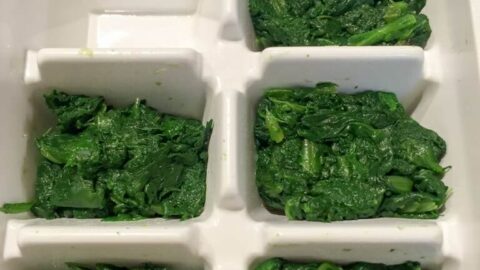
Cook spinach by steaming or boiling until wilted. Drain excess water and let it cool completely. Squeeze out extra moisture using a clean cloth or hands. Portion the spinach into meal-sized amounts for convenience. Place portions in freezer-safe bags or containers. Label with the date before freezing to track freshness.
Using Freezer Bags Vs Containers
Freezer bags save space and allow air removal to reduce freezer burn. They work best for loose or portioned spinach. Containers offer better protection for delicate spinach but take more room. Choose containers with tight lids to avoid moisture loss. Both options preserve spinach well when sealed properly.
Storage Tips
Proper storage is key to keeping Soinach fresh and tasty after freezing. Follow simple tips to maintain quality and prevent spoilage. These storage tips help preserve flavor and texture for longer periods.
Labeling And Dating
Always label your Soinach before freezing. Write the freezing date clearly on the package. This helps track how long it has been stored. Use a permanent marker on freezer bags or containers. Labeling prevents confusion and avoids keeping food too long.
Ideal Freezer Temperature
Set your freezer to the right temperature for best results. Keep it at 0°F (-18°C) or lower. This temperature stops bacteria growth and slows down spoilage. Consistent cold keeps Soinach fresh and safe to eat.
Avoiding Freezer Burn
Prevent freezer burn by wrapping Soinach tightly. Use airtight containers or heavy-duty freezer bags. Remove as much air as possible before sealing. Freezer burn dries out food and changes its taste. Proper wrapping keeps moisture inside and preserves quality.
Thawing And Using Frozen Spinach
Thawing and using frozen spinach is easier than many think, and it can save you time and reduce waste. Whether you froze fresh spinach yourself or bought it pre-frozen, knowing how to handle it after freezing will keep its texture and flavor intact. Let’s look at how to thaw it safely and make the most of it in your meals.
Safe Thawing Techniques
Thaw spinach in the refrigerator overnight for the safest option. This slow thaw keeps the spinach at a safe temperature and prevents bacteria growth.
If you’re in a hurry, place the frozen spinach in a sealed plastic bag and submerge it in cold water. Change the water every 30 minutes until fully thawed.
Avoid thawing spinach at room temperature, as this encourages bacterial growth and can cause spoilage.
Cooking With Frozen Spinach
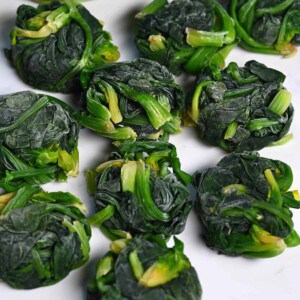
Frozen spinach is already blanched, so it cooks faster than fresh spinach. You can add it directly to soups, stews, or sauces without thawing first.
If you want to sauté it, drain excess water after thawing to avoid soggy dishes. Press the spinach gently with a spoon or use a clean kitchen towel to squeeze out moisture.
Have you noticed how frozen spinach blends seamlessly into dishes like pasta or casseroles? Its soft texture makes it perfect for mixing in without overpowering flavors.
Recipe Ideas
- Spinach and Cheese Omelet:Add thawed and drained spinach with your favorite cheese for a quick, nutritious breakfast.
- Green Smoothies:Blend frozen spinach straight into smoothies for a nutrient boost without the need for thawing.
- Spinach Dip:Mix thawed spinach with cream cheese, garlic, and herbs to make a creamy dip for snacks.
- Spinach Lasagna:Layer thawed spinach with ricotta and marinara sauce for a hearty vegetarian lasagna.
What’s your favorite way to use frozen spinach? Trying new recipes can turn a simple ingredient into something exciting.
Credit: www.alphafoodie.com
Common Mistakes To Avoid
Freezing spinach can save time and reduce waste. Avoiding common mistakes helps keep its flavor and texture. Many people make errors that affect quality. These simple tips improve your frozen spinach results.
Skipping Blanching
Blanching stops enzymes that cause spoilage. Without blanching, spinach loses color and taste fast. It also helps kill bacteria. Boil spinach briefly, then cool in ice water. Skip this step, and texture turns mushy after freezing.
Freezing Wet Spinach
Spinach must be dry before freezing. Excess water forms ice crystals. These crystals damage leaves and cause freezer burn. Use a salad spinner or pat leaves with a towel. Dry spinach freezes better and keeps its texture.
Refreezing Thawed Spinach
Once spinach thaws, do not refreeze it. Refreezing leads to soggy leaves and loss of nutrients. Thawed spinach should be used soon in cooking. Freeze only fresh or properly blanched spinach to avoid waste.
Frequently Asked Questions
Can You Freeze Spinach Without Losing Nutrients?
Yes, freezing spinach preserves most nutrients. Blanch it first to retain color, flavor, and vitamins. Use airtight containers to prevent freezer burn. Frozen spinach is ideal for cooked dishes, maintaining quality and nutrition well.
How To Freeze Spinach Properly At Home?
Blanch spinach in boiling water for 2 minutes, then cool in ice water. Drain, pat dry, and pack in airtight freezer bags. Remove excess air to prevent freezer burn. Label with date and use within 6 months for best taste.
Will Frozen Spinach Taste Different After Thawing?
Frozen spinach may taste slightly softer after thawing. Its texture changes due to ice crystals breaking cell walls. However, the flavor remains similar, especially when cooked. Using frozen spinach in soups, stews, or smoothies masks texture changes effectively.
Can You Freeze Cooked Spinach Safely?
Yes, cooked spinach freezes well. Cool it completely before packing into airtight containers or freezer bags. Use within 3 months for optimal taste. Reheat thoroughly to ensure food safety. Freezing cooked spinach saves time and reduces waste.
Conclusion
Freezing spinach is a simple way to keep it fresh longer. You can wash, dry, and pack it into bags before freezing. Frozen spinach works well for cooking but may lose some texture. Use it within a few months for the best taste.
This method saves money and reduces waste. Try freezing spinach to enjoy it anytime without worry.