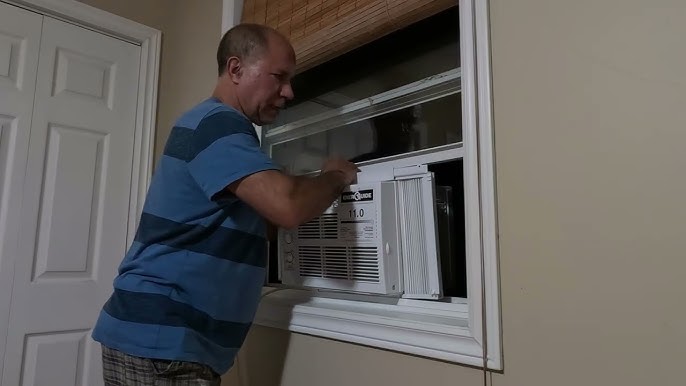
Are you wondering if you can install a window air conditioner directly into your wall? It’s a question many homeowners ask when looking for a simple and affordable way to cool a room.
You might think window units are only meant for windows, but what if there’s a better option that saves space and keeps your view clear? You’ll discover the pros and cons of wall installation, how it works, and whether it’s the right choice for your home.
Keep reading to learn everything you need to know before making this cool decision.

Credit: www.youtube.com
Types Of Window Air Conditioners
Window air conditioners come in different styles to fit various spaces. Choosing the right type depends on your room setup and cooling needs.
Understanding each type helps you decide if you can install the unit in your wall or window opening.
Standard Window Units
Standard window air conditioners are designed to fit into a window frame. They have a box shape with vents that blow cool air inside and push hot air outside.
These units are easy to install and remove. They usually come with adjustable side panels to seal gaps in the window.
- Best for rooms with a suitable window size
- Can be installed without major construction
- Provide efficient cooling for small to medium rooms
- Require a window that opens and closes
Through-the-wall Air Conditioners
Through-the-wall air conditioners fit into a hole cut through an exterior wall. They stay in place year-round and do not block windows.
This type works well if you want a permanent cooling solution and have a suitable wall for installation.
| Feature | Standard Window Units | Through-the-Wall Units |
| Installation | Fits in window frame | Installed in wall opening |
| Portability | Can be removed seasonally | Usually permanent installation |
| Window Access | Blocks window partially | Leaves window free |
| Cooling Area | Small to medium rooms | Medium to large rooms |
Portable Alternatives
Portable air conditioners do not need window or wall installation. They come with a hose to vent hot air outside through a window kit.
These units are easy to move and work well in spaces where window or wall units are not an option.
- Can be moved from room to room
- Require venting through a window or door
- Less efficient than window or wall units
- Good for temporary cooling needs

Credit: thelenmechanical.com
Wall Installation Basics
Installing a window air conditioner in a wall needs careful planning. You must check the wall and the space before starting.
This guide covers how to assess the wall, measure the space, and pick the best spot for the unit.
Assessing Wall Structure
Check if the wall can hold the air conditioner’s weight. It should be strong and free from damage. Avoid walls with pipes or wires inside.
- Use a stud finder to locate studs for support
- Look for any signs of mold or water damage
- Make sure the wall thickness fits the unit depth
- Avoid walls with electrical wiring or plumbing
Measuring For Proper Fit
Measure the wall opening carefully. The air conditioner must fit snugly to avoid gaps and air leaks.
| Measurement | Recommended Size |
| Width | Unit width plus 1 inch clearance |
| Height | Unit height plus 1 inch clearance |
| Wall Thickness | Matches unit depth |
Choosing The Right Location
Place the air conditioner where it cools the room well. Avoid spots that get direct sunlight or block walkways.
- Pick a location near an electrical outlet
- Keep the unit away from heat sources
- Ensure the outside part can drain water easily
- Choose a spot with good air flow inside the room
Tools And Materials Needed
Installing a window air conditioner in the wall requires specific tools and materials. Having the right items makes the process safer and easier.
This guide lists the essential tools and materials you need before starting the installation.
Essential Installation Tools
You need some basic tools to cut, measure, and secure the air conditioner unit properly.
- Measuring tape for precise measurements
- Level to keep the unit straight
- Power drill with drill bits
- Stud finder for wall support
- Jigsaw or reciprocating saw to cut the wall opening
- Screwdriver set
- Caulking gun for sealing
- Safety goggles and gloves
Wall Sleeves And Supports
Wall sleeves protect your wall and support the air conditioner. They keep the unit secure and prevent drafts.
| Item | Description | Purpose |
| Metal wall sleeve | Steel or aluminum frame | Holds the AC unit in place |
| Mounting brackets | Heavy-duty metal brackets | Supports the unit weight |
| Screws and anchors | Corrosion-resistant fasteners | Secure sleeve and brackets to the wall |
Sealing And Insulation Materials
Proper sealing and insulation stop air leaks and improve energy efficiency.
- Weatherstripping tape to seal edges
- Expanding foam insulation for gaps
- Silicone caulk for airtight sealing
- Foam board insulation to line the sleeve
Step-by-step Installation Guide
Installing a window air conditioner in the wall is possible with the right tools. This guide helps you do it safely and correctly.
Follow clear steps to prepare the wall, mount the unit, and seal it for best results.
Preparing The Wall Opening
Measure the air conditioner to know the size of the wall opening. Mark the wall where you will cut.
Use a saw to cut the wall opening. Make sure the hole is level and fits the unit well.
- Measure height, width, and depth of the unit
- Mark the wall with a pencil
- Cut carefully using a saw or utility knife
- Check that the opening is level and square
Mounting The Air Conditioner
Lift the air conditioner and place it into the wall opening. Make sure it fits snugly and the unit is level.
Secure the unit by attaching mounting brackets or screws as recommended by the manufacturer.
- Wear gloves for safety
- Place the bottom of the unit first
- Check the unit is level from side to side
- Use brackets or screws to hold it firmly
Securing And Sealing The Unit
Seal around the air conditioner with weatherproof foam or caulk. This stops air leaks and keeps the unit stable.
Check the seals both inside and outside the wall. Tighten screws if needed to keep the unit secure.
- Apply foam or caulk around the edges
- Fill gaps to prevent air and water leaks
- Check the unit does not move
- Tighten mounting hardware if loose
Common Challenges And Solutions
Installing a window air conditioner in a wall can be tricky. It needs careful planning to work well and stay safe.
This guide covers common problems and easy fixes. You will learn how to deal with wall thickness, drainage, and air leaks.
Dealing With Wall Thickness
Walls are usually thicker than window frames. This makes it hard to fit the air conditioner properly.
You can use a wooden frame or a custom sleeve to fill the extra space. This helps keep the unit secure and stable.
- Measure the wall thickness before buying the unit
- Build a frame to fill gaps if needed
- Use strong materials for support
- Check that the unit fits snugly
Ensuring Proper Drainage
Air conditioners produce water when cooling the air. This water must drain outside to avoid damage.
Make sure the unit is tilted slightly outward. This helps water flow out through the drain hole.
- Check the drain pan inside the unit
- Keep the drain hole clear of dirt and debris
- Use a small tube if extra drainage is needed
- Do not block the drain path
Preventing Air Leaks
Air leaks reduce cooling and increase energy costs. They also let bugs and dust inside.
Seal all gaps around the air conditioner with weatherstripping or foam. This keeps air inside where it belongs.
- Use foam tape around the edges
- Apply caulk to fill small cracks
- Check seals regularly and replace if worn
- Cover gaps with insulation panels if needed
Safety And Maintenance Tips
Installing a window air conditioner in the wall requires care. Safety and upkeep help the unit last longer. Follow these tips to keep it working well and safe to use.
Read each section to learn how to handle electrical needs, clean the unit, and store it during off-seasons. Proper care prevents damage and hazards.
Electrical Considerations
Make sure the air conditioner is plugged into the right power source. Use a circuit that can handle the unit’s electrical load. Avoid using extension cords or power strips.
- Check the unit’s voltage and amperage needs.
- Use a dedicated outlet if possible.
- Install a circuit breaker for extra safety.
- Have a licensed electrician inspect the wiring.
Regular Cleaning And Upkeep
Cleaning the air conditioner keeps it efficient and safe. Dust and dirt can block airflow and cause damage.
| Task | Frequency | Tools Needed |
| Clean or replace filter | Every 2 weeks | Soft brush, vacuum |
| Wipe exterior and vents | Monthly | Damp cloth |
| Check for leaks or damage | Monthly | Flashlight, visual check |
Seasonal Removal And Storage
Remove the air conditioner during cold months if you do not use it. Proper storage prevents damage and saves energy.
- Turn off and unplug the unit before removal.
- Clean and dry the unit thoroughly.
- Cover the unit with a plastic or cloth cover.
- Store it in a dry, cool place away from direct sunlight.
- Inspect the unit before reinstalling each season.
When To Consult A Professional
Installing a window air conditioner in a wall may seem simple. Some situations need expert help. Knowing when to call a pro can save time and money.
Professionals help avoid damage and ensure safety. They handle complex tasks you might not expect.
Complex Structural Issues
Cutting a hole in a wall for the air conditioner can weaken it. Walls with pipes, wires, or load-bearing parts need special care. A pro can check if the wall can hold the unit safely.
- Wall strength and support
- Hidden pipes or wires
- Insulation and sealing needs
Electrical Wiring Concerns
Window air conditioners require power. A professional checks if your wiring can handle the load. They ensure the unit plugs in safely without risks.
| Electrical Issue | Professional Solution |
| Old wiring | Upgrade wiring to code |
| No dedicated circuit | Install separate circuit breaker |
| Improper outlet | Replace with correct outlet type |
Warranty And Code Compliance
Some air conditioner warranties need professional installation. Local building codes may also require it. Experts know these rules and keep your warranty valid.
Reasons to hire a professional for warranty and codes:
- Protects the air conditioner warranty
- Keeps installation legal
- Prevents costly fines or repairs

Credit: archexteriors.com
Frequently Asked Questions
Can You Install A Window Ac Unit In A Wall?
Yes, you can install a window AC unit in a wall. It requires creating a proper opening and support. Wall sleeves help secure the unit and improve insulation. Always measure carefully and follow manufacturer guidelines for safe installation.
What Tools Are Needed For Wall Ac Installation?
You need a drill, saw, measuring tape, level, screws, and a wall sleeve. Safety gear like gloves and goggles is essential. These tools help create a clean opening and secure the AC unit properly in the wall.
Is Wall Installation Better Than Window Installation?
Wall installation offers a permanent, secure fit and better insulation. It frees up window space and can improve aesthetics. However, it requires more effort, permits, and structural changes compared to window installation.
Can A Window Ac Damage My Wall?
Improper installation can cause wall damage like cracks or leaks. Using a proper wall sleeve and sealing around the unit prevents moisture and air leaks. Professional installation reduces risks and ensures wall integrity.
Conclusion
Installing a window air conditioner in the wall is possible with careful planning. Measure the wall space and choose the right unit size. Ensure proper support and sealing to keep air from leaking. This method can save window space and provide cool air efficiently.
Take safety steps and follow instructions closely. Doing it yourself can save money but know your limits. A well-installed unit keeps your room comfortable all summer. Simple tools and patience make the job easier. Ready to enjoy cool air without blocking your window?