
Have you ever found yourself puzzled while trying to move a dishwasher from one place to another? You’re not alone.
Many people wonder about the best way to transport this essential kitchen appliance without causing any damage. The question is: can you lay a dishwasher on its side? If you’ve ever asked yourself this, you’re in the right place. Imagine the relief of knowing exactly how to move your dishwasher safely, avoiding costly repairs or replacements.
We’ll unravel the mystery and provide you with clear, practical advice. So, before you make a move that could impact your kitchen’s functionality, read on to discover the dos and don’ts of moving your dishwasher. Your peace of mind—and your appliance—depend on it.
Risks Of Laying A Dishwasher On Its Side
Laying a dishwasher on its side during moving or storage carries several risks. These risks may cause serious damage to the appliance. Understanding these dangers helps protect your dishwasher and avoid costly repairs.
Potential Damage To Internal Components
Laying a dishwasher on its side can harm sensitive parts inside. Water may leak from hoses and damage electrical parts. The pump and motor can shift out of place. Lubricants might spill, causing parts to wear faster. These damages reduce the dishwasher’s lifespan and performance.
Impact On Warranty And Repairs
Many manufacturers do not cover damage caused by improper handling. Laying the dishwasher on its side may void the warranty. Repairs could become expensive without warranty coverage. Always check the user manual for handling instructions. Avoid actions that risk losing warranty protection.
When Laying A Dishwasher On Its Side Is Necessary
Laying a dishwasher on its side is not a common practice, but sometimes it becomes necessary. Knowing when and how to do this can save you from damage and frustration. Let’s look at situations where this approach might be your only option.
Moving And Transporting Considerations
When moving a dishwasher, tight spaces or limited vehicle space can force you to lay it on its side. This often happens if the moving van or car trunk isn’t tall enough to fit the dishwasher upright.
Before you lay it down, think about the internal parts. Dishwashers contain water lines and electrical components that can be affected by improper positioning. Have you ever noticed how liquids inside appliances can leak or cause rust when tilted? That risk increases if you don’t handle the machine carefully.
Protect your dishwasher by wrapping it securely with blankets or padding. Also, try to keep the dishwasher on its side for the shortest time possible during transport. These steps reduce the chances of internal damage or residue buildup.
Storage Situations
Sometimes, storage space dictates the position of your dishwasher. If you’re renovating or storing appliances temporarily, laying the dishwasher on its side might be the only way to fit it into a crowded space.
When storing it this way, make sure the dishwasher is completely dry inside. Moisture trapped in the machine can cause mold or corrosion over time. Have you ever found an old appliance ruined by forgotten moisture? Avoid that by thoroughly drying your dishwasher before storage.
Additionally, place the dishwasher on a soft but firm surface to prevent scratches or dents. Avoid stacking heavy objects on top, which could damage the door or control panel. Your care now will save you headaches later when it’s time to use the dishwasher again.
Safe Ways To Lay A Dishwasher On Its Side
Laying a dishwasher on its side can be necessary during transport or installation, but it requires careful handling to avoid damage. Knowing how to do this safely helps protect the appliance’s inner components and ensures it remains fully functional. Here are some practical tips to prepare, protect, and position your dishwasher correctly when laying it on its side.
Preparing The Dishwasher
Before you lay your dishwasher on its side, disconnect it from power and water sources. Drain any remaining water from the unit to prevent leaks or damage. Remove any loose items inside, like racks or utensils, to avoid shifting during movement.
Consider wrapping the dishwasher in a protective blanket or padding. This reduces the risk of scratches or dents when placing it down. Have a helper assist you to control the placement gently and avoid sudden drops.
Protecting Delicate Parts
Dishwashers contain sensitive parts like the pump, motor, and spray arms that can be damaged if handled improperly. Use foam or soft padding around the base and sides to cushion these components. Avoid placing pressure on the front door or control panel to prevent cracks or misalignment.
Secure any hoses and wires inside the dishwasher with tape or ties. This keeps them from moving or pulling loose. Have you ever seen a dishwasher with a damaged hose after a careless move? Taking these precautions saves you from costly repairs.
Recommended Positioning
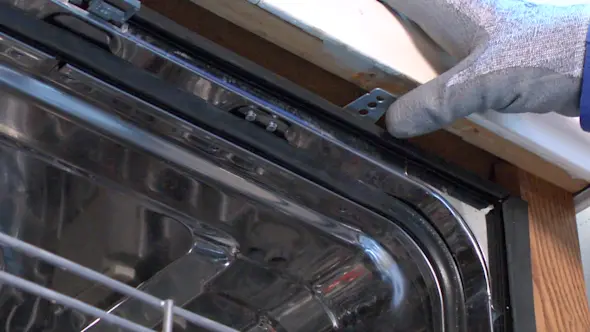
The safest way to lay a dishwasher on its side is with the door facing up, not down. This position prevents water residue from leaking into electrical parts. Place it on the side opposite the door hinges to reduce stress on the door and seals.
Keep the dishwasher level as much as possible to avoid oil or fluids inside the motor from spilling. If you must lay it on the side for an extended period, try to keep it upright as soon as possible after moving. Have you noticed how a slight tilt can cause parts to shift inside? Positioning matters more than many realize.
Credit: www.searspartsdirect.com
Steps To Take After Laying The Dishwasher On Its Side
After laying a dishwasher on its side, taking proper steps is vital to avoid damage. Some parts inside the machine may shift or leak. Following the right process helps keep your dishwasher safe and working well.
Waiting Period Before Installation
Let the dishwasher rest upright for a few hours before use. This pause lets fluids inside settle back into place. A wait of at least 4 hours is best. Avoid rushing installation to prevent damage.
Inspecting For Leaks And Damage
Check all hoses and connections carefully. Look for cracks, loose fittings, or signs of leaking. Also, inspect the door seals and outer body for dents or scratches. Early detection stops bigger problems later.
Testing Functionality
Run a short cycle without dishes to test the machine. Listen for unusual sounds or vibrations. Watch for leaks during the cycle. Confirm the dishwasher drains and fills water correctly. This test ensures the dishwasher works well after moving.
Alternatives To Laying A Dishwasher On Its Side
Moving a dishwasher can be tricky, especially if you’re tempted to lay it on its side. However, this approach often risks damaging internal components. Luckily, there are safer alternatives that protect your appliance and make transport easier.
Using Upright Transport Methods
Keeping your dishwasher upright during transport reduces the chance of water leaks or motor damage. Use a sturdy dolly or hand truck designed for heavy appliances. Secure the dishwasher with straps to prevent shifting while moving.
When navigating stairs or tight spaces, take your time and ask for help if needed. Wrapping the dishwasher in moving blankets can prevent scratches and dents. Have you ever noticed how much easier it is to control the appliance when it stays vertical?
Professional Moving Services
If you’re unsure about moving your dishwasher yourself, hiring professionals is a smart move. Experts have the right tools and experience to handle appliances safely. They can also provide insurance in case of accidental damage.
Professional movers often know how to prepare your dishwasher for transport, such as draining water and disconnecting hoses properly. This saves you time and stress. Wouldn’t you prefer peace of mind over risking costly repairs?
Credit: www.foodnetwork.com

Credit: food52.com
Frequently Asked Questions
Can You Lay A Dishwasher On Its Side During Transport?
Yes, you can lay a dishwasher on its side briefly for transport. However, avoid long periods to prevent oil leaking from the pump. Always wait at least 24 hours upright before installation to let fluids settle properly.
What Happens If A Dishwasher Is Laid On Its Side?
Laying a dishwasher on its side can cause oil and water to mix inside. This may damage internal parts like the pump or motor. To avoid issues, keep the dishwasher upright when possible or allow it to rest upright after transport.
How Long Should A Dishwasher Rest Upright After Sideways Movement?
After laying a dishwasher on its side, let it rest upright for at least 24 hours. This allows the internal fluids to settle and prevents damage. Installing or running it too soon may cause malfunction or leaks.
Is It Safe To Lay A Dishwasher Flat Instead Of On Its Side?
Laying a dishwasher flat is not recommended. It can cause water and oil to mix inside, damaging components. Always transport it upright or on its side briefly, followed by a 24-hour upright rest before use.
Conclusion
Laying a dishwasher on its side is not recommended for safety. Water and oil inside can leak and damage parts. Always keep it upright during moving or storage. This helps avoid costly repairs and keeps your dishwasher working well. Taking care now saves trouble later.
Handle your dishwasher gently and follow the manual’s advice. Small actions make a big difference in its lifespan.