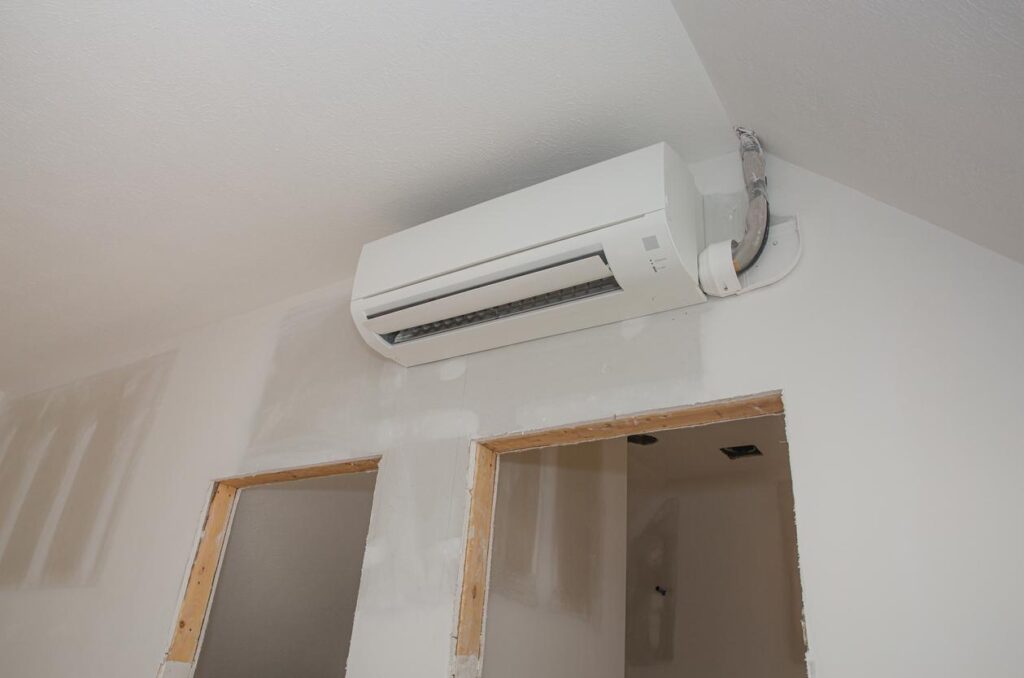
Are you wondering if it’s okay to leave your air conditioner sitting in the window when winter arrives? You might think it’s easier to just leave it there and avoid the hassle of removing it every year.
But is that really safe for your unit and your home? What could happen if you don’t take it down before the cold sets in? Keep reading to find out the surprising effects winter weather can have on your window AC and discover the best way to protect your investment.
Don’t let a simple mistake cost you a costly repair or a chilly house next summer!
Winter Impact On Window Ac Units
Cold weather can cause damageto window AC units left outside. The freezing temperaturesmay crack plastic parts and harm the compressor. Ice can build up inside, leading to blockagesand rust. Moisture trapped in the unit can freeze and expand, causing internal damage.
Leaving the unit in the window exposes it to wind, snow, and rain. These elements can wear down the sealant and insulation. Poor insulation lets cold air inside the home, raising heating costs. The unit may also become less efficient over time.
- Plastic and metal parts can crack or rust
- Ice buildup can block airflow
- Moisture freezes inside, causing damage
- Exposure to weather wears down seals
- Cold air leaks increase heating bills

Credit: www.reddit.com
Benefits Of Removing Ac In Winter
Removing the air conditioner in winterhelps save energy. Cold air outside can enter through the unit, making your home colder. This forces your heater to work harder. The harder the heater works, the higher your energy bills get. Sealing the window after removal keeps the warm air inside and cold air outside.
Leaving the AC in the window during wintercan cause damage. Water and ice can build up inside the unit. This can lead to rust and broken parts. Strong winds can also shake the unit, causing it to loosen or fall. Taking the AC out protects it from harsh weather and helps it last longer.
When To Keep Ac In Window
Cold climates with heavy snow or ice make it risky to leave an air conditioner in the window. Snow buildup can damage the unit or block airflow. In milder winters, it might be okay to keep the AC in place if protected from rain and wind.
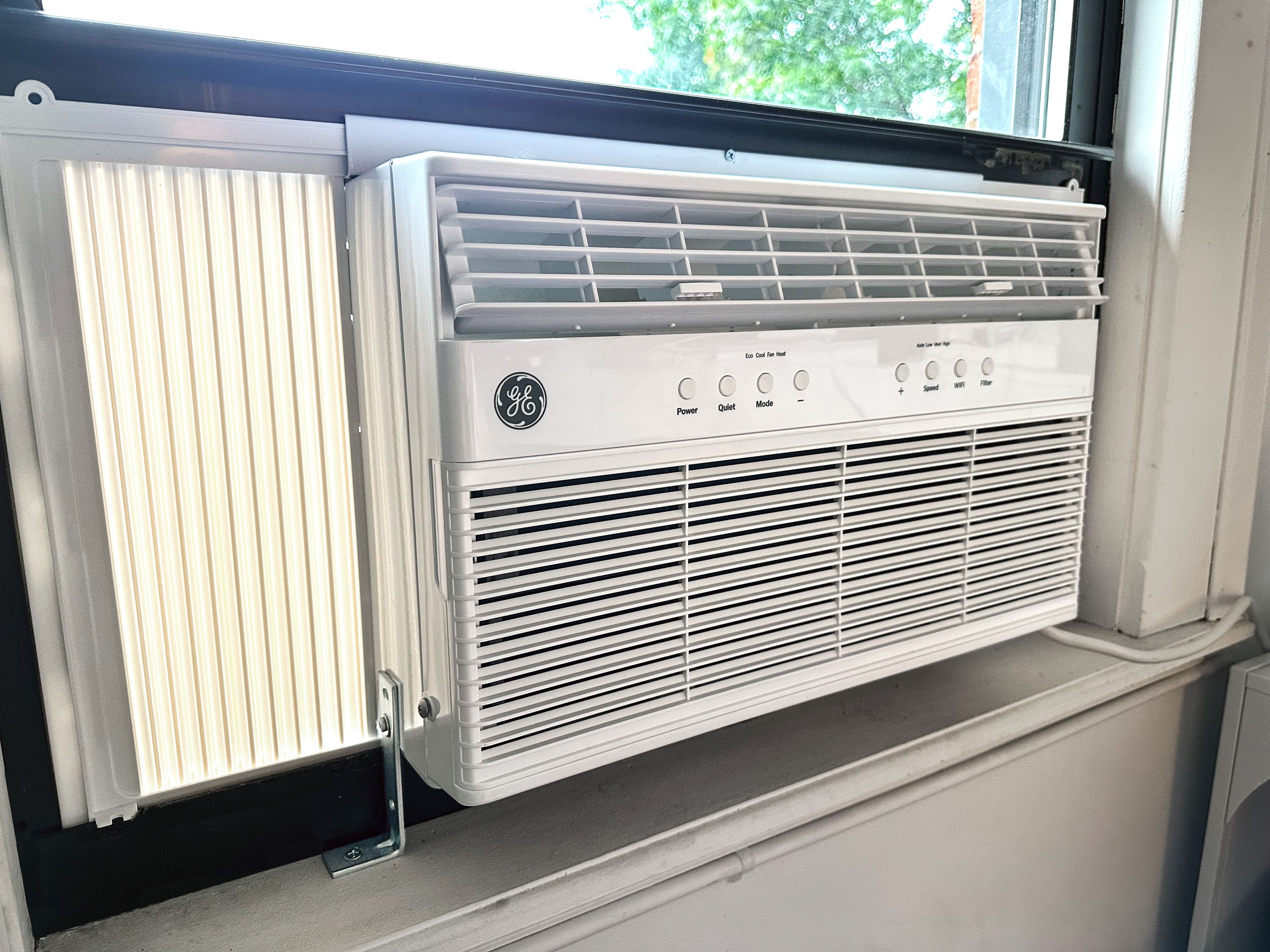
Check if your air conditioner is designed for year-round window installation. Some units have weatherproof features and insulated panels for winter use. Others might get damaged by cold and moisture.
| Unit Design Feature | Winter Suitability |
|---|---|
| Weatherproof Seals | Prevents cold air and moisture entry |
| Insulated Panels | Keeps cold out, protects unit |
| Removable AC Parts | Allows easy winter storage |
| Non-insulated Units | Risk of damage if left outside |
Credit: www.popularmechanics.com
How To Protect Ac If Left Installed
Protect the air conditioner by sealing gapsaround the unit. Use weatherstripping or foam to block cold air. This stops drafts and keeps warmth inside.
Insulatethe edges with foam board or insulation strips. It prevents heat loss and protects the unit from frost.
- Cover the AC with a waterproof, breathable cover.
- Avoid plastic sheets that trap moisture.
- Ensure the cover fits snugly to stop snow or rain.
- Remove the cover on warm days to let air circulate.
Proper sealing and covering reduce damageand extend the AC’s lifeduring winter.
Alternative Solutions For Winter
Portable AC units need careful storage during winter. Removing and storing them inside protects from cold and moisture damage. Store in a dry, cool place to keep parts safe.
Using a sleeve kit helps seal the window. It blocks cold air and keeps warmth inside. These kits fit around the AC unit and stop drafts.
- Portable AC storage prevents damage from freezing temperatures.
- Sleeve kits keep cold air out and protect your home.
- Both options help save energy and keep rooms warmer.
Signs Your Ac Needs Attention After Winter
Performance problemsoften show after winter storage. The AC might not cool well or takes longer to start. Strange noises or smells are signs that the unit needs care. Watch for frequent turning on and off, which wastes energy.
Checking for physical damageis important. Look for cracks or broken parts on the unit’s body. Dirt, leaves, or nests can block airflow and harm the system. Rust or water damage could mean leaks or poor sealing.
| Performance Issues | Physical Damage Checks |
|---|---|
| Reduced cooling power | Cracks or broken parts |
| Longer start time | Dirt or debris blocking airflow |
| Unusual noises or smells | Rust or water damage |
| Frequent cycling on/off | Loose or missing screws |

Credit: www.reddit.com
Frequently Asked Questions
Can You Leave A Window Ac Unit Installed In Winter?
Yes, you can leave a window AC installed during winter. However, ensure it is properly sealed to prevent drafts and moisture damage.
Does Leaving Ac In Window Cause Heat Loss In Winter?
Yes, an unsealed window AC can cause heat loss. Proper insulation around the unit minimizes cold air infiltration and reduces energy waste.
Should I Cover My Window Ac In Winter?
Covering your window AC in winter is recommended. Use a weatherproof cover to protect it from snow, ice, and debris, extending its lifespan.
How To Winterize A Window Air Conditioner?
Winterize by removing the AC or sealing it tightly. Clean the unit, cover it with a weatherproof cover, and insulate gaps around it.
Conclusion
Leaving your air conditioner in the window during winter can cause problems. Cold weather and moisture may damage the unit. It can also waste energy and let cold air into your home. Removing the air conditioner or sealing it well helps protect it.
Simple steps save money and keep your home warm. Think about your unit’s safety before winter comes. Taking care now avoids costly repairs later.