Have you ever found yourself midway through baking, only to realize you’re out of confectioners sugar just as you’re about to make the icing? It’s a common scenario, and you might wonder if your sweet creation is doomed.
But here’s a little secret: you can make delicious icing without a hint of confectioners sugar. Imagine wowing your family and friends with a homemade frosting that’s not only delightful but also made with ingredients you probably already have in your kitchen.
Intrigued? Keep reading to discover how you can whip up a perfect icing alternative that might just become your new go-to recipe.
Alternatives To Confectioners Sugar
If you find yourself out of confectioners sugar but still want to make icing, don’t worry. There are several alternatives you can try that will still give you a sweet, smooth finish. These options vary in texture and sweetness, so you can pick one that suits your taste and the recipe.
Using Granulated Sugar
Granulated sugar can work as a substitute if you grind it to a fine powder first. A blender or food processor works well for this. Just pulse the sugar until it resembles the texture of confectioners sugar.
Keep in mind, granulated sugar won’t dissolve as quickly in your icing. This can make the icing a bit grainy unless you blend it thoroughly. Adding a small amount of cornstarch can help mimic the texture of powdered sugar.
Powdered Sugar Substitutes
You can also use other finely ground sugars like caster sugar or superfine sugar. These dissolve more easily than granulated sugar and create a smoother icing. They’re often available in grocery stores or online.
Another option is to mix regular sugar with a bit of cornstarch or arrowroot powder to prevent clumping. This combination creates a powdery texture similar to confectioners sugar. Have you ever tried this in your kitchen experiments?
Natural Sweeteners
If you prefer something less processed, natural sweeteners like honey, maple syrup, or agave nectar can add sweetness to your icing. These won’t give you the same dry texture, so you may need to adjust the liquid ingredients in your recipe.
Using natural sweeteners can create a unique flavor profile, making your icing stand out. You might need to experiment with thickness by adding a bit of cream cheese or butter to balance the wetness. How adventurous are you willing to get with your icing flavors?
Making Icing With Granulated Sugar
Making icing with granulated sugar is possible with a few simple adjustments. Confectioners sugar is usually preferred for its fine texture, but granulated sugar can work well too. The key is to change the sugar’s texture and control the sweetness for a smooth, tasty icing.
Grinding Sugar At Home
Granulated sugar is coarse and can make icing gritty. Grinding it into a finer powder helps create a smooth texture. Use a blender or food processor to grind the sugar. Pulse the sugar in short bursts to avoid overheating. After grinding, sift the sugar through a fine mesh to remove any lumps. This homemade powdered sugar works well in most icing recipes.
Adjusting Texture And Sweetness
Granulated sugar tastes less sweet and feels grainy compared to confectioners sugar. To fix this, use a little less sugar than the recipe calls for. Add liquid ingredients like milk or water slowly to reach the right icing consistency. Beat the mixture longer to help dissolve sugar crystals completely. A touch of butter or cream can make the icing richer and smoother. Taste often to balance sweetness and texture perfectly.
Using Cornstarch And Sugar Mix
Using a mix of cornstarch and granulated sugar can help create a simple substitute for confectioners sugar. This blend mimics the fine texture of powdered sugar needed for smooth icing. Cornstarch prevents clumping and adds a soft finish. This option is easy to make at home and works well for many frosting recipes.
Creating A Powdered Sugar Substitute
Start with regular granulated sugar and cornstarch. The cornstarch stops the sugar from becoming grainy in the icing. Use a blender or food processor to grind the mix into a fine powder. Sift the mixture to remove any large particles. This homemade powdered sugar substitute blends smoothly into frostings and icings.
Best Ratios For Smooth Icing
The ideal mix is usually 1 cup of granulated sugar to 1 tablespoon of cornstarch. This ratio balances sweetness and texture. Too little cornstarch makes the icing gritty. Too much cornstarch can make it dry and dull. Adjust based on your recipe’s needs and desired smoothness.
Honey And Syrup Based Icings
Honey and syrup based icings offer a natural sweetness and smooth texture. They work well as alternatives to traditional confectioners sugar icings. These icings are easy to make and add a unique flavor to cakes and cookies.
Honey provides a rich taste and keeps the icing moist. Syrups like maple or agave offer distinct flavors and a glossy finish. Both options blend easily with butter or cream cheese for a creamy result.
Simple Honey Icing Recipe
This honey icing is light and sweet. It needs only a few ingredients:
- 2 tablespoons of honey
- 1/4 cup of softened butter
- 1 cup of milk powder or cornstarch for thickness
- 1 teaspoon of vanilla extract
Mix the butter and honey until smooth. Gradually add milk powder or cornstarch to reach the right thickness. Stir in vanilla for flavor. Use immediately on cooled baked goods.
Using Maple Syrup Or Agave
Maple syrup and agave syrup add a unique taste to icings. They are thinner than honey but still sweet. To make a syrup-based icing:
- Combine 3 tablespoons of maple or agave syrup
- 1/4 cup of softened butter
- 1/2 cup of powdered milk or cornstarch
- A pinch of salt to balance sweetness
Whip butter and syrup until creamy. Slowly add the dry ingredient to thicken. Mix well and adjust consistency with a little water if needed. Spread on cakes or drizzle on desserts.
Cream Cheese And Butter Icing Options
Cream cheese and butter icing offers a rich, tangy twist on traditional frosting. This type of icing is creamy and smooth, making it perfect for cakes and cupcakes. It also works well without confectioners sugar, which is often hard to find. The key lies in adjusting sweetness and texture carefully.
Sweetening Without Powdered Sugar
Use granulated sugar, honey, or maple syrup to sweeten cream cheese and butter icing. Granulated sugar must be finely ground for a smooth texture. Honey and maple syrup add natural sweetness and moisture. Start with small amounts and taste as you mix. Avoid making the icing too runny by adding sweeteners slowly.
Balancing Flavor And Consistency
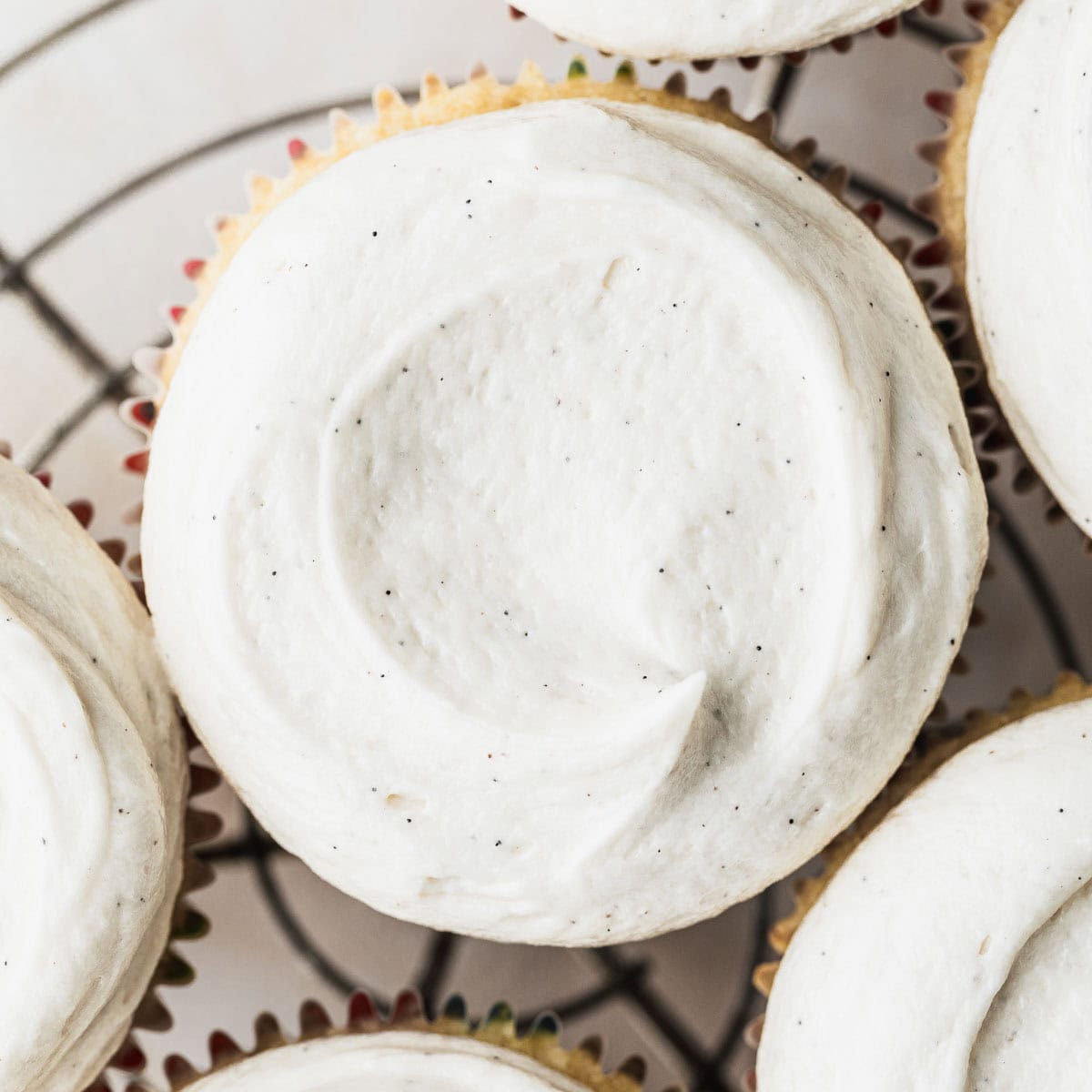
Balance tanginess from cream cheese with the richness of butter. Add a pinch of salt to enhance flavors. Use cold butter and cream cheese for a firmer texture. Chill the icing if it becomes too soft. Mix in a little milk or cream to loosen the icing if it is too thick. Adjust until you get a spreadable and tasty frosting.
Credit: midnightbakeclub.com
Tips For Achieving Smooth Icing
Smooth icing enhances the look and taste of baked goods. Achieving this texture without confectioners sugar can be tricky. Focus on mixing and consistency to get the best results. These tips help create creamy, smooth icing that spreads easily.
Mixing Techniques
Start by beating your ingredients slowly. This avoids lumps and clumps. Gradually increase speed to blend everything well. Use a hand mixer or stand mixer for better control. Scrape the bowl sides often to mix all parts evenly. Avoid overmixing to keep the icing light and fluffy.
Adjusting Consistency Without Powdered Sugar
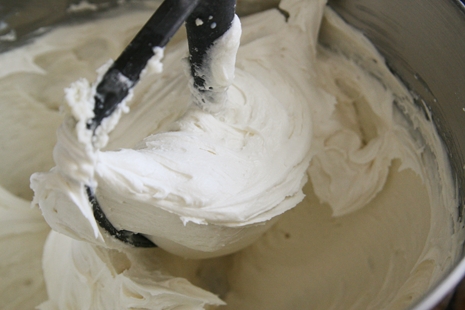
Use alternatives like cornstarch or arrowroot powder to thicken icing. Add small amounts at a time to avoid grainy texture. For thinner icing, mix in a few drops of milk or water. For thicker icing, add more thickening powder or cream cheese. Keep testing the texture until it spreads smoothly but holds shape.
Common Mistakes To Avoid
Making icing without confectioners sugar can be tricky if you’re not careful. Avoiding common mistakes can save you time and frustration. Let’s look at two major pitfalls that can ruin your icing and how you can steer clear of them.
Overheating Sugar
One common mistake is overheating the sugar when trying to dissolve it. If you heat sugar too much, it can caramelize, changing the flavor and texture of your icing. Have you ever noticed a burnt taste or grainy texture in your frosting? That’s often the result of overheating.
To prevent this, heat sugar gently over low heat and stir constantly. Watch closely and stop as soon as the sugar dissolves completely. Using a candy thermometer can help you keep the temperature just right.
Incorrect Sugar Ratios
Another frequent error is using the wrong amount of sugar in your icing recipe. Too little sugar can make your icing runny and weak, while too much can make it overly sweet and stiff. Have you ever struggled with icing that just wouldn’t set properly?
Measure your sugar carefully and adjust gradually. If you’re substituting granulated sugar for confectioners sugar, remember that their textures are different, so the quantities won’t match exactly. Testing small batches first can save you from wasting ingredients.

Credit: www.copymethat.com
Credit: savorysweetlife.com
Frequently Asked Questions
Can I Make Icing Without Confectioners Sugar?
Yes, you can make icing without confectioners sugar by using alternatives like granulated sugar, powdered sugar substitutes, or homemade powdered sugar. These options can create smooth, sweet icing suitable for cakes and cookies.
What Substitutes Work For Confectioners Sugar In Icing?
Good substitutes include granulated sugar blended finely, cornstarch mixed with sugar, or store-bought powdered sugar alternatives. These maintain the icing’s texture and sweetness without needing traditional confectioners sugar.
Will Icing Texture Change Without Confectioners Sugar?
Yes, icing texture may be grainier or less smooth without confectioners sugar. Properly blending sugar substitutes can help achieve a creamy, spreadable consistency close to traditional icing.
Is Homemade Powdered Sugar Effective For Icing?
Homemade powdered sugar works well if you blend granulated sugar with cornstarch until fine. It mimics confectioners sugar’s texture, making it a great option for smooth, creamy icing.
Conclusion
You can make icing without confectioners sugar by using simple ingredients. Powdered sugar is common, but alternatives like granulated sugar or cornstarch work too. Each option changes the texture and sweetness a bit. Experiment to find what tastes best for you.
Homemade icing can be quick and easy. Don’t worry if you don’t have all the usual ingredients. Baking is about creativity and fun. Try different recipes and enjoy your delicious results.