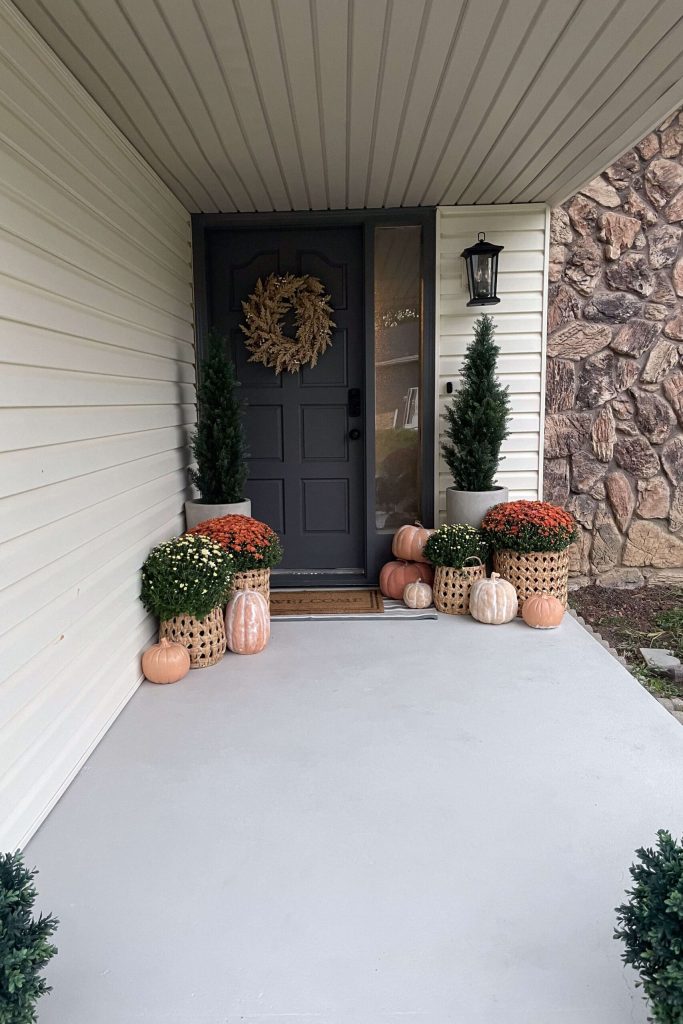
Are you looking to add a splash of color to your garden or patio? Painting your concrete planters can be a simple and effective way to brighten up your space.
But you might be wondering—can you actually paint concrete planters, and will the paint last? If you’ve been hesitant to try, this guide is for you. You’ll discover easy tips and tricks to transform your plain planters into eye-catching decor that reflects your style.
Keep reading to find out how you can give your concrete planters a fresh, vibrant look that lasts.
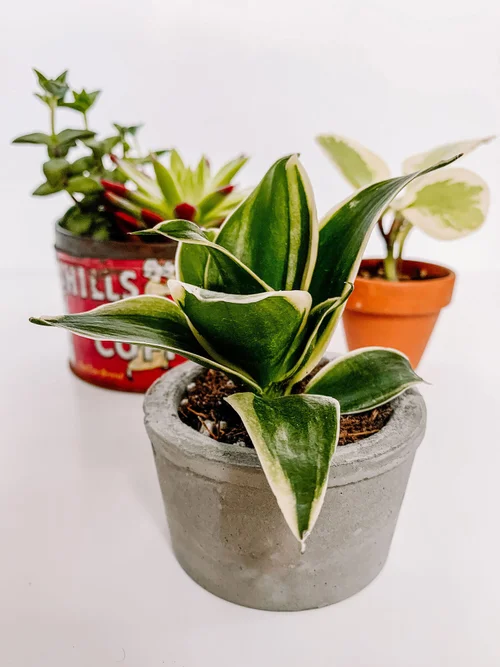
Credit: thegreenmadhouse.com
Choosing The Right Paint
Painting concrete planters can change their look and protect them. Choosing the right paint is key for good results.
Different paints work better on concrete. Learn about the best types and their benefits.
Types Of Paint Suitable For Concrete
Concrete needs paint that sticks well and resists weather. Common types include acrylic, latex, and epoxy paints.
- Acrylic Paint:Water-based and flexible, good for outdoor use.
- Latex Paint:Also water-based, easy to clean, and dries fast.
- Epoxy Paint:Very strong, good for heavy wear and moisture.
Benefits Of Acrylic Vs. Latex Paint
| Feature | Acrylic Paint | Latex Paint |
| Durability | High, good for outdoor use | Moderate, best for indoor or sheltered areas |
| Flexibility | More flexible, resists cracking | Less flexible, may crack over time |
| Drying Time | Medium | Fast |
| Ease of Cleaning | Easy with water | Very easy with water |
| Cost | Usually higher | Usually lower |
Using Concrete Stain For Natural Look
Concrete stain changes color without hiding texture. It soaks into the surface and lasts long.
- Penetrates deeply and does not peel
- Shows natural concrete patterns and pores
- Offers a subtle color effect
- Needs sealing to protect from stains and weather

Credit: www.reddit.com
Preparing Planters For Painting
Painting concrete planters can refresh your garden space. To ensure long-lasting results, proper preparation is key.
Follow these steps to prepare your concrete planters for a successful painting job.
Cleaning And Removing Dirt
Start by cleaning your concrete planters. Dirt and grime can prevent paint from sticking.
Use a stiff brush and water to scrub off any loose dirt. For stubborn stains, add mild soap to the water.
- Rinse thoroughly with clean water
- Let the planters dry completely before moving on
Repairing Cracks And Imperfections
Inspect your planters for cracks and imperfections. These need fixing before you paint.
Use concrete patching material to fill in the cracks. Smooth the surface with a putty knife.
- Allow the patch to cure according to package instructions
- Check for any missed spots and repair them
Sanding For Better Adhesion
Once repairs are dry, sand the surface of the planters. This step helps the paint adhere better.
Use medium-grit sandpaper for this task. Sand in circular motions for an even surface.
- Wipe away dust with a damp cloth
- Ensure the surface is clean and smooth
Painting Techniques
You can paint concrete planters to add color and protect them from weather. Using the right techniques helps the paint last longer.
Good painting starts with surface preparation and careful application. Drying time and layers affect the final look.
Priming The Surface
Priming helps paint stick to concrete. It also prevents peeling and increases paint durability.
Use a concrete primer made for outdoor use. Clean the planter before priming to remove dirt and dust.
- Wash the planter with soap and water
- Let it dry completely
- Apply a thin, even coat of primer
- Wait for the primer to dry before painting
Applying Paint Evenly
Apply paint in smooth, even strokes. This prevents drips and blotches on the planter.
Use a brush or roller suitable for rough surfaces. Avoid thick layers that can peel or crack.
- Start from the top and work down
- Use thin coats for better coverage
- Paint all sides evenly
- Check for missed spots and cover them
Layering And Drying Times
Apply multiple thin layers for a strong finish. Let each layer dry before adding the next one.
Drying times depend on paint type and weather. Follow the paint label instructions for best results.
- Wait 1 to 2 hours between coats
- Allow final coat to dry 24 hours before use
- Paint in dry, mild weather for faster drying
- Avoid touching or moving the planter while drying
Sealing And Protecting Paint
Painting concrete planters adds color and style. It also helps protect the surface.
To keep the paint looking fresh, sealing is important. A good sealer guards against weather and wear.
Choosing The Right Sealer
Not all sealers work well on painted concrete. Pick a sealer made for outdoor use and concrete surfaces.
- Use acrylic sealers for a clear, flexible finish.
- Choose polyurethane sealers for strong protection against scratches.
- Consider epoxy sealers for a glossy, durable coat.
- Avoid sealers that yellow or crack in sunlight.
- Check if the sealer is water-based for easy cleanup.
Application Tips For Durability
Apply the sealer evenly over the painted surface. Too thick or thin layers can cause problems.
- Clean the planter to remove dust and dirt before sealing.
- Allow the paint to dry fully, usually 24 hours.
- Use a brush or sprayer for even coverage.
- Apply two or more thin coats, letting each dry well.
- Keep the planter in a dry place while the sealer cures.
Maintaining Planters Over Time
Sealed planters need care to stay in good shape. Regular checks help catch damage early.
| Maintenance Task | Frequency | Notes |
| Clean surface with mild soap and water | Monthly | Use soft cloth, avoid harsh chemicals |
| Inspect for cracks or peeling paint | Every 3 months | Touch up paint and reseal if needed |
| Reapply sealer | Every 1-2 years | Depends on exposure to sun and rain |
Common Mistakes To Avoid
Painting concrete planters can give them a fresh look. Many people make simple mistakes that ruin the paint job. Knowing what to avoid helps your planters look great for longer.
This guide covers three common errors: skipping surface preparation, using incompatible paint types, and ignoring weather conditions.
Skipping Surface Preparation
Many skip cleaning and sanding the planter before painting. This causes paint to peel or chip quickly.
- Clean dirt and dust off the surface.
- Remove any loose paint or debris.
- Use sandpaper to roughen the surface for better paint grip.
- Let the planter dry completely before painting.
Using Incompatible Paint Types
Choosing the wrong paint can cause cracking or fading. Concrete needs paint made for masonry or outdoor use.
| Paint Type | Suitable For | Not Recommended For |
| Acrylic Latex Paint | Concrete planters, outdoor surfaces | Plastic or metal planters |
| Oil-Based Paint | Wood and metal planters | Concrete (may not bond well) |
| Spray Paint | Quick touch-ups on concrete | Full coverage on rough surfaces |
Ignoring Weather Conditions
Painting in bad weather harms the finish. Paint may not dry right or could wash away.
Follow these weather tips for best results:
- Paint on dry days without rain forecast.
- Choose mild temperatures between 50°F and 85°F (10°C–29°C).
- Avoid windy days to stop dust from sticking to paint.

Credit: hamiltonparkhome.com
Creative Design Ideas
Painting concrete planters can bring new life to your garden or indoor space. You can use many creative ideas to make them unique and colorful.
Try different styles and techniques to match your taste and decor. Let’s explore some fun ways to paint concrete planters.
Using Stencils And Patterns
Stencils help create neat shapes and designs on your planters. Patterns add style and personality to plain surfaces.
- Use geometric shapes for a modern look
- Try floral or nature-inspired patterns
- Mix small and large stencil designs
- Layer stencils with different colors
Combining Colors And Textures
Mixing colors and textures makes your planter stand out. You can play with smooth and rough surfaces or bright and soft colors.
| Color Type | Effect | Texture Pairing |
| Bright Colors | Eye-catching | Matte Finish |
| Pastel Colors | Soft and calm | Rough Concrete |
| Dark Colors | Elegant and bold | Glossy Finish |
Adding Decorative Finishes
Decorative finishes give a final touch to your painted planter. Use them to add shine or texture for a unique look.
Try these decorative finishes:
- Clear sealant for a glossy look
- Crackle paint to create a vintage effect
- Metallic paint for shimmer and shine
- Sand texture spray for a rough feel
Frequently Asked Questions
Can You Paint Concrete Planters Safely?
Yes, you can safely paint concrete planters using the right primer and outdoor paint. Proper surface preparation ensures paint adhesion and durability.
What Type Of Paint Works Best On Concrete Planters?
Acrylic latex paint or specialized concrete paint works best. These paints are flexible, weather-resistant, and provide long-lasting coverage on concrete surfaces.
How To Prepare Concrete Planters Before Painting?
Clean the planter thoroughly, remove dirt and debris, and let it dry. Lightly sand the surface to improve paint adhesion before priming.
Do Painted Concrete Planters Need Sealing?
Yes, sealing painted planters protects the paint from moisture and UV damage. Use a clear, waterproof sealer to extend the paint’s life.
Conclusion
Painting concrete planters is a simple way to add color and style. It helps protect the surface from weather damage. Choose the right paint and prepare the planter well. A few coats can make your planter look fresh and new.
This project suits both beginners and experienced gardeners. Enjoy your personalized planters that brighten any space. Give your garden a new look with painted concrete planters. Try it yourself and see the difference it makes.