Have you ever faced a flat tire in your BMW and wondered if you can just patch a run-flat tire instead of replacing it? If you’re like most drivers, the thought of costly repairs or inconvenient trips to the shop can be frustrating.
But what if there’s a way to save time and money without risking your safety? Understanding whether you can patch a run-flat tire on your BMW is crucial for making the right decision when trouble strikes. Keep reading to discover the facts, risks, and best options for handling your run-flat tire with confidence.
Credit: www.lugwrenchheroes.com
Run Flat Tires On Bmws
Run flat tires have become a popular choice for BMW owners who prioritize safety and convenience on the road. These tires are designed to keep your vehicle moving even after a puncture, giving you time to reach a safe spot or service center. Understanding how run flat tires work on your BMW can help you make smarter decisions about maintenance and repairs.
What Are Run Flat Tires
Run flat tires are specially built with reinforced sidewalls that support the vehicle’s weight even when air pressure is lost. This means if you get a puncture, you can continue driving for a limited distance—usually up to 50 miles at reduced speeds.
Unlike regular tires, run flats don’t require an immediate stop, reducing the risk of accidents on busy roads. They often come pre-installed on many BMW models as original equipment, tailored to maintain the car’s handling and performance.
Benefits For Bmw Drivers
One major benefit is peace of mind. If you experience a flat tire, you won’t be stranded by the roadside, which is especially helpful during night drives or in unfamiliar areas.
Run flats also eliminate the need to carry a bulky spare tire, freeing up trunk space for your daily essentials. Many BMW drivers appreciate the improved stability these tires provide, as the reinforced sidewalls help maintain control even when tire pressure drops.
Have you ever faced a flat tire in an inconvenient spot? Run flat tires can turn that stressful moment into a manageable situation, allowing you to focus on getting to your destination safely.
Common Causes Of Run Flat Tire Damage
Understanding the common causes of run flat tire damage is key before deciding if you can patch a run flat tire on your BMW. These tires are built tougher than regular tires, but they aren’t invincible. Knowing what typically harms them helps you spot problems early and decide the best course of action.
Punctures And Cuts
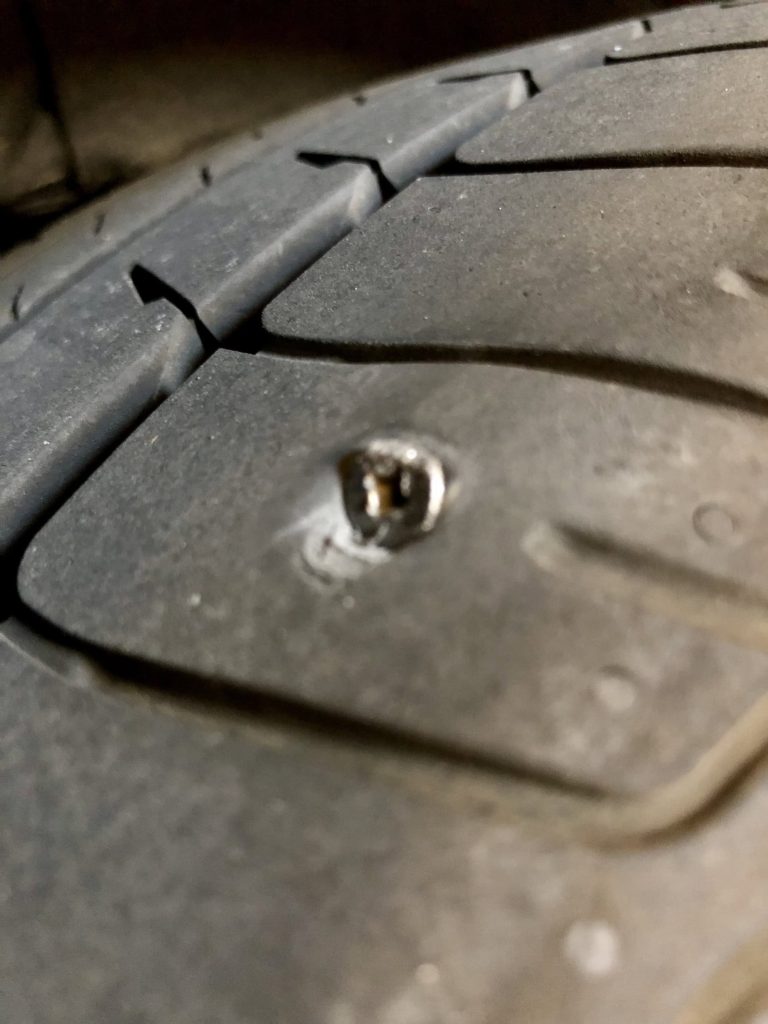
Punctures from nails, screws, or sharp objects are the most frequent cause of damage. While small punctures in the tread area might be repairable, cuts often pose a bigger problem. If the damage is on the tread and less than 1/4 inch in diameter, a professional patch could work. But cuts on the sidewall or larger punctures usually mean replacement is necessary.
Sidewall Damage
The sidewall is critical to a run flat tire’s ability to support your BMW if you lose air pressure. Hitting curbs or potholes can cause cracks or bulges here. Since run flat tires rely on strong sidewalls for stability, any damage in this area often makes patching unsafe. Have you ever felt a wobble after a curb hit? It might be sidewall damage you can’t see.
Wear And Tear
Even the best tires wear down over time. Tread depth, uneven wear, and dry rot all affect performance and safety. If your run flat tires are worn beyond safe limits, patching won’t fix the underlying problem. Instead, focus on regular tire inspections and rotations to extend life and avoid unexpected damage.
Patch Or Replace: What Works Best
Deciding whether to patch or replace a run flat tire on a BMW requires careful thought. Run flat tires have unique designs that affect repair options. Understanding their limits helps make safer choices. This section explores what works best for these tires.
Limitations Of Patching Run Flats
Run flat tires have thicker sidewalls to support the vehicle without air. This design makes patches less effective. Small punctures in the tread area might be patched. Patches on sidewalls are usually unsafe and not recommended.
Many tire shops refuse to patch run flats due to these limits. The repair area must be checked closely to ensure no damage to the structure. Patching can only fix minor punctures, not cuts or large holes.
Safety Concerns
Safety is critical when dealing with run flat tires on a BMW. Patching might weaken the tire’s ability to handle pressure. A damaged or poorly patched tire can cause blowouts or loss of control. BMW owners must prioritize safety over saving money on repairs.
Professional inspection is necessary after any tire damage. Even a small mistake in patching can lead to serious risks. Drive carefully on patched run flats and check the tire often.
When Replacement Is Necessary
Replacement is the safest choice for most run flat tire damage. Tires with sidewall damage or large punctures must be replaced immediately. Tires that have run without air for long periods also need replacement.
Replacing tires ensures full performance and safety. New tires restore handling and ride comfort. BMW drivers should choose quality tires compatible with run flat technology for best results.
Credit: www.bimmerfest.com
Step-by-step Guide To Patching A Run Flat Tire
Patching a run flat tire on your BMW can save you time and money if done correctly. This guide walks you through the essential steps, helping you decide whether a repair is possible and how to execute it safely. Knowing the right tools and techniques can make all the difference in restoring your tire’s functionality without compromising safety.
Tools And Materials Needed
- Tire repair kit (including patches and adhesive)
- Tire iron or lug wrench
- Jack to lift your car
- Air compressor or tire inflator
- Tire pressure gauge
- Rubbing alcohol or tire cleaner
- Gloves and safety glasses
Having these tools on hand ensures you’re ready to tackle the repair efficiently. A proper tire repair kit designed specifically for run flat tires is crucial since their construction differs from regular tires.
Removing The Tire
Start by loosening the lug nuts while the car is still on the ground. Use your jack to lift the car safely and fully remove the tire. Place the tire on a clean, flat surface where you can easily work on it.
Keep in mind that run flat tires have reinforced sidewalls, making them heavier and stiffer to handle. This might require a bit more effort when removing and reinstalling.
Inspecting The Damage
Examine the tire thoroughly to locate the puncture. Look for nails, screws, or any sharp objects embedded in the tread. Avoid patching sidewall damage since it compromises tire integrity and safety.
Ask yourself: Is the damage within the repairable area? If it’s too large or the sidewall is damaged, patching isn’t recommended. Sometimes, what looks like a simple puncture can hide internal damage, so inspect carefully.
Applying The Patch
Clean the damaged area with rubbing alcohol to remove dirt and oils. Roughen the surface around the puncture with sandpaper or a scraper included in the kit. Apply the adhesive and wait a few minutes until it becomes tacky.
Press the patch firmly over the puncture, making sure it covers the hole completely. Give it time to bond properly before proceeding. The patch needs to create an airtight seal to prevent future leaks.
Reinstalling And Testing
Mount the tire back on the wheel and tighten the lug nuts by hand. Lower the car and then fully tighten the lug nuts in a star pattern to ensure even pressure. Inflate the tire to the recommended pressure using your air compressor.
Check for leaks by listening for hissing sounds or applying soapy water around the patch and valve. If bubbles appear, the seal isn’t airtight. Testing your repair immediately helps avoid getting stranded later.
Expert Tips For Maintaining Run Flat Tires
Maintaining run flat tires on a BMW requires special care. These tires allow driving after a puncture but need careful attention to last longer. Proper maintenance keeps you safe and saves money on replacements.
Regular Inspections
Check your tires often for cuts, cracks, or bulges. Look at the tread depth to ensure it is above the legal limit. Use a tire gauge to measure tread wear evenly across the tire. Inspect the sidewalls for damage caused by curbs or debris. Early detection of issues helps prevent sudden tire failure.
Proper Inflation
Keep your run flat tires inflated to the recommended pressure. Use a reliable pressure gauge to check the tires when they are cold. Under-inflation causes extra heat and can damage the tire structure. Over-inflation reduces grip and increases wear in the center of the tread. Follow the BMW manual or tire placard for correct pressures.
Driving Habits To Avoid Damage
Avoid hitting potholes or curbs hard, as this can damage the tire. Drive slowly over rough roads to reduce stress on the tires. Do not exceed the speed limit for run flat tires, usually marked on the sidewall. Avoid sudden sharp turns or rapid acceleration that increase tire wear. Smooth driving helps your run flat tires last longer and perform better.
Alternatives To Patching Run Flat Tires
Run flat tires on BMWs are tough to repair with patches. Many drivers seek alternatives for safety and convenience. These options can extend tire life without risking damage. Each choice offers unique benefits depending on the situation and budget.
Using Tire Sealants
Tire sealants can temporarily fix small punctures in run flat tires. The sealant plugs holes from inside the tire. This method works best for minor damage on the road. It allows driving to the nearest repair shop safely. Sealants do not work for sidewall damage or large holes.
Run Flat Tire Repair Services
Some specialized shops offer professional run flat tire repairs. They use tools designed for these tires’ strong sidewalls. Trained technicians can assess if a repair is safe and reliable. This option is more durable than sealants but costs more. Always choose certified repair centers for run flat tires.
Switching To Non-run Flat Tires
Switching to regular tires is an option for some BMW owners. Non-run flat tires often provide a smoother ride. They require carrying a spare tire and a jack. This change can reduce repair costs and make tire patching easier. Consider this choice carefully, as it affects vehicle handling and warranty.
Cost Considerations For Repairing Run Flat Tires
Repairing run flat tires on your BMW involves more than just deciding if a patch is possible; cost plays a major role. Understanding the financial impact can help you make smarter choices about tire care. Let’s break down the costs and see how they affect your wallet both now and later.
Patch Vs Replacement Costs
Patching a run flat tire is usually cheaper upfront. A typical patch might cost between $20 and $50, depending on your location and the shop. Replacement, however, can be pricey—expect to pay $250 to $400 for a single run flat tire.
But remember, not all run flat tires can be safely patched. If the damage is on the sidewall or too large, replacement is your only option. Ask yourself: is a quick patch worth it if you might need a new tire soon after?
Insurance Coverage
Check your insurance policy before deciding. Some plans cover tire repairs or replacements, while others do not. If you have roadside assistance or tire protection add-ons, you might save money on emergency repairs or replacements.
Have you ever been surprised by what your insurance covers? Calling your provider can prevent unexpected bills and help you plan for potential tire costs.
Long-term Savings
Choosing a patch might save you money now, but consider how it affects your tire’s lifespan. A patched run flat tire may have a shorter life than a new one, leading to more frequent replacements. Investing in quality tires and timely replacements can reduce overall expenses.
Think about the bigger picture: would spending more today save you hassle and money down the road? Sometimes, a new tire is the smarter financial move.

Credit: www.reddit.com
Frequently Asked Questions
Can You Repair A Run Flat Tire On A Bmw?
Yes, but it depends on the damage. Small punctures in the tread area can sometimes be patched. However, sidewall damage or large punctures usually require tire replacement. Consult a professional to assess the damage and ensure your safety.
How Long Can You Drive On A Damaged Run Flat Tire?
A damaged run flat tire can typically be driven for about 50 miles. This distance is usually at speeds up to 50 mph. However, it’s best to replace or repair it as soon as possible. This ensures safety and prevents further damage.
Are Run Flat Tires More Expensive To Replace?
Yes, run flat tires are generally more expensive than regular tires. Their advanced technology and reinforced sidewalls contribute to the cost. However, they offer added safety and convenience, which can justify the higher price. Consider the long-term benefits when evaluating the cost.
Do Run Flat Tires Affect The Ride Quality?
Run flat tires can slightly affect ride comfort. Their stiffer sidewalls may result in a firmer ride. However, modern run flat tires have improved significantly. Many drivers find the difference in comfort minimal. The added safety benefits often outweigh the slight change in ride quality.
Conclusion
Patching a run-flat tire on a BMW is possible but not always best. Small punctures can often be fixed safely. Large or sidewall damage usually means replacement. Always check tire condition before deciding to patch. Proper repair keeps you safe on the road.
Consult a tire expert to make the right choice. Driving on a damaged run-flat tire risks accidents. Regular tire care helps avoid unexpected problems. Choose safety first for a smooth driving experience.