Are you wondering if you can put a wall air conditioner in a window? It’s a question many people ask when trying to cool their space without the hassle of complicated installations.
You might think it’s a simple swap, but there are important things you need to know first. You’ll discover the key differences between wall and window units, what works best for your home, and how to avoid costly mistakes. Keep reading to find out how to keep your space cool without stress or surprises.
Wall Vs Window Air Conditioners
Wall and window air conditioners both cool rooms effectively. They look different and need different setups.
Choosing between them depends on space, design, and how you want to install the unit.
Design Differences
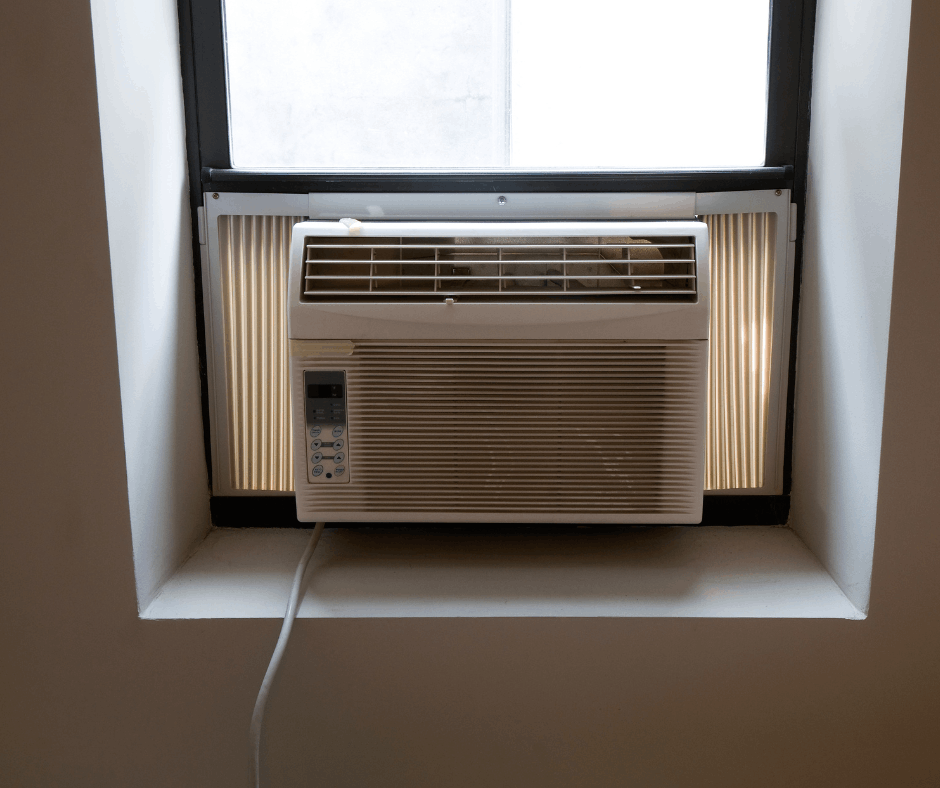
Window air conditioners fit into window frames. They have a boxy shape with vents on the front and back.
Wall air conditioners are built to sit inside a wall. They are often larger and may have a grille that blends with the wall.
- Window ACs block the window view and light.
- Wall ACs keep windows free and do not block light.
- Wall units can be more powerful for bigger spaces.
- Window units are usually easier to move or replace.
Installation Requirements
Window air conditioners need a strong window frame for support. They require sealing around the edges to keep air out.
Wall air conditioners need a hole cut through an exterior wall. This hole must be the right size and have proper support.
- Window ACs can be installed by one person in about an hour.
- Wall ACs often need professional installation.
- Wall units need proper insulation around the hole.
- Window units are easier to remove before winter.
Feasibility Of Window Installation
Installing a wall air conditioner in a window can save space and cool a room efficiently. It is important to check if your window and wall setup can support this type of installation.
This guide explains key points to consider before placing a wall air conditioner in a window opening.
Compatibility Factors
Not all windows fit wall air conditioners. You must check size, type, and clearance to ensure proper installation and operation.
- Window size should match or exceed the air conditioner’s dimensions.
- Sliding or double-hung windows work best for easy placement.
- Windows with screens or bars may block airflow or unit fitting.
- Check that window frames are sturdy and not damaged.
Structural Considerations
The wall and window structure must support the weight and installation of the air conditioner. Safety and stability are key.
| Factor | Details |
|---|---|
| Wall Thickness | Must be enough to hold the unit securely without damage. |
| Window Frame Strength | Should be solid wood or metal, not weak or rotting. |
| Support Brackets | Needed to hold weight outside the window safely. |
| Seal and Insulation | Must be airtight to prevent air leaks and water entry. |
Measuring Your Window Space
Knowing your window size is important before installing a wall air conditioner. You need to measure the space carefully. This helps ensure the unit fits well and works efficiently.
Measuring includes checking the width, height, and depth of your window opening. Also, consider the weight the window frame can support to keep the air conditioner safe.
Size And Dimensions
Measure the width and height of the window opening in inches. Write down these numbers. Check if the air conditioner dimensions match or are slightly smaller than your window space.
- Measure the inside width of the window frame.
- Measure the inside height from the top to the bottom of the opening.
- Check the depth to make sure the unit will fit without sticking out too far.
- Allow a small gap for insulation and airflow around the unit.
Weight Support
Your window frame must hold the air conditioner’s weight safely. Check the window’s material and condition before installing. Older or weak frames may need extra support.
| Window Frame Type | Weight Support Ability |
| Wood | Usually strong but check for rot or damage |
| Aluminum | Lightweight but may bend under heavy weight |
| Vinyl | Less support, may need reinforcement |
| Metal | Strong and durable for most units |

Credit: thefurnaceoutlet.com
Tools And Materials Needed
Installing a wall air conditioner in a window requires some basic tools and materials. Having the right items ready makes the process smoother and safer.
This guide covers the essential tools and safety equipment needed for proper installation.
Essential Installation Tools
You will need several tools to fit the air conditioner securely in your window. These tools help ensure the unit is stable and functions well.
- Measuring tape to check window size
- Power drill with various drill bits
- Screwdriver set for fastening screws
- Level to keep the unit straight
- Utility knife for trimming insulation
- Caulk gun with weatherproof sealant
- Wrench or pliers for tightening bolts
- Safety glasses to protect your eyes
Safety Equipment
Safety is important when installing a wall air conditioner. Using proper safety gear can prevent accidents and injuries.
| Safety Item | Purpose |
| Safety glasses | Protect eyes from debris |
| Work gloves | Protect hands from sharp edges |
| Dust mask | Prevent inhaling dust or insulation fibers |
| Non-slip shoes | Keep footing steady on ladders or window sills |
| Step ladder | Provide safe access to the window |
Step-by-step Installation Guide
Installing a wall air conditioner in a window needs careful steps. Follow this guide to ensure a safe and secure setup.
This guide covers preparing the window, securing the unit, and sealing for insulation.
Preparing The Window
First, check if your window can support the air conditioner’s weight. Remove any screens or obstacles from the window area. Clean the window sill and frame to ensure a good fit.
Measure the window opening and compare it with the unit’s dimensions. This helps you confirm that the air conditioner will fit properly.
Securing The Unit
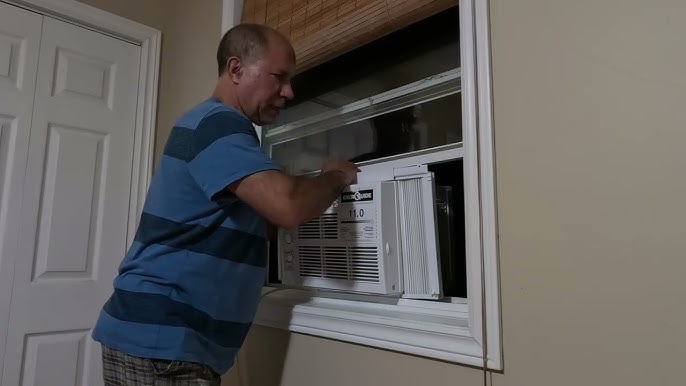
Place the air conditioner in the window with the bottom edge resting on the window sill. Slowly lower the window sash behind the top edge of the unit to hold it in place.
- Use brackets or mounting hardware that came with the unit to secure it to the window frame.
- Fasten screws tightly to keep the unit from moving.
- Double-check that the unit is level to avoid water leaks.
Sealing And Insulation
After securing the unit, seal gaps between the air conditioner and window frame. Use weatherstripping foam or caulk to block air leaks.
| Material | Use |
|---|---|
| Weatherstripping Foam | Fill gaps around the unit |
| Caulk | Seal small cracks in window frame |
| Insulation Panels | Place on sides for extra protection |
Check that all sides are sealed well. Proper insulation keeps your room cool and saves energy.
Potential Risks And Challenges
Installing a wall air conditioner in a window may seem easy. Still, it brings some risks and challenges that you should know. These issues can affect your home’s comfort and the unit’s performance.
Understanding these risks helps you decide if this setup is right for you. Here are some common problems to watch out for.
Air Leakage
Putting a wall air conditioner in a window can cause air to leak. This happens because the unit may not fit the window well. Gaps around the unit let outside air in and inside air out.
Air leakage makes your home less energy-efficient. It also forces the air conditioner to work harder to cool the space.
- Increased energy bills due to lost cool air
- More dust and insects entering through gaps
- Reduced comfort because of drafts
Unit Stability
Wall air conditioners are built to fit a wall sleeve. Placing them in a window may cause stability problems. The unit might not sit securely, increasing the risk of it falling out.
Improper installation can also damage the window frame or the air conditioner itself.
- Risk of the unit falling and causing injury
- Possible damage to window frames
- Vibrations and noise from poor support
Warranty Issues
Many manufacturers specify where their units should be installed. Using a wall air conditioner in a window may void the warranty. This means repairs or replacements might not be covered.
Ignoring warranty rules can lead to costly repairs if the unit breaks down.
- Warranty may require wall sleeve installation
- Improper use can void warranty coverage
- Repair costs may increase without warranty support
Alternative Solutions
If you cannot put a wall air conditioner in a window, you still have other options. These solutions can cool your room without needing a window installation.
Some air conditioners work without a window. Others fit through walls or use portable designs to move air and cool your space.
Portable Air Conditioners
Portable air conditioners are easy to move from room to room. They do not need a window for full installation.
These units use a hose to vent hot air outside. You can place the hose through a window, door, or wall vent.
- Can be moved to different rooms
- Uses a hose for venting hot air
- Requires a small opening for the hose
- Good for renters or temporary cooling
Through-the-wall Units
Through-the-wall air conditioners fit directly into a hole in an exterior wall. They do not need a window to work.
These units stay in one place and vent outside through the wall. They are a good option if you want a permanent cooling solution.
- Installed into an exterior wall
- Does not block windows
- Permanent cooling solution
- Requires professional installation
Credit: www.youtube.com
Maintenance Tips For Wall Acs
Keeping your wall air conditioner in good shape helps it work better. Regular care saves money and extends its life.
This guide shows easy ways to maintain your wall AC. Follow these tips to keep cool air flowing all year.
Cleaning Filters
Clean filters stop dust and dirt from blocking airflow. This keeps your AC running smoothly and saves energy.
- Turn off and unplug the AC before cleaning.
- Remove the filter carefully from the unit.
- Use a vacuum to remove loose dust.
- Wash the filter with warm water and mild soap.
- Let the filter dry completely before reinstalling.
- Clean filters every month during heavy use.
Seasonal Care
Seasonal care prepares your wall AC for changing weather. It helps prevent damage and keeps the unit ready.
| Season | Maintenance Task | Why It Matters |
| Spring | Clean filters and check for leaks | Ready for hot months, better cooling |
| Summer | Inspect and clean coils | Improves efficiency and airflow |
| Fall | Cover unit when not in use | Protects from dust and debris |
| Winter | Store unit properly if removable | Prevents damage from cold and moisture |
Credit: www.bluefrosthvac.com
Frequently Asked Questions
Can A Wall Air Conditioner Fit In A Window?
Yes, a wall air conditioner can fit in a window with proper support. You may need a secure frame or bracket for stability and sealing.
Is It Safe To Install A Wall Ac In A Window?
It is safe if installed correctly. Ensure proper sealing, support, and follow manufacturer guidelines to avoid damage or leaks.
Will A Wall Ac Cool A Room From A Window?
Yes, a wall AC can cool a room from a window if properly sealed and installed for efficient airflow.
Do Wall Air Conditioners Need Special Window Dimensions?
Wall air conditioners require specific wall cutouts, but window installations need custom framing. Measure carefully to ensure a proper fit.
Conclusion
Wall air conditioners usually fit best in a wall, not a window. Windows may not hold the unit securely or block air well. Installing a wall AC in a window can cause leaks or damage. Always check the size and type before buying.
Consider the space and how the air flows. Proper installation keeps your room cool and safe. Choose the right option for your home’s needs. This helps save energy and money too. Cooling your space comfortably matters most.