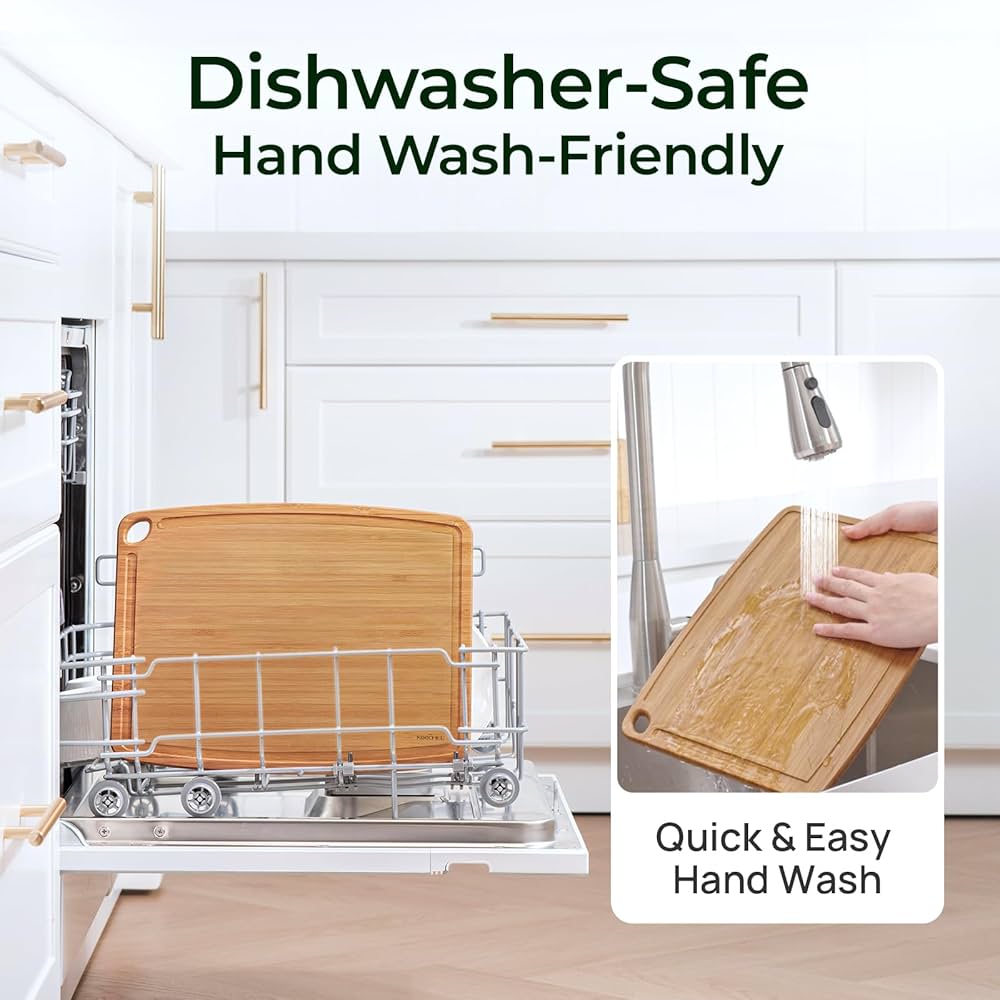
Have you ever wondered if your wood cutting board can survive a trip through the dishwasher? You might think tossing it in there is an easy way to clean up, but the truth could surprise you.
Your cutting board is an essential kitchen tool, and how you care for it can make a big difference in its lifespan and safety. Keep reading to discover what really happens when you put a wood cutting board in the dishwasher—and learn the best way to keep yours clean and lasting longer.
Risks Of Dishwashing Wood Boards
Wood cutting boards look nice and feel natural. Many people wonder if they can wash them in the dishwasher. Using a dishwasher might seem easy and quick.
There are some risks when washing wood boards this way. The heat and water can damage the wood. It can also affect how safe the board is to use.
Warping And Cracking
Dishwashers use hot water and steam. This can cause wood to dry out too fast. Wood may change shape and warp.
When wood loses moisture quickly, it can crack. Cracks make the board weak and unsafe. Warped boards do not sit flat on surfaces.
- High heat removes natural wood oils
- Rapid drying leads to shrinking and cracking
- Warped boards can cause knives to slip
Loss Of Finish And Seal
Wood boards often have a finish or seal. This layer protects the wood from water and stains. Dishwashing can wear down this layer quickly.
Without the finish, wood soaks up water. This causes stains, smells, and faster damage. The board needs to be resealed more often.
- Dishwasher detergents are harsh on wood finishes
- Sealants wash away, exposing bare wood
- Unsealed wood absorbs moisture and food particles
Bacterial Concerns
Wood is natural and can hold bacteria in cracks and pores. Dishwashers may not clean these areas well. Water trapped inside wood can cause bacteria growth.
Damaged or cracked boards increase the risk of germs. This can make food unsafe. Proper cleaning and drying are important for safety.
- Cracks trap food particles and germs
- Dishwasher heat may not kill all bacteria inside wood
- Air drying helps prevent bacterial growth

Credit: www.amazon.com
Why Wood Boards Need Special Care
Wood cutting boards are popular for cooking and food prep. They look nice and can last a long time. But wood needs careful cleaning and care.
Unlike plastic, wood can change and get damaged if cleaned wrong. It is important to understand why wood boards need special care.
Porous Nature Of Wood
Wood has tiny holes called pores. These pores soak up water, oils, and food juices. This makes wood easy to stain and hold smells.
- Absorbs liquids quickly
- Can trap bacteria inside pores
- Needs drying after washing to avoid mold
- Should be oiled to fill pores and protect wood
Effect Of Heat And Water
Heat and water can harm wood boards. Hot water and steam from dishwashers cause wood to swell and crack.
| Effect | Result |
| High heat | Wood warps and cracks |
| Water soaking | Wood swells and weakens |
| Rapid drying | Wood splits and peels |
Maintaining Durability
Care keeps wood boards strong and safe for food. Avoid dishwashers and clean by hand with mild soap.
- Wash with warm water and gentle soap
- Dry immediately with a towel
- Apply mineral oil regularly to seal pores
- Store in a dry place away from direct sunlight
Safe Cleaning Alternatives
Wood cutting boards need careful cleaning to keep them safe and last longer. Putting them in the dishwasher can cause damage. Here are some safe ways to clean your wood cutting board.
Hand Washing Techniques
Always wash your wood cutting board by hand with warm water. Use a soft sponge or cloth to avoid scratching the surface. Rinse the board well to remove all soap and food bits.
Using Mild Detergents
Choose mild dish soap to clean your board. Strong detergents can dry out or damage the wood. Mild soaps clean well without harming the board’s finish or texture.
- Use a small amount of mild soap
- Apply with a soft sponge or cloth
- Rinse thoroughly with warm water
- Dry immediately with a clean towel
Sanitizing Without Damage
| Sanitizing Method | How to Use | Notes |
|---|---|---|
| White Vinegar | Spray or wipe vinegar on the board, then rinse. | Natural and safe for wood. |
| Hydrogen Peroxide (3%) | Apply with a cloth, let sit 5 minutes, rinse well. | Kills bacteria, avoid strong concentrations. |
| Salt and Lemon | Sprinkle salt, rub with lemon half, rinse. | Also removes odors and stains. |
Tips To Extend Board Lifespan
Wood cutting boards are a great kitchen tool but need care. Proper maintenance keeps them strong and safe for food.
Simple habits can stop cracks and warping. These tips help your board last many years.
Regular Oiling
Oiling your wood board keeps it from drying out and cracking. Use food-safe mineral oil or beeswax.
- Apply oil once a month or when the board looks dry
- Use a clean cloth to rub oil into the wood
- Let the oil soak overnight for best results
- Wipe off extra oil before using the board again
Proper Drying Methods
Drying your board correctly stops mold and warping. Never leave it soaking in water.
| Do | Don’t |
|---|---|
| Dry board with a towel right after washing | Leave board wet or in a damp sink |
| Stand board upright to air dry fully | Place board flat on a wet surface |
| Store in a dry, well-ventilated area | Store in a closed, humid cabinet |
Avoiding Harsh Chemicals
Harsh chemicals damage the wood and remove natural oils. Use gentle cleaners only.
- Clean with mild soap and warm water
- Disinfect with diluted vinegar or lemon juice
- Do not use bleach or strong detergents
- Avoid dishwasher use to protect wood fibers
When A Dishwasher Might Be Okay
Wood cutting boards usually do not do well in dishwashers. The heat and water can cause the wood to crack or warp. Still, some types of boards might handle the dishwasher better than others.
Understanding when it is okay to use a dishwasher can help you keep your boards clean without damaging them. It depends on the material, care instructions, and weighing risks against convenience.
Small Bamboo Or Composite Boards
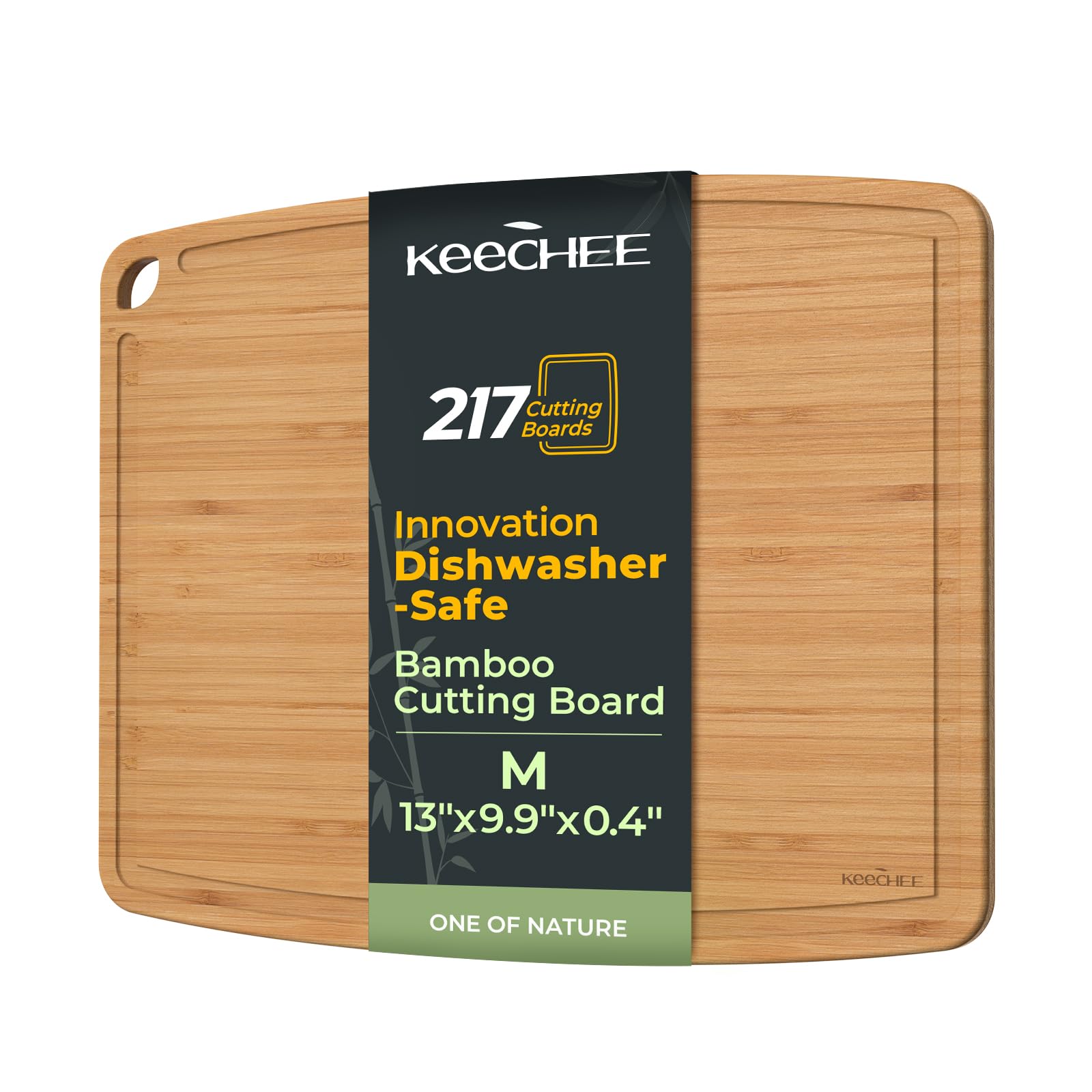
Small bamboo or composite cutting boards are often more dishwasher safe than large wooden ones. Bamboo is harder and less porous, which helps it resist water damage.
Composite boards, made from wood fibers and resin, are also made to handle moisture better. These boards can usually withstand the heat and water in a dishwasher without warping.
Manufacturer Guidelines
Always check the manufacturer’s instructions before putting any cutting board in the dishwasher. Some boards come with clear cleaning advice.
Following these guidelines helps avoid damage and keeps your board safe to use. If the label says dishwasher safe, it usually means the board can handle the heat and water pressure.
Risks Vs. Convenience
Using a dishwasher for your cutting board is fast and easy. It kills germs and cleans thoroughly. But there are risks like cracking, warping, or losing finish.
Think about how often you use the dishwasher and the type of board you have. For some, hand washing may be better to keep the board in good shape longer.
Credit: www.amazon.com

Credit: www.reddit.com
Frequently Asked Questions
Is It Safe To Dishwasher Wood Cutting Boards?
No, it’s not safe to put wood cutting boards in the dishwasher. The heat and moisture can warp the wood. It may also cause the wood to crack or split over time. It’s best to hand wash them with mild soap and water.
Why Does The Dishwasher Damage Wood Boards?
The dishwasher’s heat and water can warp wood cutting boards. The drying cycle can cause wood to crack. This is because wood is sensitive to moisture and temperature changes. Always dry your wood cutting board immediately after washing to maintain its condition.
Can A Dishwasher Sanitize A Wood Cutting Board?
A dishwasher can sanitize, but it’s not recommended for wood. The high heat can damage the board. Instead, use vinegar or hydrogen peroxide for sanitizing. These solutions are safe for wood and effective against bacteria.
How Should I Clean A Wood Cutting Board?
Clean wood cutting boards with mild soap and warm water. Avoid soaking them. Rinse thoroughly and dry immediately. For deep cleaning, sprinkle salt and rub with a lemon. This helps remove odors and stains effectively.
Conclusion
Wood cutting boards do not belong in the dishwasher. The heat and water can crack and warp them. Hand washing keeps your board strong and safe. Dry it well to stop bacteria growth. Regular oiling helps the wood last longer.
A well-cared board stays clean and lasts for years. Choose gentle cleaning for the best results. Keep your kitchen tools in great shape. Simple care makes a big difference.