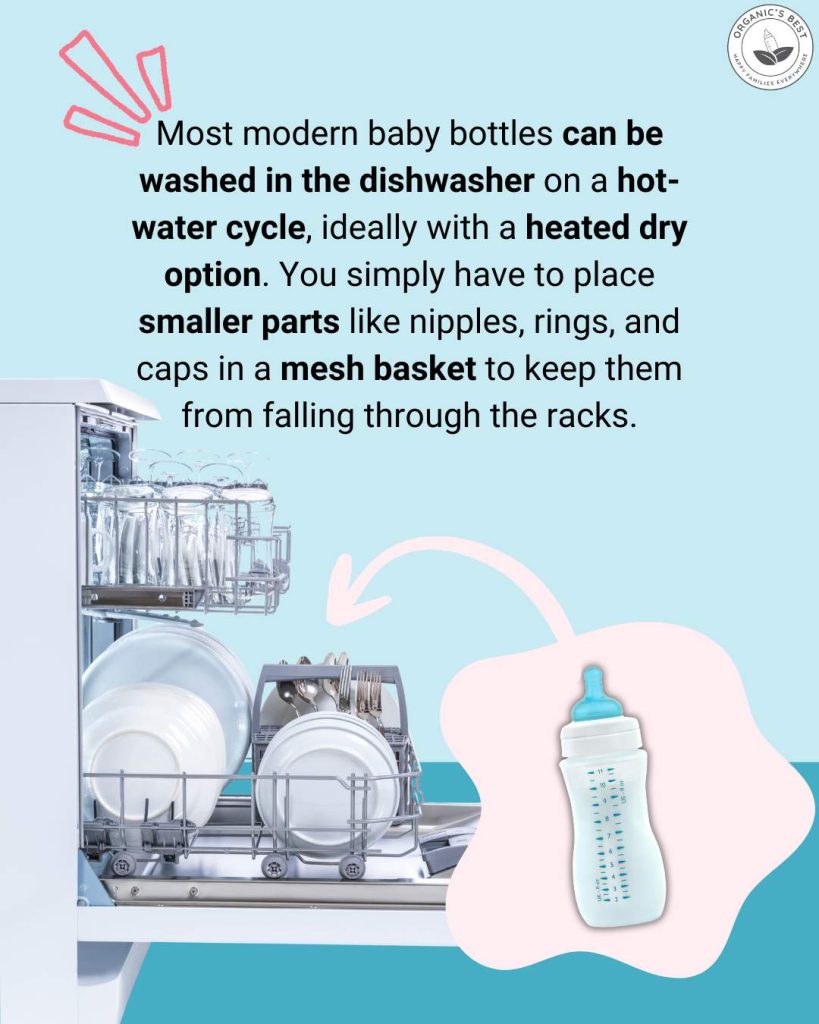
Have you ever found yourself wondering if you can toss your baby bottles into the dishwasher for a quick and easy clean? As a busy parent, you’re constantly juggling countless tasks, and finding time for a thorough bottle wash can be challenging.
You want the best for your baby, but you also need a solution that fits into your hectic schedule. This is where the dishwasher comes into play. But is it safe? Will it effectively clean your baby’s bottles without compromising their quality?
We’ll dive into the details and provide you with the answers you need. Stick around to discover whether your dishwasher can be your new best friend in baby bottle cleaning.

Credit: www.reddit.com
Dishwasher Safety For Baby Bottles
Keeping baby bottles clean is essential, but safety should never take a backseat. Using a dishwasher for cleaning baby bottles can save time, but you need to know which bottles can handle the heat and how to avoid damage. Understanding dishwasher safety for baby bottles helps protect your investment and ensures your baby’s feeding gear stays hygienic and intact.
Materials That Withstand Dishwashers
Not all baby bottles are created equal when it comes to dishwasher safety. Look for bottles made of BPA-free plastic labeled “dishwasher safe” or those made from glass, which usually handle dishwasher heat well.
Metal parts, like stainless steel bottles, often tolerate dishwasher cycles too, but always check the manufacturer’s instructions. Avoid bottles with painted or decorated surfaces unless they specifically say they can go in the dishwasher.
Have you noticed your plastic bottle warping after a wash? That’s a sign it’s not designed for dishwasher use. Choosing the right material upfront saves you hassle and keeps your baby’s bottles safe.
Avoiding Damage To Bottles And Nipples
Even dishwasher-safe bottles can suffer damage if placed improperly. Position bottles on the top rack away from heating elements to prevent melting or warping.
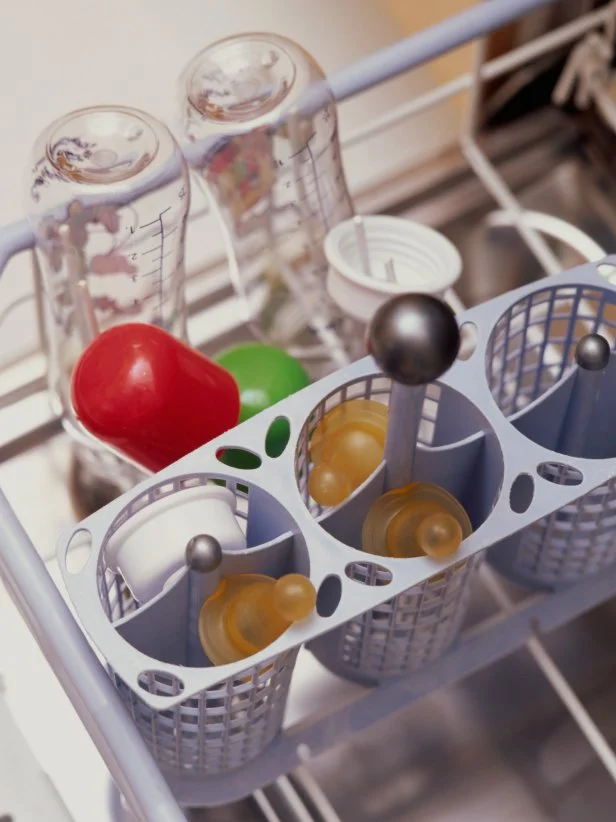
Nipples are more delicate and can lose shape or tear if exposed to high heat or harsh detergent. Place them in a mesh bag or dishwasher basket designed for small parts to keep them secure and protected.
Using a gentle or baby-safe dishwasher detergent also matters. Have you ever found a nipple that’s become brittle or discolored? It’s often due to strong chemicals or high temperatures.
Regularly inspect your bottles and nipples after washing. If you spot cracks, cloudiness, or changes in texture, it’s time to replace them to keep feeding safe and comfortable for your baby.
Preparing Bottles For The Dishwasher
Preparing baby bottles for the dishwasher is essential to keep them clean and safe. Proper preparation helps remove leftover milk and prevents clogs in the dishwasher. It also ensures every part gets thoroughly washed. Follow these simple steps to prepare bottles before placing them in the dishwasher.
Cleaning Residue Before Washing
Remove any leftover milk or formula from the bottle. Use a bottle brush or sponge to scrub the inside gently. Rinse bottles with warm water to clear out all residue. This step helps prevent buildup and keeps the dishwasher clean. Avoid letting milk dry inside the bottle before washing.
Disassembling Bottles And Parts
Take apart all bottle pieces, including nipples, rings, and caps. Separate small parts for better cleaning and drying. Place small items in a dishwasher basket or mesh bag to avoid losing them. Disassembly allows water and detergent to reach every corner. It also helps prevent damage during the wash cycle.
Best Dishwasher Settings
Choosing the best dishwasher settings helps keep baby bottles clean and safe. Proper settings protect the bottles from damage and ensure thorough cleaning. Understanding temperature and cycle options can improve sterilization and extend bottle life.
Temperature Recommendations
Use water temperatures between 140°F and 160°F for cleaning baby bottles. Hot water kills germs and removes milk residue effectively. Avoid temperatures above 160°F to prevent warping or melting plastic parts. Check your dishwasher manual for exact temperature controls.
Choosing The Right Cycle
Select a gentle or delicate cycle to protect bottle parts. These cycles use less water pressure and heat, avoiding damage. Some dishwashers have a sanitize cycle. It adds extra heat to kill bacteria, ideal for baby items. Avoid heavy or pots and pans cycles, which are too harsh for bottles.
Placement Tips For Effective Cleaning
Proper placement of baby bottles in the dishwasher ensures they come out clean and safe. Positioning affects how well water and detergent reach every part. Careful arrangement also protects delicate items from damage during the wash cycle.
Follow these placement tips for the best cleaning results and to keep bottles in good shape.
Top Rack Vs Bottom Rack
Place baby bottles on the top rack for gentler cleaning. The top rack gets less heat and water pressure, which protects plastic bottles from warping. Avoid the bottom rack, where heat is stronger and may damage bottles.
Smaller items like nipples and caps also belong on the top rack. This keeps them secure and away from heavy dishes that can cause damage.
Securing Small Parts
Small parts can fall through the dishwasher racks or move around during washing. Use a mesh bag or dishwasher basket to keep nipples, rings, and caps together. This prevents loss and ensures thorough cleaning.
Check these parts after the cycle to remove any leftover debris. Proper securing helps maintain hygiene and saves time searching for missing pieces.
Avoiding Common Mistakes
Cleaning baby bottles in the dishwasher saves time and effort. Yet, some common mistakes can reduce cleaning quality and damage bottles. Avoid these errors to keep bottles safe and clean for your baby.
Using Harsh Detergents
Harsh detergents can harm baby bottles and leave residues. Choose mild, baby-safe detergents designed for sensitive items. Strong chemicals may cause plastic to degrade or change taste. Always check detergent labels before use.
Overloading The Dishwasher
Overloading blocks water and soap from reaching bottles. Bottles need space for thorough cleaning and rinsing. Place bottles upright and separate to avoid trapped dirt. Give each item enough room for water to flow freely.
Credit: www.foodnetwork.com
Alternative Cleaning Methods
Not everyone prefers to use a dishwasher for cleaning baby bottles, and some parents worry about the potential wear on their bottles or the dishwasher’s ability to reach every nook and cranny. Alternative cleaning methods can offer you more control and peace of mind, ensuring your baby’s bottles are both clean and safe. Let’s look at some practical ways you can clean and sterilize bottles without relying on a dishwasher.
Hand Washing Tips
Hand washing baby bottles is simple but requires attention to detail. Use warm, soapy water and a bottle brush to scrub every part thoroughly. Don’t forget to clean the nipples and the threads where the bottle parts screw together.
Rinse the bottles well with clean water to remove all soap residue. You might want to set aside a dedicated basin just for washing bottles to avoid cross-contamination with other dishes.
Have you noticed how some bottle brushes have built-in nipple cleaners? These tools can make hand washing much easier and more effective, especially in hard-to-reach areas.
Sterilizing Bottles Safely
After washing, sterilizing bottles is important to kill harmful germs. You can use boiling water by submerging the bottles and parts for at least 5 minutes. Just be careful when handling hot water to avoid burns.
Another option is steam sterilizing with an electric sterilizer or microwave steam bags. These methods are quick and require less effort.
Remember, sterilizing doesn’t replace washing—it’s an extra step to ensure safety. How often do you sterilize your baby’s bottles? Some parents do it after every use, while others do it once a day.
When Not To Use The Dishwasher
Knowing when not to use the dishwasher for cleaning baby bottles is just as important as knowing when to use it. Certain situations can cause damage to the bottles or reduce their safety for your little one. Recognizing these moments helps you protect your investment and keep feeding safe.
Signs Of Wear And Tear
Check your baby bottles regularly for any cracks, discoloration, or warping. If you notice these signs, it’s best to avoid the dishwasher, as the high heat and strong detergents can worsen the damage.
When plastic bottles become scratched or cracked, harmful bacteria can hide in those areas. Washing them by hand with gentle soap can extend their life and keep them hygienic.
Manufacturer Warnings
Always read the instructions that come with your baby bottles. Some manufacturers explicitly advise against dishwasher use due to material sensitivity or special coatings.
Ignoring these warnings can void warranties or cause bottles to break down faster. If you’re unsure, hand washing is the safest choice to protect your baby’s health and your peace of mind.

Credit: www.searshomeservices.com
Frequently Asked Questions
Can Baby Bottles Be Safely Washed In A Dishwasher?
Yes, most baby bottles are dishwasher-safe. Place them on the top rack to avoid heat damage. Use a gentle cycle with mild detergent for best results.
How To Prevent Damage To Baby Bottles In The Dishwasher?
To avoid damage, always use the top rack. Avoid high heat settings and use a gentle cycle. Remove bottles promptly after the cycle to air dry.
Is Dishwasher Cleaning As Effective As Hand Washing Baby Bottles?
Dishwashers can clean bottles effectively if used properly. High temperatures sanitize bottles well. Hand washing may miss some bacteria if not thorough.
Can All Types Of Baby Bottles Go In The Dishwasher?
Most plastic and glass bottles are dishwasher-safe, but always check manufacturer instructions. Some materials or brands may require hand washing to maintain quality.
Conclusion
Baby bottles can usually go in the dishwasher safely. Use the top rack to avoid heat damage. Place small parts in a basket to keep them secure. Choose a gentle cycle to protect the bottles. Always check the manufacturer’s instructions first.
Clean bottles well to keep your baby healthy. Hand wash if unsure about dishwasher safety. Keeping bottles clean is important for feeding time. Simple steps make cleaning easier and safer every day.