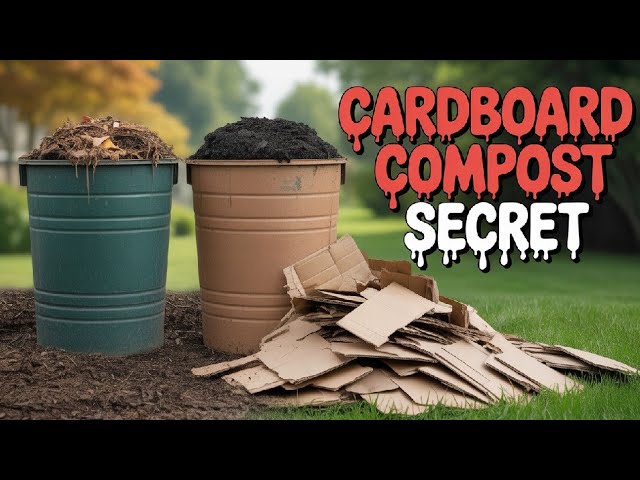
Are you wondering if you can put cardboard in your compost bin? It’s a common question for anyone trying to reduce waste and create rich soil at home.
You might think cardboard is just trash, but it can actually be a valuable part of your compost. However, not all cardboard is created equal, and adding the wrong kind could slow down the process or cause problems. Keep reading to discover how to use cardboard correctly in your compost bin and make your garden thrive like never before.

Credit: earthlyours.com
Benefits Of Adding Cardboard
Adding cardboard to your compost bin helps improve the composting process. It is a useful material that supports healthy decomposition.
Cardboard breaks down slowly and adds valuable structure to the compost pile. It also helps balance different types of materials.
Improving Aeration And Structure
Cardboard helps create air spaces in the compost. This allows oxygen to reach microbes, which speeds up decomposition.
- Prevents compacting of wet materials
- Improves airflow inside the pile
- Supports the breakdown of organic matter
- Helps maintain a fluffy texture
Balancing Green And Brown Materials
Cardboard is a brown material rich in carbon. It balances green materials that are high in nitrogen. This balance is key for compost health.
| Material Type | Example | Role in Compost |
| Green | Vegetable scraps, grass clippings | Provide nitrogen |
| Brown | Cardboard, dry leaves | Provide carbon |

Credit: www.youtube.com
Types Of Cardboard To Compost
Cardboard is a common material many want to add to their compost bin. Not all cardboard breaks down the same way. It is important to know which types are good for composting.
This guide explains different kinds of cardboard and what to avoid. It helps you compost safely and effectively.
Corrugated Cardboard
Corrugated cardboard has a wavy layer between two flat layers. It is strong and often used for shipping boxes. This type is great for composting because it breaks down well.
- Remove any tape or labels before composting.
- Cut the cardboard into small pieces to speed up decomposition.
- Use it to add carbon to your compost mix.
Paperboard And Packaging
Paperboard is thinner than corrugated cardboard. It is used for cereal boxes and shoe boxes. Most paperboard can be composted if it is clean and free of plastic coatings.
| Type | Common Use | Compost Friendly |
| Paperboard | Cereal Boxes | Yes, if clean |
| Paperboard | Shoe Boxes | Yes, if no plastic |
| Corrugated | Shipping Boxes | Yes |
Avoiding Waxed And Coated Cardboard
Some cardboard has wax or plastic coatings. These coatings prevent the cardboard from breaking down. Avoid putting these types in your compost bin.
- Waxed cardboard is often used for food packaging like meat trays.
- Coated cardboard can look shiny or feel slippery.
- These materials can harm compost quality and soil health.
Preparing Cardboard For Composting
Cardboard is a great addition to compost bins. It adds carbon, which balances the nitrogen from kitchen scraps. Before adding cardboard, prepare it properly to speed up decomposition.
Follow these simple steps to ensure your cardboard breaks down efficiently and enriches your compost.
Removing Tape And Labels
Cardboard boxes often come with tape and labels. These materials do not decompose well and can contaminate compost. Remove them before adding the cardboard to your bin.
Shredding For Faster Decomposition
Shredding cardboard increases its surface area, helping microbes break it down faster. Smaller pieces mix better with other compost materials.
- Cut cardboard into strips using scissors or a box cutter.
- Use a shredder for finer pieces.
- Add shredded cardboard evenly to the compost bin.
Moistening Cardboard
Dry cardboard can take longer to decompose. Moistening it helps speed up the process. Wet cardboard blends better with other moist compost materials.
| Action | Benefit |
| Sprinkle water on cardboard | Increases decomposition speed |
| Mix with green materials | Balances moisture levels |
Common Mistakes With Cardboard
Many people add cardboard to their compost bin to reduce waste. Cardboard breaks down well but can cause problems if not handled right. Avoiding common mistakes helps keep your compost healthy.
Understanding how to use cardboard correctly improves the composting process. Below are some mistakes to watch out for when adding cardboard to your compost.
Adding Too Much Cardboard
Adding too much cardboard can create an imbalance in your compost. Cardboard is high in carbon, so too much can slow down decomposition.
- Use cardboard in small amounts mixed with green materials.
- Shred cardboard to speed up breakdown.
- Avoid layering thick sheets that block air flow.
Ignoring Chemical Treatments
Some cardboard has chemicals or coatings that harm compost microbes. Paint, glossy finishes, or heavy inks can be toxic.
| Type of Cardboard | Safe for Compost? |
|---|---|
| Plain brown cardboard | Yes |
| Printed cardboard with soy ink | Usually yes |
| Glossy or coated cardboard | No |
| Cardboard with tape or labels | Remove before composting |
Composting Large Pieces
Large pieces of cardboard take a long time to break down. They can also block air and water flow in the compost.
- Cut cardboard into small strips or squares.
- Mix pieces well with other compost materials.
- Turn the compost regularly to help break down cardboard.
Cardboard Composting Methods
Cardboard is a common material that can be composted easily. It breaks down well and adds carbon to compost piles.
There are several ways to compost cardboard effectively. Each method helps balance moisture and air in your compost.
Layering In Traditional Bins
Layering cardboard in a compost bin helps mix it with green waste. Start with a layer of wet materials, then add shredded cardboard.
Alternate layers of brown cardboard and green kitchen scraps. This keeps the pile moist and speeds up decomposition.
- Shred cardboard for faster breakdown
- Keep layers thin to allow airflow
- Turn the pile regularly to mix layers
Using Worm Bins
Worm bins use worms to break down organic waste, including cardboard. Tear cardboard into small pieces before adding it.
Wet the cardboard pieces so worms can eat them easily. Avoid adding too much at once to keep the bin balanced.
- Use damp cardboard to keep worms active
- Mix cardboard with food scraps for nutrition
- Check moisture regularly to avoid dryness
Sheet Mulching With Cardboard
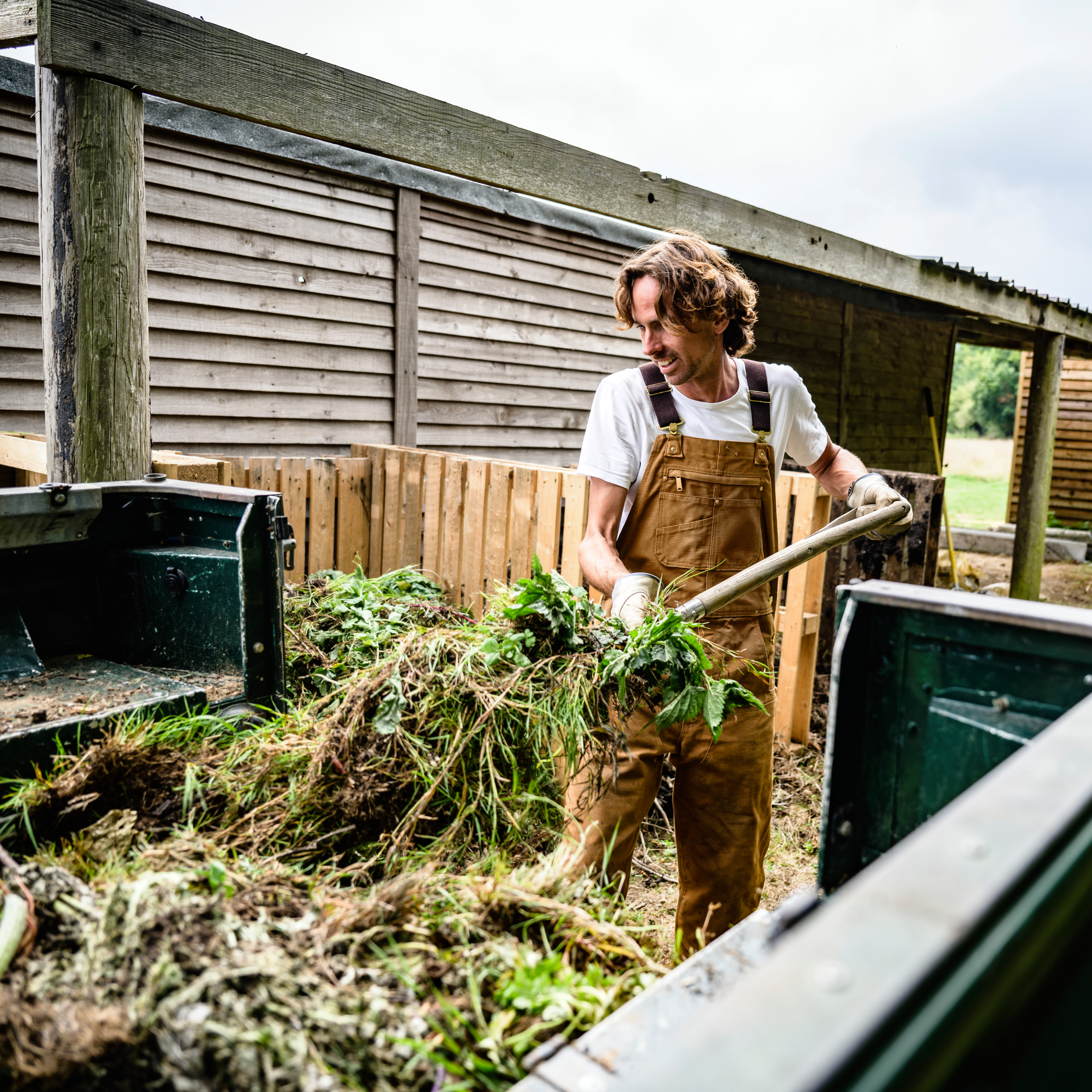
Sheet mulching uses cardboard as a weed barrier in gardens. Lay flat cardboard sheets over soil, then cover with mulch or compost.
The cardboard breaks down slowly, adding carbon to the soil. It also keeps weeds from growing and retains moisture.
- Remove tape and labels from cardboard
- Overlap sheets to block weeds completely
- Add a thick mulch layer on top
Credit: www.gardeningknowhow.com
Troubleshooting Compost Issues
Composting cardboard can be helpful, but it may cause some problems. Knowing how to fix these issues keeps your compost healthy.
We will look at three common problems: slow breakdown, odors and pests, and moisture levels. Each needs a different approach.
Dealing With Slow Breakdown
Cardboard breaks down slowly because it is thick and dry. To speed up the process, tear it into small pieces before adding it to the compost bin.
- Shred or tear cardboard into small strips or bits.
- Mix it well with green waste like food scraps.
- Turn the compost regularly to add oxygen.
- Keep the pile warm by adding fresh materials.
Preventing Odors And Pests
Wet cardboard can cause bad smells and attract pests. Keep the compost balanced with the right mix of materials.
| Problem | Cause | Solution |
| Bad odors | Too much wet cardboard | Add dry leaves or paper |
| Flies or rodents | Food scraps exposed | Cover scraps with cardboard |
| Mold growth | Excess moisture | Turn pile and add dry material |
Maintaining Proper Moisture Levels
Moisture helps break down cardboard but too much or too little slows it down. Check the compost’s moisture often.
Use this simple test to check moisture:
- Grab a handful of compost.
- Squeeze it gently.
- If a few drops of water come out, moisture is good.
- If it feels dry or no water comes out, add water.
- If water flows out, add dry cardboard or leaves.
Frequently Asked Questions
Can Cardboard Be Composted Safely?
Yes, cardboard can be composted safely if it is free from wax, plastic, or heavy ink. It breaks down well and adds carbon to the compost mix.
How Does Cardboard Help Composting?
Cardboard adds carbon, balancing nitrogen-rich materials. It improves aeration and structure, speeding up decomposition and creating nutrient-rich compost.
Should Cardboard Be Shredded Before Composting?
Shredding cardboard speeds up decomposition by increasing surface area. Small pieces break down faster and mix better with other compost materials.
Can Glossy Or Colored Cardboard Be Composted?
Glossy or heavily colored cardboard may contain chemicals or coatings. Avoid composting these to prevent toxins in your compost.
Conclusion
Cardboard can be a useful addition to your compost bin. It breaks down slowly and adds carbon to balance green waste. Tear it into small pieces for faster composting. Avoid glossy or heavily inked cardboard to keep compost healthy. Mixing cardboard with food scraps creates rich, natural soil.
Start adding cardboard today and watch your compost thrive. Simple steps lead to better gardening results.