
Have you ever wondered if you can put your chest freezer outside? Maybe you’re short on space inside, or perhaps you’re looking for a convenient spot near your outdoor kitchen or garage.
It sounds like a simple solution, but before you make the move, there are a few crucial things you need to know. Imagine the convenience of having extra storage space just a step away from your backdoor, yet also consider the challenges of weather exposure and energy efficiency.
You’ll uncover the secrets to safely placing your chest freezer outside without compromising its performance or your budget. Stay with us, and we’ll guide you through the dos and don’ts, ensuring your freezer remains a reliable companion, rain or shine.
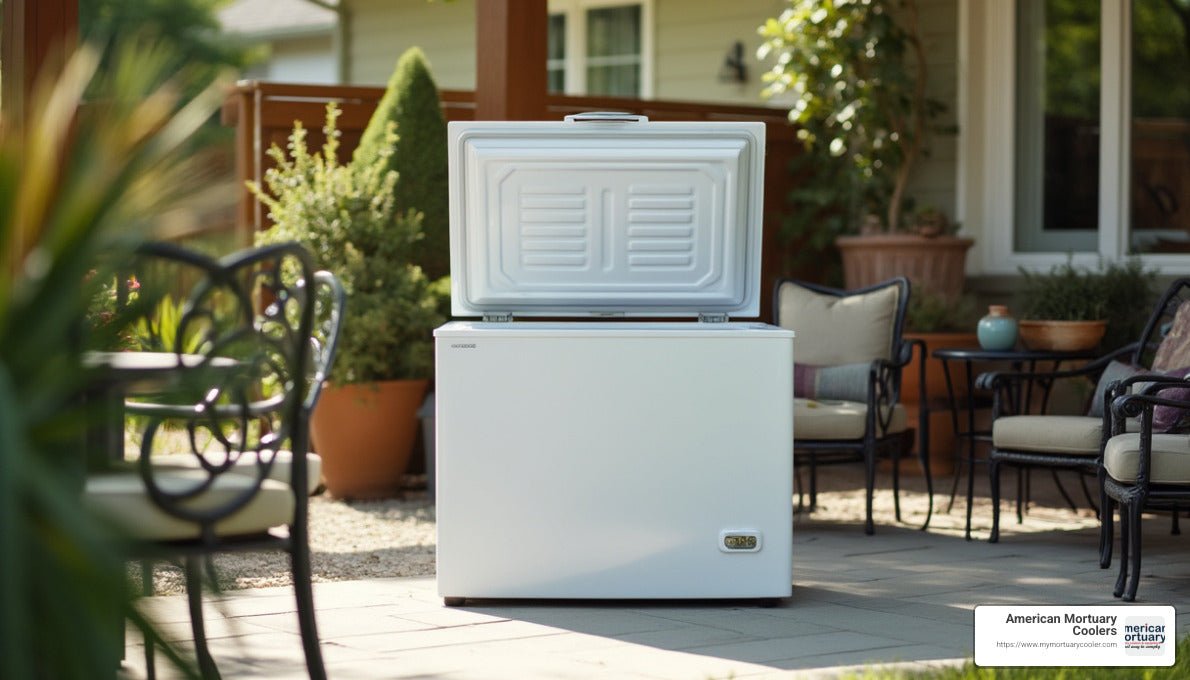
Credit: mymortuarycooler.com
Placing Chest Freezers Outdoors
Placing a chest freezer outdoors can free up valuable indoor space and provide convenient access, especially if you use it for bulk storage or seasonal items. However, not every outdoor spot is suitable. Choosing the right location and understanding how weather affects your freezer are key to keeping it running efficiently and extending its life.
Ideal Outdoor Locations
Look for a spot that is sheltered from direct sunlight and heavy rain. A covered porch, garage with open walls, or a sturdy shed can offer protection while keeping the freezer easily accessible.
Make sure the surface is flat and stable. Uneven ground can cause the freezer to work harder or even damage its compressor over time.
- Avoid placing the freezer near heat sources like grills or air conditioners.
- Keep it close to an electrical outlet but avoid using long extension cords, which can be hazardous.
- Leave enough space around the freezer for air circulation—at least a few inches on all sides.
Climate Considerations
Weather can significantly impact your chest freezer’s performance outdoors. If you live somewhere with freezing winters, the freezer’s thermostat may not work correctly in extreme cold, causing the compressor to run continuously or shut off unexpectedly.
High humidity and rain can cause rust and electrical issues. Using a weatherproof cover can help, but it shouldn’t block ventilation vents.
Think about how often you’ll use the freezer and how much you’re willing to maintain it. In very hot or cold climates, it might be worth investing in models designed for outdoor use.
Weather Protection
Protecting a chest freezer from weather is key when placing it outside. Rain, snow, sun, and wind can harm its parts. Proper weather protection keeps the freezer working well for many years.
Covering the freezer and creating a shelter are simple ways to protect it. Both help prevent water damage, rust, and overheating. This section explains good options for weather protection.
Waterproof Covers
Waterproof covers stop rain and snow from reaching the freezer. They fit tightly to block moisture and dust. These covers are made from strong, water-resistant materials like PVC or heavy-duty fabric.
- Choose covers with secure fasteners to keep them in place.
- Look for covers with ventilation to avoid moisture buildup inside.
- Pick a cover that fits your freezer size exactly for best protection.
Using a waterproof cover reduces rust and electrical problems from water exposure.
Shelter Options
Building or buying a shelter protects the freezer from sun, wind, and rain. Shelters also improve energy efficiency by keeping the freezer cooler in hot weather.
- A simple shed with a roof and walls works well.
- Use materials like wood or metal that resist weather damage.
- Ensure the shelter has good airflow to prevent heat buildup.
- Place the freezer on a raised platform to avoid water pooling underneath.
A well-designed shelter extends the freezer’s life and performance outdoors.
Electrical Safety
Electrical safety is a key factor when placing a chest freezer outdoors. Moisture, rain, and temperature changes can affect the electrical system. Proper precautions reduce the risk of shocks and fire hazards. Understanding safe wiring and using protective devices keeps your freezer running safely.
Proper Wiring And Outlets
Use outdoor-rated wiring and outlets to handle weather conditions. Regular indoor outlets can corrode or short circuit outside. Install weatherproof covers on all outdoor electrical connections. The wiring should be grounded and insulated to avoid electric shocks. Avoid using extension cords for permanent setups. Have a qualified electrician check the wiring for safety and code compliance.
Ground Fault Circuit Interrupters (gfci)
A GFCI outlet protects against electrical shocks by cutting power quickly. It senses current imbalances that may happen when water touches wires. Install GFCI outlets on all outdoor freezer circuits. Test GFCI devices monthly to ensure they work properly. GFCIs are required by electrical codes for outdoor appliances. Using GFCI helps protect people and prevents electrical accidents near your freezer.
Temperature Impact
Temperature plays a crucial role in how your chest freezer operates outside. Extreme cold or heat can affect its efficiency and lifespan. Understanding these impacts helps you decide if placing your freezer outdoors is a smart move.
Freezer Performance In Cold Weather
Freezers are designed to work best within a specific temperature range. When the outside temperature drops too low, the compressor might run less frequently or even stop. This can cause your freezer’s internal temperature to rise, risking food spoilage.
Some chest freezers have a “cooling only” mode, which means they struggle to maintain freezing temperatures below certain outdoor limits. Have you noticed your freezer’s temperature fluctuating during winter? It’s likely due to this issue.
To protect your freezer in cold weather, consider insulating the area or using a freezer with a climate rating suited for outdoor use. This helps maintain stable performance despite the chill.
Heat Effects On Efficiency
High temperatures make your freezer work harder to keep items frozen. The compressor runs longer, consuming more energy and potentially increasing your electricity bill. Over time, this strain can shorten the appliance’s lifespan.
Placing your chest freezer in direct sunlight or near heat sources amplifies this problem. You might want to place it in a shaded, ventilated spot to reduce heat exposure.
Have you ever checked your freezer’s energy consumption during hot months? It’s surprising how much temperature affects efficiency. Simple steps like adding a canopy or reflective cover can lower heat impact and save you money.
Maintenance Tips
Maintaining a chest freezer outside requires more attention than indoor models. The outdoor environment exposes it to dirt, moisture, and changing weather conditions. Proper care will extend your freezer’s life and keep your food safe.
Cleaning And Defrosting Outdoors
Cleaning your outdoor chest freezer regularly is key to preventing buildup of dirt and grime. Use a mild detergent and warm water to wipe down both the inside and outside surfaces. Avoid harsh chemicals that can damage the finish or seals.
Defrost your freezer whenever you see ice build-up thicker than ¼ inch. Ice reduces efficiency and takes up space. You can speed up defrosting by placing bowls of hot water inside and closing the lid, but never use sharp tools to chip away ice.
Preventing Rust And Corrosion
Rust and corrosion are bigger risks outdoors due to moisture exposure. Check your freezer’s exterior regularly for any signs of rust or paint chipping. Touch up exposed metal with rust-resistant paint to stop damage from spreading.
Keep your freezer elevated on a platform or concrete slab to avoid direct contact with wet ground. Cover it with a waterproof, breathable cover when not in use to protect from rain and snow. Ventilation matters too—make sure air can flow to prevent moisture buildup under the cover.

Credit: www.amazon.com
Security Measures
Placing a chest freezer outside needs careful thought about security. Protecting the freezer from theft and damage is important. Taking the right measures keeps your freezer safe and your food secure.
Locking Mechanisms
A strong lock stops unauthorized access. Choose locks made from weather-resistant materials to avoid rust. Padlocks with a thick shackle offer better protection. Consider locks with a cover to shield from rain and dust.
Using a lock box around the freezer handle adds extra security. Make sure the lock fits tightly and cannot be easily cut or broken. Regularly check the lock for signs of wear or tampering.
Animal Protection
Animals may try to enter or damage the freezer. Use sturdy mesh or fencing around the freezer base to keep animals away. Avoid gaps that small animals can squeeze through.
Place the freezer on a raised platform to prevent pests from nesting underneath. Seal any holes or cracks near the freezer to block entry points. Clean the area regularly to reduce smells that attract animals.
Energy Consumption
Energy consumption is a key factor to consider when placing your chest freezer outside. Outdoor temperatures and weather conditions can affect how hard the freezer works to maintain its internal temperature. This can lead to increased electricity use and higher utility bills, which is something you definitely want to avoid.
Cost Implications Of Outdoor Use
Putting a chest freezer outside may increase your energy bills. When temperatures drop, the freezer has to work harder to keep your food frozen. In extreme heat, the compressor runs longer to cool the interior, also driving up energy use.
Imagine your freezer running nonstop on a hot summer day or struggling in freezing winter weather. This constant strain can shorten the appliance’s lifespan and increase repair costs. You might find yourself paying more in electricity than you save by having extra storage space.
Energy-saving Tips
- Choose a shaded spot:Keeping your freezer out of direct sunlight reduces heat exposure and lowers energy consumption.
- Use a weatherproof cover:Protecting the freezer from rain, snow, and dust helps maintain efficiency and prevents damage.
- Insulate the area:Adding insulation around the freezer can help stabilize the temperature and ease the compressor’s workload.
- Keep the lid closed:Every time you open the freezer, cold air escapes, forcing the appliance to use more energy to cool down again.
- Regular maintenance:Clean the coils and check seals frequently to ensure your freezer operates efficiently outdoors.
How much extra energy are you willing to spend for outdoor convenience? Knowing how to balance usage and care can save you money and extend your freezer’s life.

Credit: www.amazon.com
Frequently Asked Questions
Can Chest Freezers Be Used Outdoors Safely?
Yes, chest freezers can be used outdoors if protected from rain and extreme weather. Use a weatherproof cover and place it on a stable, dry surface to ensure safety and efficiency.
How Does Outdoor Placement Affect Freezer Performance?
Outdoor placement may reduce efficiency due to temperature fluctuations. Extreme heat or cold forces the compressor to work harder, increasing energy use and possibly shortening the freezer’s lifespan.
What Precautions Should I Take For Outdoor Chest Freezers?
Keep the freezer shaded and covered to avoid direct sunlight and moisture. Ensure proper ventilation around the unit and use a heavy-duty outdoor electrical outlet for safety.
Is It Necessary To Use A Weatherproof Cover?
Yes, a weatherproof cover protects the freezer from rain, snow, and debris. It helps maintain consistent internal temperature and prevents rust or damage to electrical components.
Conclusion
Placing a chest freezer outside can work if you take care. Choose a dry, shaded spot away from rain and sun. Keep it on a flat, stable surface to avoid damage. Regularly check seals and clean the freezer to keep it running well.
Protect it from extreme weather for longer life. With simple care, an outdoor chest freezer can be practical and useful. Just remember to watch for any issues and fix them fast. Safe storage means better food and less waste.