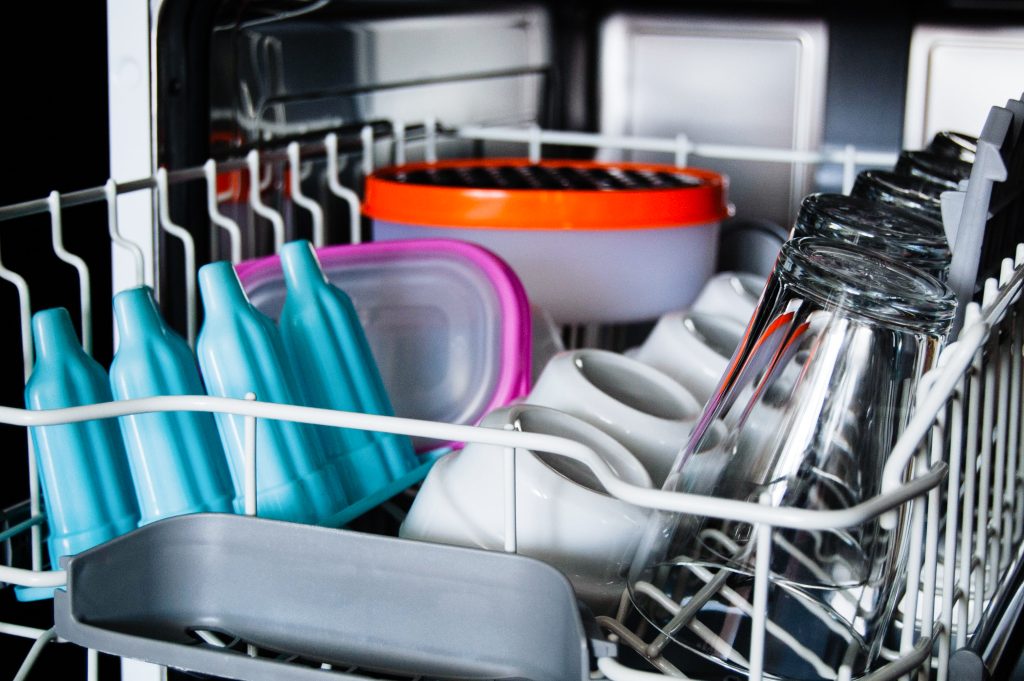
Have you ever stood in front of your dishwasher, plastic container in hand, wondering if you’re about to make a costly mistake? You’re not alone.
Many of us find ourselves questioning whether it’s safe to toss those convenient plastic containers into the dishwasher. After all, no one wants to end up with a warped or discolored mess, or worse, a kitchen full of toxic fumes.
Imagine never having to second-guess yourself again. By the end of this article, you’ll have the knowledge you need to make confident decisions about your plasticware. We’ll explore the ins and outs of dishwasher-safe plastics, the risks involved, and how to protect your containers and your health. Are you ready to simplify your kitchen routine and keep your containers in tip-top shape? Let’s dive in!
Plastic Types Safe For Dishwashers
Plastic containers come in many types, but not all are safe in dishwashers. Knowing which plastics can handle dishwasher heat prevents damage and health risks. Some plastics melt or warp in high temperatures, while others stay strong and safe.
Choosing the right plastic helps keep containers clean and lasts longer. Look for plastics designed to resist heat and dishwasher detergents. These plastics maintain their shape and do not release harmful chemicals during washing.
Identifying Dishwasher-safe Plastics
Most plastic containers have a symbol or number on the bottom. This symbol helps identify if the plastic is dishwasher safe. Look for a dishwasher-safe label or a number inside a recycling triangle.
- Number 2 (HDPE) and Number 5 (PP) plastics are often dishwasher safe.
- Plastics labeled “dishwasher safe” or with a dishwasher symbol can be put in the dishwasher.
- Avoid plastics with no label or marked as single-use only.
Common Plastics That Resist Heat
Some plastics handle heat better than others. These are safe to wash in dishwashers without damage.
| Plastic Type | Recycling Number | Properties |
|---|---|---|
| High-Density Polyethylene (HDPE) | 2 | Strong, heat resistant, safe for dishwashers and food storage |
| Polypropylene (PP) | 5 | Durable, heat resistant, common in reusable containers |
| Tritan™ | N/A | BPA-free, dishwasher safe, clear and sturdy |
Plastics like PET (1) and PS (6) usually warp or degrade under dishwasher heat. Always check labels before washing plastic containers in the dishwasher.
Risks Of Dishwashing Plastic Containers
Putting plastic containers in the dishwasher might seem like a time-saver, but it comes with risks that can affect both the container’s durability and your health. Not all plastics are designed to handle high heat and harsh detergents, which can cause unexpected problems. Understanding these risks helps you decide when it’s safe or better to hand wash your plastic items.
Warping And Melting Issues
Plastic containers often face high temperatures in dishwashers, especially during the drying cycle. This heat can cause warping or even melting if the plastic isn’t heat-resistant. Have you ever noticed your container looking misshapen after a dishwasher run? That’s the plastic losing its form and strength.
Thin or inexpensive plastics are usually the most vulnerable. Even if your container looks fine after one wash, repeated exposure can weaken it over time. Warped lids or cracked edges can make containers useless or unsafe for food storage.
Chemical Leaching Concerns
Another risk is chemical leaching, where harmful substances from plastics can seep into your food. High heat can increase this process, especially with older or non-food-grade plastics. This raises the question: are you unknowingly exposing yourself or your family to toxic chemicals?
Look out for plastics labeled with recycling codes 3 (PVC), 6 (PS), or 7 (other), as these are more likely to leach chemicals under heat stress. Choosing containers marked “dishwasher safe” and BPA-free can reduce this risk significantly. Always double-check labels before loading plastic into your dishwasher to protect your health.
Best Practices For Washing Plastics
Washing plastic containers in the dishwasher can be tricky if you want to keep them in good shape. Using the right techniques helps prevent warping, fading, or even cracking. Let’s look at some practical tips that protect your plastics while getting them clean.
Top Vs Bottom Rack Placement
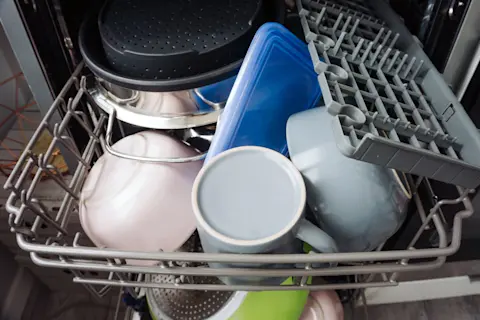
Where you place your plastic containers in the dishwasher makes a big difference. Plastics should go on the top rack because it’s further away from the heating element at the bottom. This reduces the risk of melting or warping due to high heat.
Placing plastics on the bottom rack often exposes them to intense heat, which can cause damage over time. Have you noticed your favorite containers losing shape after a few washes? Moving them to the top rack can extend their life significantly.
Choosing The Right Wash Cycle
Selecting a gentle wash cycle is key for plastics. Avoid high-temperature or heavy-duty cycles that can weaken the material. Instead, opt for settings like “delicate” or “plastic” wash, which use lower heat and less aggressive water pressure.
Think about your dishwasher’s options. Does it have an eco or quick wash cycle? These are often safer for plastics because they clean well without extreme heat. Have you tried switching cycles and noticed a difference in your containers’ durability?

Credit: food52.com
Alternatives To Dishwashing Plastics
Choosing alternatives to washing plastics in the dishwasher helps keep containers safe and clean. Some plastics can warp or release chemicals when heated. Using other methods or materials protects your health and the environment. It also extends the life of your kitchen items.
Hand Washing Tips
Hand washing plastic containers is gentle and effective. Use warm water and mild dish soap for best results. Avoid using very hot water, which can damage plastics.
- Use a soft sponge or cloth to clean inside and outside.
- Pay attention to lids and seals, where dirt hides.
- Rinse thoroughly to remove all soap residue.
- Dry containers with a clean towel or air dry.
Using Plastic Alternatives
Switching to different materials reduces concerns about dishwasher safety. Glass and stainless steel containers are strong and dishwasher safe.
- Glass does not warp or hold odors.
- Stainless steel is durable and easy to clean.
- Silicone containers are flexible and heat resistant.
- These materials often last longer than plastic.
Choosing these options helps avoid damage and keeps your food safe.
Maintaining Plastic Containers
Maintaining plastic containers properly can save you money and reduce waste. These containers often face wear and tear from daily use, especially in dishwashers. Taking a few simple steps can keep your containers looking fresh and functioning well for a long time.
Preventing Stains And Odors
Plastic containers tend to absorb food colors and smells, especially from strong spices or sauces. Rinsing your containers immediately after use helps prevent stains from setting in.
Try wiping containers with a mixture of baking soda and water before washing. This natural scrub removes lingering odors and light stains without harsh chemicals.
Have you noticed how some containers smell even after cleaning? Leaving lids off during drying stops trapped moisture, which often causes bad smells to develop.
Extending Container Lifespan
Heat is the biggest enemy of plastic containers. Placing them on the top rack of your dishwasher reduces exposure to intense heat from the bottom.
Avoid using abrasive scrubbers that can scratch the surface, making containers prone to cracks and stains. Soft sponges or cloths work best.
If you store leftovers frequently, rotate your containers to avoid overusing just a few. This simple habit prevents premature damage and keeps your collection in better shape.
Credit: www.bgr.com
Credit: www.discovermagazine.com
Frequently Asked Questions
Can All Plastic Containers Go In The Dishwasher?
Not all plastics are dishwasher safe. Check the container’s label or bottom for a dishwasher-safe symbol before washing.
Where Should Plastic Containers Be Placed In The Dishwasher?
Place plastic containers on the top rack only. The bottom rack’s heat can warp or melt plastics.
Will Dishwasher Heat Damage Plastic Containers?
High dishwasher heat can warp or degrade some plastics. Use a gentle or low-heat cycle to protect containers.
How To Clean Plastic Containers Without Dishwasher Damage?
Hand wash plastic containers with mild soap and warm water to avoid warping or fading from dishwasher heat.
Conclusion
Plastic containers can often go in the dishwasher safely. Check the container’s label for dishwasher-safe marks. Place plastic items on the top rack to avoid heat damage. Avoid washing thin or old plastics in hot water. Hand washing may be better for delicate plastics.
Taking these steps helps keep your containers clean and lasting longer. Remember, careful washing protects both your containers and dishwasher. Simple care makes a big difference.