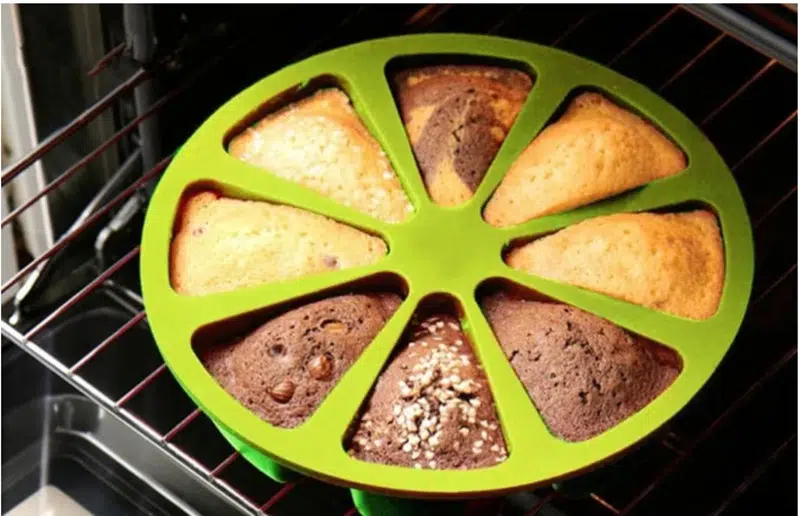
You’ve just finished baking a batch of beautifully shaped cupcakes using your favorite silicone molds. They’re a game-changer in your kitchen, making baking a breeze with their non-stick magic.
But now comes the cleanup, and you find yourself wondering, “Can you put silicone molds in the dishwasher? ” It’s a common question that can leave you scratching your head. After all, you want to keep your molds in top condition without adding extra chores to your to-do list.
Imagine the time you could save if tossing them into the dishwasher was an option. We’ll unravel the mystery for you, ensuring your silicone molds stay in pristine shape and your cleaning routine stays as simple as possible. Keep reading to discover the answer and unlock a stress-free baking experience.
Silicone Molds Basics
Silicone molds are popular tools in kitchens and craft rooms. Their flexibility and durability make them useful for many projects. Understanding the basics of silicone molds helps decide how to care for them properly. This includes knowing their material and common uses.
Material Properties
Silicone molds are made from silicone rubber. This material is soft and flexible. It can handle high and low temperatures without damage. Silicone is also non-stick, which helps release items easily. It resists stains and odors, keeping molds clean after use.
Silicone is safe for food contact. It does not react with ingredients. The material is also durable and long-lasting. It can bend and twist without losing shape. This makes silicone molds easy to store and use repeatedly.
Common Uses
Silicone molds are used in cooking and crafting. They shape chocolates, cakes, and candies. The molds create detailed designs with ease. Bakers use them for cupcakes and muffins too.
In crafts, silicone molds help with resin, soap, and candle making. Their flexibility allows easy removal of hardened items. They come in many shapes and sizes. This variety makes them suitable for many creative projects.

Credit: www.amazon.ca
Dishwasher Safety For Silicone Molds
Silicone molds are popular for baking and crafting due to their flexibility and durability. Many wonder if these molds are safe to clean in the dishwasher. Understanding dishwasher safety helps protect your molds and keeps them in good shape for longer use.
Heat Resistance
Silicone molds can usually handle high temperatures. Most are safe up to 450°F (232°C). Dishwashers use hot water, but not as hot as baking ovens. This means silicone molds can often survive dishwasher cycles without damage.
Check the manufacturer’s instructions for exact temperature limits. Avoid placing molds near heating elements inside the dishwasher. Proper placement helps prevent warping or melting.
Potential Risks
Dishwasher detergents can be harsh. They may cause silicone to lose color or become sticky over time. Strong detergents can also degrade the material’s flexibility.
Repeated dishwasher cycles might wear down the mold’s surface. This can affect how well it releases baked goods. Small crevices may trap food particles if not cleaned properly.
- Risk of warping near heating elements
- Possible color fading after many washes
- Detergent residue buildup inside molds
- Loss of mold’s flexibility and shape
Hand washing with mild soap can extend mold life. Use a soft sponge to avoid scratches. This method keeps molds clean and in good condition longer.
Preparing Molds For Dishwasher
Preparing silicone molds for the dishwasher helps keep them clean and safe. Proper preparation prevents damage and ensures better washing results. Take simple steps before placing molds inside the dishwasher. These steps improve hygiene and protect the silicone’s shape and texture.
Removing Residue
Check molds for leftover food or grease. Use warm water and mild soap to wash away any stuck particles. Avoid harsh scrubbing that can harm the silicone surface. A soft sponge or cloth works best. Make sure no residue remains, as it can block dishwasher jets and reduce cleaning efficiency.
Proper Placement
Place molds on the top rack of the dishwasher. This area has gentler water pressure and heat. Avoid placing molds near sharp utensils or heavy pots. Such items can bend or tear the silicone. Ensure molds lay flat or hang securely to keep their shape during washing.
Alternative Cleaning Methods
Silicone molds are versatile and durable, but sometimes the dishwasher isn’t the best choice for cleaning them. Alternative cleaning methods can help you keep your molds in great shape without risking damage. These techniques are easy to do and often require items you already have at home.
Hand Washing Tips
Hand washing your silicone molds is gentle and effective. Use warm soapy water and a soft sponge to avoid scratching the surface.
Rinse thoroughly to remove all soap residue, which can affect the taste of your next batch. Pay special attention to corners and crevices where food particles might hide.
Dry your molds completely before storing to prevent any mold or mildew buildup. Have you noticed how much better your molds last when you skip the dishwasher?
Using Baking Soda And Vinegar
Baking soda and vinegar make a powerful cleaning duo for silicone molds. Sprinkle baking soda inside the mold, then add a small amount of vinegar to create a fizzing action that lifts away stubborn stains.
Let it sit for 10 to 15 minutes, then scrub gently with a soft brush. This method not only cleans but also deodorizes your molds without harsh chemicals.
After rinsing well, your mold will look fresh and smell clean. Why not try this natural solution next time your mold feels greasy or smells funky?
Maintaining Silicone Mold Longevity
Maintaining the longevity of your silicone molds ensures they stay flexible, non-stick, and safe to use over time. Proper care goes beyond just cleaning; it involves mindful handling and storage. Small habits can make a big difference in keeping your molds in top shape for many uses.
Avoiding Damage
Silicone molds are durable but not indestructible. Avoid using sharp knives or metal utensils that can scratch or tear the surface. Even though silicone is heat resistant, exposing your molds to temperatures beyond their limit can cause warping or brittleness.
Have you ever noticed your mold becoming sticky or losing shape after a dishwasher cycle? High heat and harsh detergents can break down silicone over time. Washing by hand with mild soap and warm water can help preserve its texture and flexibility.
Storage Suggestions
How you store your silicone molds affects their lifespan significantly. Keep them flat or loosely rolled without folding tightly to prevent permanent creases. Avoid stacking heavy objects on top, as this can deform their shape.
Consider storing your molds in a dry, cool place away from direct sunlight, which may degrade the material. Using a dedicated drawer or container can protect them from dust and accidental damage. This simple step helps keep your molds ready for your next baking or crafting session.

Credit: www.amazon.ca
Common Mistakes To Avoid
Cleaning silicone molds in the dishwasher seems like a quick and easy solution, but certain mistakes can ruin your molds or reduce their lifespan. Being cautious about what you use and how you place your molds can save you from unexpected damage. Let’s look at common mistakes to avoid to keep your silicone molds in top shape.
Using Harsh Detergents
Not all dishwashing detergents are safe for silicone. Harsh chemicals or strong bleach-based detergents can break down the silicone material over time, causing it to lose flexibility and develop cracks.
Have you ever noticed your silicone mold becoming sticky or discolored after several washes? That’s often due to aggressive detergents. Stick to mild, fragrance-free detergents to protect your molds.
Excessive Heat Exposure
Silicone is heat resistant, but dishwashers sometimes use very high temperatures, especially during drying cycles. Excessive heat can warp or deform your molds, making them unusable.
Try placing your molds on the top rack away from heating elements. Also, consider skipping the heated drying option to prevent unnecessary heat exposure. Have you checked if your dishwasher’s settings allow for lower temperature washes? It’s worth trying.

Credit: www.amazon.com
Frequently Asked Questions
Can Silicone Molds Go Safely In The Dishwasher?
Yes, most silicone molds are dishwasher safe. Use the top rack to avoid heat damage. This keeps molds clean without warping or degrading.
Will Dishwasher Damage Silicone Baking Molds?
Dishwashers rarely damage silicone molds if placed correctly. Avoid high heat cycles and harsh detergents. Gentle washing extends mold life and maintains shape.
How To Clean Silicone Molds In The Dishwasher?
Place silicone molds on the dishwasher’s top rack. Use mild detergent and a gentle cycle. This method removes residue without harming the mold’s flexibility.
Are All Silicone Molds Dishwasher Friendly?
Not all silicone molds are dishwasher safe. Check manufacturer instructions before washing. Some molds may degrade or warp under dishwasher heat.
Conclusion
Silicone molds can usually go in the dishwasher safely. Check the mold’s label for specific instructions. Place molds on the top rack to avoid heat damage. Avoid strong detergents that might harm the silicone. Hand washing works well for delicate or older molds.
Keeping molds clean helps them last longer and stay flexible. Simple care makes baking easier and more fun. Try both methods and see what suits you best. Clean molds mean better results every time.