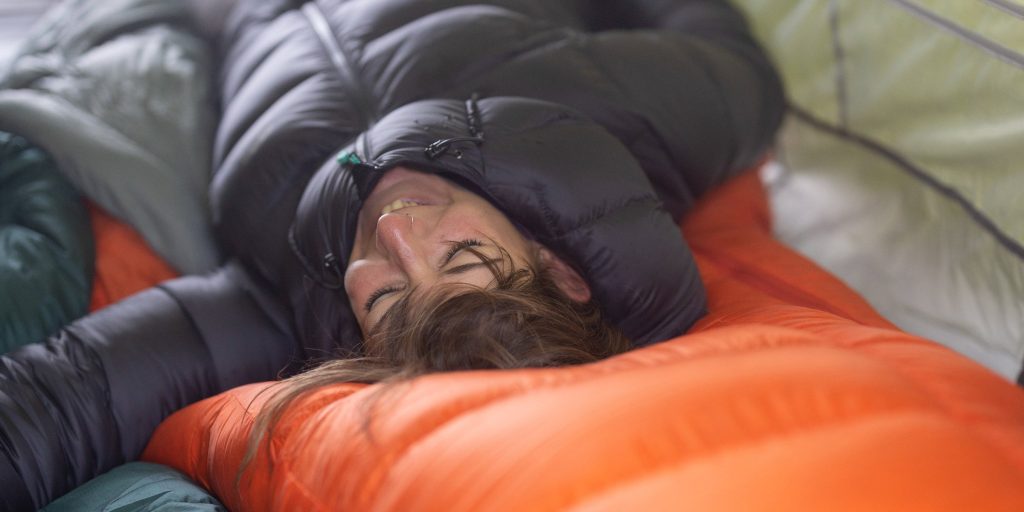
Have you ever wondered if you can put your sleeping bag in the dryer? If you’re like most people, keeping your sleeping bag clean and dry is important.
But drying it the right way can be tricky. Drying your sleeping bag incorrectly might damage it or reduce its warmth. You’ll discover simple tips to dry your sleeping bag safely and effectively. Keep reading to learn how to protect your gear and enjoy your next outdoor adventure comfortably.

Credit: www.amazon.co.uk
Dryer Safety For Sleeping Bags
Drying sleeping bags in a dryer can be tricky. You must know how to keep them safe and clean.
Using the dryer wrongly can damage the sleeping bag or the machine. Follow safety tips to avoid problems.
Check The Care Label
Always read the care label on your sleeping bag. It tells you if you can use a dryer and what settings to use.
Some sleeping bags say “air dry only.” Others list low heat or gentle cycle as safe options.
Materials That Can Handle Heat
Sleeping bags made with synthetic materials often handle dryer heat better. They dry faster and keep their shape well.
Use low or medium heat to avoid melting or damage. Adding dryer balls helps fluff the insulation.
- Polyester shells
- Nylon shells
- Synthetic insulation like polyester fill
Materials To Avoid Drying
Some sleeping bags have materials that heat can harm. Drying these in a machine can shrink or ruin them.
Avoid using the dryer for sleeping bags with down feathers or delicate fabrics unless the label says it is safe.
- Down-filled sleeping bags (unless label allows)
- Silk or delicate cotton shells
- Sleeping bags with waterproof coatings
Preparing Your Sleeping Bag
Taking good care of your sleeping bag keeps it warm and comfy. Drying it properly helps keep its shape and softness.
Before drying, follow some simple steps to prepare your sleeping bag. This makes drying safer and more effective.
Cleaning Before Drying
Clean your sleeping bag before putting it in the dryer. Dirt and oils can damage the fabric and insulation over time.
- Use a gentle wash cycle and mild detergent
- Close all zippers and Velcro straps
- Spot clean stains if needed before washing
- Check the care label for specific instructions
Removing Excess Water
Remove as much water as possible before drying to avoid long drying times and damage.
- Gently squeeze the sleeping bag to release water
- Do not wring or twist the fabric
- Use a washing machine’s spin cycle if safe
- Lay the bag flat on a clean towel to soak up water
Using Dryer Balls Or Tennis Balls
Add dryer balls or clean tennis balls to the dryer. They help keep the insulation fluffy and prevent clumping.
| Type | Benefit |
| Wool dryer balls | Soft, reusable, and reduce drying time |
| Tennis balls | Inexpensive and help break up clumps |
Drying Techniques
Sleeping bags can take a long time to dry because they are thick and hold water. Using a dryer can speed up this process.
It is important to use the right dryer settings to keep your sleeping bag safe and dry it well.
Choosing The Right Dryer Setting
Use a low heat or air fluff setting to dry sleeping bags. High heat can damage the fabric and filling.
Make sure the dryer setting is gentle to protect the insulation and keep the sleeping bag fluffy.
- Low heat or no heat (air fluff) setting
- Gentle or delicate cycle
- Avoid high heat or permanent press
Drying Time Recommendations
Drying a sleeping bag can take several hours in a dryer. Check it often to avoid damage.
It usually takes 2 to 4 hours to dry a sleeping bag completely. Flip or shake it every 30 minutes.
- Dry for 2 to 4 hours
- Check and shake every 30 minutes
- Remove when fully dry inside and out
Avoiding Overdrying
Overdrying can harm the sleeping bag’s material. It makes the filling lose loft and become stiff.
Stop drying as soon as the bag feels dry. Use dryer balls to keep the filling soft and fluffy.
- Do not dry too long
- Use dryer balls to break clumps
- Check dryness regularly
Credit: cascadedesigns.com
Alternative Drying Methods
Drying sleeping bags in the dryer is not always the best choice. It can damage the insulation or fabric. There are safer ways to dry them.
Using alternative drying methods helps keep your sleeping bag in good shape. These methods take more time but protect your gear.
Air Drying Tips
Air drying is gentle and safe for sleeping bags. Lay your bag flat or hang it up in a dry place. Avoid damp or humid areas to stop mold.
Make sure to turn your sleeping bag occasionally. This helps all parts dry evenly. Patience is key as air drying can take longer.
Using A Drying Rack
A drying rack is useful for sleeping bags. It keeps the bag off the floor and allows air to flow all around. This speeds up drying.
- Place the sleeping bag spread out on the rack
- Use a large rack to avoid folding the bag
- Keep the rack in a warm, dry room
- Check the bag daily and adjust its position
Sunlight And Fresh Air Benefits
Sunlight and fresh air help remove moisture and odors. Hang your sleeping bag outside on a dry, sunny day. The sun’s warmth dries it naturally.
Fresh air keeps the sleeping bag smelling clean. Avoid leaving it too long in direct sun to prevent fabric fading or damage.
Common Mistakes To Avoid
Drying sleeping bags in a dryer is common but can cause damage. Many people make mistakes that reduce the bag’s life.
Knowing what to avoid helps keep your sleeping bag warm and comfy for years.
High Heat Damage
Using high heat in the dryer can harm the sleeping bag’s fabric and filling. Heat can melt synthetic fibers or break down down feathers.
Always use low or no heat settings to keep the bag safe and fluffy.
- High heat may cause shrinking
- Fillings can clump or lose loft
- Fabric can weaken or tear
Ignoring Moisture Traps
Sleeping bags hold a lot of moisture after washing. Ignoring this can cause mold or bad smells.
Use dryer balls or clean tennis balls to help dry the bag evenly and prevent moisture traps.
- Moisture can stay inside thick layers
- Dryer balls break up clumps
- Proper drying stops mildew growth
Skipping Regular Maintenance
Not cleaning your dryer or checking the sleeping bag regularly causes problems. Lint buildup reduces dryer efficiency and may damage the bag.
Keep your dryer clean and inspect the sleeping bag often for tears or loose stitches.
- Clean lint trap before every use
- Check sleeping bag for damage
- Repair tears before drying

Credit: www.halfwayanywhere.com
Maintaining Sleeping Bag Loft And Warmth
Keeping your sleeping bag fluffy helps it stay warm. Proper care keeps the insulation working well. Drying and storing the bag the right way is important.
Some habits help keep the sleeping bag soft and cozy. These tips protect the loft and make your bag last longer.
Fluffing After Drying
After drying your sleeping bag, fluff it gently to restore loft. Avoid pressing or squeezing it hard. Fluffing helps the insulation regain its shape.
- Use your hands to shake and pat the bag softly.
- Hang the bag in a dry place to air out.
- Do not store the bag until fully dry and fluffed.
Storage Tips For Longevity
Store your sleeping bag carefully to keep its warmth. Avoid compressing the insulation for long times. Use a large, breathable storage sack or hang it.
| Storage Method | Benefits | Tips |
| Loose Storage Bag | Keeps loft intact | Use cotton or mesh materials |
| Hanging | Prevents compression | Hang in a dry, shaded area |
| Compression Sack (Short-term) | Good for travel | Do not store long-term compressed |
Refreshing Without Washing
Washing often can reduce loft and warmth. Refresh your sleeping bag with simple methods that keep it clean and fluffy.
- Air out your bag after use by opening it fully and leaving it in shade.
- Spot clean stains with a damp cloth and mild soap.
- Use a fabric freshener spray safe for outdoor gear.
- Store in a dry place to avoid mildew and odors.
Frequently Asked Questions
Can You Machine Dry Sleeping Bags?
Yes, you can machine dry sleeping bags, but with caution. Use a low heat setting to prevent damage. High heat can melt synthetic fibers or cause down to clump. Add clean tennis balls to help fluff the sleeping bag. Always check the manufacturer’s care instructions for specific guidance.
How Long To Dry A Sleeping Bag In Dryer?
Drying a sleeping bag in a dryer can take 2 to 4 hours. Use a low heat setting to prevent damage. Periodically check and reposition the sleeping bag for even drying. Adding tennis balls or dryer balls can help maintain loft and speed up the process.
Is It Safe To Dry Sleeping Bags In Dryer?
Drying sleeping bags in a dryer is safe if done correctly. Use a low heat setting to avoid damaging the material. High heat can cause synthetic fibers to melt or down to clump. Always follow the manufacturer’s care instructions for the best results.
Should I Air Dry Sleeping Bags Instead?
Air drying sleeping bags is a safe alternative to using a dryer. It prevents potential heat damage from a dryer. Hang the sleeping bag in a well-ventilated area. Make sure it’s fully dry before storing to prevent mold and odors.
Always follow care instructions for best results.
Conclusion
Drying sleeping bags in the dryer can save time and effort. Use low heat to protect the fabric and insulation. Add clean tennis balls or dryer balls to keep the filling fluffy. Check the care label before drying to avoid damage.
Air drying also works but takes longer. Proper drying keeps your sleeping bag fresh and ready for your next trip. Taking simple steps helps your gear last longer. Keep your sleeping bag clean and dry for better comfort.