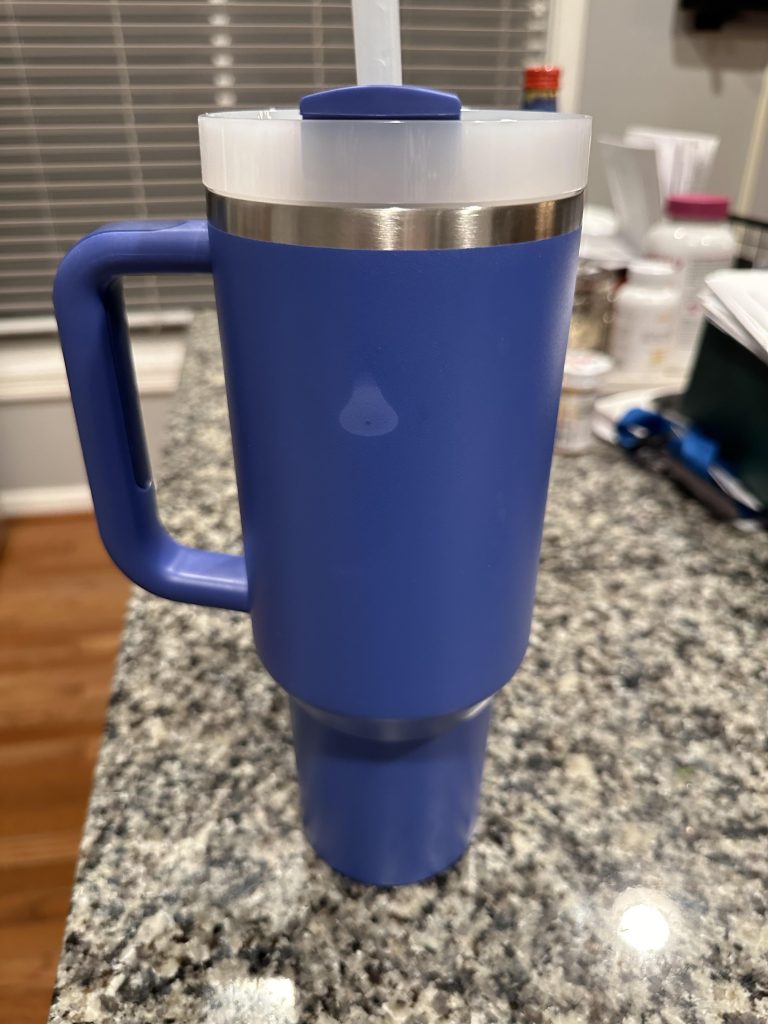
Imagine this: you’ve just finished a long day, and you finally kick back with your favorite drink in your trusty Stanley Cup. It’s your go-to for keeping beverages perfectly hot or refreshingly cold.
But then, the inevitable happens. You wonder, “Can I just toss this in the dishwasher and be done with it? ” Before you make a decision that might impact the longevity of your beloved cup, it’s worth knowing the facts.
We’ll explore whether your Stanley Cup can withstand the dishwasher’s mighty whirl. Stick with us, and you’ll discover the secret to keeping your cup in top shape, maintaining its performance and appearance for the long haul. Let’s dive into this simple yet crucial question that every Stanley Cup owner needs to answer.
Credit: www.olgrove.ie
Stanley Cups And Dishwashers
Stanley cups are popular for their durability and ability to keep drinks hot or cold for hours. Many users wonder if these cups can safely go in the dishwasher. Understanding the material and design of Stanley cups helps answer this question. Manufacturer guidelines also provide clear instructions about dishwasher use. This section will explore these key points.
Material And Design
Stanley cups are usually made of stainless steel. This metal resists rust and holds up well over time. The double-wall vacuum insulation keeps drinks hot or cold longer. Some parts, like lids or seals, use plastic or silicone. These materials can be sensitive to high heat.
Dishwashers use hot water and strong detergents. These can wear down seals and plastic parts. The cup’s finish might also fade or get scratched. Hand washing helps keep the cups looking new and working well.
Manufacturer Recommendations
Stanley advises checking the care instructions for each cup model. Most stainless steel cups are dishwasher safe on the top rack. Lids and seals usually require hand washing to avoid damage.
- Place cups on the top rack only
- Remove lids and wash separately by hand
- Avoid harsh detergents and high heat cycles
- Dry cups completely after washing
Following these tips extends the life of Stanley cups. Ignoring instructions can cause leaks or broken parts. Always read the label or user manual for the best care.
Risks Of Dishwasher Cleaning
Dishwasher cleaning may seem easy, but it carries risks for your Stanley Cup. The high heat and strong detergents inside dishwashers can harm your cup’s quality. Understanding these risks helps keep your cup safe and long-lasting.
Potential Damage
Dishwasher jets can cause dents or scratches on your Stanley Cup. Harsh detergents wear down the surface over time. Small cracks may form, leading to leaks or breakage. Plastic parts may warp or melt under high heat.
Effect On Insulation
Stanley Cups rely on insulation to keep drinks hot or cold. Dishwasher heat and water pressure can weaken this insulation layer. Once damaged, the cup loses its ability to maintain temperature. This reduces the cup’s main benefit and usefulness.
Wear On Exterior Finish
The outer finish of Stanley Cups can fade or peel in the dishwasher. Repeated exposure to detergent and heat dulls the color. Painted or powder-coated surfaces may chip off. This affects the cup’s look and feel.
Safe Cleaning Methods
Keeping your Stanley Cup clean without damaging it requires careful attention to how you wash and dry it. Safe cleaning methods help maintain the cup’s durability and appearance over time. Let’s focus on techniques and products that protect your investment and keep your drinkware fresh.
Hand Washing Techniques
Hand washing is the safest way to clean your Stanley Cup. Use warm water and mild dish soap to avoid harsh chemicals that could wear down the cup’s finish. A soft sponge or cloth works best to gently remove dirt without scratching.
Pay special attention to the lid and seals. These parts trap residue and bacteria, so take them apart if possible and clean thoroughly. Do you ever wonder if skipping this step affects the taste of your drinks? It definitely can.
Best Cleaning Products
Choose gentle cleaning products designed for delicate surfaces. Avoid bleach, abrasive cleaners, or harsh scrubbing pads. These can strip the paint and ruin the vacuum seal.
Consider products with natural ingredients or those labeled as safe for stainless steel. Baking soda mixed with water creates a mild paste that works wonders for removing stubborn stains without damage.
Drying Tips
Dry your Stanley Cup immediately after washing to prevent water spots and rust on metal parts. Use a soft towel to wipe down all surfaces, including the lid and seals.
Let the cup air dry completely with the lid off before storing it. This simple step stops mold and unpleasant odors from developing inside your cup. Have you noticed any strange smells in your cup after storing it wet? That’s a sign to dry it better next time.

Credit: www.reddit.com
Maintaining Cup Performance
Keeping your Stanley Cup in top shape is key to enjoying every sip just as much as the first. Maintaining its performance goes beyond just cleaning; it involves smart habits that protect its look and function over time. Simple steps can make a big difference in how long your cup stays fresh and reliable.
Preventing Odors And Stains
Have you ever noticed a strange smell or discoloration inside your cup? These issues often come from leftover liquids or improper drying. Rinse your Stanley Cup immediately after use to stop odors from setting in.
Using a mixture of baking soda and water can effectively remove stubborn smells and stains. Just let it sit for a few hours before rinsing thoroughly. Avoid harsh chemicals that might damage the cup’s surface or affect its taste.
Regular Maintenance
Cleaning your Stanley Cup regularly keeps it performing well and looking great. Use warm, soapy water and a soft brush to clean hard-to-reach places like the lid and straw. This prevents buildup that could clog or damage parts.
Check the seals and lids often for wear and tear. Replacing these parts when needed helps maintain the cup’s insulation and leak-proof qualities. Ignoring this can reduce its effectiveness and lead to spills.
Storage Suggestions
How you store your Stanley Cup affects its lifespan and cleanliness. Always dry it completely before putting it away to avoid mold and mildew. Storing it with the lid off can help air circulate inside.
Keep your cup in a cool, dry place away from direct sunlight. Excessive heat or moisture can damage the materials and cause odors. A dedicated spot in your kitchen or bag ensures it’s ready for your next adventure.
Troubleshooting Common Issues
Even though Stanley Cups are designed for durability, you might face some common issues after frequent dishwasher cycles. These problems can affect the cup’s appearance, functionality, and insulation. Knowing how to troubleshoot these issues can help you keep your Stanley Cup in top shape for years.
Removing Tough Stains
Stubborn stains can build up, especially if you use your Stanley Cup for coffee or smoothies. Instead of scrubbing aggressively, soak the cup in a mixture of warm water and baking soda for about 30 minutes. This gentle approach helps lift stains without damaging the finish.
If stains persist, try a paste made from baking soda and water, apply it to the stained area, and scrub lightly with a soft brush. Avoid harsh chemicals as they might erode the cup’s coating. Have you noticed that some stains fade after just a few treatments? Patience often wins here.
Fixing Lid Problems
Lids can sometimes get stuck, leak, or lose their seal after dishwasher cycles. Check for trapped debris in the silicone gasket or small crevices, as these can cause leaks. Removing and cleaning the gasket separately with warm soapy water often resolves the issue.
If the lid doesn’t close properly, inspect the locking mechanism for any damage or warping. Replacing worn-out gaskets or lids is a simple fix that can restore your cup’s performance. Did you know that rinsing lids immediately after use can prevent buildup and keep parts functioning smoothly?
Handling Insulation Loss
If your Stanley Cup isn’t keeping drinks hot or cold as long as before, insulation might be compromised. This usually happens from dents, deep scratches, or exposure to extreme heat like in dishwashers. Avoiding dishwasher use is the best prevention, but if damage occurs, check for visible dents or cracks.
Unfortunately, insulation loss is hard to reverse, but small dents can sometimes be smoothed out using gentle tapping with a rubber mallet. Have you ever noticed a drop in temperature retention after a fall? It’s a sign that your cup needs extra care or possible replacement to maintain its function.

Credit: www.reddit.com
Frequently Asked Questions
Can Stanley Cups Be Washed In A Dishwasher?
Yes, most Stanley Cups are dishwasher safe. However, check the manufacturer’s guidelines to avoid damaging seals or paint.
Will Dishwasher Heat Damage Stanley Cups?
High dishwasher heat can degrade insulation and damage finishes. Hand washing is safer to maintain cup longevity.
How To Clean Stanley Cups Without A Dishwasher?
Use warm soapy water and a soft sponge. Avoid abrasive cleaners to protect the cup’s surface and seals.
Are All Stanley Cup Models Dishwasher Safe?
Not all models are dishwasher safe. Always verify your specific Stanley Cup model’s care instructions before use.
Conclusion
Stanley Cups are sturdy but not always dishwasher safe. High heat and strong detergents can damage their finish. Hand washing keeps them looking new longer. Use warm water and gentle soap for cleaning. Dry cups thoroughly to avoid rust or stains.
Taking care of your Stanley Cup helps it last. Simple steps protect your investment and keep drinks tasting fresh. Choose the best cleaning method for your cup’s durability. Safe cleaning means more enjoyment with every use.