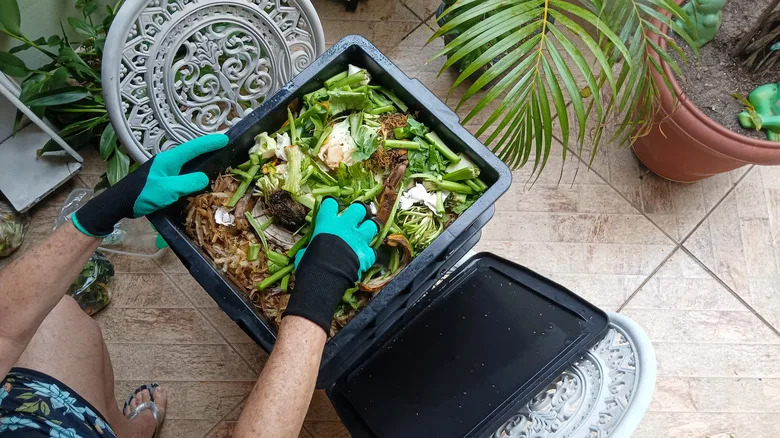
Have you ever wondered if you can toss your used tea bags into your compost bin? It seems like a simple way to reduce waste and boost your garden’s health.
But before you do, there are a few important things you need to know. This article will clear up the confusion and help you make the best choice for your compost and your plants. Keep reading to discover what really happens when tea bags meet your compost bin—and how you can turn your tea habit into garden gold.
Tea Bags And Composting
Many people wonder if tea bags can go in a compost bin. Composting helps turn waste into useful soil. Tea bags seem natural, but not all break down easily.
It is important to know what tea bags are made of. Some materials compost well, while others do not. This guide explains what to look for.
Materials In Tea Bags
Tea bags can be made from paper, silk, plastic, or a mix. The type of material affects if they break down in compost.
Many paper tea bags have a small plastic seal. Some use nylon or polypropylene fibers. These plastics stop full decomposition.
- Paper – common and often compostable
- Silk or cotton – natural fibers, compostable
- Nylon or polypropylene – plastic, not compostable
- Bioplastic – made from plants, may compost
Biodegradable Vs Non-biodegradable
Biodegradable tea bags break down in compost and add nutrients to soil. Non-biodegradable ones leave plastic pieces behind.
Check the tea bag label or brand website to see if they are biodegradable. Avoid bags with plastic to keep compost clean.
- Biodegradable: paper, cotton, silk, some bioplastics
- Non-biodegradable: nylon, polypropylene, plastic blends
- Compost only biodegradable tea bags
- Remove staples or tags before composting

Credit: utopia.org
Benefits Of Composting Tea Bags
Composting tea bags offers many benefits for your garden. It helps enrich the soil and supports plant growth.
Tea bags break down in compost, adding valuable nutrients. Let’s explore how they contribute to soil health.
Nutrient Contribution
Tea bags are rich in nutrients like nitrogen, which helps plants grow. These nutrients boost the compost quality.
| Component | Benefit |
| Nitrogen | Promotes leaf growth |
| Phosphorus | Strengthens roots |
| Potassium | Improves plant health |
Soil Improvement
Composting tea bags improves soil structure. This makes it easier for plant roots to spread and absorb water.
- Enhances soil aeration
- Increases water retention
- Boosts microbial activity
Potential Issues With Tea Bags
Tea bags seem like a simple way to add compost material. Many people wonder if they can put tea bags in compost bins safely. Some tea bags may cause problems in compost.
It is important to know what tea bags are made of. Some parts may not break down easily in compost. This can affect the quality of the compost.
Plastic Content Concerns
Many tea bags contain plastic fibers to keep their shape. These plastics do not decompose in compost. They can stay in soil for years.
Plastic in compost may harm soil health and plants. It can also add microplastics to the environment. Look for tea bags labeled plastic-free or biodegradable.
- Plastic fibers resist breakdown
- Plastics can pollute soil and water
- Microplastics may enter food chains
- Biodegradable bags are safer for compost
Decomposition Time
Tea leaves break down quickly in compost. The bag material takes longer to decompose. Some bags can take months or even years.
Slow decomposition means bags can disrupt composting. They may not fully break down before compost is used. This leaves visible bits in finished compost.
- Tea leaves decompose in weeks
- Paper bags break down in a few months
- Plastic or nylon bags take years
- Check bag materials to estimate breakdown time
Choosing The Right Tea Bags
Not all tea bags are safe for compost bins. Some bags contain plastic or other materials that do not break down easily. Choosing the right tea bags helps keep your compost healthy and clean.
Look for tea bags made from natural fibers. These decompose faster and add nutrients to your compost. Avoid bags with synthetic materials or staples.
Organic And Compostable Options
Tea bags made from organic materials are better for composting. They break down quickly and do not release harmful chemicals. Some common compostable materials include paper, cotton, and cornstarch.
- Unbleached paper tea bags
- Organic cotton tea bags
- Biodegradable cornstarch tea bags
- Loose leaf tea without a bag
Labels To Look For
Check the tea bag packaging for compost-friendly labels. These labels show if the bags are safe for your compost bin. Some common labels include:
| Label | Meaning |
| 100% Compostable | Breaks down fully in compost |
| Biodegradable | Disintegrates naturally over time |
| Plastic-Free | No plastic parts in the bag |
| Organic Certified | Made from organic materials |
How To Compost Tea Bags Effectively
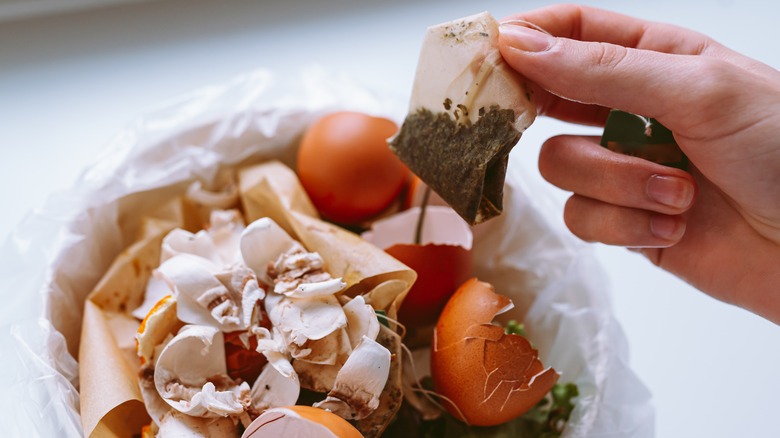
Tea bags can be a great addition to your compost bin. They add nutrients and help improve soil quality. Before adding them, it is important to prepare tea bags correctly.
Composting tea bags also means balancing green and brown materials. This balance helps create the right environment for decomposition.
Preparing Tea Bags For Compost
Not all tea bags break down easily. Some bags have plastic that can harm compost quality. Remove any staples or tags before adding tea bags to compost.
- Check if the tea bag is made from natural fibers like paper or cotton.
- Cut open bags to help the contents break down faster.
- Remove any plastic parts such as staples or tags.
- If unsure, compost only the tea leaves and discard the bag.
Balancing Green And Brown Materials
Tea bags count as green materials because they are moist and rich in nitrogen. To keep your compost healthy, add brown materials for carbon.
| Material Type | Examples | Role in Compost |
|---|---|---|
| Green | Tea bags, fruit scraps, fresh grass clippings | Adds nitrogen for microbes |
| Brown | Dry leaves, straw, paper, small twigs | Provides carbon for energy |
Credit: www.housedigest.com
Eco-friendly Alternatives To Tea Bags
Many tea bags contain plastic, which harms the environment. Choosing eco-friendly options helps reduce waste.
Here are some green choices that let you enjoy tea without adding to landfill problems.
Loose Leaf Tea Benefits
Loose leaf tea is a natural way to enjoy tea while cutting down on packaging waste. It often tastes fresher and has more nutrients.
- Less packaging means less trash
- More flavor because leaves are less crushed
- Better for composting as no plastic is involved
- Can be bought in bulk to reduce packaging
Reusable Tea Infusers
Reusable tea infusers are a smart choice to replace single-use tea bags. They are usually made from metal or silicone.
| Material | Benefits |
| Stainless Steel | Durable and easy to clean |
| Silicone | Flexible and heat resistant |
| Glass | Non-reactive and visually appealing |

Credit: thegardeningcook.com
Frequently Asked Questions
Can You Compost Tea Bags With Plastic Content?
Some tea bags contain plastic and do not compost well. Always check the packaging or use biodegradable tea bags for composting.
Are Tea Bags Good For Composting Organic Waste?
Yes, tea bags are rich in nitrogen and decompose well. They add valuable nutrients to your compost bin.
How To Prepare Tea Bags Before Composting?
Remove any staple or non-compostable parts. Tear the bags open to speed up decomposition in your compost bin.
Can Composting Tea Bags Affect Soil Quality?
Composted tea bags improve soil by adding organic matter and nutrients. Avoid plastic bags to keep soil healthy.
Conclusion
Tea bags can be a good addition to your compost bin. They break down and add nutrients to the soil. Just avoid plastic or non-biodegradable bags. Composting tea bags helps reduce waste and supports garden health. Small steps like this make a big difference.
Try adding used tea bags to your compost today. Your plants will thank you.