Are you wondering if you can toss your wood cutting board into the dishwasher for a quick clean? It sounds convenient, right?
But before you do, it’s important to know what really happens to your board in there. Your cutting board is a kitchen tool you use every day, and how you clean it can affect its life and safety. Keep reading to find out the truth about dishwashers and wood cutting boards—and how to keep yours in the best shape possible.
Risks Of Dishwashing Wood Boards
Wood cutting boards are popular in kitchens for their durability and look. Many people wonder if these boards are safe to clean in the dishwasher.
Using a dishwasher can cause problems that shorten the life of wood boards. Below are some key risks to consider.
Warping And Cracking
Wood boards absorb water during dishwashing. The heat and moisture cause the wood to swell and then shrink as it dries. This can lead to warping and cracks.
- High heat makes wood dry out too fast.
- Water seeps into the wood fibers.
- Wood changes shape and may split.
- Warped boards do not lay flat for cutting.
Loss Of Finish And Seal
Wood boards often have a finish or seal to protect them. Dishwashing can strip away this protective layer, leaving the wood exposed.
| Effect | Result |
| Finish wears off | Board absorbs water easily |
| Seal breaks down | Wood becomes rough and dull |
| Surface damage | More prone to stains and odors |
Bacterial Growth Concerns
Wood can trap food particles in cracks and pores. If the finish is damaged, it is harder to clean the board thoroughly, which may lead to bacteria build-up.
Tips to reduce bacteria risks on wood boards:
- Hand wash with hot soapy water after use.
- Dry immediately with a towel.
- Apply food-safe oil to maintain the seal.
- Replace boards if cracks or deep cuts appear.

Credit: www.amazon.com
Why Wood Boards Need Special Care
Wood cutting boards look great and last long with the right care. They need gentle cleaning to stay strong and safe.
Putting wood boards in the dishwasher can damage them. Understanding why helps you protect your board.
Natural Wood Properties
Wood is a natural material with tiny pores and fibers. These pores absorb water and oils during use.
Wood can shrink, swell, or crack based on moisture changes. This makes it sensitive to harsh cleaning methods.
Effect Of Water And Heat
Dishwashers use hot water and steam that soak wood boards. This causes the wood to swell and warp.
High heat dries the wood too fast, leading to cracks and splits. This shortens the board’s life and usability.
- Water absorption can cause warping
- Heat can dry and crack the wood
- Repeated cycles worsen damage
Safe Cleaning Methods
Wood cutting boards need special care to keep them safe and clean. Putting them in the dishwasher can damage the wood. It is better to use safe cleaning methods.
Proper cleaning helps stop bacteria and keeps the board looking good for a long time. Learn how to clean wood boards the right way.
Hand Washing Techniques
Always wash wood cutting boards by hand. Use warm water and soap to clean the surface. Avoid soaking the board in water for a long time.
Scrub gently with a soft sponge or cloth. Do not use steel wool or rough brushes that can damage the wood.
Proper Drying Tips
After washing, dry the board right away. Use a clean towel to remove moisture. Stand the board up or place it on a rack to air dry completely.
Never leave the board wet or flat on the counter. This can cause warping and cracks in the wood.
Using Mild Cleaners
Use mild dish soap for cleaning. Avoid harsh chemicals or bleach that can harm the wood and leave bad smells.
For extra cleaning, use natural cleaners like white vinegar or baking soda. These are safe and help remove odors.
Credit: www.greenwashingindex.com
Maintaining Wood Boards
Wood cutting boards need care to stay useful and safe. You should keep them clean and protected from damage. Proper maintenance helps the board last longer and avoid cracks or warping.
Many people wonder if wood boards go in the dishwasher. The answer is no. Heat and water can harm the wood. Use other ways to keep your board healthy.
Oiling And Conditioning
Oiling wood boards keeps them from drying out and cracking. It also forms a barrier against water and stains. Use food-safe mineral oil or special board conditioner for best results.
- Apply oil with a clean cloth.
- Rub it evenly over the entire board.
- Let the oil soak in for several hours or overnight.
- Wipe off any extra oil before use.
- Repeat this process once a month or when the board looks dry.
Sanding And Repairs
Sanding fixes scratches and removes rough spots. It also helps get rid of stains and bacteria trapped in the wood. Use fine-grit sandpaper and sand along the grain for best results.
| Task | Details |
| Clean Board | Wash with warm, soapy water and dry fully |
| Sand Surface | Use 120-220 grit sandpaper, sand with the grain |
| Remove Dust | Wipe board with a damp cloth |
| Oil Board | Apply mineral oil or conditioner evenly |
| Dry Time | Let oil soak for 8-12 hours before use |
Alternatives To Wood For Dishwashers
Wood cutting boards should not go in the dishwasher. Water and heat can damage them. There are good alternatives that work well in dishwashers.
These options can handle dishwasher cleaning without warping or cracking. They keep your kitchen safe and clean.
Plastic Cutting Boards
Plastic boards are a popular choice. They resist water and heat from dishwashers. They are easy to clean and sanitize.
- Lightweight and easy to handle
- Often dishwasher safe
- Come in many colors to avoid cross-contamination
- May show knife marks over time
- Generally less expensive than wood
Bamboo And Composite Options
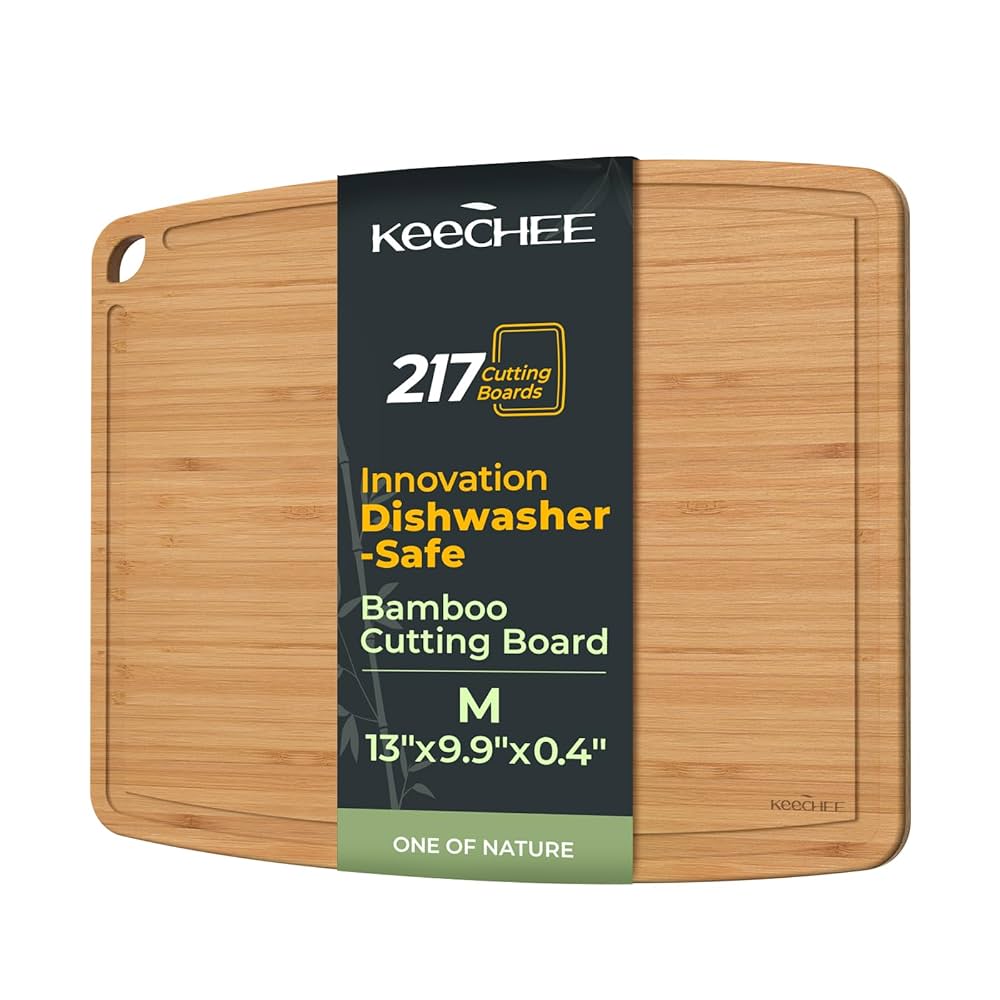
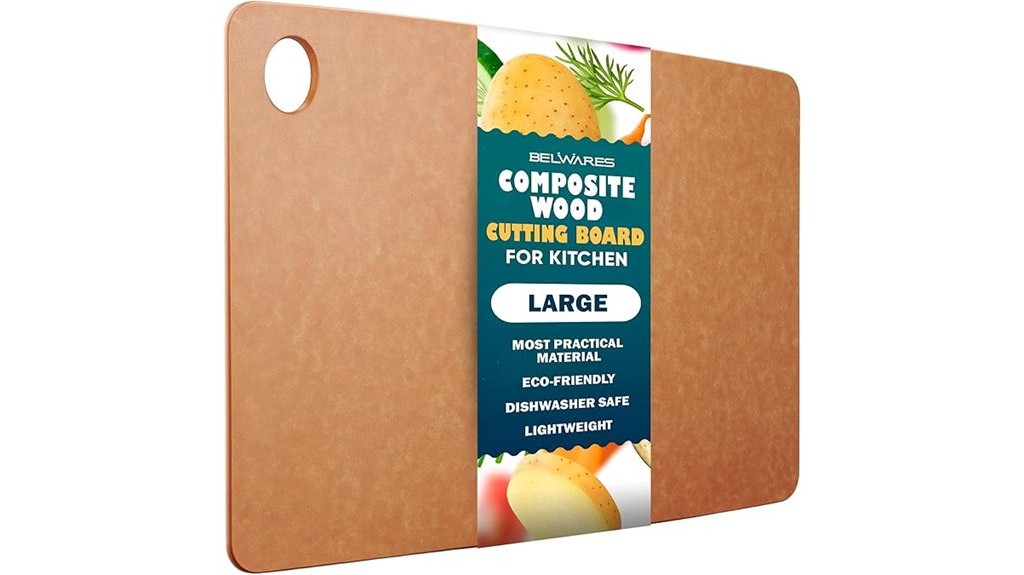
Bamboo boards are harder and less porous than wood. Composites mix wood fibers with resin for strength. Some types can go in the dishwasher.
| Type | Dishwasher Safe | Durability | Care Tips |
|---|---|---|---|
| Bamboo | Usually no | Hard and strong | Hand wash and dry quickly |
| Composite | Yes, some types | Very durable | Check manufacturer instructions |
Expert Opinions And Studies
Wood cutting boards are popular in many kitchens. People often wonder if they can safely clean these boards in a dishwasher.
Experts and studies provide clear advice on this topic. Knowing their opinions helps keep cutting boards safe and long-lasting.
What Food Safety Experts Say
Food safety experts warn against putting wood cutting boards in the dishwasher. The heat and water can damage the wood.
Damaged wood may crack and hold bacteria inside. Experts suggest washing wood boards by hand with soap and water.
- Dishwasher heat can warp and crack wood
- Prolonged water exposure causes swelling
- Hand washing reduces bacteria risk
Findings From Scientific Studies
Scientific studies have tested how wood boards react to dishwasher cleaning. They found the wood loses oils and cracks faster.
These changes make the board less safe and less durable. The studies recommend gentle cleaning methods for wood boards.
- Dishwasher cycles dry out wood fibers
- Cracks increase bacteria growth areas
- Oiling boards helps maintain strength
Professional Chef Recommendations
Many professional chefs avoid dishwashers for wood cutting boards. They clean boards by hand and treat them with mineral oil.
Chefs say this care keeps boards smooth and safe for food. They also dry boards quickly to prevent water damage.
- Use mild soap and warm water
- Dry boards immediately after washing
- Apply food-safe oil regularly

Credit: www.amazon.com
Frequently Asked Questions
Is It Safe To Wash Wood Boards In A Dishwasher?
No, it’s not safe to wash wood cutting boards in a dishwasher. The intense heat and moisture can warp or crack the wood. This process can also strip the natural oils, making the board less durable. It’s better to hand wash with mild soap and warm water.
Why Do Wood Boards Crack In Dishwashers?
Wood cutting boards crack in dishwashers due to excessive heat and moisture. These conditions cause the wood to expand and contract, leading to warping and cracks. Over time, repeated exposure can permanently damage the board. Hand washing helps maintain the board’s integrity.
Can Dishwasher Detergent Harm Wood Boards?
Yes, dishwasher detergent can harm wood cutting boards. The harsh chemicals can strip away natural oils from the wood. This results in a dry, brittle surface prone to cracks. Hand washing with mild soap preserves the board’s natural oils and extends its lifespan.
How Should You Clean Wood Cutting Boards?
To clean wood cutting boards, use mild soap and warm water. Gently scrub the board with a soft sponge. Rinse thoroughly and dry immediately with a clean towel. To prevent warping, avoid soaking the board in water. Apply mineral oil regularly to maintain its condition.
Conclusion
Wood cutting boards do not belong in dishwashers. The heat and water can cause them to crack and warp. Hand washing with mild soap and warm water keeps them safe. Dry them quickly to stop bacteria growth. Regular oiling helps maintain their surface and lifespan.
Taking these simple steps protects your boards well. Care equals longer use and better kitchen safety. Choose gentle cleaning for wood cutting boards every time.