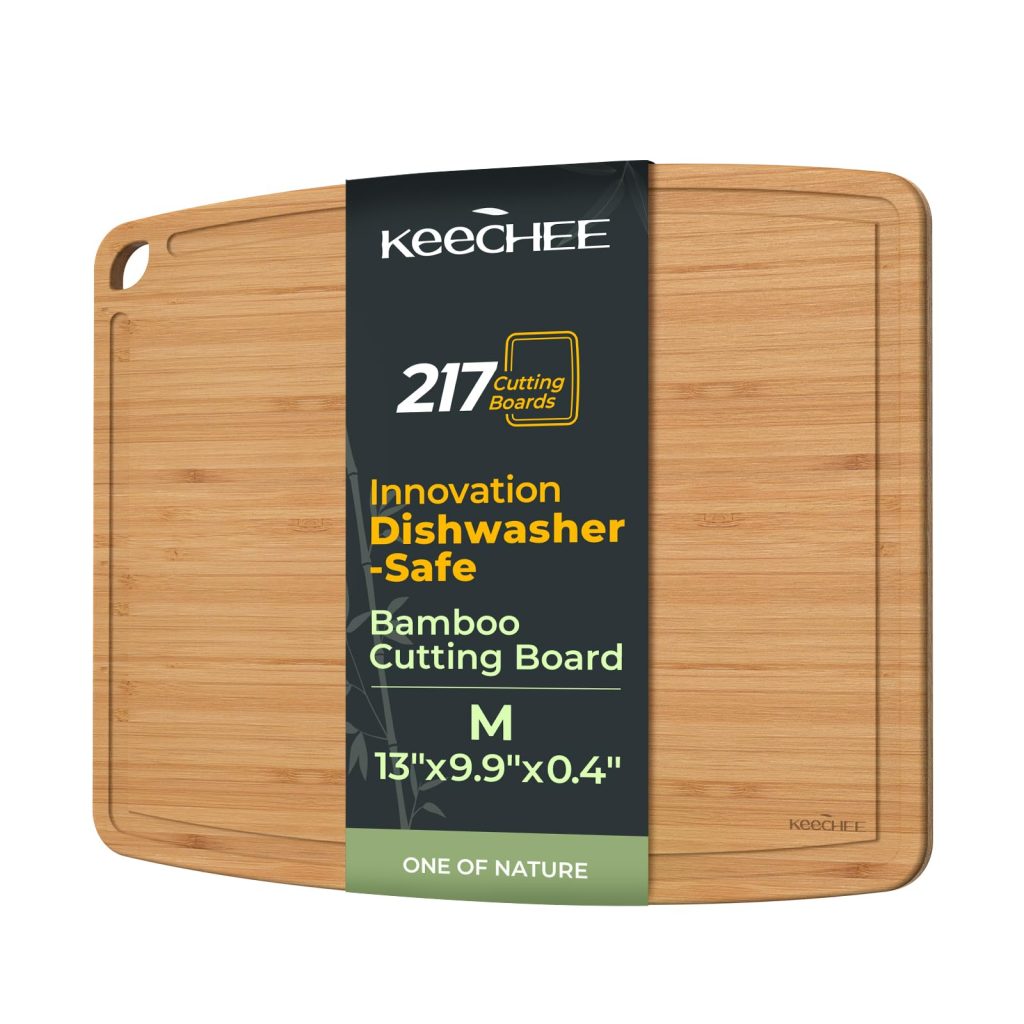
Have you ever wondered if your wooden cutting board can safely go in the dishwasher? You might think it’s an easy way to clean up quickly, but the answer isn’t as simple as it seems.
Your cutting board is a kitchen essential, and how you care for it can make a big difference in its lifespan and hygiene. Keep reading to discover why putting wooden cutting boards in the dishwasher could cause more harm than good—and learn the best ways to keep yours clean and lasting longer.
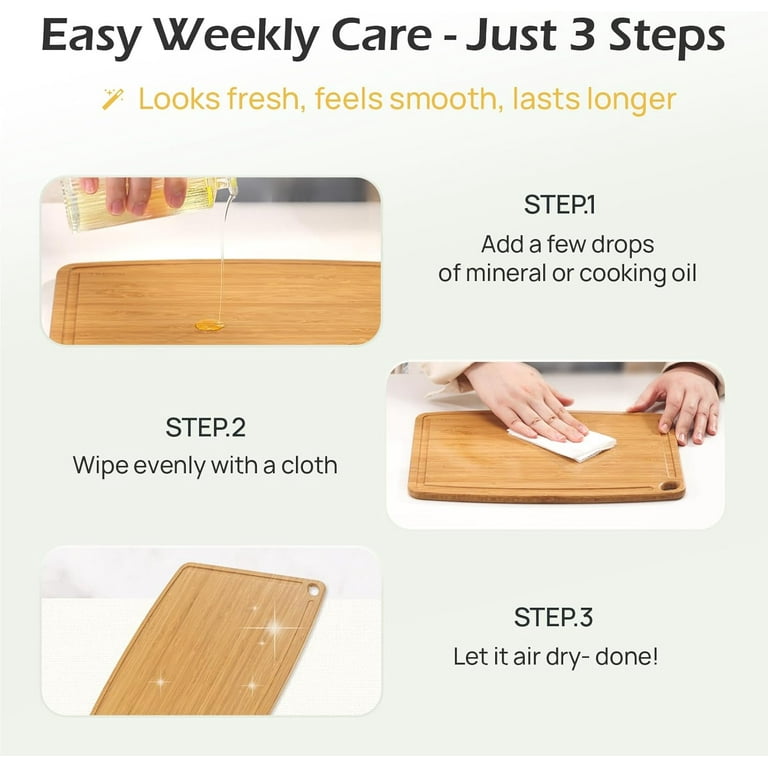
Credit: www.walmart.com
Wooden Cutting Boards And Water Exposure
Wooden cutting boards are popular in kitchens for their look and feel. They need special care to last long.
Water exposure can harm wooden boards. Knowing how water affects wood helps keep boards safe.
Effects Of Prolonged Moisture
Wood absorbs water, which can cause damage over time. Constant moisture weakens the wood fibers.
- Wood swells and becomes soft
- Surface may feel rough or splintered
- Water can cause stains and odors
- Bacteria grow in damp areas
Wood Warping And Cracking Risks
Wood changes size with water changes. This leads to warping or cracks in the board.
| Cause | Effect |
| Excess water | Board bends out of shape |
| Drying too fast | Wood cracks or splits |
| Uneven moisture | Warping on one side |
How Dishwashers Work
Dishwashers clean dishes using hot water and soap. They spray water at high pressure to remove food and dirt.
They also use strong detergents to help break down grease and stains. The heat dries the dishes at the end.
High Heat
Dishwashers use very hot water, often over 140°F (60°C). This heat helps kill germs and clean well.
Wood cutting boards can dry out and crack from this heat. The wood loses moisture and becomes weak.
Strong Detergents
Dishwasher detergents have strong chemicals to remove tough stains and grease. These chemicals can be harsh on wood.
The detergents may strip natural oils from the wood. This makes wooden boards dry and rough over time.
Impact On Wood Materials
Wood is a natural material that absorbs water and oils. Dishwasher use can cause damage to its surface.
- Wood can warp or crack from heat and water exposure.
- Strong detergents remove protective oils in wood.
- Repeated dishwasher cycles shorten the board’s life.
- Wood boards lose their smooth texture and become rough.
Potential Damage From Dishwashing
Wooden cutting boards look great and work well in kitchens. But putting them in the dishwasher can cause problems. The heat and water can harm the wood over time.
Understanding the types of damage helps you take better care of your wooden boards. Two main issues are loss of natural oils and surface splitting.
Loss Of Natural Oils
Wood has natural oils that keep it strong and water-resistant. The dishwasher’s hot water and soap wash away these oils. Without the oils, wood dries out and becomes weak.
- Wood loses its shine and smooth feel.
- The board may crack or warp more easily.
- Food stains and smells stick more to the dry wood.
Surface Splitting And Roughness
Dishwasher heat can cause the wood to split or crack. Water trapped inside the wood can swell and then shrink as it dries. This process roughens the surface.
| Effect | Description |
| Splitting | Small cracks appear on the board’s surface. |
| Roughness | The surface feels uneven and hard to clean. |
| Warping | The board bends or twists out of shape. |
Safe Cleaning Alternatives
Wooden cutting boards need special care to last long. Dishwashers can damage wood. Using safe cleaning methods keeps them clean and strong.
Simple hand washing and drying prevent cracks and warping. These steps help keep your board safe and hygienic.
Hand Washing Techniques
Wash wooden boards soon after use. Use warm water and mild soap. Avoid soaking the board for a long time. Scrub gently with a sponge or brush to remove food particles.
- Use warm water, not hot
- Apply mild dish soap
- Scrub with a soft sponge
- Rinse thoroughly
- Do not soak for over 5 minutes
Proper Drying Methods
Drying wooden boards properly stops mold and cracking. Use clean towels to remove water right after washing. Let the board air dry standing up or on a rack.
| Drying Method | Benefits |
| Wiping with a clean towel | Removes surface moisture quickly |
| Standing upright | Allows air to circulate on all sides |
| Air drying on a rack | Prevents water from pooling |
Maintaining Wooden Cutting Boards
Wooden cutting boards need care to last long and stay safe. Proper maintenance stops cracks and bacteria buildup. Simple steps keep your board in good shape.
Cleaning and treating wooden boards is different from plastic ones. Avoid using the dishwasher to protect the wood. Learn how to oil and sanitize your board carefully.
Regular Oiling Tips
Oiling wooden boards prevents drying and cracking. Use food-safe mineral oil for the best results. Oil your board regularly to keep it smooth and water-resistant.
- Clean the board well and dry it before oiling.
- Apply a generous amount of mineral oil with a clean cloth.
- Let the oil soak in for a few hours or overnight.
- Wipe off any extra oil before using the board again.
- Repeat oiling once a month or when the board looks dry.
Sanitizing Without Damage
Sanitize your wooden cutting board carefully to avoid damage. Avoid harsh chemicals and the dishwasher. Use gentle methods to kill germs and keep the wood safe.
| Sanitizing Method | How to Use | Notes |
| Vinegar Spray | Spray white vinegar, let sit 5 minutes, then rinse | Safe and natural |
| Lemon and Salt | Rub half lemon with salt on board, rinse with warm water | Removes stains and kills bacteria |
| Hydrogen Peroxide | Apply 3% solution, let sit 10 minutes, rinse well | Effective but use sparingly |
| Hot Soapy Water | Wash with mild soap and water, dry immediately | Do not soak board |
When Dishwasher Use Might Be Acceptable
Wooden cutting boards usually do not do well in dishwashers. The heat and water can cause them to crack or warp. Still, some boards can handle dishwasher cleaning under certain conditions.
Knowing the type of wood and how the board is finished helps decide if dishwasher use is safe. Also, the size and treatment of the board matter.
Types Of Wood And Finishes
Hardwoods like maple and teak are stronger and more water-resistant than softwoods. Some finishes protect wood from water damage better than others.
- Maple and Teak:These woods can sometimes withstand the dishwasher’s heat.
- Oil Finish:Boards treated with food-safe oils resist water better but may still crack over time.
- Polyurethane Finish:This finish forms a protective barrier and can make boards dishwasher-safe.
Still, repeated dishwasher use may wear down finishes and damage the wood.
Small Or Treated Boards
Small wooden boards or those with special treatments handle dishwashers better. Their size and treatment reduce water absorption and warping risk.
| Board Type | Dishwasher Use | Notes |
| Small Hardwoods | Sometimes Acceptable | Less water damage due to size |
| Boards with Plastic Coating | Usually Safe | Plastic protects wood from water |
| Large Untreated Boards | Not Recommended | High risk of cracking and warping |
Signs Your Board Is Damaged
Wooden cutting boards can get damaged over time. It is important to check your board often.
Damaged boards can hide bacteria and cause health risks. Look for signs to know when to replace it.
Visible Cracks And Splits
Cracks and splits can appear on wooden cutting boards from water and knife cuts. These breaks let germs grow inside.
Small cracks can get worse with use. Deep splits may make the board unsafe and hard to clean.
- Look for any lines or openings on the surface
- Check if cracks go deep into the wood
- Avoid using boards with big splits
Persistent Odors And Stains
Wood can absorb smells and stains from food. If odors stay after washing, the board may be damaged.
Stains that won’t come off can hide bacteria. Persistent smells mean the wood has soaked in liquids deeply.
- Check for dark or discolored spots
- Notice if smells remain after cleaning
- Replace the board if odors or stains stay

Credit: www.amazon.com

Credit: www.amazon.com
Frequently Asked Questions
Can Wooden Cutting Boards Go In The Dishwasher?
No, wooden cutting boards should not be put in the dishwasher. The high heat and moisture can cause the wood to warp or crack. Hand wash them with mild soap and water instead. This will help maintain their longevity and keep them in good condition.
Why Are Dishwashers Bad For Wooden Cutting Boards?
Dishwashers expose wooden cutting boards to excessive heat and water. This can lead to warping, cracking, and splitting. The harsh detergent can also strip away the natural oils of the wood. To preserve your cutting board, hand wash it with soap and warm water.
How Do You Clean Wooden Cutting Boards?
Clean wooden cutting boards by hand with mild soap and warm water. Avoid soaking them in water to prevent damage. Dry them immediately with a clean towel. Occasionally, apply food-grade mineral oil to maintain their condition and prevent drying out.
What Happens If Wood Goes In Dishwasher?
If wood goes in the dishwasher, it may warp, crack, or split due to heat and moisture. The dishwasher’s harsh detergent can also damage the wood’s surface. It’s best to hand wash wooden items to preserve their integrity and appearance.
Conclusion
Wooden cutting boards do not belong in the dishwasher. The heat and water can cause them to crack and warp. Clean them by hand with mild soap and warm water. Dry them quickly to keep them in good shape. Regular oiling helps wood stay strong and lasts longer.
Taking care this way keeps your board safe and useful. Avoid dishwasher damage to enjoy your wooden board for years. Simple steps protect your kitchen tools and food safety.