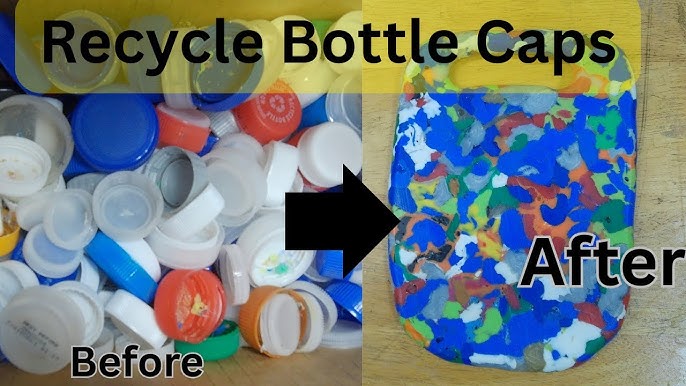
Have you ever wondered what happens to your old plastic cutting boards? You might be tossing them in the trash without realizing they could be recycled—or maybe you’re unsure if they even can be.
Your kitchen tools take a beating, and when it’s time to replace them, knowing how to dispose of them properly matters. Keep reading to discover whether you can recycle plastic cutting boards, why it’s important for you and the planet, and simple steps you can take to make a difference starting today.
Don’t let your cutting boards end up as waste—find out how to give them a new life!
Types Of Plastic Cutting Boards
Plastic cutting boards come in different types. Each type uses different materials. Knowing the material helps decide if you can recycle it.
Some plastics are easier to recycle than others. This depends on the kind of plastic used in the cutting board.
Common Materials Used
Plastic cutting boards are made from various plastics. The most common are polyethylene and polypropylene. These plastics are tough and safe for food use.
Other cutting boards may use acrylic or nylon. Each material has different strength and heat resistance. They also affect recycling options.
- High-Density Polyethylene (HDPE)
- Low-Density Polyethylene (LDPE)
- Polypropylene (PP)
- Acrylic
- Nylon
Identifying Recyclable Plastics
Look for recycling symbols on the cutting board. These symbols show the type of plastic. Some plastics can be recycled at local centers.
Plastics labeled with recycling codes 2 (HDPE) and 5 (PP) are usually accepted. Others might not be recyclable through regular programs.
- Check for number inside the recycling triangle
- HDPE (2) and PP (5) are commonly recyclable
- Acrylic and Nylon often cannot be recycled curbside
- Clean the board before recycling
Credit: www.lemon8-app.com
Recycling Challenges For Cutting Boards
Plastic cutting boards pose special challenges for recycling centers. Their size and use cause problems that other plastics do not have.
Understanding these challenges helps us handle cutting boards better to reduce waste.
Contamination Issues
Cutting boards often carry food residues and bacteria. This contamination makes recycling difficult and unsafe.
- Food stains can spoil recycling batches.
- Grease and oils are hard to remove from plastic surfaces.
- Bacteria risk spreading if boards are not cleaned properly.
- Recycling facilities may reject dirty plastics.
Material Blends And Their Impact
Many cutting boards mix different plastics and additives. These blends reduce recycling quality and value.
| Material Type | Recycling Impact |
| Single-type plastic | Easier to recycle and reuse |
| Mixed plastics | Hard to separate and recycle |
| Added fillers or colorants | Lower quality recycled material |
| Composite layers | Often non-recyclable by standard processes |
How To Prepare Cutting Boards For Recycling
Recycling plastic cutting boards helps reduce waste and protect the environment. Before recycling, you must prepare them properly. Cleaning and removing extra parts is important.
This guide will explain how to clean your cutting boards and take off any non-plastic components. Proper preparation makes recycling easier and more effective.
Cleaning Tips
Start by washing your cutting board well. Use warm water and soap to remove food residue and oils. Scrub both sides thoroughly to clean all surfaces.
- Rinse the board with warm water to remove loose dirt.
- Apply dish soap and scrub with a sponge or brush.
- Pay extra attention to grooves and cuts where food can hide.
- Rinse off all soap and let the board dry completely.
Removing Non-plastic Components
Some cutting boards have parts made of wood, metal, or rubber. These must be removed before recycling. Separate each material to avoid contamination.
| Component | Removal Method |
|---|---|
| Wooden handles | Use a screwdriver or pliers to detach handles carefully. |
| Metal screws or nails | Unscrew or pull out with pliers. |
| Rubber feet or grips | Peel off by hand or use a knife to lift edges. |
Credit: www.lemon8-app.com
Local Recycling Options
Plastic cutting boards can be hard to recycle at home. Local recycling options may accept them. It depends on your area.
Knowing where to take your plastic cutting boards helps keep waste out of landfills. Check what your community offers.
Checking Municipal Guidelines
Your city or town may have rules about recycling plastic cutting boards. Many places do not accept them in curbside bins.
Look for recycling guides on your local government website. They often list accepted plastics and drop-off spots.
- Search for plastic type codes on the board
- Find your city’s recycling program details
- Follow instructions for bulky plastic items
Specialized Recycling Centers
Some centers accept plastic cutting boards that curbside programs reject. These places handle hard-to-recycle plastics.
Call or visit specialized recycling centers to confirm if they take cutting boards. Some may recycle or repurpose them.
- Plastic product recycling facilities
- Household hazardous waste centers
- Scrap plastic collectors
Alternative Ways To Reuse Cutting Boards
Plastic cutting boards may not always be accepted by recycling programs. Instead of throwing them away, you can find other uses for them. Reusing cutting boards helps reduce waste and saves money.
This article explores creative ways to give your old cutting boards a new life. You can upcycle, donate, or repurpose them for different tasks.
Upcycling Ideas
Old plastic cutting boards can be transformed into useful items. Sand them down to make smooth surfaces for crafts or household use. Paint or decorate them to create custom signs or wall art.
You can also cut them into smaller pieces to make coasters, plant markers, or drawer organizers. These projects are simple and fun to do at home.
- Sand and paint for decorative signs
- Cut into coasters or plant markers
- Create drawer or desk organizers
- Use as a base for small craft projects
Donating And Repurposing
You can donate cutting boards if they are still in good shape. Community centers, schools, or animal shelters might accept them for activities or feeding areas.
If donation is not possible, repurpose the boards in your home. Use them as work surfaces for messy projects like painting or gardening. They also make good trays for holding tools or hardware.
- Donate to schools or shelters for craft or feeding use
- Use as a surface for painting or gardening
- Turn into trays for tools or small items
Credit: www.lemon8-app.com
Expert Advice On Sustainable Choices
Plastic cutting boards are common in many kitchens. Knowing how to recycle and care for them helps reduce waste. This guide shares tips on making eco-friendly choices.
Choosing the right materials and maintaining your boards properly can extend their life and keep them out of landfills longer.
Choosing Eco-friendly Materials
Select cutting boards made from recycled plastic or sustainable materials. These options lessen environmental impact and support recycling programs.
- Look for boards labeled as recyclable or made from recycled content
- Consider bamboo or wood boards, which are biodegradable
- Avoid boards with mixed materials that are hard to recycle
- Choose durable boards to reduce frequent replacements
Maintaining Boards For Longevity
Proper care helps your cutting boards last longer and stay safe to use. Clean and store them correctly to avoid damage.
| Maintenance Tip | Reason |
| Wash with warm soapy water | Removes bacteria and food particles |
| Dry immediately after washing | Prevents warping and mold growth |
| Use separate boards for meat and vegetables | Reduces cross-contamination |
| Avoid harsh scrubbing or knives that damage surface | Prevents deep cuts where bacteria can hide |
| Replace boards once deep grooves appear | Ensures hygiene and safety |
Frequently Asked Questions
Can You Recycle Plastic Cutting Boards?
Yes, plastic cutting boards can be recycled. However, it depends on the type of plastic. Check the recycling symbol on the board. Contact your local recycling center for specific guidelines. Some centers accept them, while others don’t. If not recyclable, consider reusing or repurposing the board at home.
What Type Of Plastic Are Cutting Boards?
Cutting boards are typically made from HDPE or polypropylene plastic. These plastics are durable and resist wear. HDPE is commonly used for kitchen items. It’s important to check recycling codes. Not all types of plastic are accepted in recycling programs.
Confirm with your local recycling facility for more details.
Where To Recycle Plastic Cutting Boards?
You can recycle at local recycling centers accepting plastics. Check for community recycling programs or special drop-off events. Some stores offer recycling services for kitchen items. Always verify the type of plastic before recycling. If recycling isn’t possible, consider donating or upcycling.
How To Dispose Of Old Cutting Boards?
If recycling isn’t an option, consider donation or repurposing. Use them as garden markers or craft materials. Some areas offer special waste collection services. Check local guidelines for plastic disposal. Avoid throwing them in regular trash if possible, as they may contribute to landfill waste.
Conclusion
Plastic cutting boards often cannot go in regular recycling bins. Most recycling centers do not accept them due to material types. Consider donating or repurposing old boards instead. Always check local recycling rules before discarding. Proper disposal helps reduce plastic waste in landfills.
Small actions can make a big difference for the environment. Keep your kitchen eco-friendly and waste-free. Recycling plastic cutting boards takes care and attention. Choose sustainable habits for a cleaner planet.