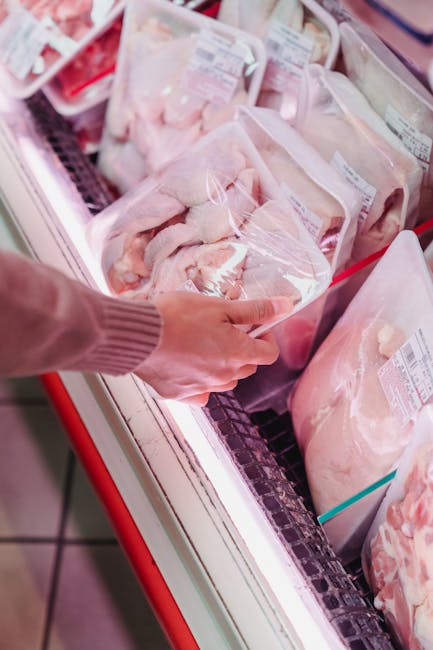
Have you ever wondered if you can refrigerate chicken after defrosting it? You’re not alone.
Handling thawed chicken the right way is crucial for your safety and the taste of your meal. If you’ve ever hesitated or felt unsure about what to do next, this article is made just for you. Keep reading to discover simple, clear answers that will help you keep your chicken fresh and your kitchen safe.

Credit: www.delish.com
Safe Defrosting Methods
Defrosting chicken safely is crucial to avoid foodborne illness. Proper thawing stops bacteria growth and keeps chicken fresh. Using the right method ensures the meat stays safe to eat. Here are three safe ways to defrost chicken at home.
Refrigerator Thawing
Place frozen chicken on a plate or tray in the fridge. Keep it at 40°F (4°C) or below. This method takes time but is the safest. Small pieces thaw overnight, while whole birds may take a day or more. After thawing, cook the chicken within 1 to 2 days.
Cold Water Thawing
Seal chicken in a leak-proof plastic bag. Submerge it in cold tap water. Change the water every 30 minutes to keep it cold. This method is faster than refrigerator thawing. Cook the chicken immediately after thawing to avoid bacteria growth.
Microwave Thawing
Use the defrost setting on your microwave. Check the chicken often to avoid cooking edges. Rotate or flip the meat for even thawing. Cook the chicken right away after microwaving. This method is quick but may partially cook the meat.
Timing For Refrigerating Defrosted Chicken
Timing is crucial when refrigerating defrosted chicken. Proper timing keeps the chicken safe to eat and prevents illness. Chicken should not stay too long in the fridge after thawing. Understanding the right timing helps you plan meals and reduce food waste.
How Long To Keep In Fridge
Defrosted chicken stays safe in the fridge for 1 to 2 days. Keep the fridge temperature at or below 40°F (4°C). Store chicken in a clean, sealed container to avoid contamination. Cook chicken within this time to ensure safety and quality.
Signs Of Spoilage
Check chicken carefully before cooking. Spoiled chicken often has a sour or unpleasant smell. The texture may feel slimy or sticky to touch. Look for color changes, such as gray or green patches. If any signs appear, discard the chicken immediately.
Storing Defrosted Chicken Properly
Storing defrosted chicken properly is key to keeping it safe and tasty. Once chicken has thawed, it becomes more vulnerable to bacteria, so how you store it matters a lot. Simple steps can make a big difference in extending freshness and preventing foodborne illness.
Use Airtight Containers
After defrosting, place your chicken in airtight containers or resealable plastic bags. This prevents exposure to air, which can dry out the meat and encourage bacterial growth. I once left defrosted chicken uncovered in the fridge, and it quickly developed an off smell—airtight storage solves this problem.
Make sure containers are clean and dry before use. Label them with the date you defrosted the chicken so you can track how long it’s been stored. This small habit helps you avoid keeping chicken too long, which is risky.
Keep Temperature Consistent
Maintaining a steady fridge temperature around 40°F (4°C) or below is crucial. Fluctuations give bacteria a chance to multiply faster. Think about how often you open your fridge—minimize this to keep the temperature stable.
If your fridge is too cold, the chicken might freeze again, which can affect texture and taste. Too warm, and the risk of spoilage rises. Using a fridge thermometer can help you monitor and adjust the temperature precisely.

Credit: www.101cookingfortwo.com
Risks Of Improper Storage
Improper storage of chicken after defrosting can lead to serious health risks. The main concern is that bacteria can multiply rapidly if the chicken is not handled correctly. Understanding these risks helps you make safer choices in your kitchen and protect your health.
Bacterial Growth
Bacteria such as Salmonella and Campylobacter thrive on chicken that isn’t stored at the right temperature. Once defrosted, chicken should be refrigerated immediately to slow bacterial growth.
If you leave defrosted chicken out at room temperature for too long, bacteria can multiply to dangerous levels quickly. Even a short delay can make a big difference.
Have you ever left chicken out while prepping other ingredients? That small gap could be enough for bacteria to spread.
Foodborne Illness
Eating chicken that has been improperly stored after defrosting increases your risk of food poisoning. Symptoms can range from mild stomach upset to severe illness requiring medical attention.
Foodborne illnesses often start with nausea, vomiting, and diarrhea. These symptoms can be especially dangerous for children, elderly people, and those with weakened immune systems.
Don’t risk your health by ignoring storage guidelines. Are you confident your chicken is stored safely every time?
Best Practices For Cooking Defrosted Chicken
Cooking defrosted chicken safely ensures delicious meals and prevents foodborne illnesses. Proper handling and cooking preserve texture and flavor. Follow key steps to protect your health and enjoy your food.
Cooking Temperatures
Cook chicken to a safe internal temperature to kill harmful bacteria. Use a meat thermometer for accuracy. The USDA recommends cooking chicken to 165°F (74°C). Check the thickest part of the meat. Avoid guessing to prevent undercooking. Proper temperature ensures juicy and safe chicken.
Handling Leftovers
Store leftover chicken quickly to avoid bacteria growth. Place leftovers in shallow containers to cool faster. Refrigerate within two hours after cooking. Consume leftovers within three to four days. Reheat thoroughly to 165°F (74°C) before eating. Avoid reheating multiple times to keep food safe.
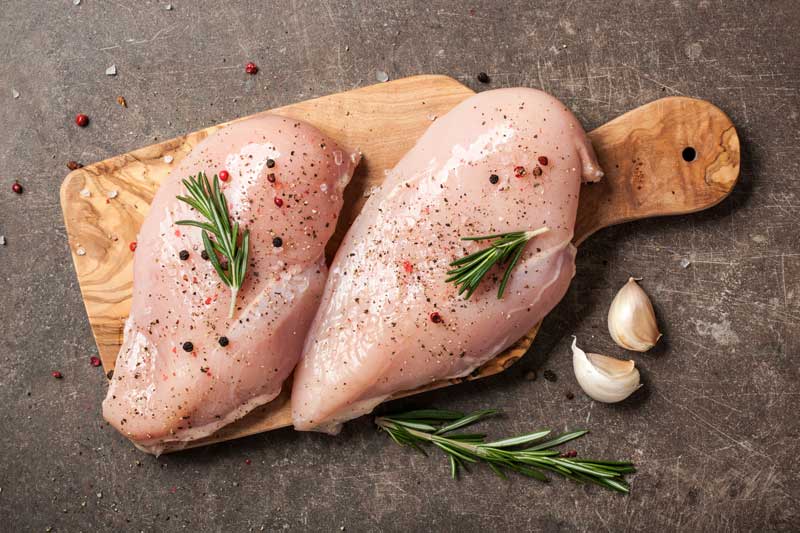
Credit: www.paknsave.co.nz
Frequently Asked Questions
Can You Refrigerate Chicken After Thawing?
Yes, you can refrigerate chicken after thawing if it was defrosted safely in the fridge. Use it within 1-2 days for best quality and safety.
How Long Can Defrosted Chicken Stay In The Fridge?
Defrosted chicken can stay in the refrigerator for 1 to 2 days. After that, it may spoil and become unsafe to eat.
Is It Safe To Refreeze Thawed Chicken?
Refreezing thawed chicken is safe only if it was defrosted in the fridge and not left out. However, quality may decrease.
What Is The Best Way To Defrost Chicken Safely?
The safest way to defrost chicken is in the refrigerator. This method keeps the meat at a safe temperature, preventing bacteria growth.
Conclusion
Refrigerating defrosted chicken is safe if done promptly. Keep it cold. Always use airtight containers to store chicken. This prevents bacteria growth. Consume it within two days for best quality. Never refreeze defrosted chicken. It affects taste and texture. Safe practices keep meals delicious and healthy.
Always prioritize food safety in your kitchen. Check chicken for any off smell before cooking. It ensures freshness. Proper storage and handling protect you and your family. Remember, fresh is best. Enjoy your chicken meals with peace of mind.