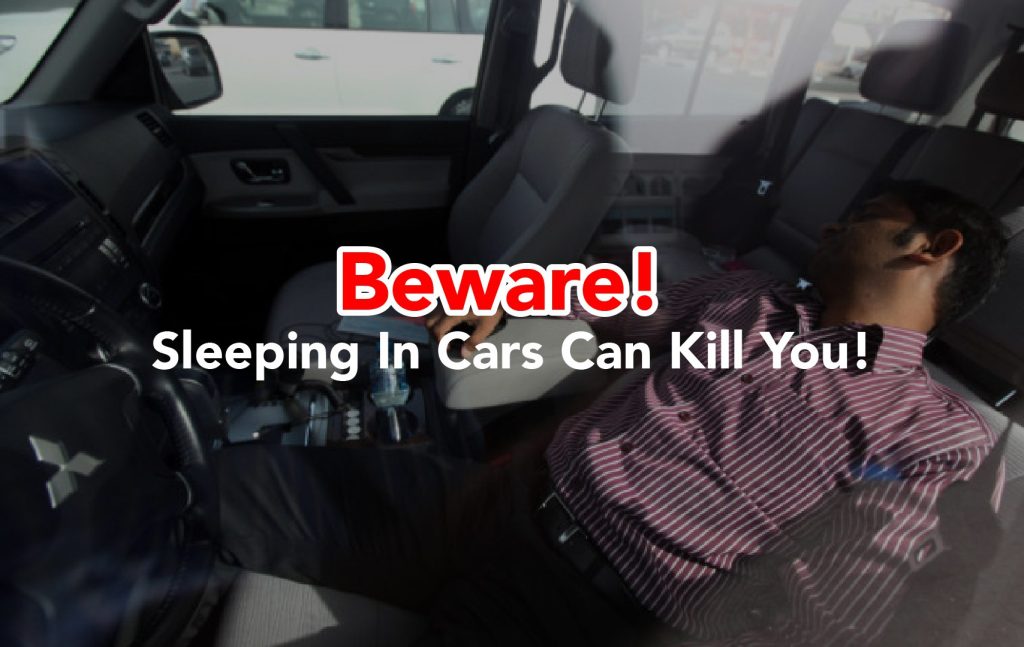
Have you ever wondered if it’s safe or comfortable to sleep in a car with the windows up? Maybe you’re on a long trip, or you just need a quick rest somewhere.
It sounds simple, but there are important things you need to know before you close your eyes. You’ll discover the key risks and smart tips that can make your car nap safer and more refreshing. Keep reading to protect yourself and get the best rest possible when sleeping in your car.
Risks Of Sleeping With Windows Up
Sleeping in a car with the windows fully closed brings several dangers. The enclosed space limits fresh air. Breathing stale air can affect your health and comfort. Understanding these risks helps you stay safe while resting inside a vehicle.
Air Quality Concerns
Cars are not designed for long-term breathing with windows shut. Oxygen inside the car decreases over time. Carbon dioxide from your breath builds up quickly. This can cause headaches, dizziness, and tiredness. Poor air quality makes it hard to sleep well.
Temperature Build-up
Heat inside a closed car rises fast. Without airflow, the temperature can become dangerously high. This happens even on mild days. High heat may lead to dehydration or heat exhaustion. It also disrupts your sleep and comfort.
Carbon Monoxide Risks
Carbon monoxide is a deadly gas that can leak into cars. This gas is colorless and odorless. Running the engine or nearby vehicles increase this risk. Breathing carbon monoxide causes confusion and loss of consciousness. Keeping windows closed blocks fresh air and raises danger.
Credit: geordiejimny.com
Benefits Of Cracking Windows
Cracking the windows slightly while sleeping in a car might seem like a small adjustment, but it brings several important benefits. It can make your stay inside the vehicle more comfortable and safer. Let’s look at why a little airflow through those small openings can change your experience.
Improved Ventilation
Leaving your windows cracked allows fresh air to flow inside the car. This helps prevent the air from becoming stale or stuffy, which can make it harder to fall asleep. Have you ever noticed how quickly the air feels heavy when you’re in a closed space? A small opening stops that from happening.
Good ventilation also reduces the buildup of carbon dioxide, especially important if you’re sleeping alone in the car for hours. You want to breathe fresh air, not recycled air, to feel rested and alert the next day.
Temperature Regulation
Cars can heat up quickly, even on mild days. Cracking the windows helps release trapped heat, preventing the inside from becoming an uncomfortable sauna. This is especially helpful in warmer climates or during summer nights.
On colder nights, a slight window opening can balance the temperature by allowing excess warmth to escape, so you don’t wake up sweating. Controlling the temperature naturally like this keeps you comfortable without needing to rely on the car’s AC or heater, which might drain your battery.
Reduced Condensation
When you sleep inside a car, your breath produces moisture. If the windows are fully closed, this moisture can collect and fog up the glass. Cracking the windows lets the moisture escape, reducing fog and keeping the air drier.
This not only improves visibility if you wake up and need to drive but also helps avoid that damp, clammy feeling inside. Have you ever woken up to a foggy windshield? A small window gap can stop that from happening.
Safety Precautions For Sleeping In A Car
Sleeping in a car can be risky without the right safety steps. Taking precautions helps protect your health and security. Follow simple actions to stay safe while resting inside your vehicle.
Choosing A Safe Location
Pick a well-lit area with some activity around. Avoid isolated or dark places where help is hard to find. Look for official rest stops, campgrounds, or parking lots that allow overnight parking. Check local rules before settling down. Park away from traffic and hazards.
Securing The Vehicle
Lock all doors and close windows except for a small gap for fresh air. Keep valuables out of sight to avoid theft. Use window shades or curtains for privacy. Ensure your car is parked on level ground to prevent rolling. Have the keys nearby but not in plain view.
Emergency Preparedness
Keep a charged phone within easy reach. Have a flashlight, water, and snacks ready. Know emergency contacts and your location details. Inform a trusted person about your plans and check in regularly. Carry a basic first aid kit and any needed medication.
Alternatives To Sleeping Inside A Car
Sleeping inside a car might seem like the easiest option during long trips or unexpected delays. However, it often comes with discomfort and safety concerns, especially with the windows up. Luckily, there are several alternatives that can offer you better rest and peace of mind while on the road.
Using A Tent
Setting up a tent is a great way to enjoy fresh air and space while still having shelter. It gives you room to stretch out and move freely, unlike the cramped quarters of a car. Plus, tents come in various sizes and styles, so you can choose one that fits your travel style and location.
If you’re camping in a safe area, a tent can also provide a sense of connection to nature that you miss when inside a vehicle. Have you ever noticed how fresh air helps you sleep better than recycled car air?
Finding Nearby Accommodations
Sometimes, the best option is to find a nearby hotel, motel, or guesthouse. It might cost a bit more, but the comfort and security you gain are often worth it. Use apps or websites to quickly locate affordable places close to your route.
Think about this: a good night’s sleep in a proper bed can make the next day’s journey safer and more enjoyable. Isn’t that worth a small investment?
Rest Stops And Facilities
Many highways and major roads have rest stops equipped with bathrooms, picnic areas, and sometimes even designated sleeping areas. These spots offer a chance to refresh and relax without the risks of sleeping inside a car with windows closed.
Using these facilities can keep you alert and prevent the dangers linked to poor ventilation or carbon monoxide buildup. Have you checked if your route has such stops available before planning to sleep in your car?
Legal Considerations
Sleeping in a car with the windows up raises important legal questions. Laws vary widely by location and must be checked before deciding to rest inside a vehicle. Knowing the rules helps avoid fines, towing, or other penalties.
Local Laws On Sleeping In Cars
Many cities have laws about sleeping in vehicles. Some forbid it on public streets or parking lots. Others allow it only during certain hours. Laws may aim to prevent loitering or safety issues.
Check local government websites or police departments for specific rules. Ignorance of these laws does not protect from penalties.
Parking Restrictions
Parking spots may have restrictions that affect sleeping in a car. Time limits and no overnight parking signs are common. Some areas restrict parking on residential streets at night.
Municipal codes often regulate where vehicles can stay parked for long periods. Violating these can lead to tickets or towing.
Permits And Regulations
Some locations require permits to sleep in a car legally. These permits may apply to campgrounds or designated rest areas. Regulations vary based on the area and type of vehicle.
Obtaining a permit ensures compliance with local rules. It also provides a safe place to rest without legal trouble.
Credit: geordiejimny.com

Credit: www.reddit.com
Frequently Asked Questions
Is It Safe To Sleep In A Car?
Sleeping in a car is generally safe if done responsibly. Ensure the car is parked in a secure location. Ventilate the car properly to prevent suffocation. It’s crucial to check local laws, as some areas prohibit sleeping in vehicles.
Can You Run Out Of Oxygen In A Car?
Running out of oxygen in a car is unlikely. Cars aren’t airtight, so air circulates. However, for safety, crack a window slightly. This ensures proper ventilation and reduces the risk of carbon dioxide buildup, especially if the engine is off.
What Are The Risks Of Sleeping In A Car?
Risks include carbon monoxide poisoning, particularly if the engine is running. There’s also the danger of theft or legal issues in some areas. Parking in a safe, legal spot and ensuring good ventilation can mitigate these risks.
How Can You Sleep Comfortably In A Car?
To sleep comfortably, recline your seat and use pillows or blankets. Consider using a sleep mask and earplugs to block light and noise. Ensure the car is at a comfortable temperature and wear comfortable clothing to improve your sleep quality.
Conclusion
Sleeping in a car with the windows up can be risky. Air can get stale and make breathing hard. It might also get too hot or cold inside. Always think about safety and comfort first. Try to keep some fresh air moving.
Choose a safe spot to park. Your health matters most when resting in a car. Stay alert and prepare well for a good night’s sleep.